Source Organic Vegan Hair Wax for styling, coloring, and edge control
Explore 30 listings of Organic Vegan Hair Wax designed for styling, coloring, and edge control. Buyers can compare specifications, customization options, and pricing to find suitable suppliers for their specific hair care needs.
Key considerations
Products List


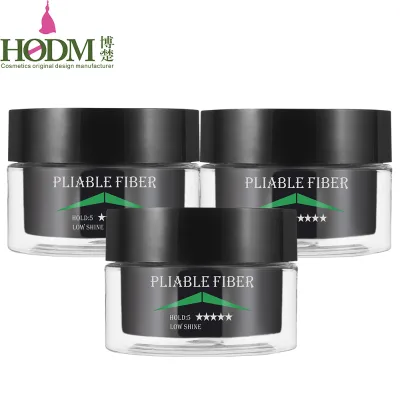
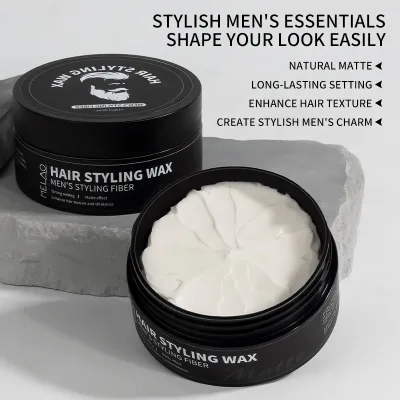


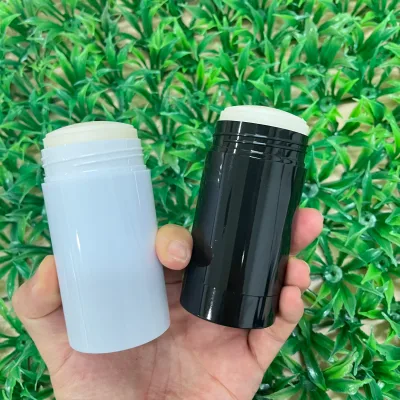


$0.01 - $0.39
MOQ: 1000 Pieces

Comprehensive Sourcing Guide
Strategic Sourcing Guide for Organic Vegan Hair Wax Procurement
Navigating the B2B market for Organic Vegan Hair Wax requires a disciplined approach that separates verified product attributes from marketing assertions. Buyers entering this sector must understand that while the core keyword implies specific ethical and botanical standards, the actual supply chain data often presents a broader spectrum of formulations. This guide provides a structured framework for evaluating suppliers, verifying technical specifications, and ensuring that procurement decisions align with both quality standards and sustainability goals. The following sections detail the critical dimensions of sourcing, from technical formulation to long-term supplier relationships, ensuring that every procurement step is grounded in observable facts and industry best practices.
Technical Specifications and Formulation Verification
The first step in sourcing hair wax is a rigorous examination of technical specifications. In the current market, products labeled as "hair wax" often encompass a diverse range of functional categories, including styling waxes, edge control, and temporary hair color waxes. Buyers must distinguish between these sub-categories based on the intended application. For instance, a product designed for "Short Hair" may possess a different viscosity and hold strength compared to a "Multilevel Hair" product or a "Semi-Permanent Hair Color Prodcuts" variant.
When evaluating the physical properties, the form of the product is a primary indicator. The market data indicates that "Wax" is the predominant form, but the specific delivery mechanism varies. Some listings specify a "120g/Custom" volume, while others offer "90g" or "120ml" options. The ability to customize volume is a critical technical feature for B2B buyers, as it allows for packaging alignment with brand identity and retail requirements. Furthermore, the scent profile is a significant differentiator. Suppliers often list options ranging from "Natural Fragrance" to "Fruit/Perfume" or fully "Custom" scents. Buyers must verify that the "Natural Fragrance" claims are supported by the ingredient list, particularly when the "Organic" and "Vegan" keywords are central to the product value proposition.
The packaging specifications also play a vital role in the technical evaluation. Standardized packing formats such as "Carton" or "12tin/Carton" are common, but custom packaging solutions are frequently available. The dimensions of the outer carton, such as "43.221.826CM" or "38.536.532cm," are essential for logistics planning and warehouse capacity calculations. Additionally, the gross weight (G.W.) and net weight (N.W.) figures, such as "22.4kg" and "14.4kg" respectively, must be cross-referenced with the unit weight to ensure accurate shipping cost estimations.
Compliance and Certification Standards
In the realm of organic and vegan products, compliance is not merely a regulatory requirement but a fundamental trust signal. While the term "Organic" implies adherence to specific agricultural standards, and "Vegan" denotes the absence of animal-derived ingredients, these claims require external verification. Buyers should not rely solely on supplier self-declarations. The industry standard for cosmetic manufacturing quality management is ISO 22716, which outlines Good Manufacturing Practices (GMP). Although specific certification status for individual suppliers may vary, adherence to this standard is a baseline expectation for reputable manufacturers.
When assessing compliance, buyers must look for evidence of ingredient sourcing. The "Organic" claim necessitates a supply chain that can trace raw materials back to certified organic farms. Similarly, the "Vegan" claim requires a rigorous audit of the entire formulation to ensure no hidden animal by-products, such as beeswax or lanolin, are present. The "Customization" attribute noted in many product listings suggests that suppliers are open to formulating specific blends, which is an opportunity for buyers to request third-party testing reports for their specific batch.
It is crucial to verify the "prod_standard" and "prod_model" details provided by suppliers. For example, some products are listed under specific model numbers like "RXP-44" or "XP-08," while others are categorized under "Classic series" or "OEM" models. These identifiers help in tracking the specific formulation history and compliance records. Buyers should request documentation that confirms the product meets the regulatory requirements of the target market, whether it is the United States, the European Union, or other regions with strict cosmetic regulations.
Cost Drivers and Pricing Dynamics
Understanding the cost structure of Organic Vegan Hair Wax is essential for budgeting and margin analysis. The observed price range in the market spans from $0.01 to $4.21 USD, a wide variance that reflects differences in formulation complexity, ingredient quality, and order volume. The "MOQ" (Minimum Order Quantity) is a significant cost driver, with observed ranges extending from 1 unit to 10,000 units. Higher MOQs typically correlate with lower unit costs, but they also increase the financial risk for the buyer.
The "Customization" factor is a primary determinant of price. Products that require custom scents, specific volumes, or unique packaging designs will generally command a premium over standard off-the-shelf items. The "OEM/ODM" (Original Equipment Manufacturer/Original Design Manufacturer) services offered by suppliers often involve additional fees for mold creation, formula development, and branding. Buyers should also consider the cost implications of the "Sample" availability. While many suppliers offer "Free Samples" with a turnaround of "1-3 Days," the cost of shipping these samples and the time investment in testing must be factored into the overall procurement budget.
Payment terms also influence the effective cost of goods. The market supports various payment methods including "Paypal," "Western Union," "TT" (Telegraphic Transfer), and "Money Gram." Each method carries different transaction fees and processing times, which can impact the final landed cost. Buyers should negotiate payment terms that align with their cash flow, potentially seeking credit terms for long-term partnerships or discounts for upfront payments.
Typical Applications and Market Segmentation
The versatility of hair wax allows for a broad range of applications, which directly influences the target market and product positioning. The data indicates that products are formulated for specific hair types, such as "Short Hair" or "Multilevel Hair," and serve distinct functions like "Strong Hold," "Moisturise," "Shine," or "No Residue." This segmentation is critical for buyers to identify the right product for their specific customer base.
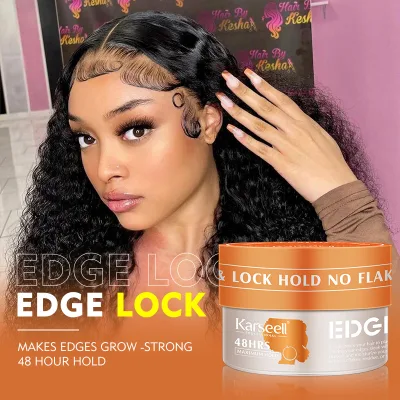
One notable application is the "Temporary Hair Color" function, where the wax serves as both a styling agent and a colorant. These products, often labeled as "Hair Color Wax," appeal to consumers seeking temporary, non-damaging color solutions. Another significant segment is "Edge Wax," designed for strong hold and precise styling of hairlines. These products often feature a "Natural Fragrance" and are marketed towards users who require a professional finish without residue.
The "Age Group" and "Gender" specifications also guide application. Products marked for "All Ages" and "Unisex" use have a broader market appeal, making them suitable for mass-market distribution. In contrast, specialized formulations targeting specific demographics may require more targeted marketing strategies. The "Body Part" specification, such as "Body," suggests that some waxes may have multi-use capabilities, although this is less common for hair-specific products. Buyers should align their product selection with the specific needs of their retail channels, whether they are professional salons, beauty supply stores, or e-commerce platforms.
Supplier Evaluation and Relationship Management
Evaluating suppliers requires a holistic approach that goes beyond product specifications. The "OEM/ODM" availability indicates a supplier's capacity for collaboration, which is vital for brands looking to differentiate their offerings. Buyers should assess the supplier's responsiveness to inquiries, particularly regarding "Customization" details and "Sample" requests. The ability to discuss details and provide "Free Samples" within "1-3 Days" is a strong indicator of operational efficiency.
The "prod_origin" is another critical factor. Many products originate from "Guangzhou, China," a major hub for cosmetic manufacturing. This location offers access to a robust supply chain and a wide variety of manufacturers. However, buyers must verify the specific factory capabilities and quality control measures in place. The "Standard" and "Packing" details provided by the supplier, such as "43.221.826CM" or "12tin/Carton," should be consistent with the supplier's stated capabilities to ensure reliability.
Building a long-term relationship with a supplier involves clear communication and mutual understanding of expectations. The "Payment" terms and "Lead Time" (though not explicitly stated in the data, implied by sample turnaround) are key areas for negotiation. Buyers should establish a protocol for regular quality checks and performance reviews to ensure that the supplier continues to meet the required standards over time.
Quality Control and Long-Term Procurement Considerations
Quality control is the backbone of successful procurement in the cosmetic industry. Buyers must implement a robust QC strategy that includes pre-shipment inspections, batch testing, and ongoing performance monitoring. The "Shelf Life" of products, such as the "3 Years" noted for certain items, is a critical parameter that affects inventory management and product rotation. Buyers should verify that the "Shelf Life" is consistent across all batches and that the packaging protects the product from degradation.
Long-term procurement considerations also involve supply chain resilience. The "MOQ" flexibility, ranging from 1 to 10,000 units, offers buyers the ability to scale operations without being locked into excessive inventory. However, buyers should be prepared for potential fluctuations in raw material costs and supply chain disruptions. Establishing a diversified supplier base can mitigate these risks.
Finally, buyers should maintain a focus on continuous improvement. As the market evolves, new standards and consumer preferences will emerge. Staying informed about industry trends, such as the increasing demand for "Organic" and "Vegan" products, will ensure that the procurement strategy remains relevant and competitive. By adhering to these principles, buyers can build a sustainable and profitable supply chain for Organic Vegan Hair Wax.
FAQs
Can I customize the volume and scent of the hair wax?
Yes, customization is available for volume and scent. Buyers can select from options like 120g, 90g, or 120ml, and choose scents such as Fruit, Perfume, or Natural Fragrance. Suppliers also accept custom requests for specific blends.
What are the available product models and specifications?
Several models exist including RXP-44, XP-08, and the Classic series. Specifications vary by type, such as 50ml for Hair Color Wax or 90g for Hair Wax. Outer carton sizes like 43.2*21.8*26CM are also defined for logistics planning.
How long is the shelf life of the organic hair wax?
The shelf life is typically 3 years for certain product lines. This duration applies to items like those with the OEM model specification. Buyers should verify this period during batch testing to ensure product stability before distribution.
What is the minimum order quantity for these products?
The minimum order quantity ranges from 1 to 10,000 units depending on the supplier. Lower MOQs allow for smaller trial orders, while higher volumes often reduce unit costs. Buyers should confirm the specific MOQ with the manufacturer before placing an order.
Where are the Organic Vegan Hair Wax products manufactured?
Products originate from Guangzhou, China, which is a major manufacturing hub. Some listings simply state China as the origin. This location provides access to a robust supply chain for cosmetic production and customization services.
Do suppliers offer free samples for testing purposes?
Yes, free samples are available for completed and semi-completed products. Samples are typically sent within 1 to 3 days after request. This allows buyers to verify quality and formulation before committing to a larger purchase order.