Source Organic Whitening Pineapple Toothpaste for Home Hotel Use
Compare 30 listings of Organic Whitening Pineapple Toothpaste from Chinese manufacturers. Buyers can evaluate features like anti-cavity and whitening, customization options, and MOQs ranging from 720 to 50,000 pieces for home and hotel applications.
Key considerations
Products List

Custom Logo OEM Natural Whitening Toothpaste Cool Organic Mint Toothpaste
$0.38 - $0.40
MOQ: 30000 Pieces


Organic Herbal Cool Mint Fresh Efficace Tooth Enamel Whitening Toothpaste
$0.26 - $0.32
MOQ: 720 Pieces

Remove Tooth Stains 90g Mint Flavor Herbal Toothpaste Natural Whitening Toothpaste
$0.39 - $0.99
MOQ: 10000 Pieces


High Quality Wholesale Whitening Toothpaste Custom Logo Natural Organic Tooth Paste
$0.29 - $0.31
MOQ: 50000 Pieces


Natural Teeth Whitening Toothpaste Activated Bamboo Charcoal Toothpaste
$0.10 - $0.20
MOQ: 30000 Pieces


OEM Factory Direct Natural Mint Toothpaste Whitening Toothpaste Cleanser Toothpaste
$0.15 - $0.48
MOQ: 30000 Pieces


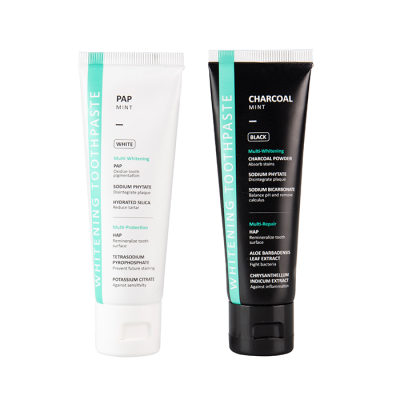


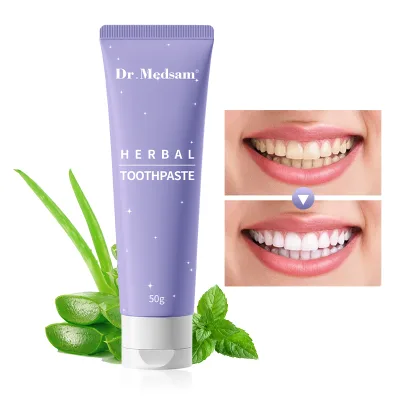
Comprehensive Sourcing Guide
Strategic Sourcing Guide for Organic Whitening Pineapple Toothpaste
The global demand for natural personal care products has driven a significant shift in the oral hygiene market, with buyers increasingly seeking formulations that combine effective whitening capabilities with botanical ingredients. The specific search term "Organic Whitening Pineapple Toothpaste" indicates a procurement strategy focused on fruit-derived enzymes, natural abrasives, and eco-friendly packaging. However, when navigating the B2B marketplace, it is critical to distinguish between marketing terminology and verified product attributes. The following guide provides a structured approach to sourcing this category, grounded in observed market data and technical realities.
Understanding Product Attributes and Formulation Realities
When evaluating potential suppliers for pineapple-based toothpaste, buyers must first analyze the core ingredient profile. The term "organic" implies a specific agricultural standard, while "pineapple" suggests the inclusion of bromelain or pineapple extract, which are often marketed for their natural whitening properties. In the current supply landscape, observed product attributes frequently list "Herbal" as a primary ingredient category. This aligns with the botanical nature of pineapple extracts. However, specific formulations may vary significantly. For instance, some observed listings indicate "Calcium Carbonate" as a main ingredient. While calcium carbonate is a common and effective abrasive for cleaning, buyers must verify if the supplier integrates this with organic pineapple extracts or if the "pineapple" claim is limited to fragrance or flavoring.
The functional claims associated with these products are diverse. Observed data highlights features such as "Oral Refreshing," "Basic Cleaning," "Anti-Cavity," and "Whitening." The "Whitening" feature is particularly relevant to the core keyword, yet it is often paired with "Repair Spot" or "Eco Friendly" attributes in the same product lines. This suggests that a single SKU might offer a combination of benefits, or that different models within a supplier's catalog cater to specific needs. Buyers should not assume that every product labeled "pineapple" possesses all these features simultaneously. Instead, the procurement strategy should involve requesting detailed ingredient lists to confirm the presence of organic pineapple components alongside standard cleaning agents.
Technical Specifications and Model Variations
Technical specifications are the backbone of any B2B procurement decision, as they define the physical and chemical properties of the product. In the observed market data, a wide range of product models exists, including T-TP24005, TPC010, TPC015, TP015, TP014, TP035, and P07. Each model carries distinct standard weights and volumes, which directly impact shipping costs and shelf-life management.
The weight standards observed range from 75ML to 120g, with specific models like TP035 listed at 75ML and others at 105 grams or 100 grams. The variation in size types, generally categorized as "Regular Size," indicates that buyers have flexibility in selecting volume based on their target demographic. For a product marketed as "organic," the packaging weight is also a critical specification. Observed data notes a "Single Gross Weight" of 0.500kg for certain units, which includes the tube and the outer box. This is vital for calculating freight charges, especially for air freight where volume and weight are primary cost drivers.
Furthermore, the product standard is sometimes listed as a weight (e.g., 120g, 105g) and sometimes as a volume (e.g., 100ML). This inconsistency highlights the need for buyers to explicitly define their requirements in the Request for Quotation (RFQ). A supplier may offer a 100ML tube of pineapple toothpaste, while another offers a 105g tube of the same formulation. The density of the paste can vary based on the ratio of water to abrasive agents, meaning volume and weight are not always interchangeable without verification.
Compliance, Certification, and Ingredient Verification
One of the most critical aspects of sourcing "organic" products is verifying compliance with relevant standards. While the term "organic" is widely used in marketing, it carries specific legal and regulatory implications depending on the destination market. In the provided data, no specific certification bodies (such as USDA, ECOCERT, or COSMOS) are explicitly listed. This absence does not imply a lack of certification but rather a need for buyers to proactively request proof of organic status.
Buyers must verify that the "Herbal" and "Pineapple" ingredients are sourced from certified organic farms. The presence of "Calcium Carbonate" as a main ingredient is standard, but the source of this mineral must also be evaluated for purity and safety. Additionally, the "Eco Friendly" feature observed in some models suggests a commitment to sustainable practices, which often aligns with organic certification. However, "Eco Friendly" can refer to packaging (such as the "Paper Box" or "Color Box" observed) rather than the formula itself.
Compliance checks should also extend to the manufacturing location. The observed data indicates a "Place of Origin" in Jiangsu, China. While this is a major manufacturing hub, buyers should ensure that the facility holds necessary GMP (Good Manufacturing Practice) certifications and that the product meets the safety standards of the target export market. The "Standard" listed as "120g" or "105g" refers to the net content, but buyers must also ask about the product standard code (e.g., GB standards in China) to ensure regulatory compliance for import.
Cost Drivers and Pricing Dynamics
The pricing structure for organic whitening toothpaste is influenced by several factors, including ingredient quality, packaging complexity, and order volume. The observed price range in the market is 0.1 to 4 USD. This wide variance suggests a spectrum from basic, high-volume generic products to premium, small-batch organic formulations. The lower end of the range likely corresponds to standard herbal toothpastes with minimal organic content, while the higher end may reflect true organic certification and specialized packaging.
The Minimum Order Quantity (MOQ) is a significant cost driver. Observed MOQs range from 5 to 50,000 pieces, with specific models like T-TP24005 having an MOQ of 720 PCS and others requiring 50,000 PCS. This disparity allows buyers to choose between small-scale testing orders and large-scale distribution contracts. For buyers seeking "organic" products, the MOQ might be higher due to the specialized nature of the ingredients and the need for dedicated production runs.
Packaging also impacts cost. The observed data lists "Paper Box," "Color Box," and "Carton Packing" as options. A "Color Box" with a customized logo typically costs more than a standard paper box. The "144PCS/Carton" and "72PCS/Carton" packing configurations affect the efficiency of logistics. Buyers should calculate the cost per unit including the packaging, as eco-friendly packaging materials often carry a premium.
Supplier Evaluation and Customization Capabilities
When evaluating suppliers, the ability to customize is paramount. The observed data confirms that "Customization" is available, with options for "Customized Color," "Customized Logo Acceptable," and OEM/ODM services. This flexibility allows buyers to create a unique brand identity. The "Brand" attribute is listed as "OEM, ODM," indicating that suppliers are willing to manufacture under the buyer's brand or develop products from scratch.
However, customization comes with its own set of requirements. For a "pineapple" flavor, the supplier must have access to the specific extract or flavoring agent. Buyers should verify if the customization extends to the formula itself or is limited to packaging and labeling. The "Delivery Time" is observed as 25 Workdays, which is a standard lead time for manufacturing and shipping. Buyers must factor this into their inventory planning, especially if they are launching a new product line.
Supplier reliability is also indicated by the "Payment Term," which is listed as "T/T" (Telegraphic Transfer). This is a standard B2B payment method, but buyers should negotiate terms that protect their interests, such as a deposit followed by payment upon shipment inspection. The "Selling Units" are listed as "Single Item," which suggests that the product is sold individually, but bulk orders are handled via the carton configurations mentioned earlier.
Quality Control and Long-Term Procurement Strategy
Quality control is essential for oral care products, given their direct contact with the human body. Buyers should implement a rigorous QC protocol that includes testing for microbial contamination, heavy metals, and pH balance. The "Feature" of "Anti-Cavity" and "Whitening" must be substantiated by test results, which are not explicitly provided in the general data but should be requested from the supplier.
For long-term procurement, building a relationship with a supplier that offers "Eco Friendly" and "Herbal" solutions is beneficial. The "Main Ingredients" of "Calcium Carbonate" and "Herbal" components suggest a stable supply chain for raw materials. However, buyers should monitor the supply of organic pineapple extracts, as these can be subject to seasonal fluctuations.
The "Application" is listed as "for Home Use" and "Home, Hotel," indicating versatility. Buyers can target both retail consumers and hospitality sectors. The "Type" is categorized as "Personal Care," which is a broad category requiring specific attention to regulatory compliance in different regions.
Comparison of Key Product Specifications
To assist in decision-making, the following table summarizes the key variations observed in the market data for toothpaste products. This comparison highlights the diversity in models, weights, and packaging, which buyers must consider when selecting a supplier.
| Product Model | Standard Weight/Volume | Packaging Type | Key Features | MOQ (PCS) |
|---|---|---|---|---|
| T-TP24005 | 120g | Paper Box | Oral Refreshing, Basic Cleaning | 720 |
| TPC010 | 105 grams | Paper Carton Packing | Anti-Cavity, Repair Spot Boreos | Variable |
| TPC015 | 105g | Color Box | Eco Friendly | Variable |
| TP015 | 90g | Carton Packing | Whitening | Variable |
| TP014 | 75ML | Carton Packing | Whitening | Variable |
| TP035 | 75ML | Carton Packing | (Standard) | 50,000 |
| P07 | 100GRAM | 72PCS/Carton | (Standard) | Variable |
This table illustrates that while the core function remains "Oral Cleaning," the specific attributes and packaging vary significantly. Buyers should use this data to align their product requirements with the specific capabilities of their chosen supplier.
Final Procurement Considerations
In conclusion, sourcing "Organic Whitening Pineapple Toothpaste" requires a balanced approach that considers ingredient authenticity, technical specifications, and supplier flexibility. The observed market data provides a foundation for understanding the available options, but buyers must conduct due diligence to ensure that the "organic" and "pineapple" claims are substantiated. By focusing on verified standards, clear communication of customization needs, and robust quality control measures, buyers can successfully navigate the B2B market to secure high-quality oral care products that meet their specific business objectives. The wide range of MOQs and price points offers opportunities for both small startups and established brands to enter this growing sector.
FAQs
What are the main ingredients in Organic Whitening Pineapple Toothpaste?
The main ingredients typically include herbal extracts and calcium carbonate. While some listings specify herbal components, buyers must verify if pineapple extract is present in the formula or limited to fragrance.
Which customization options are available for this toothpaste product?
Customization is available for logos, colors, and packaging types like paper boxes or color boxes. Suppliers accept OEM and ODM services to create unique brand identities for the target market.
How long is the delivery time for bulk orders of this toothpaste?
The standard delivery time is 25 workdays from the time of order confirmation. This lead time applies to manufacturing and preparation for shipment from the Jiangsu, China production facility.
Can I find suppliers with specific minimum order quantity requirements?
Yes, MOQs vary significantly, ranging from 720 pieces to 50,000 pieces depending on the model. Buyers can select suppliers based on their specific volume needs and budget constraints.
What specifications exist for the weight and volume of the toothpaste?
Standard weights range from 75ml to 120g, with common sizes being 105g and 100g. Buyers should verify the specific net content for each model to ensure it matches their product requirements.
Which certifications confirm the organic status of the toothpaste ingredients?
The provided data does not list specific organic certifications like USDA or ECOCERT. Buyers must proactively request proof of organic status and verify the source of herbal and pineapple ingredients.