Source Organic Waterproof Moisturizing Lip Balm for daily care, travel, and custom branding
Compare 30 verified listings for Organic Waterproof Moisturizing Lip Balm featuring moisturizing, nourishing, and repair functions. Buyers can review specifications like 3g to 7g weights, herbal and mineral ingredients, and OEM private label options from Chinese manufacturers.
Key considerations
Products List


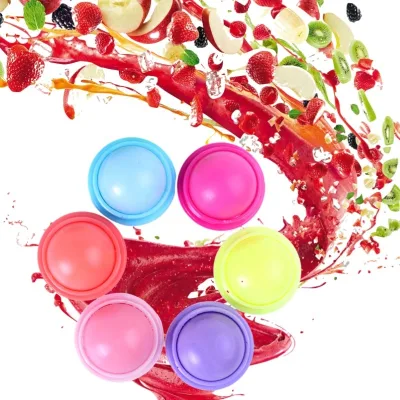
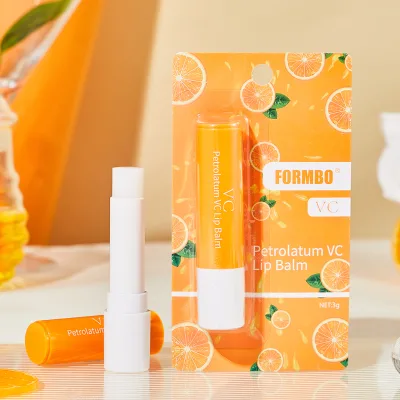
Moisturizing Lip Balm Perfect for on-The-Go Moisture and Makeup Prep Lip Balm
$0.32 - $0.44
MOQ: 12000 Pieces


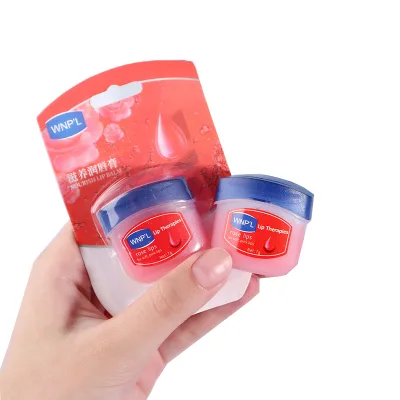


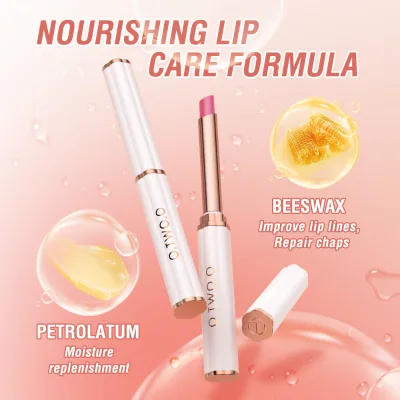
Custom Logo OEM Natural Organic Vegan Moisturizing Deep Moisturize Lip Balm
$0.95 - $1.15
MOQ: 5000 Pieces

Premium Custom Moisturizing Natural Vegan Lip Balm for Dry Cracked Lips
$0.82 - $1.18
MOQ: 5000 Pieces
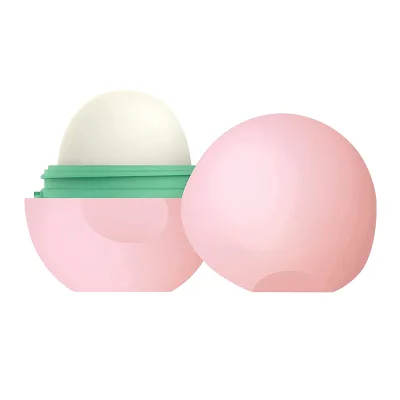
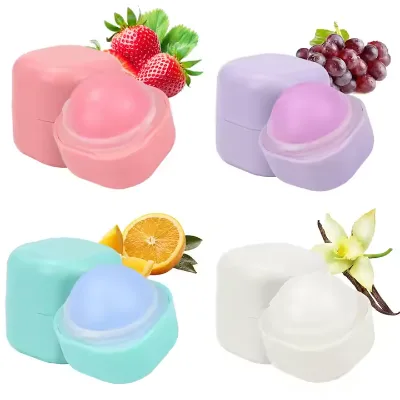
Wholesale Moisturizing Fruity Organic Lip Balm Anti-crack Natural Lip Balm
$1.33 - $1.80
MOQ: 50 pieces

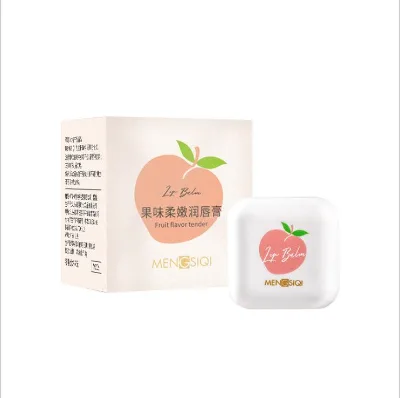



Comprehensive Sourcing Guide
Strategic Sourcing Guide for Organic Waterproof Moisturizing Lip Balm
Sourcing high-performance lip care products requires a nuanced understanding of the intersection between cosmetic chemistry, regulatory compliance, and supply chain logistics. For buyers targeting the specific niche of organic, waterproof, and moisturizing lip balms, the procurement process demands rigorous verification of ingredient integrity and functional performance. The market offers a diverse array of formulations, ranging from traditional wax-based pencils to modern cream and liquid applications. This guide outlines the critical parameters for evaluating potential suppliers and ensuring that the final product meets the stringent requirements of the core keyword: Organic Waterproof Moisturizing Lip Balm.
Technical Specifications and Formulation Analysis
The technical foundation of a lip balm product is defined by its physical form, weight standards, and active functional attributes. In the current supply landscape, lip balms are available in multiple forms, including pencil, cream, and liquid variants. Buyers must align the product form with their brand positioning; for instance, pencil forms are often associated with precision application, while cream and liquid forms may offer enhanced spreadability and hydration. The standard weight for individual units varies significantly across the market, with observed specifications ranging from 3 grams to 3.8 grams for standard lip balms, while other variants may reach up to 7 grams or even 44 grams for specialized treatments.
The "organic" and "moisturizing" claims are substantiated by the ingredient profile. Sourcing data indicates that primary ingredients often include mineral-based components and herbal extracts. These natural ingredients are critical for delivering the promised moisturizing and nourishing benefits without relying solely on synthetic occlusives. The formulation must also address the "waterproof" requirement, which implies the inclusion of specific film-forming agents or waxes that resist moisture loss and provide a barrier against external elements. Some product listings highlight features such as "repair," "waterproof matte," and "sunscreen" capabilities, suggesting a multifunctional approach to lip care.
When evaluating technical specifications, buyers should verify the net weight consistency, as this directly impacts the perceived value and dosage of the product. Standard packaging sizes, such as 25x10x5 cm for single packages, are common, but the gross weight of a unit, often cited around 0.25 kg for a single item including packaging, must be accounted for in logistics planning. The product model names, such as "Moisturizing Lip Balm," "Repair Lip Balm," and "Hydrating Lip Balm," often denote slight variations in the formulation's focus, whether it be on immediate hydration or long-term repair.
Compliance, Certification, and Regulatory Standards
Navigating the regulatory landscape is paramount for any B2B procurement of cosmetic products. The "organic" designation is not merely a marketing term but a claim that requires verification against recognized standards. While specific certification bodies vary by region, the presence of certifications such as ISO and GMP (Good Manufacturing Practice) is a strong indicator of a supplier's commitment to quality control and hygiene. These certifications ensure that the manufacturing environment adheres to strict protocols, reducing the risk of contamination and ensuring batch-to-batch consistency.
Furthermore, safety data is non-negotiable. Suppliers should provide Material Safety Data Sheets (MSDS) to confirm the safety profile of the ingredients used. The combination of MSDS and GMP certification suggests a robust compliance framework. For products claiming to be waterproof or offering sun protection, additional testing may be required to validate the efficacy of these claims, although specific test results should be requested directly from the supplier rather than assumed.
Buyers must also be aware of the "place of origin" and "prod_origin" details, as these influence import regulations. Many products in this category originate from regions like Hebei, China, which is a major hub for cosmetic manufacturing. Understanding the origin helps in anticipating specific regulatory hurdles related to ingredient restrictions or labeling requirements in the destination market. The "prod_standard" of 3g or 3.8g serves as a baseline for volume, but the actual regulatory compliance depends on the specific ingredients declared, such as herbal or mineral components, and their compliance with local cosmetic regulations.
Cost Drivers and Pricing Dynamics
The pricing of organic waterproof moisturizing lip balms is influenced by several variables, including the complexity of the formulation, the cost of raw materials, and the scale of production. The observed price range in the market spans from $0.12 to $10.33 USD, reflecting a wide spectrum of product tiers. Lower-priced items often correspond to basic formulations with standard packaging, while higher-priced units may incorporate premium organic ingredients, advanced waterproofing technology, or specialized branding.
A significant cost driver is the Minimum Order Quantity (MOQ). Suppliers typically set MOQs based on their production capacity and the complexity of the customization required. The observed MOQ range is broad, extending from as low as 2 pieces to as high as 12,000 pieces. For buyers seeking private labeling or custom formulations, the MOQ may be higher, with specific listings indicating thresholds of 20 pieces or 50 pieces. However, some suppliers offer flexibility, accepting small quantities for private logo application, which is a crucial advantage for startups or brands testing new markets.
Packaging costs also play a role in the final unit price. Options range from simple boxes to "Safe Packaging Box with Bubble" to ensure product integrity during transit. The choice of packaging material and design complexity can significantly impact the overall cost. Additionally, the inclusion of services such as OEM (Original Equipment Manufacturer) and ODM (Original Design Manufacturer) private label services adds value but may come with a premium. Buyers should balance the desire for customization against the budget constraints, keeping in mind that higher customization levels often correlate with higher unit costs and potentially longer lead times.
Supplier Evaluation and Service Capabilities
Selecting the right supplier involves more than just comparing prices; it requires a deep dive into their service capabilities and operational flexibility. A key differentiator in the market is the availability of OEM and ODM services. Suppliers offering "OEM ODM Private Label Service" allow brands to create unique products that align with their specific identity. This includes the ability to customize the logo, with many suppliers explicitly stating that they accept "Customized Private Logo" requests.
The "Advantage" section of supplier profiles often highlights their willingness to "Accept Small Quantity Private Logo," which is a significant benefit for buyers who do not wish to commit to massive inventory volumes immediately. This flexibility supports agile market entry and reduces the financial risk associated with launching new product lines. Additionally, the availability of multiple color options, such as "5 Colors" or "Multi-Colored" variants, allows brands to diversify their product offerings without needing to develop entirely new formulations.
Logistics and shipping capabilities are also critical evaluation criteria. Suppliers should demonstrate proficiency in handling international shipments via major carriers like DHL, FedEx, UPS, and EMS. The ability to provide "Safe Packaging" with bubble protection ensures that the product arrives in pristine condition, which is essential for maintaining brand reputation. Buyers should verify the supplier's track record in handling orders of varying sizes, from small batches of 20 pieces to large-scale orders of 12,000 pieces, to ensure they can scale with the buyer's growth.
Quality Control and Performance Verification
Ensuring the quality of the lip balm is a continuous process that begins before the order is placed and extends through the delivery of the final goods. The "Feature" attributes, such as "Repair," "Waterproof Matte," and "Sunscreen," must be verified through rigorous testing. While suppliers may claim these features, buyers should request evidence or test reports to substantiate these performance claims. The "Form" of the product, whether pencil, cream, or liquid, must be consistent with the intended use and application method.
Quality control also encompasses the consistency of the "Main Ingredient." Whether the product relies on mineral or herbal ingredients, the source and purity of these materials must be verified. The "Certification" status, particularly ISO and GMP, serves as a proxy for the supplier's internal quality control systems. However, buyers should not rely solely on these certifications; they should also inspect the physical product for consistency in texture, color, and scent.
The "Use" of the product, specifically for "Lips" and "Daily Care," implies that the formulation must be safe for frequent application. Buyers should ensure that the product meets all relevant safety standards for cosmetic use. The "Standard" weight of the product, whether 3g, 3.8g, or 7g, should be consistent across all units to prevent customer complaints regarding short-weight products. Additionally, the "Single gross weight" and "Single package size" should be accurately documented to facilitate efficient logistics and inventory management.
Long-Term Procurement and Market Considerations
Sourcing organic waterproof moisturizing lip balms is not a one-time transaction but a strategic partnership that requires long-term planning. The "Brand" name, whether it is a specific brand like "Meixu" or an OEM generic brand, influences the market positioning and consumer perception. Buyers should consider the scalability of the supplier's operations to ensure they can meet increasing demand as their brand grows. The "Selling Units" being listed as "Single item" suggests that the supplier is capable of handling both bulk and individual orders, which is beneficial for diverse distribution channels.
The "Occasion" for the product, often listed as "Daily Life," indicates a broad market appeal. However, buyers should also consider niche markets, such as "Fruit Flavor Lip Balm" for younger demographics or "Custom Lip Mask" for specialized skincare routines. The "Type" of product, categorized broadly as "Lip Balm," encompasses a wide range of sub-categories, and buyers should ensure that their selected supplier can adapt to these specific trends.
Finally, the "Shipment" options and lead times are critical for maintaining supply chain continuity. Buyers should establish clear communication channels with suppliers to monitor production schedules and shipping updates. The "Place of Origin" being Hebei, China, suggests a mature manufacturing ecosystem, but buyers should remain vigilant about potential supply chain disruptions. By maintaining a flexible and informed approach to procurement, buyers can secure a reliable supply of high-quality organic waterproof moisturizing lip balms that meet the evolving needs of their customers.
Comparative Overview of Product Attributes
| Attribute Category | Common Variants Observed | Strategic Consideration |
|---|---|---|
| Form | Pencil, Cream, Liquid | Align form with application method; pencils for precision, creams for hydration. |
| Weight Standard | 3g, 3.8g, 7g, 44g | Verify net weight consistency; heavier weights may imply richer formulations. |
| Certification | ISO, GMP, MSDS | Essential for compliance; GMP ensures manufacturing hygiene, MSDS ensures safety. |
| Customization | Private Logo, OEM/ODM | Critical for brand differentiation; check MOQ thresholds for custom orders. |
| Ingredients | Mineral, Herbal | "Organic" claims require verification of ingredient sourcing and purity. |
| Function | Waterproof, Moisturizing, Repair | Validate performance claims through testing; waterproofing is a key differentiator. |
| MOQ Range | 2 to 12,000 pcs | Balance inventory risk with unit cost; lower MOQs offer flexibility for testing. |
| Origin | China (Hebei) | Major manufacturing hub; verify logistics capabilities and export compliance. |
In conclusion, sourcing organic waterproof moisturizing lip balms requires a meticulous approach that balances technical specifications, regulatory compliance, and supplier capabilities. By focusing on the verified attributes and avoiding unproven claims, buyers can build a robust supply chain that delivers high-quality products to the market. The diversity in forms, weights, and customization options provides ample opportunity for brands to differentiate themselves, provided they conduct thorough due diligence on their suppliers.
FAQs
How can I verify the certification of Organic Waterproof Moisturizing Lip Balm suppliers?
You can verify certifications by requesting ISO, GMP, and MSDS documents directly from the supplier. Many manufacturers in Hebei, China, provide these credentials to prove their compliance with hygiene and safety standards for cosmetic production.
What is the typical MOQ for private label Organic Waterproof Moisturizing Lip Balm?
The minimum order quantity varies significantly, ranging from as low as 2 pieces to as high as 12,000 pieces depending on the supplier. Some vendors offer flexible options starting at 20 or 50 pieces for custom logo applications.
Which product forms are available for Organic Waterproof Moisturizing Lip Balm?
Available forms include pencil, cream, and liquid variants to suit different application preferences. Standard weights for these forms typically range from 3 grams to 3.8 grams, though specialized treatments may reach up to 44 grams.
Can I customize the packaging and logo for Organic Waterproof Moisturizing Lip Balm?
Yes, suppliers offer OEM and ODM services allowing for customized private logos and packaging designs. Options range from simple boxes to safe packaging with bubble protection to ensure product integrity during international shipping.
What are the main ingredients used in Organic Waterproof Moisturizing Lip Balm?
Primary ingredients often include mineral-based components and herbal extracts to ensure natural moisturizing benefits. These formulations are designed to provide nourishing properties while maintaining a waterproof barrier against external elements.
How do pricing and specifications vary for Organic Waterproof Moisturizing Lip Balm?
Prices range from 0.12 to 10.33 USD based on formulation complexity and packaging choices. Specifications like net weight and standard size, such as 3g or 7g, directly influence the unit cost and perceived value of the product.
Where are the manufacturers of Organic Waterproof Moisturizing Lip Balm located?
Most manufacturers are located in Hebei, China, which is a major hub for cosmetic production. Buyers should consider this origin when planning logistics and ensuring compliance with import regulations for their specific destination market.