Source Organic Vitamin C Serum with Retinol for Face Neck Hand
Compare 26 listings of Organic Vitamin C Serum with Retinol from Chinese manufacturers. Options include customizable packaging, various volumes, and certifications like GMP and FDA for face, neck, and hand applications.
Key considerations
Products List


Organic Repair Sun Damage & Reduce Wrinkles Skin Treatment Vitamin C Serum
$2.02 - $2.57
MOQ: 1000 Pieces


Organic Anti-Aging Moisturizing Skin 20% Vitamin C Serum with Hyaluronic Acid
$2.10 - $2.35
MOQ: 1000 Pieces


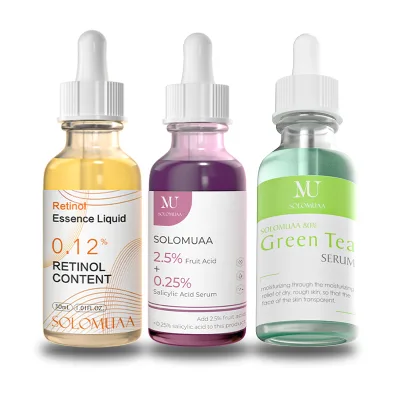
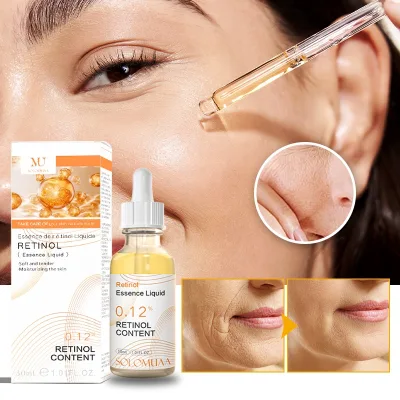


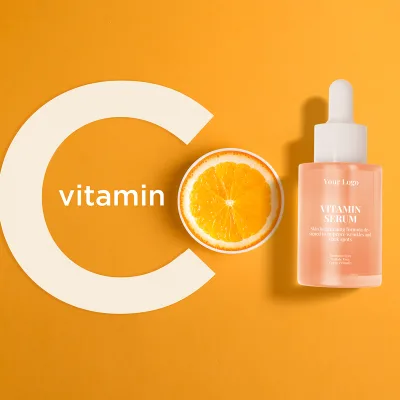

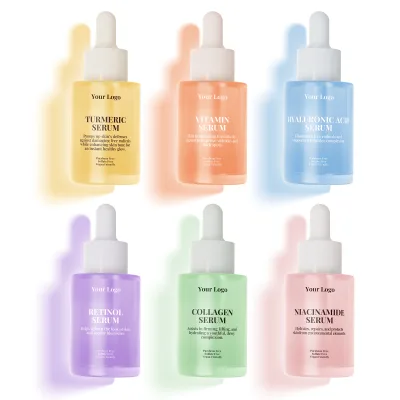
Comprehensive Sourcing Guide
Strategic Sourcing Guide for Organic Vitamin C Serum with Retinol
The global demand for advanced skincare formulations, particularly those combining organic vitamin C with retinol, has driven a significant shift in B2B procurement strategies. Buyers seeking these high-performance ingredients must navigate a complex landscape of regulatory compliance, ingredient sourcing, and manufacturing capabilities. This guide provides a structured approach to sourcing Organic Vitamin C Serum with Retinol, focusing on verified technical specifications, certification requirements, and supply chain logistics derived from current market data. The objective is to equip procurement professionals with the evidence-based knowledge necessary to evaluate potential suppliers and mitigate risks associated with product development and market entry.
Technical Specifications and Formulation Standards
When evaluating potential products for the Organic Vitamin C Serum with Retinol category, buyers must first establish a clear understanding of the technical specifications that define product viability. The core formulation often relies on a combination of specific active ingredients to ensure efficacy and stability. Market observations indicate that successful formulations frequently list "vitamine" and "collagen" as primary components, with some variations incorporating "plant" extracts and "AHAs" to enhance exfoliation and absorption. The presence of "plant" ingredients suggests a commitment to organic or natural sourcing, which is a critical differentiator in the current market.
Volume and packaging standards are equally critical in the technical evaluation process. Suppliers typically offer a range of standard volumes, including 15ml, 30ml, 36ml, 40ml, 50ml, and 100ml options. Some manufacturers provide a flexible standard of 30ml, 50ml, or 100ml, or allow for fully customized packaging sizes to meet specific brand requirements. The physical form of the product is often described as a "Compound Essential Oil" or a specialized serum, utilizing extraction methods to preserve the integrity of the active compounds. The "Professional Formula" designation implies a tailored approach to ingredient ratios, ensuring that the synergy between vitamin C and retinol is optimized for skin penetration without causing irritation.
Buyers should verify that the product specifications align with the intended application areas. Observed usage patterns for these formulations include targeted application on the Face, Eyes, Neck, Nose, and Hands. Some advanced formulations extend to the Body, indicating a versatility that can be leveraged for broader product lines. The "Method" of production, often cited as "Extraction," is a vital technical parameter to confirm, as it directly impacts the purity and potency of the final serum.
Compliance and Certification Verification
In the highly regulated beauty and personal care industry, compliance is not merely a formality but a prerequisite for market access. When sourcing Organic Vitamin C Serum with Retinol, buyers must rigorously verify the certification status of the supplier and the product. The most frequently observed certifications in the current market landscape include CE, GMP, MSDS, and FDA. These certifications serve as independent validations of the manufacturing process, product safety, and quality management systems.
The presence of GMP (Good Manufacturing Practice) certification is particularly significant, as it indicates that the facility adheres to strict hygiene and production standards. Similarly, MSDS (Material Safety Data Sheet) availability is essential for logistics and safety compliance, ensuring that the product can be transported and handled according to international safety regulations. The FDA certification, where applicable, suggests that the product meets specific regulatory standards for safety and efficacy, although buyers should always confirm the specific scope of this certification for their target market.
It is crucial to note that not every listed product may possess all certifications simultaneously. Buyers must treat certification claims as observations that require individual verification for each potential supplier. The absence of a specific certification in a general product listing does not necessarily disqualify a supplier, but it mandates a deeper audit of their quality control protocols. For markets with strict regulatory environments, such as the European Union or North America, the presence of CE and FDA certifications is often non-negotiable.
Cost Drivers and Pricing Structures
Understanding the cost drivers for Organic Vitamin C Serum with Retinol is essential for budgeting and margin analysis. The observed price range in the market spans from $0.70 to $30.00 USD per unit. This wide variance is influenced by several factors, including the quality of raw materials, the complexity of the formulation, the volume of the order, and the level of customization required.
The Minimum Order Quantity (MOQ) is a significant determinant of unit cost. Market data indicates an MOQ range of 2 to 5,000 units. Lower MOQs, such as 2 to 1000 units, are often associated with higher per-unit costs due to the fixed overheads of production setup and smaller batch processing. Conversely, larger orders typically benefit from economies of scale, resulting in a lower price point. Buyers must balance their inventory needs with their capital constraints to optimize the cost per unit.
Customization is another major cost driver. Options such as "Customized Packaging," "Private Label," and "Be Customized by Customers" add value but also increase the overall cost. The ability to tailor the "Smell" to specific requirements or to develop a unique "Professional Formula" involves additional R&D and production time. Furthermore, the choice of trade terms, such as EXW, FOB, CIF, CFR, DAP, or DDP, significantly impacts the final landed cost. Buyers should calculate the total cost of ownership, including shipping, insurance, and duties, rather than focusing solely on the ex-factory price.
Typical Applications and Market Positioning
The versatility of Organic Vitamin C Serum with Retinol allows for diverse applications across various skin types and concerns. The primary applications observed include addressing Anti-Aging, Anti-Wrinkle, and Skin Revitalization needs. These products are specifically designed to target common skin issues such as Dark Circles, Blemish Clearing, Black Head Removal, and Pigmentation Correctors. The inclusion of "Whitening" and "Lightening" features indicates a strong market positioning towards skin brightening and tone correction.
The product is suitable for "All Skin Type," making it a versatile choice for mass-market appeal. However, specific formulations may be tailored for "Female" demographics, as indicated by certain product attributes. The application areas extend beyond the face to include the Neck, Nose, Hands, and Eyes, allowing for comprehensive skincare routines. The "Firming" and "Nourishing" features further enhance the product's value proposition, appealing to consumers seeking holistic skin health improvements.
Buyers should consider how these applications align with their target customer base. A product focused on "Acne Treatment" and "Blemish Clearing" may appeal to a younger demographic, while a formulation emphasizing "Anti-Aging" and "Firming" may target an older, more mature audience. The ability to customize the product for specific skin types or concerns can provide a competitive advantage in a crowded market.
Supplier Evaluation and Quality Control
Selecting the right supplier is a critical step in the procurement process. Buyers should evaluate potential partners based on their "Supply Type," which is often listed as OEM (Original Equipment Manufacturer) or ODM (Original Design Manufacturer). This indicates the supplier's ability to manufacture products based on the buyer's specifications or to provide their own designs. The "OEM: Acceptable" status suggests flexibility in production arrangements.
Quality assurance is paramount. Suppliers should demonstrate a commitment to "High" quality standards, supported by robust quality control measures. The "Production Time" typically ranges from 7 to 30 days, which buyers must factor into their supply chain planning. The "Lead Time" for larger orders may extend to 20 to 30 days, requiring careful coordination to avoid stockouts.
Buyers should also assess the supplier's sample availability. The "Free Sample: Available" option allows for thorough testing of the product's texture, scent, and efficacy before committing to a large order. The "Sample Time" of "Within One Week" ensures a rapid evaluation process. Additionally, the "Shipment" options, including Express, Air Freight, and Sea Freight, provide flexibility in logistics management.
Long-Term Procurement Considerations
Sourcing Organic Vitamin C Serum with Retinol is not a one-time transaction but a long-term strategic partnership. Buyers must consider the scalability of the supplier's operations and their ability to adapt to changing market demands. The "Customized Packaging" and "Private Custom Packaging" options offer opportunities for brand differentiation and long-term brand building.
Sustainability and ethical sourcing are increasingly important factors in the beauty industry. The use of "plant" ingredients and "Extraction" methods suggests a potential alignment with sustainable practices, which can be a strong selling point for eco-conscious consumers. Buyers should inquire about the sourcing of raw materials and the environmental impact of the manufacturing process.
Finally, the "Trade Term" flexibility, including options like DDP (Delivered Duty Paid), can simplify the import process and reduce administrative burdens. Buyers should negotiate terms that align with their financial and logistical capabilities. By focusing on these long-term considerations, buyers can build a resilient supply chain that supports growth and innovation in the competitive skincare market.
Comparative Analysis of Product Attributes
To facilitate a clearer understanding of the variations available in the market, the following table summarizes key product attributes observed across different listings. This comparison highlights the diversity in specifications, certifications, and customization options.
| Attribute Category | Observation 1 | Observation 2 | Observation 3 |
|---|---|---|---|
| Main Ingredients | Vitamine, Collagen | Plant, Vitamine, Collagen | Plant, AHAs, Vitamine, Collagen |
| Key Features | Anti-Aging, Moisturizer, Whitening | Anti-Aging, Blemish Clearing, Firming | Anti-Aging, Acne Treatment, Skin Revitalizer |
| Application Areas | Face, Hand, Neck, Nose | Eye, Face, Hand, Neck, Nose | Face, Body, Hand, Neck, Nose |
| Certifications | CE, GMP, MSDS | CE, FDA, GMP, MSDS | MSDS, FDA, GMP |
| Standard Volume | 15ml | 40ml | 30ml, 50ml, 100ml (Customized) |
| Packaging | Customized Packaging | Be Customized by Customers | Private Custom Packaging, Carton |
| MOQ Range | 2 - 5000 | 1000 PCS | Variable based on customization |
| Lead Time | About 20 to 30 Days | 7-30 Days | Within One Week (Sample) |
This table illustrates that while the core function of the product remains consistent, the specific attributes can vary significantly. Buyers must carefully match these attributes to their specific brand requirements and market needs. The diversity in certifications and volumes underscores the importance of detailed due diligence during the supplier selection process. By leveraging this comparative analysis, buyers can make more informed decisions that align with their strategic objectives.
FAQs
What certifications are required for Organic Vitamin C Serum with Retinol?
Products typically hold CE, GMP, MSDS, and FDA certifications. Buyers must verify that specific listings include these documents, as not every product possesses all certifications simultaneously. GMP ensures strict hygiene, while MSDS supports safe logistics.
Which specifications are available for Organic Vitamin C Serum with Retinol?
Standard volumes include 15ml, 30ml, 36ml, 40ml, 50ml, and 100ml options. Manufacturers often allow fully customized packaging sizes to meet specific brand requirements. The product form is frequently described as a compound essential oil using extraction methods.
How does the MOQ affect the price of Organic Vitamin C Serum with Retinol?
MOQs range from 2 to 5,000 units, directly influencing unit costs. Lower quantities like 2 to 1,000 units often carry higher per-unit prices due to setup overheads. Larger orders benefit from economies of scale, resulting in lower price points.
Can buyers customize the packaging for Organic Vitamin C Serum with Retinol?
Yes, customized packaging and private label options are widely available. Suppliers offer private custom packaging and allow customers to specify smells and formulas. This customization adds value but also increases the overall cost and production time.
What lead times should buyers expect for Organic Vitamin C Serum with Retinol?
Production time typically ranges from 7 to 30 days. For larger orders, the lead time may extend to about 20 to 30 days. Buyers must factor these durations into their supply chain planning to avoid stockouts.
Which ingredients are common in Organic Vitamin C Serum with Retinol?
Common main ingredients include vitamine, collagen, and plant extracts. Some formulations also incorporate AHAs to enhance exfoliation and absorption. The presence of plant ingredients suggests a commitment to organic or natural sourcing.
How can buyers evaluate the quality of Organic Vitamin C Serum with Retinol?
Buyers should verify high-quality standards supported by robust quality control measures. Free samples are often available within one week for texture and efficacy testing. Suppliers typically offer OEM or ODM supply types for tailored production.