Source Organic Whole Rose Flower for Home, Garden, and Festival Decor
Find and compare 30 listings for Organic Whole Rose Flower options suitable for home decoration, garden landscaping, and festival displays. These artificial floral products, often made from plastic and fabric, offer evergreen features and customizable styles to meet diverse sourcing needs.
Key considerations
Products List

Artificial Rose Flower One Head Rose Pink White Red Orange Artificial Flower
$0.40 - $0.60
MOQ: 500 Pieces

Cheap Wholesale Flowers Artificial Two White Green Rose Flower for All Occasions
$0.61 - $0.68
MOQ: 3000 Pieces


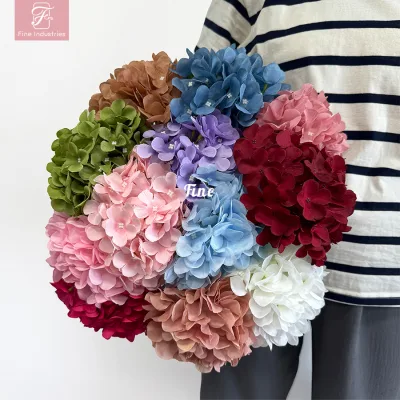


$0.48 - $5.00
MOQ: 1000 piece

Comprehensive Sourcing Guide
Organic Whole Rose Flower Sourcing Guide
Sourcing organic whole rose flowers presents a unique challenge in the B2B marketplace, primarily due to the significant divergence between the core keyword and the available commercial inventory. The term "Organic Whole Rose Flower" typically implies a natural, dried, or preserved botanical product intended for culinary, cosmetic, or high-end decorative use, where the integrity of the natural plant structure is paramount. However, an analysis of the current market data reveals that the dominant supply base consists of artificial floral products, specifically those constructed from plastic and fabric materials. Buyers must carefully distinguish between natural botanicals and synthetic alternatives, as the procurement strategies, quality controls, and end-use applications for these two categories are fundamentally different. The observed listings heavily feature artificial roses, tulips, and grasses, indicating that the market segment for "organic" products may be niche or represented by different terminology than what is currently trending in general floral supply chains.
To navigate this landscape effectively, procurement teams must first clarify their specific material requirements before engaging with suppliers. If the goal is to source genuine organic roses, buyers should expect to encounter a limited number of specialized botanical suppliers rather than the general artificial flower manufacturers that dominate the current search results. Conversely, if the objective is to source high-quality artificial roses that mimic the appearance of organic blooms, the available data provides a robust foundation for evaluation. The existing market offers a wide variety of artificial options, including fabric roses with plastic components, available in various colors such as pink, yellow, green, and white. Understanding this distinction is the first critical step in defining the scope of the sourcing project and ensuring that the subsequent technical and commercial evaluations are aligned with the actual product reality.
Product Scope and Observed Listing Signals
The current product landscape is characterized by a strong presence of artificial floral arrangements, with a specific emphasis on roses and tulips crafted from plastic and fabric blends. These products are marketed for home decoration, garden aesthetics, and festival applications, offering a durable and low-maintenance alternative to fresh flowers. The observed listings indicate a high degree of customization, with suppliers offering OEM and ODM services to accommodate specific brand requirements. This suggests that buyers looking for branded artificial floral solutions have ample opportunity to tailor product designs, colors, and packaging to their specific market needs. The availability of sample units further facilitates the evaluation process, allowing procurement teams to assess the tactile quality and visual appeal of the materials before committing to larger orders.
In addition to the floral products, the market also includes artificial grass and ground cloth solutions, which share some material similarities with the artificial flowers, such as the use of PP and PE materials. These products are designed for landscaping and recreational use, featuring complex ground cloths and medium yarn lengths to ensure a natural and comfortable touch. While distinct from the rose products, these items highlight the broader category of artificial greenery and landscaping solutions that often accompany floral decor in commercial settings. The presence of these related products suggests that many suppliers operate within a broader scope of artificial plant and landscape solutions, potentially offering bundled procurement opportunities for buyers looking to outfit entire spaces with consistent artificial greenery.
Technical Specifications to Verify
When evaluating artificial rose products, buyers must pay close attention to the material composition and structural integrity of the blooms. The observed listings specify materials such as plastic and fabric, which contribute to the durability and aesthetic appeal of the flowers. It is essential to verify the specific type of plastic and fabric used, as these materials can vary significantly in terms of texture, colorfastness, and resistance to environmental factors. For instance, some products may feature UV-resistant materials to prevent fading when displayed in sunlit areas, while others may be optimized for indoor use with softer, more delicate fabric blends. The height of the flowers, ranging from 30mm to 60cm, also plays a crucial role in determining their suitability for different applications, from small table centerpieces to large floor arrangements.
For artificial grass and ground cloth products, technical specifications such as yarn length, ground cloth complexity, and material grade are critical factors. The observed data indicates that these products are often classified under international standards, with certifications such as CE, SGS, TUV, Anti-Fire, Anti-UV, and Chromium Test. Buyers should verify the specific test results and certification documents to ensure that the products meet the safety and performance requirements of their target markets. Additionally, the warranty period, which ranges from 5 to 8 years for some artificial grass products, provides an indication of the manufacturer's confidence in the durability of their materials. Understanding these technical details is essential for making informed procurement decisions that align with the long-term performance expectations of the end product.
Compliance and Safety Documentation
Compliance and safety documentation are paramount when sourcing artificial floral and landscaping products, particularly for markets with strict regulatory requirements. The observed listings mention certifications such as CE, SGS, TUV, Anti-Fire, Anti-UV, and Chromium Test, which are critical for ensuring that the products meet international safety and environmental standards. Buyers should request copies of these certifications and verify their validity with the issuing bodies to ensure that the products are compliant with the regulations of their target markets. This is especially important for products intended for use in public spaces, educational institutions, or commercial establishments where fire safety and material toxicity are significant concerns.
In addition to product-specific certifications, buyers should also inquire about the manufacturing processes and quality control measures implemented by the suppliers. This includes verifying that the materials used are free from harmful substances and that the production processes adhere to environmental and labor standards. For organic rose products, if they are indeed available, buyers must ensure that the organic certification is valid and recognized by the relevant authorities in their market. This involves verifying the supply chain integrity and ensuring that the organic claims are supported by credible documentation. By prioritizing compliance and safety, buyers can mitigate risks and ensure that their procurement activities align with ethical and regulatory expectations.
Cost Drivers and Commercial Terms
The cost of artificial floral and landscaping products is influenced by several factors, including material quality, customization requirements, and order volume. The observed price range of 0.08 to 18.37 USD reflects the diversity of products available, from simple plastic flowers to more complex fabric and design combinations. Buyers should consider the total cost of ownership, including shipping, packaging, and potential customization fees, when evaluating the cost-effectiveness of different suppliers. The minimum order quantity (MOQ) ranges from 5 to 3000 units, providing flexibility for buyers with varying volume requirements. Smaller MOQs may be suitable for testing new designs or fulfilling small-scale orders, while larger MOQs can offer economies of scale for bulk purchases.
Commercial terms such as payment methods, lead times, and return policies also play a significant role in the procurement decision. Buyers should negotiate clear terms that protect their interests and ensure timely delivery of the products. The availability of samples is a valuable feature that allows buyers to assess product quality before committing to large orders. Additionally, the offer of OEM and ODM services indicates that suppliers are willing to work closely with buyers to develop custom solutions. Understanding these commercial dynamics is essential for building a sustainable and cost-effective supply chain that meets the specific needs of the business.
Supplier Qualification and Quality Control
Supplier qualification is a critical step in ensuring the reliability and consistency of the procurement process. Buyers should conduct thorough due diligence on potential suppliers, including verifying their business registration, manufacturing capabilities, and quality control systems. The observed data indicates that suppliers are located in regions such as Jiangsu and Guangdong in China, which are known for their manufacturing expertise in plastic and fabric products. Buyers should visit the manufacturing facilities or request virtual tours to assess the production environment and quality control measures firsthand. This helps to ensure that the suppliers have the capacity and expertise to meet the specific requirements of the procurement project.
Quality control measures should be clearly defined and agreed upon with the suppliers before production begins. This includes establishing quality standards, inspection procedures, and acceptance criteria for the products. Buyers should also consider implementing third-party inspection services to verify the quality of the products before shipment. This helps to identify and address any quality issues early in the process, reducing the risk of receiving defective or non-compliant products. By prioritizing supplier qualification and quality control, buyers can build a robust supply chain that delivers consistent and high-quality products.
Long-Term Procurement Checks
Long-term procurement success depends on the ability to monitor and evaluate supplier performance over time. Buyers should establish key performance indicators (KPIs) to track metrics such as on-time delivery, product quality, and responsiveness to issues. Regular performance reviews should be conducted to identify areas for improvement and to reinforce positive behaviors. This helps to ensure that the suppliers remain committed to meeting the buyer's expectations and continuously improving their services. Additionally, buyers should maintain open communication channels with their suppliers to address any concerns or changes in requirements promptly.
As market trends and customer preferences evolve, buyers should remain flexible and adaptable in their procurement strategies. This may involve exploring new suppliers, negotiating better terms, or adjusting product specifications to meet changing demands. By staying informed about industry developments and maintaining a proactive approach to supplier management, buyers can ensure that their procurement activities continue to support the long-term success of their business. The ability to adapt to changing market conditions and maintain strong supplier relationships is essential for achieving sustainable procurement outcomes.
FAQs
What materials are used for the artificial rose flowers?
The artificial rose flowers are constructed from plastic and fabric materials. Some variations also utilize PP and PE materials to ensure durability and a realistic appearance for home decoration and garden use.
Can I request custom logo printing on the flowers?
Custom logo printing is available for these artificial flowers. While some listings indicate no logo printing, the product attributes confirm that OEM and ODM services are accepted for custom branding needs.
What is the minimum order quantity for these flowers?
The minimum order quantity varies between 5 and 3000 units depending on the specific product model. One specific listing indicates a minimum order of 480 pieces for the fabric rose wholesale option.
Which certifications do the artificial grass products hold?
The artificial grass products hold CE, SGS, TUV, Anti-Fire, Anti-UV, and Chromium Test certifications. These standards ensure the products meet international safety and quality requirements for landscaping and recreation.
How are the artificial flowers packaged for shipping?
The artificial flowers are packaged in cartons or standard export cartons. This packaging method ensures the products remain protected during transit from the manufacturing origin in China to the destination.
What are the available colors for the artificial roses?
The artificial roses are available in yellow green, white, pink, and colorful variations. These color options allow buyers to select the perfect shade for home decoration, festivals, or landscaping projects.
Where are these artificial flowers manufactured?
These artificial flowers are manufactured in China, specifically in Jiangsu and Guangdong provinces. The products are exported to main markets including Europe, Russia, Latin America, Africa, and Asia.