Find Oxygen Permeability Testing OTR Tester for Packaging, Films, and Containers
Source 30 Oxygen Permeability Testing OTR Tester units from verified manufacturers. Compare models like S403H and OTR-D3 for ASTM D3985 compliance, varying control types, and sample thickness capabilities to suit diverse material testing needs.
Key considerations
Products List

OTR Tester Oxygen Gas Transmission Rate Tester with Coulomb Oxygen Sensor
$15000.00 - $65000.00
MOQ: 1 Sets


Bottle Packaging Container Oxygen Permeability Tester with ASTM Standard
$10000.00 - $40000.00
MOQ: 1 Sets


Plastic Film Package OTR Tester Oxygen Transmission Rate Tester for Sale
$10000.00 - $40000.00
MOQ: 1 Sets

ASTM D3985 International Standard Oxygen Permeability Tester OTR Tester for Films
$15000.00 - $65000.00
MOQ: 1 Sets


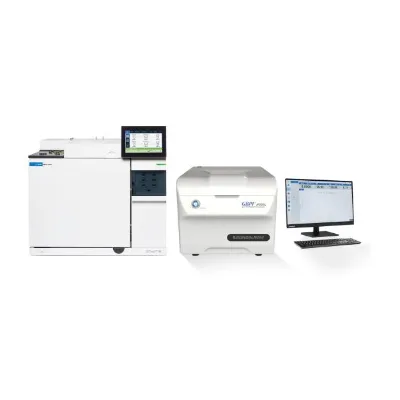
Electronic Hydrogen Permeation Analysis Device for ASTM Standard Hydrogen Permeability Testing
$45895.56 - $152985.19
MOQ: 1 Minimum


Hst-Opt200 OTR Tester Plastic Film Oxygen Transmission Rate Analyzer
$9000.00 - $10000.00
MOQ: 1 Pieces

Direct Supply Hst-Opt200 OTR Analyzer Plastic Film Oxygen Permeation Test Instrument
$9000.00 - $10000.00
MOQ: 1 Pieces

Hst-Opt200 Oxygen Permeability Tester ASTM D3985 ISO15105-2 OTR Tester for Food Packaging Film
$9000.00 - $10000.00
MOQ: 1 Pieces

ASTM D3985 OTR Oxygen Permeability Analyzer China Manufacturer Price
$15000.00 - $47000.00
MOQ: 1 Sets

Pubtester ASTM D3985 Coulometric Sensor Method OTR Oxygen Permeability Tester China Manufacturer
$15000.00 - $47000.00
MOQ: 1 Sets


Pubtester ASTM F1307 Coulometric Sensor Method OTR Oxygen Permeability Tester China Manufacturer
$15000.00 - $47000.00
MOQ: 1 Sets

Gtr-G1 Gtr Tester Gas Permeability Tester Gas Transmission Rate Tester
$14000.00 - $58000.00
MOQ: 1 Pieces


Smart Air Permeability Tester Permeability Test Instrument Zty Foundry Sand Test Equipment
$3000.00 - $8000.00
MOQ: 1 Pieces


Comprehensive Sourcing Guide
Strategic Sourcing Guide for Oxygen Permeability Testing Equipment
Understanding the Technical Landscape of OTR Testers
When sourcing equipment for Oxygen Transmission Rate (OTR) testing, buyers must first distinguish between the specific functional requirements of their production environment and the broad capabilities of available machinery. The core keyword "Oxygen Permeability Testing OTR Tester" encompasses a diverse range of devices, from universal testing machines to specialized gas permeation analysis systems. Based on current market observations, these instruments vary significantly in their control mechanisms, sample handling capacities, and environmental constraints.
A critical technical differentiator is the control system. Some units operate on a Computer Control basis, offering automated data logging and complex protocol execution, while others utilize Manual Control, which may be preferable for simple, repetitive checks in environments where digital integration is not required. The sample handling capability is another vital specification. Available models demonstrate a Number of Sample capacity ranging from 1 to 3 units per cycle, with specific configurations allowing for Independent Sensor testing modes. This variability directly impacts throughput; a facility requiring high-volume screening must prioritize equipment with multi-sample capacity or rapid cycling capabilities.
Furthermore, the physical dimensions of the test chamber and the sample size constraints are non-negotiable parameters. Observed specifications indicate a Test Area of 50 Cm2 for certain universal testing machines, while specialized permeability testers may feature different chamber dimensions. The Sample Size is frequently standardized at 97 mm X 97 mm, though Customization Is Available for non-standard packaging. Similarly, Sample Thickness is often limited to ≤ 3 mm or <3 mm, with customization options existing for thicker materials. Buyers must verify that the selected machine's Dimension Size aligns with their physical product constraints, as units like the S403H and S401 models present distinct physical footprints, such as 580750460 mm or 370700300 mm.
Compliance Standards and Regulatory Verification
In the realm of material testing, adherence to international standards is the primary indicator of data reliability. When evaluating potential suppliers, buyers should prioritize equipment that explicitly supports recognized testing protocols. The supplied data highlights ASTM D3985 as a specific standard associated with certain universal testing machines. This standard is critical for determining the oxygen transmission rate of plastic film and sheeting. Additionally, general references to ASTM standards appear in the context of hydrogen gas permeation analysis systems, suggesting a broader compliance framework for gas testing applications.
However, buyers must exercise caution regarding certification claims. While background knowledge often associates ISO certifications (such as ISO 9001:2015 or ISO 17025) with high-quality manufacturing, these specific standards are not confirmed in the direct product facts provided. Therefore, procurement guidance dictates that buyers should not assume a supplier holds these certifications based solely on the product listing. Instead, the verification process must involve a direct request for current certification documents. The presence of a specific standard like ASTM D3985 in the product description is a strong positive signal, but it does not guarantee that the specific unit being purchased is calibrated to that standard without further validation.
Buyers should also investigate the Test Gas requirements. Some systems are designed to operate with 99.5% Oxygen, while others, such as the GTR systems, utilize 99.999% High Purity Nitrogen as a carrier gas. It is essential to note that in some configurations, the Test Gas is listed as being Outside of Supply Scope, meaning the buyer must source the appropriate high-purity gases separately. This distinction affects the total cost of ownership and the logistical planning for the testing facility. The Air Source Pressure requirement, noted as Greater Than or Equal 0.2MPa, is another compliance factor that must be verified against the facility's compressed air infrastructure.
Cost Drivers and Total Cost of Ownership Analysis
The pricing for oxygen permeability testing equipment exhibits a vast range, with observed listed prices spanning from 1 USD to 152,985.19 USD. This extreme variance indicates that the cost is driven by factors beyond the basic function of the device. The primary cost drivers include the complexity of the control system, the precision of the sensors, and the inclusion of specialized features like Digital Display and Resolution capabilities down to 0.001.
High-end systems, such as the Hydrogen Gas Permeation Analysis System GTR, likely command the upper end of the price spectrum due to their advanced Temperature Control Range of 15-55 centigrade and the ability to test multiple gas types including hydrogen, oxygen, and nitrogen. In contrast, basic universal testing machines with Manual Control and simpler Sample Quantity limits may fall into the lower price brackets. The Net Weight of the units also varies, ranging from 36 Kg to 60 Kg or 50kg, which can influence shipping costs and the need for reinforced flooring in the laboratory.
Beyond the initial purchase price, buyers must consider the Power Source requirements. Most units operate on AC220V or AC 220V 50Hz, which is standard for many regions, but facilities with different power grids may require transformers or adapters, adding to the installation cost. The Warranty period is another significant financial factor; a 2 years warranty is observed for certain models, which provides a baseline for risk mitigation. However, the Delivery Time of 7-15 Days suggests that lead times are relatively short, reducing the cost of capital tied up in waiting for equipment.
The prod_packing method, typically a Wooden Crate, adds to the shipping volume and cost. Buyers should also factor in the cost of consumables, such as the Test Gas, which is often not included in the supply scope. The Customized Support via OEM services may incur additional fees but can be essential for integrating the machine into existing production lines.
Typical Applications and Operational Scope
The versatility of oxygen permeability testers makes them suitable for a wide array of industries, primarily those concerned with packaging integrity and material safety. The Function of these devices is explicitly defined as testing gases such as hydrogen, oxygen, and nitrogen. This capability is indispensable for the food and beverage industry, where oxygen transmission rates determine shelf life. It is equally critical for the pharmaceutical sector, where moisture and oxygen barriers protect sensitive drugs, and for the electronics industry, where components must be shielded from oxidative degradation.
Specific applications include the testing of plastic films, sheets, and flexible packaging. The Sample Thickness limitation of ≤ 3 mm suggests these machines are optimized for thin-film applications rather than thick structural plastics. The Test Area of 50 Cm2 is a standard size for film testing, ensuring that the results are representative of the material's barrier properties without being skewed by edge effects.
The Temperature Control Range of 15-55 centigrade allows for testing under various environmental conditions, simulating real-world storage scenarios. This is particularly relevant for products that may be stored in hot climates or refrigerated environments. The Independent Sensor testing mode mentioned in the specifications allows for precise measurement of individual samples, which is crucial for quality control in high-volume manufacturing lines where consistency is paramount.
Supplier Evaluation and Origin Verification
When evaluating suppliers, the place of origin is a key data point. The supplied facts indicate origins in China, with specific mentions of Jinan Sandong and Guangdong, China. While these locations are hubs for manufacturing, buyers should verify the specific manufacturing capabilities of the supplier rather than relying on general regional data. The Brand names observed include Saicheng, GBPI, and Shandong Paratronix, indicating a competitive market with multiple players.
Buyers should scrutinize the Manufactor details to ensure the supplier has a track record of producing reliable testing equipment. The presence of OEM support suggests that the supplier is willing to customize products, which is a positive indicator of flexibility. However, the Customization Is Available note should be treated as a potential capability rather than a guarantee for every listed model. Buyers must confirm that the specific customization they require (e.g., non-standard sample sizes or unique gas configurations) is feasible for the chosen model.
The Number of Sample capacity and Testing Mode are also indicators of the supplier's focus. A supplier offering 3 samples per cycle with Independent Sensor technology is likely targeting high-throughput industrial clients, whereas a supplier focusing on 1 sample with Manual Control may be targeting smaller laboratories or educational institutions.
Quality Control and Long-Term Procurement Considerations
Ensuring long-term value requires a focus on quality control and maintenance. The Resolution of 0.001 is a critical metric for precision; buyers must verify that this resolution is maintained over the lifespan of the machine. The Digital Display feature aids in real-time monitoring, but the accuracy of the data depends on the calibration of the internal sensors. Regular calibration against known standards is essential to maintain the validity of test results.
The Warranty of 2 years provides a baseline for support, but buyers should inquire about the availability of spare parts and the cost of service contracts. The Net Weight and Dimension Size of the unit will influence the long-term logistics of moving the equipment if the facility layout changes. The Wooden Crate packing suggests robust shipping protection, but buyers should plan for the disposal or recycling of the crate after unboxing.
Finally, the Lead Time of 7-15 Days is a favorable factor for procurement planning, allowing for quick deployment. However, buyers should confirm if this lead time applies to customized orders, as Customization Is Available might extend the production schedule. The Standard compliance, specifically ASTM D3985, should be re-verified periodically to ensure the equipment remains up-to-date with evolving industry regulations. By focusing on these technical and operational details, buyers can make informed decisions that align with their specific quality and production requirements.
FAQs
What control options are available for oxygen permeability testing otr testers?
Available control options include both Computer Control and Manual Control systems. Computer control offers automated data logging, while manual control suits simple repetitive checks. Buyers must verify which specific model supports their required workflow before purchasing.
Which sample sizes and thicknesses can these testers accommodate?
Standard sample sizes are 97 mm by 97 mm, with customization available for non-standard dimensions. Sample thickness is typically limited to 3 mm or less, though customization exists for thicker materials. Always confirm specific constraints for your chosen model.
How many samples can the machine test in a single cycle?
The number of samples per cycle ranges from 1 to 3 depending on the specific configuration. Some models support independent sensor testing modes for simultaneous analysis. Select a unit with sufficient capacity to meet your production throughput requirements.
What standards do these oxygen permeability testing otr testers comply with?
Specific models comply with ASTM D3985 for plastic film and sheeting testing. General compliance with ASTM standards is also noted for hydrogen gas permeation systems. Buyers should request current calibration documents to verify standard adherence for their specific unit.
Can the test gas be supplied with the equipment?
Test gases like 99.5% oxygen are often listed as outside the supply scope and must be sourced separately. Carrier gases such as high purity nitrogen may be required for specific systems. Verify gas requirements and availability before finalizing your purchase.
What is the typical delivery time for these testing machines?
The typical delivery time ranges from 7 to 15 days for most models. This lead time allows for relatively quick deployment in your facility. Confirm the exact schedule with the supplier as it may vary based on customization or stock availability.
Which brands manufacture these oxygen permeability testing otr testers?
Observed brands include Saicheng, GBPI, and Shandong Paratronix. These manufacturers offer various models with different specifications and origins. Buyers should evaluate the specific track record and support services of each brand for their application.