Source Padded Waterproof Dog Collar for Home, Training, and Hiking
Compare 30 listings for a Padded Waterproof Dog Collar designed for home use, training sessions, and outdoor hiking. These options feature adjustable sizes, durable materials like PVC and nylon, and customization availability for bulk buyers.
Key considerations
Products List


$0.80 - $1.80
MOQ: 1000 Pieces


Comprehensive Sourcing Guide
Strategic Sourcing Guide for Padded Waterproof Dog Collars
Understanding Material Composition and Construction Standards
When sourcing padded waterproof dog collars, the primary technical differentiator lies in the material selection and the specific construction methods used to achieve water resistance without compromising comfort. The market offers a diverse range of materials, each presenting distinct advantages for specific procurement needs. Based on available product data, PVC (Polyvinyl Chloride) remains a prevalent choice for buyers seeking a highly waterproof and durable solution. These collars often feature a smooth surface that repels water effectively, making them suitable for wet environments or active dogs prone to rolling in mud. Conversely, Nylon is another widely observed material in this category. While inherently strong and flexible, Nylon-based collars often require specific coatings or weaving techniques to achieve the "waterproof" claim, or they may be paired with a waterproof lining to meet the core keyword requirements.
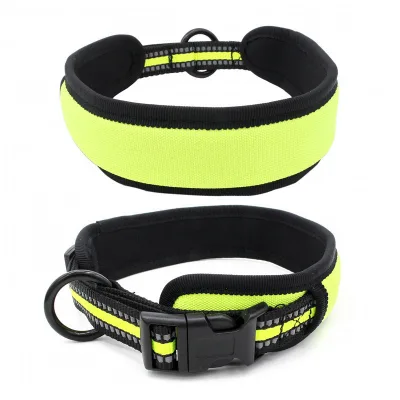
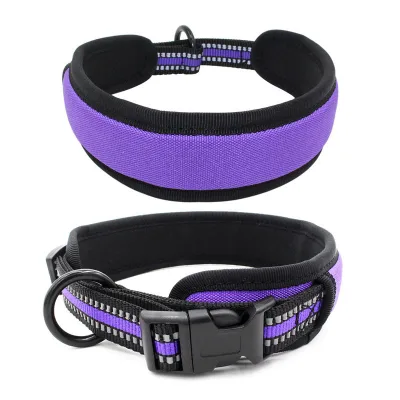
A third significant material option found in the supply chain is Neoprene. This synthetic rubber is particularly valued for its padding properties. Neoprene collars are frequently described as "soft" and "padded," offering superior comfort for the animal's neck while maintaining water resistance. The sourcing strategy should prioritize suppliers who can demonstrate the integrity of the padding layer. In many observed listings, the padding is integrated directly into the collar structure, ensuring that the collar remains flexible and does not become stiff when wet. The "padded" attribute is critical for preventing chafing, especially during long-term wear or high-intensity activities like hiking and training.
The construction of the collar also dictates its longevity and safety. The closure type is a vital specification to verify. While some products utilize a buckle system for quick adjustment, others may employ a zipper mechanism or a combination of both. The presence of a "quick release" feature is highly desirable for safety, allowing the collar to detach under pressure to prevent strangulation. Furthermore, the durability of the hardware, such as the buckles and D-rings, is a key factor. High-quality zinc alloy components are often cited as a feature, providing a sturdy connection point that resists corrosion from water exposure. Buyers must ensure that the metal components are treated to withstand moisture, as standard steel may rust quickly in wet conditions, compromising the collar's structural integrity.
Technical Specifications and Size Adaptability
Technical specifications for padded waterproof dog collars vary significantly to accommodate different breeds and sizes. The sizing strategy is often a blend of fixed measurements and adjustable designs. In the observed market data, specific size ranges such as S, M, L, and XL are common, alongside products explicitly labeled as "Adjustable." This flexibility is crucial for B2B buyers targeting a broad customer base, as it reduces the need for excessive inventory SKUs. Some products offer a fixed width, such as 2CM, which is ideal for smaller breeds or puppies, while larger breeds may require wider collars for better weight distribution and comfort.
The adjustability mechanism is another technical consideration. Collars that offer a wide range of adjustment allow for growth in puppies or fluctuations in a dog's weight, extending the product's usable life. The "Size: Adjustable" attribute observed in the data suggests that many suppliers prioritize versatility. However, buyers must verify the maximum and minimum circumference limits for each model to ensure they align with the target demographic. For instance, a collar designed for an adult pet may have a different adjustment range compared to one intended for training or specific breeds.
Width is a critical dimension that impacts both comfort and functionality. A width of 2CM is noted in specific product listings, indicating a slim profile suitable for smaller dogs or those requiring less bulk. However, for larger or more active dogs, a wider collar may be necessary to distribute the force of a leash pull more evenly across the neck. The padding thickness also correlates with the width; a thicker padding layer generally requires a wider collar to maintain structural balance. Buyers should request detailed dimension charts from suppliers to ensure that the padding does not interfere with the collar's ability to sit correctly on the dog's neck, which is essential for effective training and daily wear.
Compliance, Certification, and Safety Verification
In the B2B procurement of pet accessories, compliance and certification serve as critical indicators of supplier reliability and product safety. While specific certification data varies by supplier, the presence of ISO 9001 certification is a notable benchmark observed in the market. This standard indicates that the manufacturer has established a quality management system capable of consistently producing products that meet customer and regulatory requirements. For buyers sourcing from China, which is a primary origin point for many of these products, verifying ISO 9001 compliance is a prudent step to ensure that the manufacturing process adheres to international quality standards.
Beyond general quality management, buyers must investigate specific safety certifications related to pet products. While the provided data does not list specific chemical safety standards like REACH or CPSIA, these are often implied or required for export to Western markets. The "waterproof" and "padded" claims necessitate scrutiny of the materials used. PVC and Neoprene, for example, must be free from harmful phthalates and heavy metals, particularly since dogs may chew on their collars. Buyers should request test reports or material safety data sheets (MSDS) to confirm that the materials are non-toxic and safe for prolonged skin contact.
The "New" condition of the products is a standard expectation, but buyers should also verify that the products are free from manufacturing defects that could compromise safety. This includes checking for sharp edges on buckles, loose stitching, or weak points in the padding. The "Durable" and "Strong" attributes observed in product descriptions should be backed by tangible evidence, such as tensile strength tests or stress testing results. Suppliers who can provide third-party testing data for their specific models demonstrate a higher level of commitment to safety and quality. Additionally, the "Customized" nature of many collars means that buyers must ensure that any custom logos or colors do not introduce new safety risks, such as the use of toxic inks or adhesives.
Cost Drivers and Pricing Dynamics
The pricing of padded waterproof dog collars is influenced by a complex interplay of factors, including material costs, customization levels, and order volume. The observed price range in the market spans from approximately $0.43 to $17.85 USD, reflecting the vast diversity in product quality and specifications. The lower end of this spectrum typically corresponds to basic PVC or Nylon collars with minimal padding and standard hardware. These products are often mass-produced with high efficiency, allowing for lower unit costs but potentially sacrificing some comfort or durability features.
At the higher end of the price range, buyers can expect to find collars made from premium Neoprene with advanced padding, high-quality zinc alloy hardware, and sophisticated waterproofing technologies. The "Padded" and "Soft" attributes often command a premium price due to the additional material and labor required to create a comfortable product. Furthermore, the level of customization significantly impacts cost. Products that offer "Custom Logo Accepted," "Customized Color," or "Customized" branding options generally carry a higher price point. This is due to the setup costs associated with custom molds, printing, and the potential for lower production efficiency when running smaller, specialized batches.
Minimum Order Quantity (MOQ) is another critical cost driver. The observed MOQ range varies from as low as 2 units to as high as 3000 units. Suppliers with lower MOQs may charge a higher unit price to cover the fixed costs of production setup and logistics. Conversely, suppliers with higher MOQs, such as 500 or 200 pieces, often offer more competitive pricing. Buyers must balance their inventory needs with their budget constraints. For new market entrants, starting with a lower MOQ might be necessary to test the market, even if the unit cost is higher. For established buyers with consistent demand, negotiating for higher volumes can significantly reduce the per-unit cost. Additionally, the "Single package size" and "Single gross weight" of the product affect shipping costs, which should be factored into the total landed cost calculation.
Typical Applications and Market Segmentation
Padded waterproof dog collars serve a wide array of applications, catering to different segments of the pet market. The "Application" attributes observed in the data highlight several key use cases, including "Home," "Training," "Outdoor," and "PROTECT." These applications dictate the specific features buyers should prioritize when selecting products for their inventory.
For the "Home" segment, comfort and aesthetics are paramount. Collars in this category often feature soft padding and a variety of colors, such as Red, Black, Blue, and Green, to match the owner's style preferences. The "Simple" and "Popular" styles observed in the data suggest that these collars are designed for everyday wear, where the dog is not subjected to extreme conditions. The "Waterproof" feature is still valuable here to protect the collar from accidental spills or outdoor play.
The "Training" segment requires collars that are durable and easy to handle. The "Easy Using" and "Quick Release" features are essential for trainers who need to adjust or remove collars quickly. The "Strong Elastic Bands" and "Sturdy Zinc Alloy" components observed in some listings are particularly relevant for this application, as they provide the necessary strength to withstand the rigors of training sessions. The "Adjustable" size is also crucial for training collars, as they may need to fit dogs of varying sizes or accommodate growth during the training process.
For "Outdoor" and "PROTECT" applications, the focus shifts to durability and weather resistance. Collars designed for hiking, running, and walking must be robust enough to withstand rough terrain and adverse weather conditions. The "Waterproof" and "Durable" attributes are non-negotiable in this segment. The "Padded" feature remains important to prevent chafing during long outdoor excursions. The "Neoprene" material is particularly well-suited for this application due to its inherent water resistance and cushioning properties. Buyers targeting this segment should look for collars with reinforced stitching and high-quality hardware that can withstand the elements.
Supplier Evaluation and Quality Control Protocols
Evaluating suppliers for padded waterproof dog collars requires a rigorous approach to ensure that the products meet the required standards. The "prod_origin" data indicates that many suppliers are based in China, with specific mentions of "China Mainland" and "Guangdong, China." While this region is a hub for pet product manufacturing, it is essential to verify the supplier's production capabilities and quality control processes. Buyers should request a factory audit or a virtual tour to assess the manufacturing environment, equipment, and workforce expertise.
Quality control should be a continuous process, not just a final inspection. Buyers should inquire about the supplier's in-process quality checks, such as material inspection, stitching verification, and hardware testing. The "Pass The ISO9001" certification is a positive indicator, but it should be complemented by specific quality control protocols for pet products. This includes testing for color fastness, tensile strength, and water resistance. Buyers should also verify that the supplier has a system in place for handling defects and returns, ensuring that any non-conforming products are identified and addressed promptly.
The "Customization" capabilities of the supplier are another critical factor. Suppliers who offer "Custom Logo Accepted" and "Customized Color" options should have a well-defined process for managing these requests. This includes the ability to produce samples for approval before mass production, ensuring that the final product matches the buyer's specifications. The "prod_packing" details, such as "Carton" or "Box Package," should also be verified to ensure that the products are packaged securely to prevent damage during transit.
Long-Term Procurement and Inventory Management
Sourcing padded waterproof dog collars is not just a one-time transaction but a long-term partnership that requires strategic planning. The "MOQ" and "Lead Time" factors play a significant role in inventory management. Buyers must balance the need for a steady supply with the risk of overstocking. The observed MOQ range of 2 to 3000 units offers flexibility, but buyers should negotiate terms that allow for smaller, more frequent orders if their sales volume is unpredictable.
The "Customized" nature of many collars means that inventory management can be more complex. Buyers should maintain a clear record of custom specifications, including colors, logos, and sizes, to ensure that reorders are accurate. The "Single package size" and "Single gross weight" data are essential for calculating storage and shipping costs, which can impact the overall profitability of the product line.
Long-term success also depends on the ability to adapt to market trends. The "Style" attributes, such as "Simple" and "Popular," suggest that buyers should stay informed about changing consumer preferences. Regularly reviewing sales data and customer feedback can help buyers identify which products are performing well and which may need to be discontinued or modified. By maintaining a flexible and responsive supply chain, buyers can ensure that their inventory remains relevant and competitive in the market.
In conclusion, sourcing padded waterproof dog collars requires a comprehensive understanding of materials, specifications, compliance, and market dynamics. By carefully evaluating suppliers and implementing robust quality control measures, buyers can build a successful product line that meets the needs of pet owners while maintaining high standards of safety and durability.
FAQs
What materials are used for padded waterproof dog collars?
Common materials include PVC, Nylon, and Neoprene. PVC offers high water resistance, while Neoprene provides soft padding and flexibility. Nylon requires specific coatings to achieve waterproofing and is often used for durability.
Which closure types are available for these collars?
Buckle closures are the most common type found in the market. Some products also feature zipper mechanisms or quick-release systems. The choice depends on the specific model and intended use for safety and adjustment.
Can I find collars with adjustable sizes for different breeds?
Yes, many options are available with adjustable sizes or fixed sizes like S, M, L, and XL. Some products explicitly state adjustable features to accommodate growth or varying neck circumferences for different dog breeds.
What is the typical minimum order quantity for custom collars?
MOQs vary significantly, ranging from as low as 2 units up to 3000 units depending on the supplier. Custom orders often have specific thresholds, such as 200 or 500 pieces, to cover setup costs for branding.
Are these collars suitable for outdoor training and hiking?
Yes, they are designed for applications including outdoor activities, training, and protection. Features like waterproofing, durability, and padded comfort make them ideal for hiking, running, and walking in various weather conditions.
Which certifications do manufacturers typically hold for quality?
Some manufacturers hold ISO 9001 certification to ensure consistent quality management systems. While specific safety standards like REACH are not always listed, buyers should request test reports to verify material safety for pets.
What is the price range for these products per unit?
The observed price range spans from approximately 0.43 to 17.85 USD per unit. Costs depend on material quality, customization levels, and order volume, with premium Neoprene options generally costing more than basic PVC versions.