Source Palestine Map Pendant Necklace for Gifts, Events, and Weddings
Find 30 options for the Palestine Map Pendant Necklace, featuring adjustable lengths, various plating finishes, and classic designs. Compare specifications from suppliers in Guangdong to identify suitable pieces for anniversaries, parties, and personal collections.
Key considerations
Products List
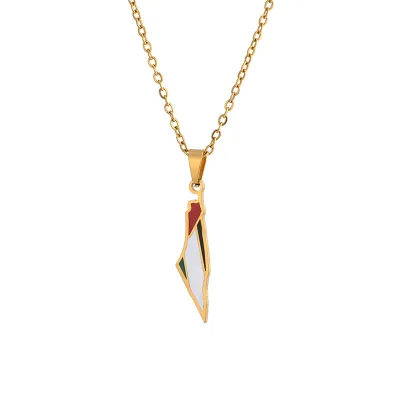
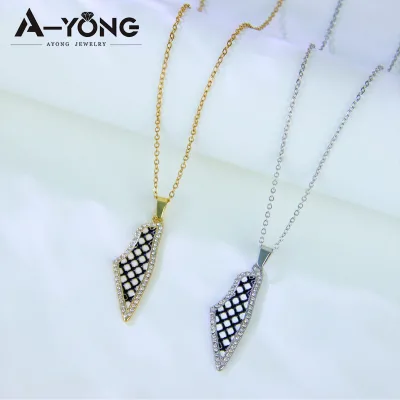
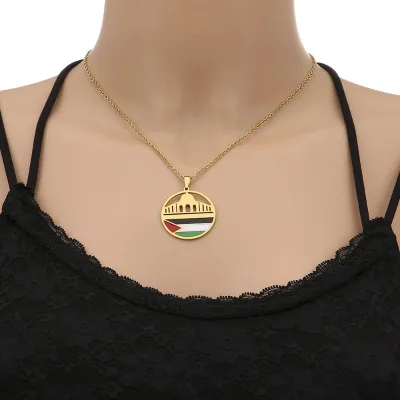
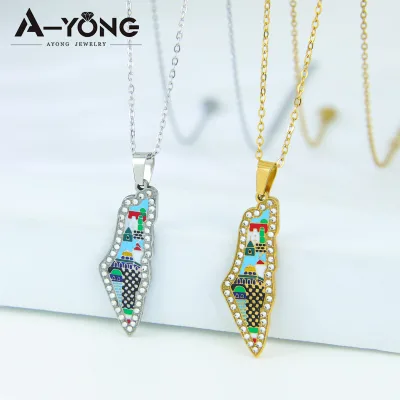
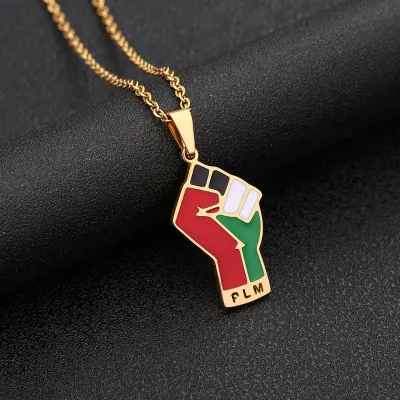
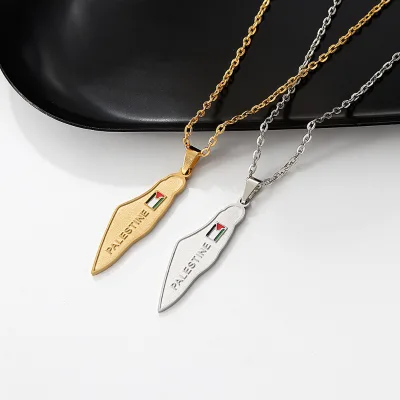
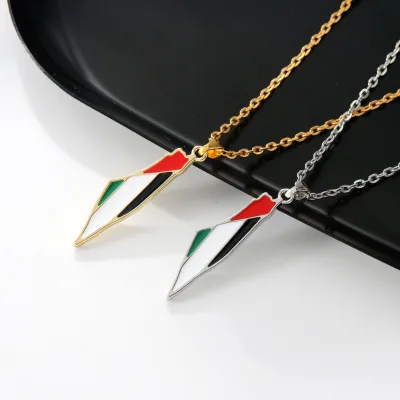
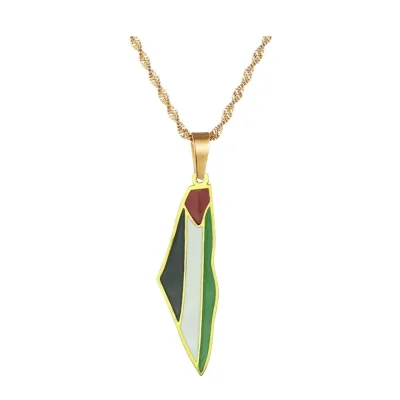
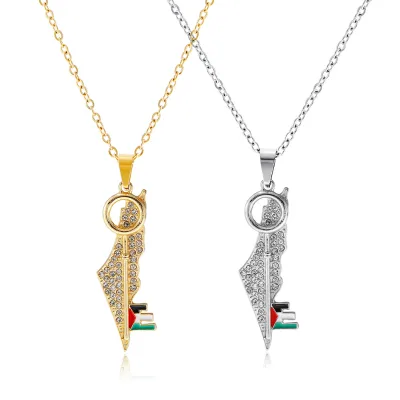
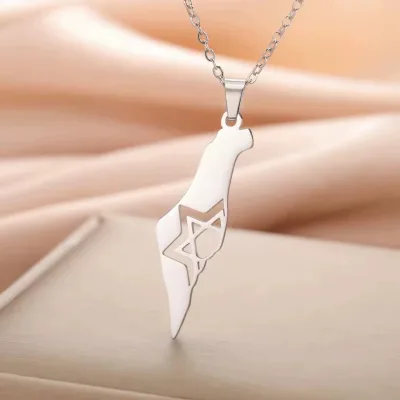


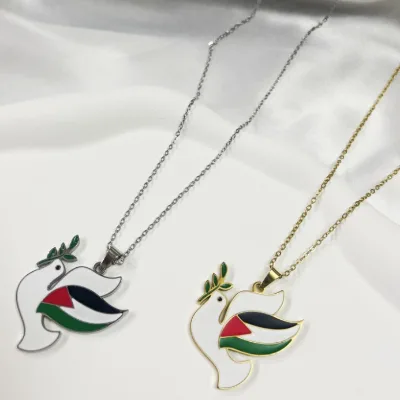
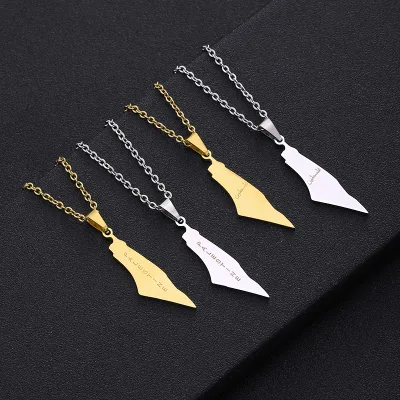
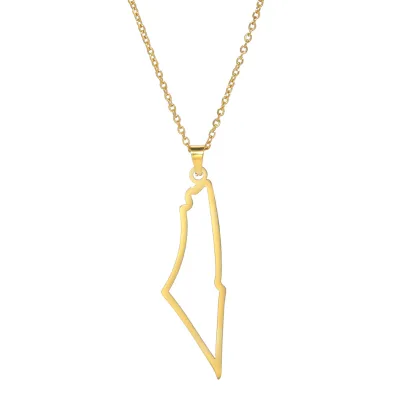
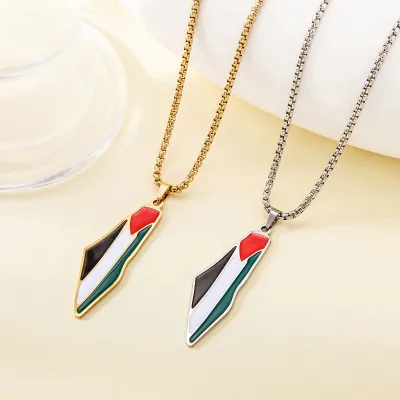
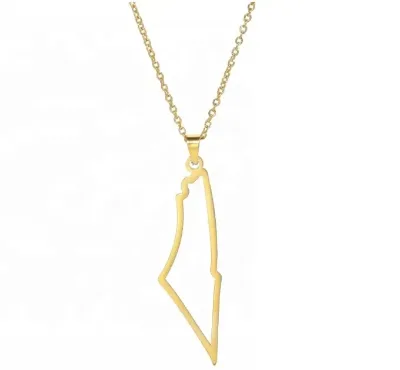
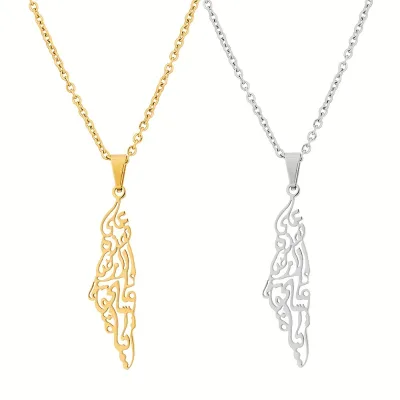
High Quality Fashion Jewelry Stainless Steel Palestine Map Pendant Necklace
$1.78 - $1.92
MOQ: 12 Minimum
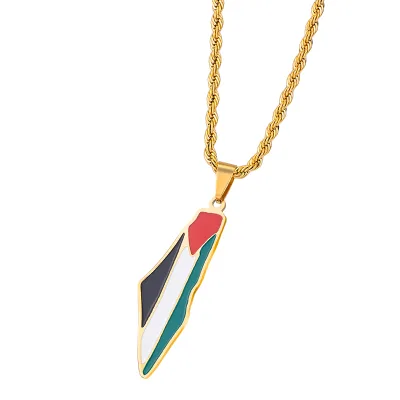
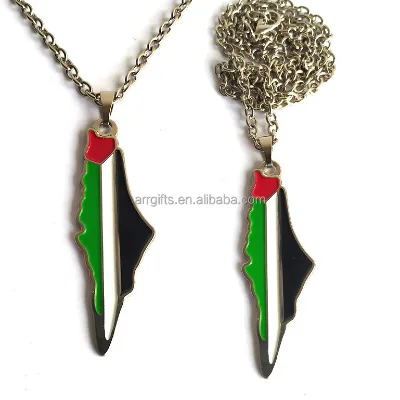
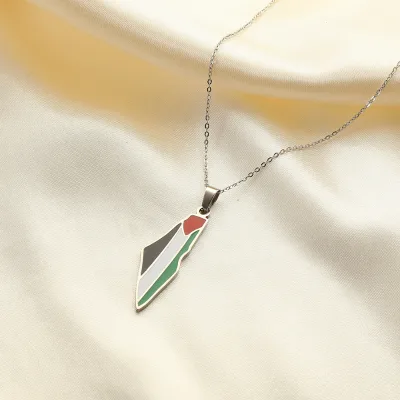
Palestine Necklace Palestine Map National Flag Charm Necklace Palestine Car Ornaments
$0.41 - $0.81
MOQ: 100 Minimum
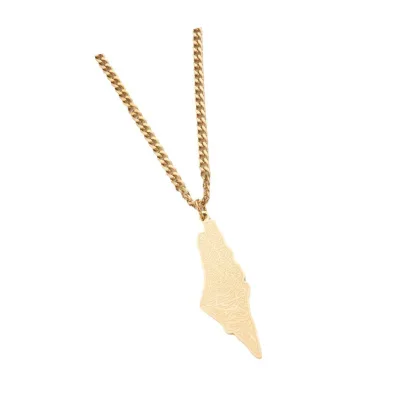
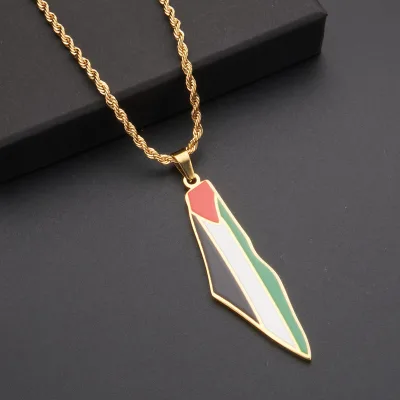
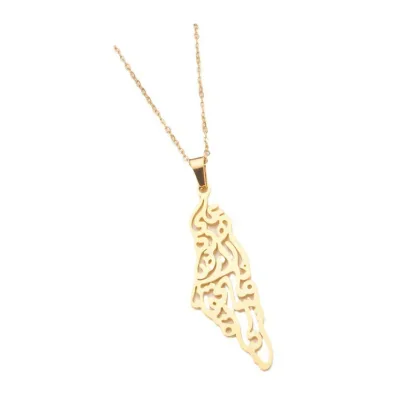
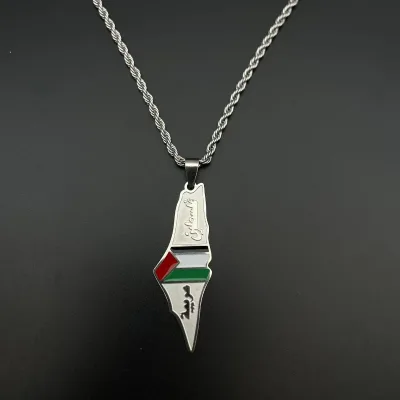


Comprehensive Sourcing Guide
Palestine Map Pendant Necklace Sourcing Guide
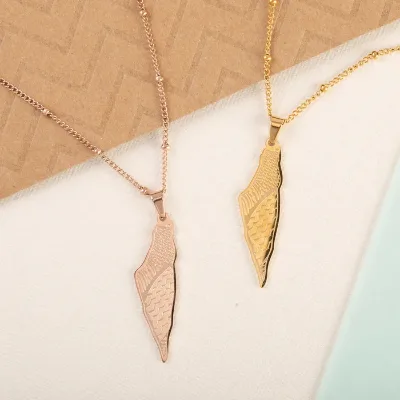
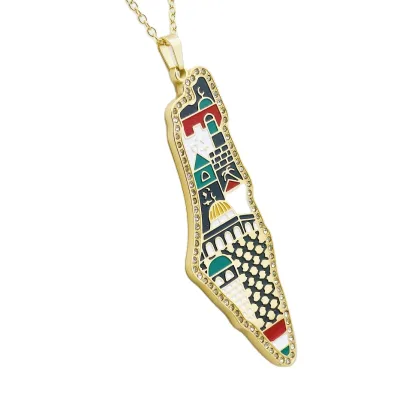
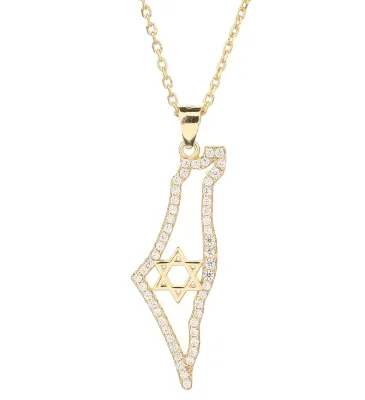
Sourcing a Palestine Map Pendant Necklace requires a nuanced understanding of the intersection between symbolic jewelry design and mass-market manufacturing capabilities. These items are not merely accessories; they are often purchased for political expression, cultural solidarity, or as commemorative gifts, which places them in a unique category within the broader jewelry market. Buyers must recognize that the aesthetic appeal of these pieces—often featuring intricate map outlines, zircon inlays, and specific plating finishes—demands suppliers who specialize in both alloy casting and detailed surface treatment. The core keyword "Palestine Map Pendant Necklace" signals a product line that blends religious or cultural significance with fashion-forward design elements, such as vintage styles or classic minimalist aesthetics.
The procurement landscape for this specific item is characterized by a high degree of customization and a wide variance in material quality. Suppliers, predominantly located in manufacturing hubs like Guangdong, China, offer a spectrum of options ranging from stainless steel to zinc alloy bases, with plating options including 18K gold, rose gold, and rhodium. This variability means that a buyer cannot assume uniformity across different suppliers or even different batches from the same supplier. The decision to source these necklaces involves balancing the symbolic weight of the product with the practical realities of supply chain reliability, ensuring that the final product meets both the visual expectations of the end consumer and the regulatory requirements of the target market.
Product Scope and Observed Listing Signals
The observed market signals indicate a diverse product range centered around the map motif, with specific variations such as the "Palestine Watermelon pendant Necklace" and standard map outlines. Listings frequently highlight key design attributes such as "fashion," "classic," and "vintage" styles, suggesting that the target audience values aesthetic versatility alongside symbolic meaning. The use of oval-cut zircon as a main stone is a common feature, adding a touch of luxury to the typically affordable alloy base materials. Buyers should note that the term "pendant necklace" is used interchangeably with "pendan necklace," indicating a need for careful keyword matching when searching for suppliers or analyzing competitor listings. The presence of unisex gender targeting further expands the potential market reach, allowing for broader marketing strategies that do not restrict the product to a single demographic.
Material composition is a critical differentiator in this product scope, with listings explicitly stating jewelry main materials such as stainless steel and zinc alloy. The plating options are extensive, ranging from 18K gold plated to titanium and rhodium plated finishes, which directly impacts the perceived value and durability of the item. Observations show that chain types vary, with box chains and link chains being the most common pairings for these pendants. Additionally, the inclusion of religious type attributes, such as "Islam," suggests that some designs may incorporate broader cultural or religious symbolism beyond the geographic map itself. Buyers must carefully review product images and descriptions to distinguish between simple map outlines and more complex designs that may include additional decorative elements or text, as these variations significantly affect production complexity and cost.
Technical Specifications to Verify
Length and adjustability are primary technical specifications that require verification, as listings show a range from fixed lengths like 18 inches and 20 inches to fully adjustable options. The single package size also varies significantly, with some items packaged in compact 1x1x1 cm boxes while others require larger 29x21x3 cm packaging, which has direct implications for shipping costs and storage efficiency. Buyers should confirm the exact model numbers, such as A88, A92, or SS0167, to ensure accurate reordering and inventory management. The inlay technology, specifically claw setting for zircon stones, is a crucial detail that affects both the security of the stones and the overall durability of the pendant during daily wear.
Weight and dimensional accuracy are equally important for quality control, with observed single gross weights ranging from 0.015 kg to 0.025 kg. These slight variations can indicate differences in material density or plating thickness, which buyers should monitor to maintain consistency in their product offerings. The diamond shape, often listed as oval cut or other, must be verified against physical samples to ensure it matches the marketing imagery. Furthermore, the customization of size is frequently offered, allowing buyers to tailor the pendant dimensions to specific brand requirements. It is essential to verify whether the "customized size" refers to the chain length, the pendant dimensions, or both, as this affects the tooling and setup costs for the supplier.
Compliance and Safety Documentation
Compliance and safety are paramount when importing jewelry, particularly items that may be marketed to younger audiences or used in religious contexts. Buyers must verify the certificate types provided by suppliers, with Aigs certification mentioned in some listings, though the specific scope and recognition of this certification in the buyer's target market must be confirmed. The use of zinc alloy and stainless steel as main materials generally aligns with standard jewelry safety regulations, but the plating processes introduce potential risks related to heavy metal content, such as lead or cadmium, which are restricted in many jurisdictions. Buyers should request detailed material safety data sheets and third-party test reports to ensure that the 18K gold plated or other finishes do not contain prohibited substances.
The religious and cultural nature of the product adds another layer of compliance consideration, particularly regarding marketing claims and labeling. While the product itself may not require specific religious certification, the way it is marketed must adhere to local advertising standards and cultural sensitivity laws. Buyers should ensure that suppliers do not make unauthorized claims about religious significance or authenticity that could lead to legal issues in certain markets. Additionally, the OEM/ODM services offered by suppliers must be managed carefully to ensure that any custom designs or modifications do not infringe on existing intellectual property rights or violate local laws regarding political or religious symbolism.
Cost Drivers and Commercial Terms
The cost of sourcing Palestine map pendant necklaces is driven primarily by material choices, plating quality, and order volume. The observed price range of $0.35 to $4.01 USD reflects the significant variance between basic zinc alloy pieces with simple plating and more premium stainless steel options with intricate zircon inlays and thicker gold plating. Buyers should understand that lower prices often correlate with thinner plating or lower-grade alloys, which may result in faster tarnishing or skin irritation for end consumers. The MOQ range of 1 to 120 units offers flexibility for small businesses and dropshippers, but larger orders may unlock better pricing tiers and more favorable customization options.
Commercial terms such as payment methods and shipping logistics also play a crucial role in the total cost of ownership. Suppliers commonly accept T/T and Western Union, which are standard for international trade but require careful financial management to mitigate risk. The single item selling unit structure simplifies inventory tracking but may increase per-unit shipping costs if not consolidated effectively. Buyers should negotiate clear terms regarding sample costs, production lead times, and return policies for defective items. Additionally, the customization services offered, including OEM/ODM, may incur additional setup fees or minimum order requirements, which should be factored into the overall budget planning.
Supplier Qualification and Quality Control
Qualifying suppliers for Palestine map pendant necklaces requires a rigorous assessment of their manufacturing capabilities and quality control processes. Buyers should prioritize suppliers who demonstrate experience in both alloy casting and detailed plating, as these are the two most critical aspects of the product's durability and appearance. The mention of OEM/ODM services indicates that many suppliers are equipped to handle custom orders, but buyers must verify their ability to maintain consistency across batches. Requesting physical samples is essential to evaluate the quality of the claw setting, the accuracy of the map design, and the adherence to specified colors and plating finishes.
Quality control should extend beyond the initial sample approval to include in-process inspections and final random inspections before shipment. Buyers should establish clear acceptance criteria for common defects such as loose stones, uneven plating, or chain breakage. Given the low weight and small size of the items, packaging integrity is also a key quality metric, as damage during transit can render the product unsellable. Suppliers who provide detailed single package dimensions and gross weights are more likely to have robust packaging protocols in place. Building a long-term relationship with a supplier who can consistently meet these quality standards is crucial for maintaining brand reputation in the competitive jewelry market.
Long-Term Procurement Checks
Long-term procurement of Palestine map pendant necklaces requires ongoing monitoring of market trends and supplier performance. The fashion and vintage styles associated with these items are subject to changing consumer preferences, so buyers must stay attuned to shifts in design aesthetics and material popularity. Regularly reviewing supplier performance metrics, such as on-time delivery rates and defect percentages, is essential for identifying potential issues before they impact the supply chain. Buyers should also periodically re-evaluate the compliance status of their suppliers, especially if they plan to expand into new markets with stricter regulatory requirements.
Sustainability and ethical sourcing are increasingly important factors in the jewelry industry, and buyers should consider incorporating these considerations into their long-term strategy. This may involve verifying that suppliers adhere to responsible sourcing practices for their raw materials and plating chemicals. Additionally, buyers should explore opportunities for product differentiation through unique design collaborations or limited edition releases, leveraging the customization capabilities of their suppliers. By maintaining a proactive approach to supplier management and market analysis, buyers can ensure a steady supply of high-quality Palestine map pendant necklaces that meet the evolving needs of their customers.
FAQs
What materials are used for the Palestine Map Pendant Necklace?
The necklace is primarily made of stainless steel and zinc alloy. Some versions feature 18K gold plating or other plating options like rhodium and rose gold. The main stone used is zircon, set with claw setting technology for durability.
Which certifications are available for this jewelry product?
The product comes with Aigs certification type. This ensures quality standards are met for the jewelry items. Buyers can verify these details when sourcing specific batches to ensure compliance with international trade requirements.
How can I customize the size of the necklace?
Customized sizes are available for this product line. The manufacturer supports OEM and ODM services for customization. Buyers can request specific dimensions to meet their unique design requirements or market needs.
What is the minimum order quantity for this item?
The minimum order quantity ranges from 1 to 120 units depending on the specific supplier and product variant. This flexibility allows buyers to start with small orders or scale up production as needed for their business.
Where is the place of origin for these necklaces?
The place of origin is Guangdong, China. This region is known for its jewelry manufacturing capabilities. Buyers sourcing from this location can expect established supply chains and experienced production facilities.
Can I get the necklace with different plating options?
Yes, multiple plating options are available including 18K gold, silver, platinum, and rose gold. The specific plating depends on the model selected. Buyers should check the product specifications for the exact plating details of each variant.
What is the single package size for the product?
The single package size varies, with examples showing 29x21x3 cm or 1x1x1 cm depending on the item. The gross weight is typically around 0.015 to 0.025 kg. These dimensions help in planning logistics and shipping costs.