Source Palestine Enamel Lapel Pin for Souvenirs, Clothing, and Collectibles
Find and compare 30 options for the Palestine Enamel Lapel Pin, featuring custom designs, metal materials, and various plating finishes. Buyers can evaluate specifications like size, attachment types, and OEM/ODM capabilities to select suitable promotional gifts and souvenirs.
Key considerations
Products List
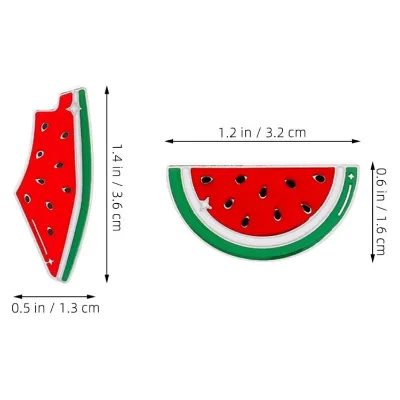
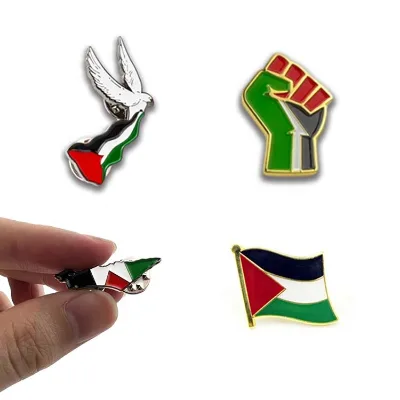
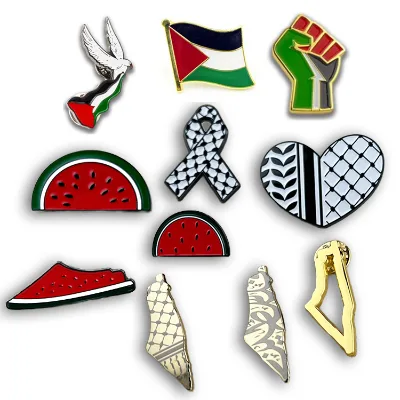
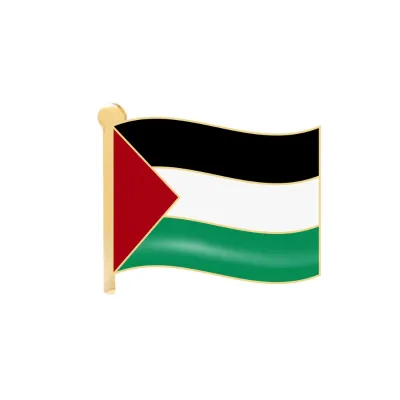


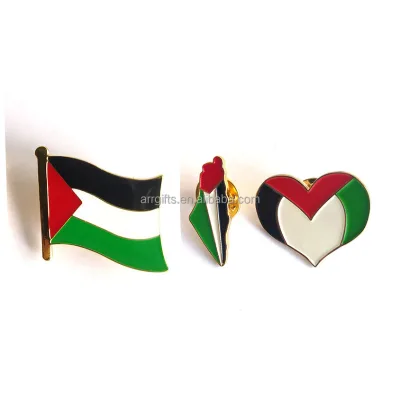
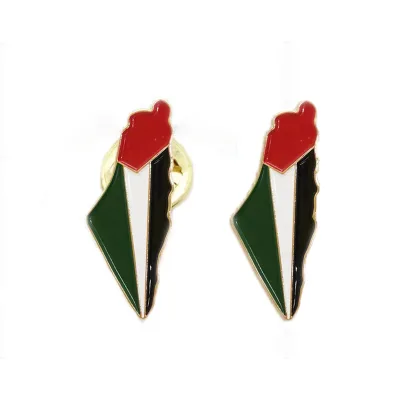
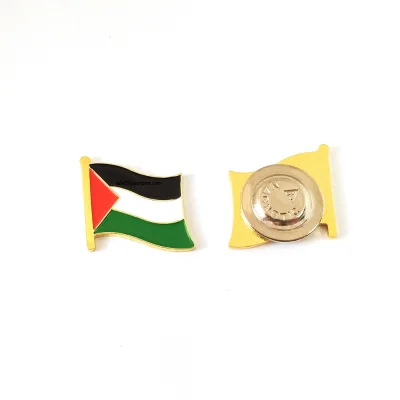
Free Mold Metal Craft Palestine Flag Lapel Pin Palestine National Day Magnet Pin
$0.33 - $0.61
MOQ: 300 Minimum
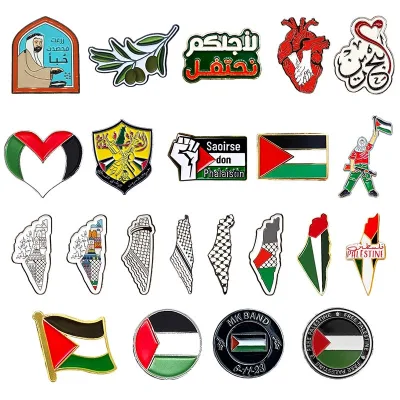




Comprehensive Sourcing Guide
Palestine Enamel Lapel Pin Sourcing Guide
The procurement of palestine enamel lapel pins requires a clear understanding of the specific manufacturing techniques and material constraints observed in the current market. Buyers must recognize that these items are primarily produced using metal casting, die stamping, and hard or soft enamel processes, often finished with gold, silver, black, or antique plating. The product is frequently categorized as a flag-style accessory, with dimensions ranging from standard 22x29mm sizes to fully custom specifications, necessitating precise communication of design requirements to avoid production errors.
Sourcing decisions should be grounded in the observation that these pins are typically manufactured in Guangdong, China, with a strong emphasis on OEM and ODM capabilities. The market offers a wide variety of attachment methods, most commonly a pin back paired with a butterfly clutch, though single-sided and custom shape options are also available. Procurement teams must verify that the supplier can accommodate custom designs and logos, as the product is heavily utilized for promotion gifts, clothing accessories, and art collectibles, requiring a high degree of customization flexibility.
Product Scope and Observed Listing Signals
Buyers should expect a diverse range of listing signals indicating that these pins are available in various material compositions, including standard metal and stainless steel options. The observed product attributes suggest that while some listings specify a single gross weight of 0.5 kg or 0.3 kg, others indicate a weight of 5g, highlighting the need to confirm the actual mass of the specific unit being ordered. This variance in weight data often correlates with the complexity of the design, the density of the metal used, and the thickness of the enamel application, which directly impacts shipping costs and packaging requirements.
The commercial listings reveal significant variability in minimum order quantities (MOQ), with observed ranges spanning from 50 pieces to 1,200 pieces, and some specific listings citing an MOQ of 100 pieces. This disparity requires buyers to align their order volume with the supplier's production capacity and pricing tiers, as smaller orders may incur higher per-unit costs or require special handling. Additionally, the presence of "ECO-FRIENDLY" features in some listings suggests that sustainability claims are emerging in this category, prompting buyers to request specific evidence regarding material sourcing and manufacturing waste management practices.
Technical Specifications to Verify
Verification of the printing and finishing techniques is critical, as the market lists multiple methods including letterpress, gravure, silk screen, digital, offset, UV, and thermal transfer printing. Buyers must confirm which specific technique is applied to their design, as the choice affects the durability of the graphics and the visual fidelity of the colors, particularly for complex flag designs or detailed logos. The observed data indicates that plating options such as gold, silver, black, and antique finishes are standard, but the specific plating thickness and adhesion quality must be validated through sample inspection to ensure long-term wear resistance.
Dimensional accuracy and packaging specifications are equally important, with observed single package sizes varying from 3.5x3.5x0.5 cm to 5x5x5 cm depending on the product configuration. Procurement teams should verify the exact dimensions of the finished pin, as some listings specify custom sizes while others adhere to standard measurements like 22x29mm. Furthermore, the attachment mechanism, typically described as a pin with a butterfly clutch, must be tested for security and ease of use, ensuring that the fastener will not detach during normal wear on clothing or promotional materials.
Compliance and Safety Documentation
While some product listings explicitly mention "ECO-FRIENDLY" features, buyers must request formal documentation to substantiate these environmental claims rather than relying on marketing text alone. In the context of metal enamel pins, this verification should include material safety data sheets (MSDS) and compliance certificates confirming that the metals and enamels used do not contain prohibited substances such as lead, cadmium, or nickel, which are common regulatory concerns in international trade. Without these documents, the product may face rejection at customs or in retail markets that enforce strict chemical safety standards for metal accessories.
Safety compliance also extends to the mechanical integrity of the pin, particularly the strength of the attachment mechanism and the sharpness of the pin point. Buyers should ensure that the supplier adheres to relevant safety standards for jewelry and promotional items, which often require testing for sharp edges and the durability of the clasp under repeated use. Although specific test results are not provided in the general listing data, the procurement process must include a requirement for third-party testing reports to verify that the product meets the safety regulations of the destination country.
Cost Drivers and Commercial Terms
The cost of these pins is heavily influenced by the chosen manufacturing technique, with die casting and die stamping combined with hard or soft enamel representing different cost structures. Buyers should anticipate that more complex designs requiring multiple colors, custom plating, or intricate embossing will drive up the unit price, while simpler single-color designs may benefit from economies of scale. The observed MOQ ranges from 50 to 1,200 pieces, meaning that the per-unit cost will fluctuate significantly based on the order volume, and buyers must negotiate pricing tiers that align with their specific budget and inventory needs.
Commercial terms regarding packaging and shipping must be clearly defined, as the observed single package sizes and weights vary widely, affecting logistics costs. Some listings indicate a single gross weight of 0.0 kg or 0.020 kg, while others show 0.5 kg, suggesting that the weight data may include or exclude packaging materials. Procurement teams should clarify whether the quoted price includes the 1pc/opp bag packaging or if additional bulk packaging is required for shipping, and ensure that the supplier's lead times are consistent with the project timeline to avoid delays in receiving promotional materials.
Supplier Qualification and Quality Control
Supplier qualification should focus on verifying the manufacturer's capability to handle custom designs and their experience with the specific techniques required for the project. The observed data indicates that many suppliers accept OEM and ODM requests, but buyers must confirm the supplier's ability to manage the full production cycle, from die creation to final plating and polishing. It is essential to request a portfolio of previous work, specifically looking for examples of flag-style pins or similar metal enamel products to assess the consistency of their craftsmanship and the quality of their enamel filling.
Quality control protocols must be established to ensure that the final product matches the approved sample in terms of color, size, and finish. Buyers should implement a pre-shipment inspection process that checks for common defects such as enamel overflow, plating scratches, or loose butterfly clutches. Given the variability in observed product attributes, such as different single package sizes and weights, the inspection should also verify that the packaging and labeling meet the specific requirements of the buyer, ensuring that the product is ready for immediate distribution or retail display.
Long-Term Procurement Checks
Establishing a long-term relationship with a supplier requires regular audits of their production capacity and quality consistency over time. Buyers should monitor the supplier's ability to maintain the same level of quality across multiple production runs, especially when scaling up orders from the initial MOQ to larger volumes. This involves tracking the defect rates and ensuring that the supplier can consistently deliver products that meet the specified technical requirements, such as the correct plating finish and the durability of the attachment mechanism.
Sustainability and ethical sourcing should be re-evaluated periodically, particularly if the supplier claims "ECO-FRIENDLY" features or uses specific materials like stainless steel. Buyers should request updated compliance documentation and verify that the supplier continues to adhere to environmental and labor standards as regulations evolve. Additionally, maintaining open communication regarding design trends and material innovations will help ensure that the procurement strategy remains competitive and aligned with the evolving market demands for promotional and collectible metal pins.
FAQs
What is the minimum order quantity for a Palestine Enamel Lapel Pin?
Listed minimum order quantities on this page range from 50 to 1200 pieces, with a common MOQ of 100 pieces per design. The exact MOQ depends on the technique, plating, and customization level you choose. Custom designs and special colorways may require higher quantities, so confirm MOQ with the supplier before requesting a quotation.
Can I customize the design of a Palestine Enamel Lapel Pin?
Yes, custom designs are accepted, and OEM or ODM services are available. You can submit your own artwork for the flag style pin, choose custom sizes and colors, and add a custom logo. Suppliers typically produce using die casting and stamping with soft or hard enamel, then polishing and plating, so vector artwork gives the best results.
What plating options are available for palestine enamel lapel pins?
Common plating options include gold, silver, black, and antique finishes, with some listings also offering other platings. Plating affects both the appearance and the unit price, with gold plating often costing more. Choose the finish based on your artwork contrast and budget, and request a sample to check the plated color before mass production.
How are palestine enamel lapel pins packaged for shipping?
Standard packing is one pin per opp bag, and attachment is a pin with a butterfly clutch. Individual bagging protects the enamel surface and plating during transit. Single package sizes vary by listing, such as 4.5 by 4.5 by 0.5 cm or 3.5 by 3.5 by 0.5 cm, so confirm final carton dimensions and gross weight for freight calculations.
What techniques are used to make palestine enamel lapel pins?
Suppliers use casting or die stamping as the base process, followed by soft enamel or hard enamel filling, then polishing and plating. Soft enamel gives recessed color areas you can feel, while hard enamel produces a smooth, flat polished surface. Both approaches suit the flag design, and the choice affects unit cost, durability, and lead time.
What materials are used for palestine enamel lapel pins?
Listed products are made of metal, with some stainless steel options available. Stainless steel offers eco-friendly properties and durability for everyday wear on clothing or bags. Metal zinc alloy bases are typical for die struck enamel pins. Confirm the base metal and plating combination with the supplier when requesting samples or quotations.
Which printing methods work for Palestine Enamel Lapel Pin designs?
Available printing methods include letterpress, gravure, silk screen, digital, offset, UV, thermal transfer, embossing, and die cutting printing. Printing is often combined with enamel coloring for fine details like small text that hard or soft enamel cannot render sharply. Share your artwork early so the supplier can recommend the right technique for your design.
What sizes are typical for a Palestine Enamel Lapel Pin?
Sizes are customizable, and observed examples include 22 by 29 mm, with package sizes around 4.5 cm or 3.5 cm square. Lapel pins in this range suit clothing, bags, and souvenir use. Larger sizes show flag detail more clearly but increase unit weight and cost, so balance artwork detail against your budget and application.