Source Paper Folding Machine Encoder for Printing, Packaging, and Publishing
Compare 30 Paper Folding Machine Encoder options from verified suppliers. Buyers can evaluate specifications like folding types, sheet sizes, and line speeds to find the right equipment for their printing, packaging, or publishing needs; compare the available evidence and request quotations based on your requirements.
Updated
Key considerations
Products List


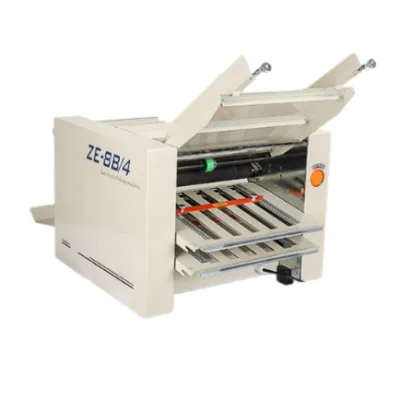
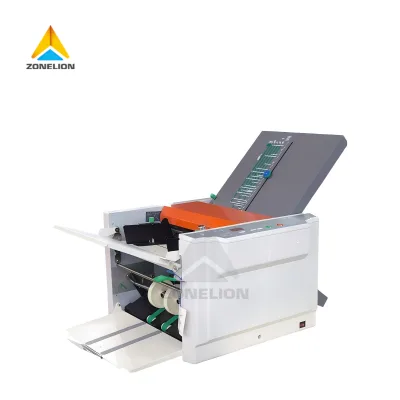
Bending Machine Electrical Desktop Instruction Paper Folding Machine Paper Folding Machine
$538.3179 - $615.9586
MOQ: 2 sets
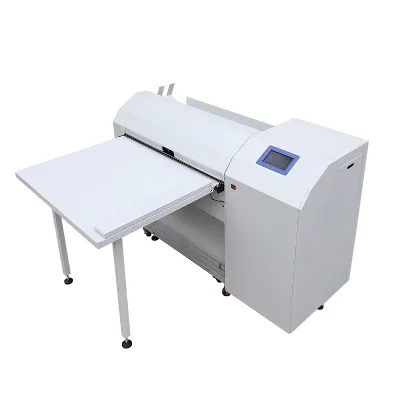
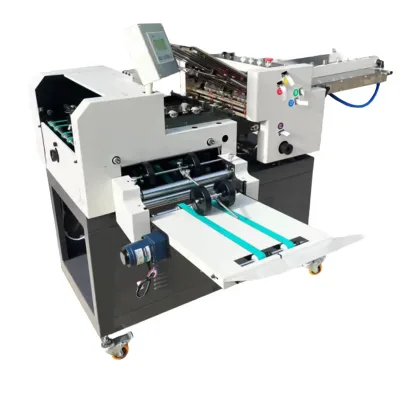
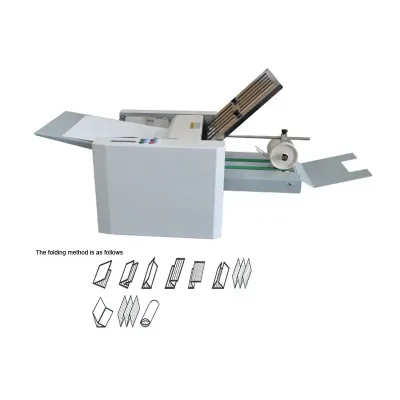




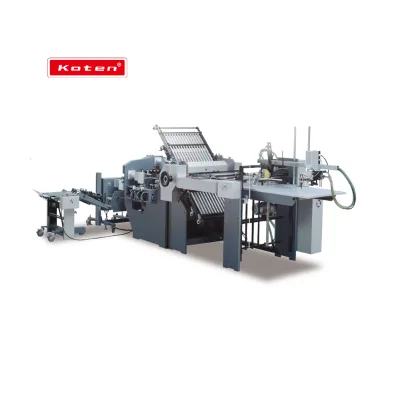
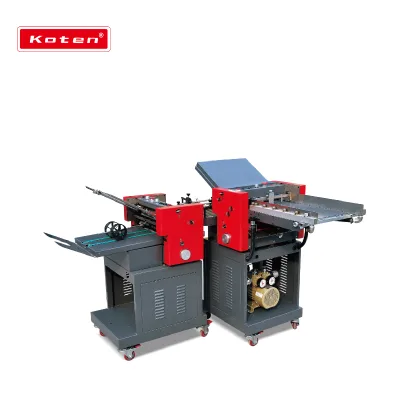
Automatic Pneumatic Paper Folding Machine for Paper Processing Machinery
$5000.00 - $9000.00
MOQ: 1 sets
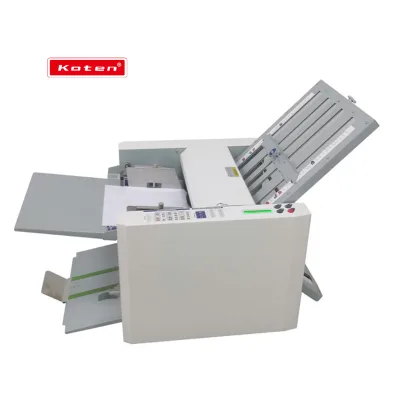
New Condition Paper Folding Machine with Efficient Motor Core Component
$1437.3941 - $1540.0651
MOQ: 1 sets
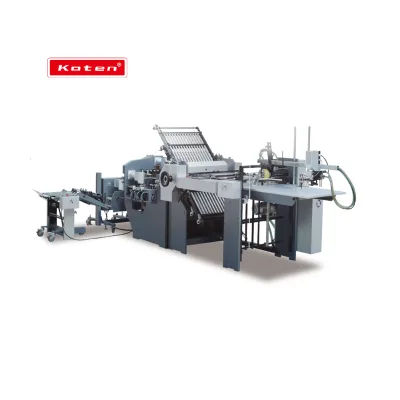
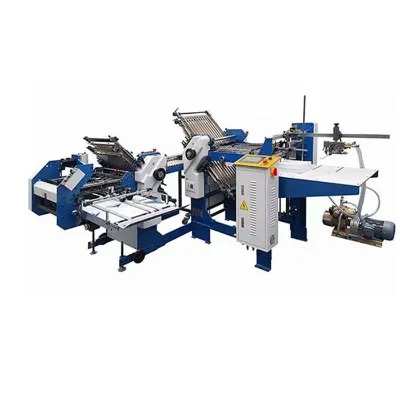


$1450.00 - $1950.00
MOQ: 1 Pieces


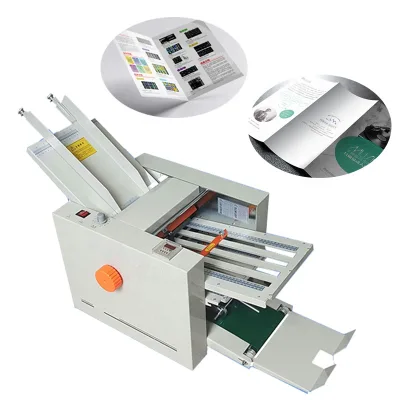

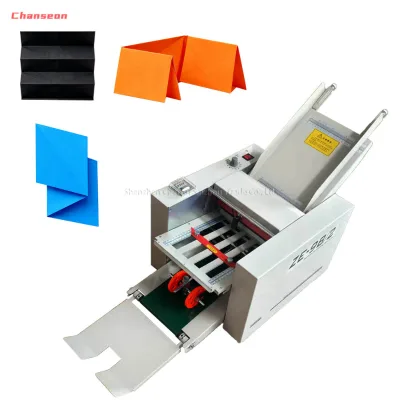

Comprehensive Sourcing Guide
Paper Folding Machine Encoder Sourcing Guide
Product Scope and Observed Listing Signals
The current market for paper folding machines features a diverse array of models, ranging from compact letter-fold units to large-scale professional systems. Buyers will encounter specific model designations such as the ZYHD490, ZYHD780B, and PFM-382, each tailored to distinct operational needs. These machines are classified broadly as folding-type or professional folding units, with some models emphasizing computerized control for enhanced precision. The observed product count indicates a robust supply base, allowing procurement teams to compare various configurations without facing severe scarcity.
Listing signals reveal significant variation in input methods and structural designs. Some units support continuous feeding for high-volume workflows, while others are optimized for flat sheet paper feeding, accommodating specific document types. The folding mechanisms often utilize a folding buckle system, ensuring consistent crease quality across different paper weights. Understanding these structural distinctions is critical for aligning machine capabilities with your facility’s throughput requirements and material handling constraints.
Technical Specifications to Verify
When evaluating technical parameters, buyers must scrutinize the dimensional standards and physical footprint of each unit. Observed dimensions vary widely, with some models measuring approximately 3880x1170x1470mm, while others are more compact at 1280x580x1200mm. It is essential to verify that the machine’s working width and maximum sheet size, such as 380x520mm, align with your standard paper formats. Mismatches in these physical specifications can lead to operational bottlenecks or require costly facility modifications to accommodate larger equipment.
Performance metrics such as line speed and paper thickness tolerance are equally critical for operational efficiency. Some observed models boast a maximum line speed of 300 sheets per minute, which is vital for high-volume printing operations. Additionally, the paper thickness range, typically observed between 50-240 GSM, must be confirmed to ensure compatibility with your specific media. Verifying the voltage requirements, often AC220V, and power consumption ensures that your electrical infrastructure can support the machine without requiring extensive upgrades.
Compliance and Safety Documentation
Safety and operational compliance are foundational aspects of any industrial machinery procurement. Buyers should request detailed machinery test reports to verify that the equipment meets international safety standards. Although some listings indicate that test reports are not available, this absence should trigger a rigorous due diligence process. Procurement teams must ensure that the supplier can provide documentation confirming that the electrical components, including motors and PLC systems, adhere to relevant regional safety regulations.
Warranty terms and post-sale support structures also play a significant role in compliance and risk management. Most observed listings offer a one-year warranty, which serves as a baseline for manufacturer accountability. Buyers should verify whether this warranty covers critical components like the motor and control systems. Additionally, the availability of video outgoing inspections provides a layer of transparency, allowing buyers to visually confirm the machine’s condition and assembly quality before shipment, reducing the risk of receiving defective or non-compliant units.
Cost Drivers and Commercial Terms
Pricing structures for paper folding machines exhibit a broad range, reflecting differences in automation levels, brand reputation, and technical complexity. The observed price range spans from entry-level units to high-end professional systems, necessitating a clear definition of budget constraints early in the sourcing process. Buyers should analyze the cost-to-performance ratio, considering that higher line speeds and advanced computerized features typically command a premium. Understanding these cost drivers helps in allocating budget effectively across the procurement lifecycle.
Commercial terms, including minimum order quantities and packaging standards, significantly impact the total cost of ownership. Most suppliers list an MOQ of one unit, facilitating flexible purchasing for small to medium enterprises. Packaging is typically described as strong seaworthy wooden cases or wooden boxes, which is crucial for protecting the machinery during international transit. Buyers must factor in the costs associated with unpacking, assembly, and potential customs duties, ensuring that the landed cost aligns with their financial projections.
Supplier Qualification and Quality Control
Supplier qualification requires a thorough assessment of manufacturing capabilities and quality assurance protocols. Buyers should prioritize suppliers who provide video outgoing inspections, as this demonstrates a commitment to transparency and quality control. The presence of core components like motors and specific PLC brands, even if labeled as "Other," indicates the internal architecture of the machine. Verifying the origin of these components can help assess the long-term reliability and serviceability of the equipment.
Production capacity and place of origin are also key indicators of supplier reliability. Observed production capacities range from 80 to 130 meters per minute, reflecting the scale of manufacturing operations. Most suppliers are located in China, with specific origins noted in regions like Henan. Buyers should evaluate the supplier’s ability to meet production timelines and their track record in exporting similar machinery. Establishing a clear communication channel for technical support and spare parts availability is essential for maintaining operational continuity.
Long-Term Procurement Checks
Long-term procurement success depends on the availability of spare parts and technical support infrastructure. Buyers should inquire about the availability of replacement components for critical parts like the folding buckle mechanism and motor systems. Ensuring that the supplier can provide ongoing technical assistance, including remote diagnostics or on-site service, is vital for minimizing downtime. A robust support network ensures that the machine remains operational and efficient throughout its lifecycle.
Ease of operation and user interface design are also critical for long-term usability. Many listings highlight "Easy To Operate" as a key selling point, which reduces training costs and minimizes human error. Buyers should verify the complexity of the control system and the availability of user manuals in their preferred language. Additionally, considering the scalability of the machine to handle future increases in paper volume or changes in document formats will ensure that the investment remains relevant and valuable over time.
FAQs
What folding types are available for these machines?
The available folding types include letter fold and folding buckle mechanisms. These machines support both continuous feeding and flat sheet paper feeding options. Users can select from various models like ZYHD490 or PFM-382 depending on their specific paper size requirements and production needs.
Can I customize the paper folding machine specifications?
Yes, customization is available for these paper folding machines. Buyers can request specific configurations to match their operational needs. The machines come with automatic grades and computerized controls, ensuring flexibility in adapting to different paper thicknesses ranging from 50 to 240 GSM effectively.
Which models support high-speed continuous feeding?
Models such as ZYHD490 and ZYHD780B support continuous feeding types for high-volume operations. These units feature automatic grades and computerized systems to maintain efficiency. Production capacities vary, with some models reaching speeds up to 130 meters per minute for optimal throughput.
How is the machine packed for shipping?
The machines are packed in strong seaworthy wooden cases or wooden boxes for protection. This packaging ensures safety during international transit. Specific packing details depend on the model, with dimensions like 1280*580*1200mm or 5107*1620*1630mm indicating the overall footprint of the packaged unit.
What is the warranty period for these units?
The warranty period for these paper folding machines is one year. This coverage applies to core components like the motor and ensures reliability. Buyers should note that machinery test reports are not available, so the warranty serves as the primary assurance of quality.
Can the machine handle flat sheet paper feeding?
Yes, certain models like ZYHD780B support flat sheet paper feeding types. These machines are designed to handle sheet sizes ranging from 90*120mm to 380*520mm. This capability makes them suitable for various printing and finishing tasks requiring precise folding of individual sheets.
What voltage and power specifications do these machines use?
These machines operate on AC220V voltage with a power rating of AC 220V/50Hz. The specifications ensure compatibility with standard industrial power supplies. The compact dimensions, such as 1080*530*580mm, allow for easy installation in facilities with limited space while maintaining high performance.