Spiral Paper Core Cutting Machine Suppliers and Manufacturers
Explore 20 verified options for spiral paper core cutting machines with CE certification and customizable features. Compare response times, lead times, and pricing from factories in Zhejiang and Hebei. Contact suppliers directly to request quotes and verify specifications; review the available evidence before requesting comparable quotations from suitable candidates.
Updated
Suppliers List

Wenzhou Chuangfeng Machinery Co., Ltd.
- Combined
- China Zhejiang
- Lead time30 days
- Avg. response≤ 15h
Main productsPaper Tube Machine, Jumbo Roll Slitter Rewinder, Paper Tube Cutting Machine, Paper Core Machine, Paper Tube Making Machine, Paper Slitting Machine, Paper Tube Winder, Slitter Rewinder, Paper Tube Machine Manufacturer, Paper Core Curling Machine
Main marketsSoutheast Asia/ Mideast,Domestic,North America


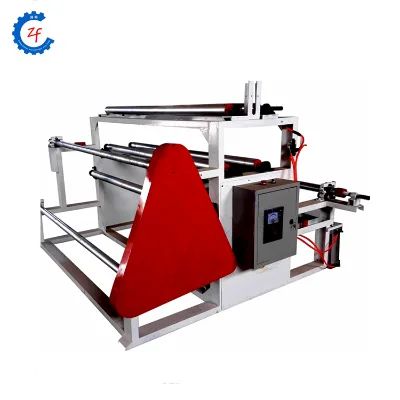
Multi Cutter Paper Core Tube Cutting Machine Paper Core Cutter Multi Knives Cheap Simple
$4500.00 - $5000.00
MOQ: 1 sets


Shijiazhuang Goodi Trade Co., Ltd.
- Trading Company,Manufacturer/Factory
- China Hebei
- Lead time23 days
- Avg. response≤ 5h
Main productsTape Machine, Nail Machine, Adhesive Tape, Paper Core Machine, Tape Coating Machine, Coil Nail Machine, Wire Drawing Machine
Main marketsSouth America,Eastern Europe,Mid East,North America,Southeast Asia,Eastern Asia,Africa


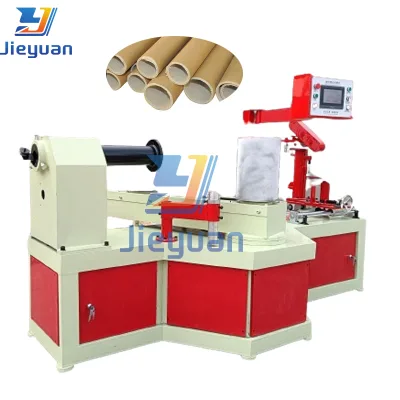
Automatic Spiral Paper Core Making Paper Tube Cutter Cutting Machine
$18000.00 - $28000.00
MOQ: 1 Sets

Automatic Making Spiral Paper Core Machine Paper Tube Cutting Machine
$18000.00 - $28000.00
MOQ: 1 Sets


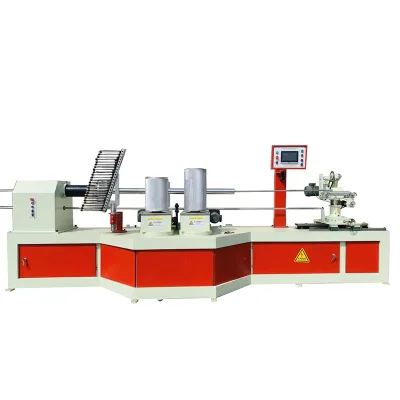
Full Automatic High Production Tape Core Cutting Machine Paper Core Cutter
$20000.00 - $25000.00
MOQ: 1 Sets

Zhejiang Hongsen Machinery Co., ltd
- Verified by TUVRHEINLAND
- Manufacturer/Factory
- China Zhejiang
- Lead time45 days
- Avg. response≤ 11h
Main productsSlitting Machine, Paper Slitting Machine, Slitter Rewinder Machine, Slitting Rewinding Machine, Plastic Film Slitting Machine, Inspecting Rewinding Machine, Doctoring Rewinding Machine, Automatic Inspecting Rewinding Machine, Sleeve Seaming Machine, Middle Sealing Machine
Main marketsSouth America,Eastern Europe,Mid East,North America,Southeast Asia,Eastern Asia,Oceania,Western Europe,Africa
Hangzhou Depai Machinery Co., Ltd.
- Verified by SGS Group
- Trading Company
- Lead time15 days
- Avg. response≤ 4h
Main productsFlexographic Printing Machine, Pre&Post Press Machine Line, Paper Cutting Machine, Slitting Machine, Paper Cup &Box Machine Line
Main marketsWestern Europe(32%), Southern Europe(20%), Central America(13%)

Ruian Binhai Plastic Packing Machinery Co., Ltd.
- Verified by BV
- Combined
- China Zhejiang
- Lead time30 days
- Avg. response≤ 6h
Main productsBag Making Machine, Flexo Printing Machine, Film Blowing Machine, Recycle Machine, Slitting Machine, Roto-Gravure Printing Machine, Rewinder Machine, Paper Cup Machine, Folding Machine, 3 Side Sealing Machine
Main marketsSouth America,Africa,Southeast Asia/ Mideast,East Asia(Japan/ South Korea),Europe,North America

WENZHOU HONGYANG MACHINERY CO., LTD
- Verified by BV
- Manufacturer/Factory
- China Zhejiang
- Lead time30 days
- Avg. response≤ 23h
Main productsFlexo Printing Machine, Die Cutting Machine, Slitting and Rewinding Machine, Rewinding Machine, Slitting Machine, Die Cutter Machine, Medical Pouch Machine, Medical IV Dressing Machine, Surgery Wound Dressing Machine, Flexographic Printing Machine
Main marketsSouth America,Eastern Europe,Mid East,North America,Southeast Asia,Eastern Asia,Oceania,Western Europe,Africa

Zheng Zhou Taizy Trading Co., LTD
- Verified by BV
- Trading Company
- China Henan
- Lead time15 days
- Avg. response≤ 6h
Main productsWood Processing Machine, Plastic Processing Machine, Charcoal Processing Machine, Food Processing Machine, Waste Recycling Machine, Packing Machine, Agricultural Machine, Egg Tray Machine, Metal Processing Machine
Main marketsSouth America,Others(foreignTradeCapacity.exportBusinessCapacityMarketOther),Southeast Asia/ Mideast,Europe
Jiaozuo Zhoufeng Machinery Co., Ltd.
- Trading Company
- Henan, China
- Lead time5 days
- Avg. response≤ 9h
Main productsFood machine,Farm machine,environmental protection machine,Home use machine,Biomass briquette production line
Main marketsMid East(10.00%), South Asia(10.00%), Africa(10.00%), Southeast Asia(10.00%), Domestic Market(10.00%), Central America(10.00%), North America(10.00%), South America(8.00%), Eastern Asia(7.00%), Northern Europe(5.00%), Western Europe(5.00%), Oceania(2.00%), Eastern Europe(2.00%), Southern Europe(1.00%)

Zhejiang Jinshen Machinery Manufcture Co., Ltd.
- Combined
- China Zhejiang
- Lead time30 days
- Avg. response≤ 16h
Main productsPaper Tube Machine
Main marketsSouth America,Africa,Southeast Asia/ Mideast,East Asia(Japan/ South Korea),Domestic,Europe,Australia,North America


High Quality Paper Core Cutting Machine Paper Pipe Cutter Paper Tube Cutter
$19000.00 - $22000.00
MOQ: 1 Sets

Hangzhou Depai Machinery Co., Ltd.
- Manufacturer/Factory
- China Zhejiang
- Lead time0 days
- Avg. response≤ 7h
Main productsFlexo Printing Machine, Die Cutting Machine, Slitting Machine, Paper Sheeting Machine, Paper Cup Machine, Paper Cross Cutting Machine, Rotary Die Cutting Machine, Label Sticker Cutting Machine, Label Sticker Printing Machine, Petal Flexo Printing Machine
Main marketsSouth America,Eastern Europe,Mid East,North America,Southeast Asia,Eastern Asia,Oceania,Western Europe,Africa


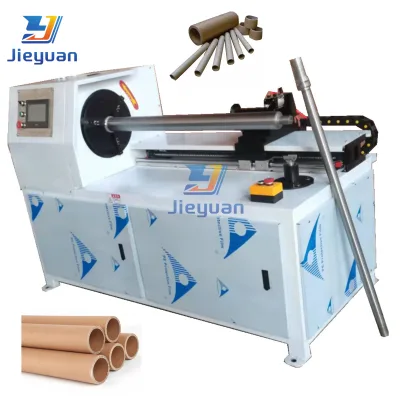
Automatic Paper Core Cutting Machine Tube Core Cutter Paper Core Making Machine
$2000.00 - $8000.00
MOQ: 1 Pieces



Zhengzhou Jieyuan Machinery Manufacturing Co., Ltd.
- Trading Company
- Henan, China
- Lead time7 days
- Avg. response≤ 2h
Main productsCurtain machine,quilt machine,cotton fiber machine,Aluminum cutting machine,Pipe bending machine
Main marketsSouthern Europe(20.00%), Western Europe(20.00%), South Asia(10.00%), Africa(10.00%), Central America(10.00%), Mid East(5.00%), South America(5.00%), Northern Europe(5.00%), Southeast Asia(5.00%), North America(5.00%), Eastern Asia(5.00%)

- Trading Company
- China Liaoning
- Lead time15 days
- Avg. response≤ 11h
Main productsToilet Paper Machine, Napkin Paper Machine, Facial Tissue Machine, Paper Processing Machine, Hot Melt Glue Machine, Hot Melt Glue Gun, Carton Box Sealing Machine, Glass Processing Machine, Paper Packing Machine, Paper Cutting Machine
Main marketsSouth America,Africa,Southeast Asia/ Mideast,East Asia(Japan/ South Korea),Europe,Australia,North America
Henan Bolong Environmental Protection Equipment Co., Ltd.
- Verified by SGS Group
- Trading Company
- Lead time20 days
Main productsToilet Paper Machine, Facial Tissue Machine, Napkin Machine, Paper Core Machine, Agricultural Machinery
Main marketsMid East(20%), South America(15%), Africa(15%)
Henan Mayjoy Mechanical Equipment Co., Ltd.
- Verified by TüVRheinland
- Trading Company
- Lead time10 days
- Avg. response≤ 3h
Main productsPaper Machinery, Agricultural Machinery
Main marketsAfrica(15%), Mid East(13%), South America(12%)
Zhengzhou JYD Machine Co., Ltd.
- Verified by TüVRheinland
- Manufacturer, Trading Company
- Lead time45 days
- Avg. response≤ 3h
Main productsPaper Machine Mold Shaft, Paper Tube Machine, Paper Tube Cutting Machine, Paper Corner Protector Machine, Paper Tube Curling Machine
Main marketsSouth America(29%), North America(10%), Africa(10%)
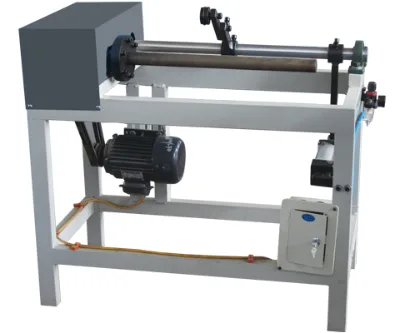
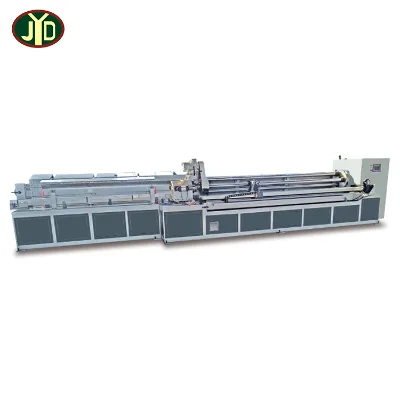
$27965.3351 - $28273.7763
MOQ: 1 sets
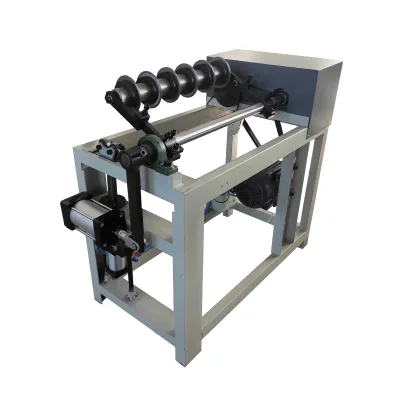
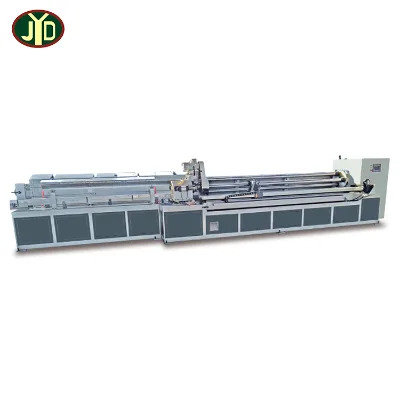
Qingdao Copak Packing Co., Ltd.
- Trading Company
- Shandong, China
- Lead time15 days
- Avg. response≤ 2h
Main productsFully-automatic honeycomb paper making machine,Pre-taped masking film making machine,Paper folding machine,Paper joint tape making machine,Crinkle paper shredder for roll material
Main marketsNorth America(30.00%), Northern Europe(20.00%), Domestic Market(10.00%), Southeast Asia(10.00%), Eastern Asia(10.00%), Mid East(5.00%), Central America(5.00%), South Asia(3.00%), Eastern Europe(2.00%), Oceania(2.00%), Africa(1.00%), South America(1.00%), Southern Europe(1.00%)
Hangzhou Prime Intellient Technology Co., Ltd.
- Trading Company
- Zhejiang, China
- Lead time30 days
- Avg. response≤ 3h
Main productsPrinting Machine,Lable Machine,Paper Cutting Machine
Main marketsSouth America(30.00%), Eastern Europe(30.00%), Western Europe(20.00%), North America(20.00%)
Zhengzhou Share Machinery Co., Ltd.
- Trading Company
- Lead time旺季: "1 - 1":7,"> 1":"To be negotiated", 淡季: "1 - 1":7,"> 1":"To be negotiated"
- Avg. response≤ 3h
Main productsConstruction Machinery/Industrial Machinery/Printing Machinery

Suzhou Deedo Machinery Co., Ltd.
- Manufacturer
- China Jiangsu
- Lead time15 days
- Avg. response≤ 5h
Main productsPaper Straw Making Machine, Paper Straw Machine, Slitter Machine, Drinking Straw Wrapping Machine, PP PE Recycling Washing Line, Plastic Pipe Belling Machine, Plastic Mixer Machine, Plastic Crusher Machine, Plastic Shredder Machine, Plastic Recycling Pelletizer Machine
Main marketsSouth America,Africa,Southeast Asia/ Mideast,Domestic,Europe,North America


High Quality Paper High Speed Rewinding and Slitting Machine/Paper Core Slitting Machine
$7300.00 - $7500.00
MOQ: 1 Pieces

Ruian Fangtai Machinery Co., Ltd.
- Verified by TUVRHEINLAND
- Combined
- China Zhejiang
- Lead time30 days
- Avg. response≤ 15h
Main productsBubble Film Machine, Stretch Film Machine, Flexo Printing Machine, Rotogravure Printing Machine, Film Blowing Machine, Bag Making Machine, Slitting Machine, Plastic Recycling Machine, Bubble Film Making Machine, Stretch Film Making Machine
Main marketsDomestic






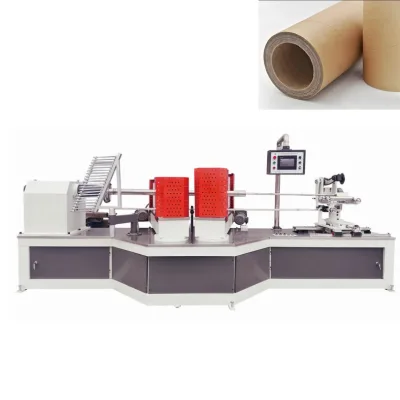
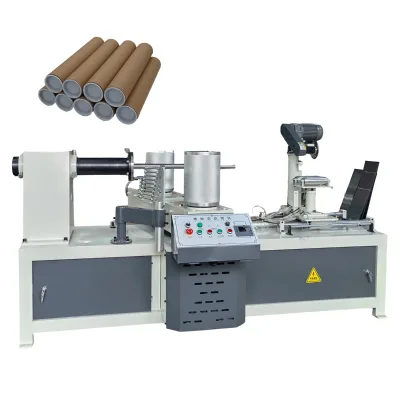
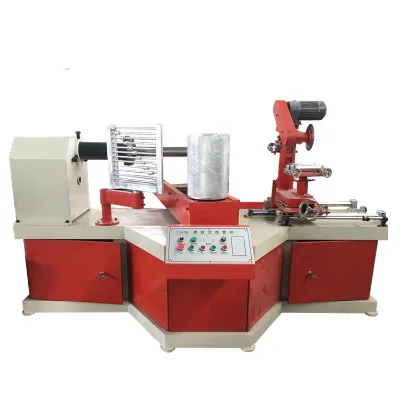
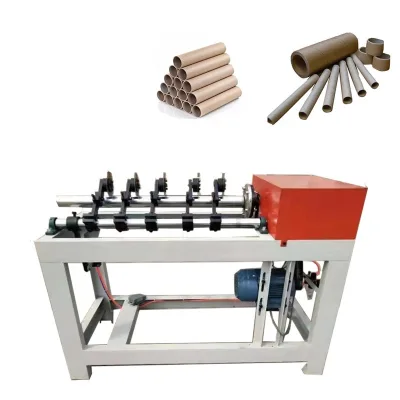
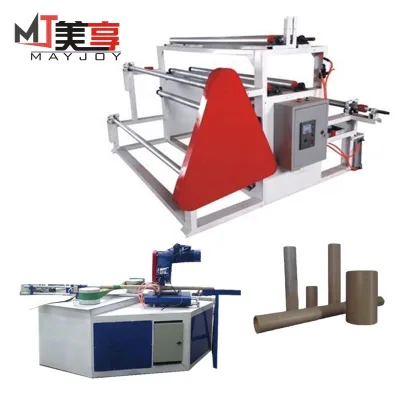
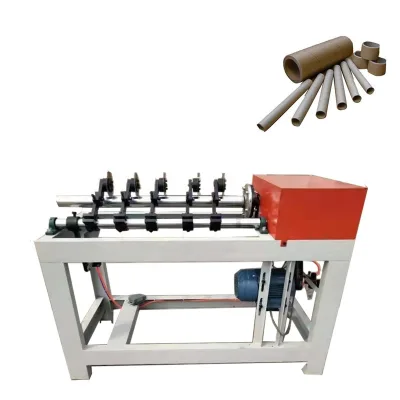
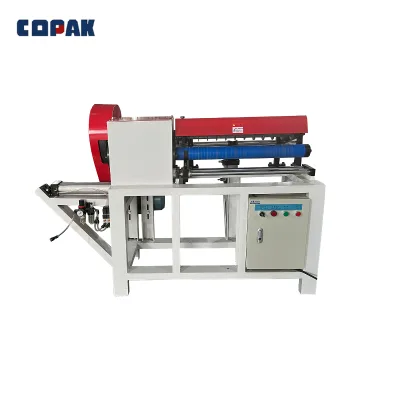
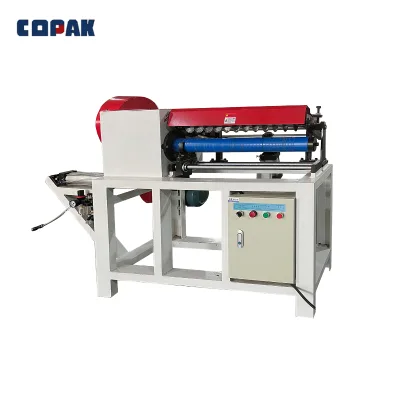


Comprehensive Sourcing Guide
Spiral Paper Core Cutting Machine Supplier Concentration and Factory Types
Current data indicates a concentration of manufacturers and trading entities within China, specifically noting facilities in Zhejiang and Hebei provinces. These regions host a mix of combined company types that function as both manufacturers and trading companies, offering a diverse range of machinery including paper tube machines, slitter rewinders, and core cutting units. The presence of these specific locations suggests established industrial clusters where supply chains for paper production machinery are already developed, though buyers must verify if a specific facility is a direct factory or a trading intermediary before proceeding.
When assessing the factory type, it is critical to distinguish between entities that hold their own brands and those offering only OEM or ODM services. Some suppliers in the results demonstrate capabilities for both own-brand production and custom manufacturing, while others may focus primarily on trading existing stock. The main products listed often include spiral paper core cutting machines alongside related equipment like jumbo roll slitters, indicating that many suppliers operate as comprehensive solution providers rather than single-product specialists. Buyers should confirm the specific nature of the entity to ensure they are dealing with the actual production source or a verified distributor.
How to Verify Spiral Paper Core Cutting Machine Suppliers
Verification begins with checking system certifications and product-specific compliance documents, as some suppliers list CE certification for their machinery while others may only hold general ISO standards. The presence of CE marks on product attributes suggests adherence to specific safety and operational standards, but buyers must request valid certificates directly from the supplier rather than relying on profile summaries. Additionally, verifying the company type as a manufacturer or trading company is essential, as this impacts the ability to customize machinery and the depth of technical support available for complex spiral core cutting operations.
Response time and lead time data provide immediate indicators of operational efficiency and reliability. Suppliers with response times under five hours may offer more agile communication, while those with longer intervals might require more structured project management. Lead times, which can range from twenty-three to thirty days, should be cross-referenced with the supplier's stated capacity for OEM or ODM work. Buyers should also inspect video outgoing-inspection provisions and warranty terms for core components, as these are tangible proofs of quality control processes that distinguish serious manufacturers from casual resellers in the paper machinery sector.
What to Compare Across Spiral Paper Core Cutting Machine Suppliers
Comparing suppliers requires a detailed analysis of pricing structures, minimum order quantities, and customization capabilities. Price ranges for spiral paper core cutting machines vary significantly, with some models listed between three thousand and thirty-five thousand dollars depending on features like automatic loading, multi-blade systems, or specific cutting lengths. The minimum order quantity is often set at one unit, which allows for smaller trial orders, but buyers must verify if bulk discounts apply or if the price includes specific configurations like customized colors or power suppliers.
Technical specifications and after-sales support are equally critical comparison points. Differences in machine dimensions, weight, and core component warranties, such as one-year versus one-and-a-half-year coverage, can indicate varying levels of build quality and manufacturer confidence. Some suppliers offer engineers available to service machinery overseas, a crucial factor for international buyers, while others may only provide video technical support. Additionally, the type of gumming, such as single-side application, and the specific tube machine type, like spiral or forging, must align with the buyer's production requirements to ensure operational compatibility.
Common Spiral Paper Core Cutting Machine Sourcing Risks
One significant risk involves the ambiguity of supplier identity, where a trading company may present itself as a manufacturer, potentially leading to communication gaps and reduced control over production quality. Without clear verification of the company type, buyers might face challenges in obtaining genuine OEM services or accessing direct technical expertise for troubleshooting complex spiral core cutting issues. This distinction is vital because trading companies often rely on third-party factories, which can introduce delays or inconsistencies in product specifications that are not immediately apparent during the initial inquiry phase.
Another risk lies in the variability of product standards and certification validity across different listings. While some products explicitly state CE certification and specific operational parameters, others may lack detailed documentation or have generic descriptions that do not guarantee compliance with local safety regulations. The absence of standardized testing results or clear warranty terms for core components like motors and PLCs can leave buyers vulnerable to equipment failure shortly after installation. Buyers must demand concrete evidence of these standards rather than accepting profile summaries as proof of quality assurance.
Spiral Paper Core Cutting Machine Regional Sourcing and Logistics
Sourcing from regions like Zhejiang and Hebei in China offers access to established industrial clusters, but logistics planning must account for specific packing and shipping requirements. Products are typically shipped in wooden boxes, pallets, or wooden cases to ensure seaworthy protection, which adds to the overall shipping weight and volume. Buyers should verify the exact packing dimensions and weight, as these factors directly influence freight costs and handling requirements at the destination port, especially for heavy machinery weighing up to four thousand five hundred kilograms.
Lead times and response speeds vary by region and supplier type, impacting the overall timeline from order placement to delivery. Suppliers in different provinces may have different production capacities and shipping schedules, with some offering lead times as short as twenty-three days while others require thirty days or more. Buyers must coordinate closely with the supplier to confirm the production schedule and shipping method, ensuring that the wooden packing and palletized delivery align with their receiving capabilities. Understanding these regional logistics nuances helps prevent delays and ensures the machinery arrives in optimal condition for immediate installation.
Spiral Paper Core Cutting Machine Commercial Terms and Order Planning
Commercial terms for spiral paper core cutting machines often include specific pricing structures that reflect the level of customization and technical complexity. Prices can range from a few thousand dollars for basic cutting units to over thirty thousand for advanced automatic systems with multi-blade configurations. Buyers should clarify whether the quoted price includes all necessary components, such as motors and PLCs, and if customization options like color or specific cutting lengths incur additional costs. Understanding these financial details is essential for accurate budgeting and avoiding unexpected expenses during the procurement process.
Order planning must also consider the warranty and after-sales service provisions, which vary significantly between suppliers. Some manufacturers offer one-year warranties on core components with video technical support, while others provide extended coverage or overseas engineering services. Buyers should explicitly negotiate these terms to ensure they have adequate support for maintenance and troubleshooting. Additionally, verifying the production model and standard specifications before finalizing the order helps prevent mismatches between the purchased equipment and the buyer's operational needs, ensuring a smooth integration into their existing production lines.
FAQs
What is the price range for spiral paper core cutting machines?
Prices typically range from $3,500 to $35,000 depending on automation and specifications. Basic single-blade cutters start around $3,500, while complex multi-blade or automatic systems cost up to $35,000. Buyers should verify exact quotes based on customization needs and configuration choices.
What certifications do these machines usually have?
Most spiral paper core cutting machines carry CE certification to ensure compliance with European safety standards. This indicates the equipment meets specific electrical and mechanical safety requirements. Buyers should always request valid certification documents to confirm regulatory adherence before finalizing any purchase agreement.
What is the typical lead time for delivery?
Manufacturers generally require 23 to 30 days to produce and ship these machines. This timeframe accounts for manufacturing, quality inspection, and packaging preparation. Buyers should confirm specific delivery schedules with suppliers, as lead times may vary based on order volume and customization requirements.
What is the minimum order quantity for these machines?
The minimum order quantity is typically one unit, allowing buyers to purchase single machines for testing or small-scale operations. This low MOQ facilitates easier entry for new businesses. Buyers should confirm if bulk discounts apply when ordering multiple units from the same supplier.
Where are these machines primarily manufactured?
These machines are primarily manufactured in China, specifically in Zhejiang and Hebei provinces. These regions are known for industrial machinery production and supply chain efficiency. Buyers should verify the exact origin to understand logistics costs and potential shipping durations for their specific location.
What after-sales support is available for these machines?
Suppliers often provide engineers available for overseas service and video technical support. Online support is also commonly offered for troubleshooting. Buyers should clarify the extent of warranty coverage, which typically lasts one to one and a half years for core components.