Automatic Hot Paper Laminating Machine Suppliers and Manufacturers
Source 29 verified suppliers for Automatic Hot Paper Laminating Machine units. Compare key dimensions including lead times, MOQs, response speeds, and pricing ranges. Review product specifications and certifications to identify the right partner for your production needs; review the available evidence before requesting comparable quotations from suitable candidates.
Updated
Suppliers List

Kunshan Dapeng Precision Machinery Co., Ltd.
- Verified by TUVRHEINLAND
- Combined
- China Jiangsu
- Lead time30 days
- Avg. response≤ 5h
Main productsDie Cutting Machine, Slitting Machine, Laminating Machine, Slitting and Rewinding Machine, Sheet Cutter, Hydraulic Press Die-Cutting Machine, Sheet Cutting Machine, Metal Foil Die Cutting Machine, Roll Lamination Machine, Belt Cutting Machine
Main marketsSouth America,Others(foreignTradeCapacity.exportBusinessCapacityMarketOther),Southeast Asia/ Mideast,Domestic,Europe,North America

Qingdao Colourful Machinery Co., Ltd.
- Manufacturer
- China Shandong
- Lead time15 days
- Avg. response≤ 6h
Main productsLaminating Machine, PUR Laminating Machine, PVC Laminating Machine, Board Laminating Machine, Hot Laminating Machine, Slitting Machine
Main marketsOthers(foreignTradeCapacity.exportBusinessCapacityMarketOther),Southeast Asia/ Mideast,North America


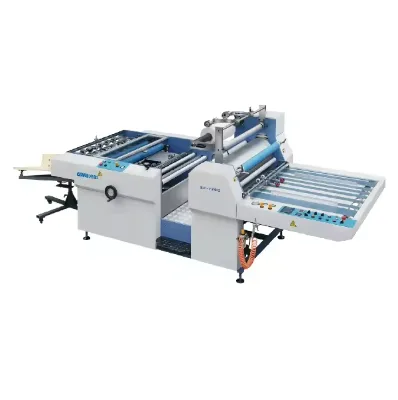
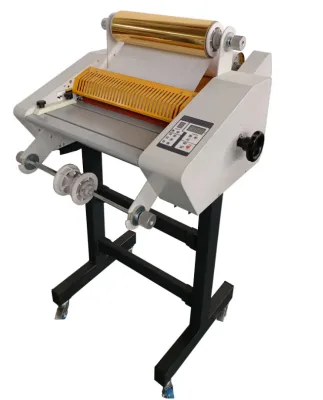
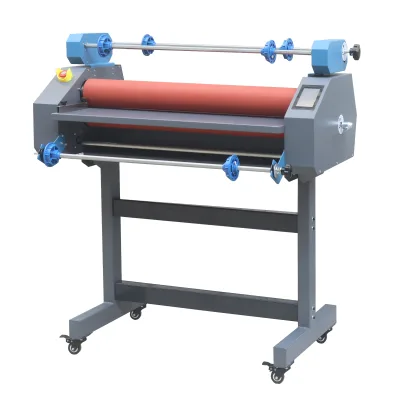
650mm Hot Melt Board Laminator Hot Melt Automatic Laminating Machine
$32000.00 - $35000.00
MOQ: 1 Sets

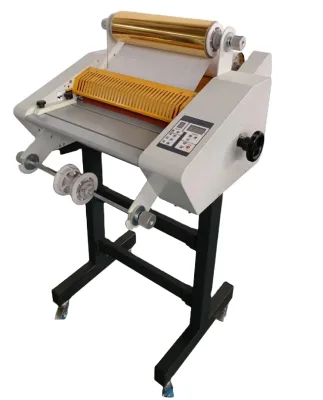
350mm Hot Melt Board Laminator Hot Melt Automatic Laminating Machine
$21000.00 - $23000.00
MOQ: 1 Sets

350mm Hot Melt Board Laminator Hot Melt Automatic Laminating Machine
$21000.00 - $23000.00
MOQ: 1 Sets

ZHENGZHOU ALLRAISE COMPANY LTD.
- Verified by TüVRheinland
- Manufacturer, Trading Company
- Lead time19 days
- Avg. response≤ 2h
Main productsPaper Cutting Machine, Paper Cup Making Machine, Printing Machine, Box Making Machine, Book Making Machine
Main marketsAfrica(16%), North America(15%), Eastern Europe(10%)

Hangzhou Royall Import & Export Co., Ltd.
- Verified by TUVRHEINLAND
- Trading Company
- China Zhejiang
- Lead time30 days
- Avg. response≤ 7h
Main productsCorrugated Paperboard Machinery, Printing Machine, Folder Gluer Machine, Paper Sheeter, Paper, Single Facer, Mask Making Machine, China Export Agent
Main marketsEurope
Henan Allwin Machinery Equipment Co., Ltd.
- Trading Company
- Lead time旺季: "1 - 1":15,"> 1":"To be negotiated", 淡季: "1 - 1":15,"> 1":"To be negotiated"
- Avg. response≤ 2h
Main productsAnti Counterfeit Lable Production Line,Paper Container Production Line,Rigid Box Production Line,Book Production Line,Paper Tube Production Line
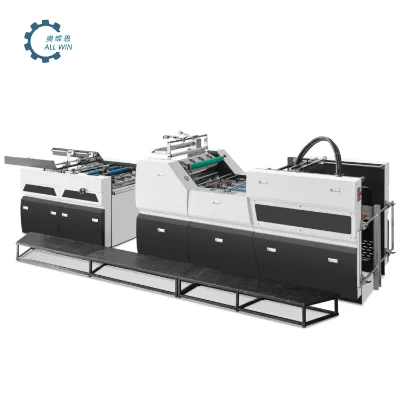
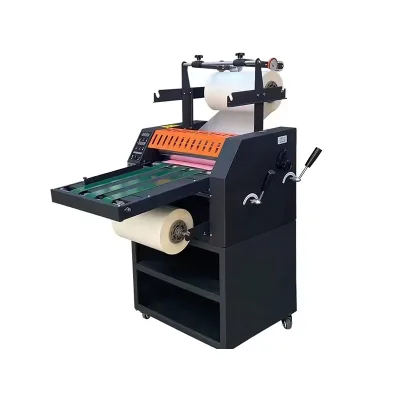
Automatic Paper Photo Laminating Machine with Auto Feeding Hot Laminator Machine
$21000.00 - $22150.00
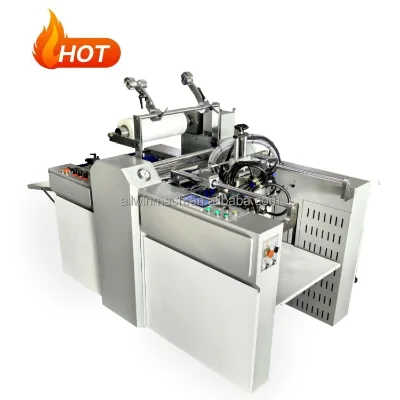
Auto Feeder Paper Laminating Machine A2 Size Hot Laminating Machines
$10500.00 - $11500.00
Kunshan Dapeng Precision Machinery Co., Ltd.
- Verified by SGS Group
- Manufacturer, Trading Company
- Lead time30 days
- Avg. response≤ 6h
Main productsDie Cutting Machine, Roll To Sheet Cutting Machine, Slitting Rewinding Machine, Laminating Machine, Half Cutting Machine
Main marketsDomestic Market(68%), North America(5%), Mid East(4%)
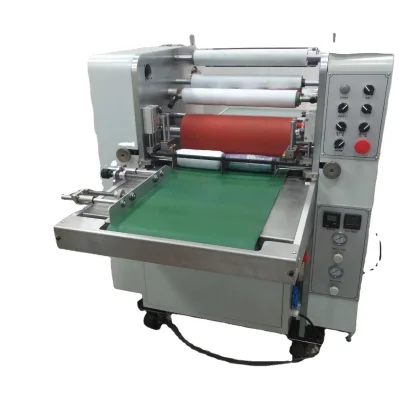
$6500.00 - $9111.00
MOQ: 1 sets
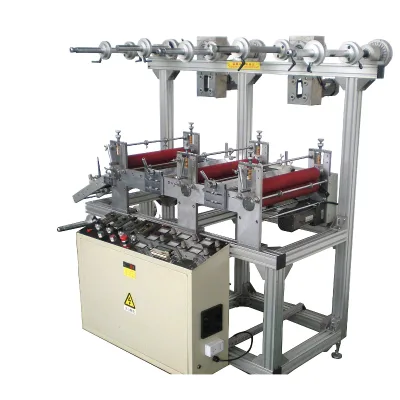
Multifunction Multiply Paper Laminating Machine
$8000.00 - $10000.00
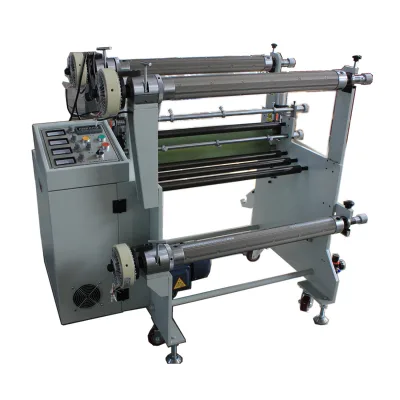
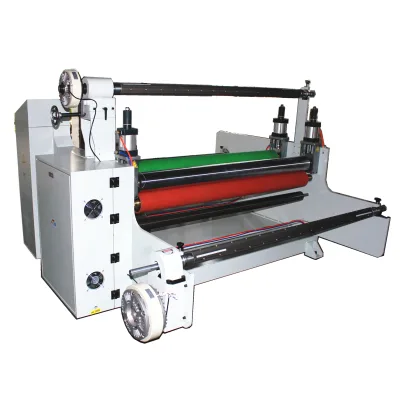
Automatic Laminating Machine for Paper Polyurethane Laminate Fabric
$6000.00 - $10000.00
Henan Zonelion Heavy Industry Co., Ltd.
- Verified by TüVRheinland
- Trading Company
- Lead time7 days
- Avg. response≤ 4h
Main productsCutting Machine, Polishing Machine, Grinding Wheel Manufacturing Machine, Pressure Machine, Fixed Machine
Main marketsNorth America(8%), South America(8%), Eastern Europe(8%)
- Verified by TüVRheinland
- Manufacturer, Trading Company
- Lead time19 days
- Avg. response≤ 2h
Main productsBurger Box Making Machine, A4 Paper Cutting Machine, Photo Album Making Machine, Book Binding Machine, Hologram Film Embossing Machine
Main marketsNorth America(16%), Southeast Asia(16%), Mid East(15%)
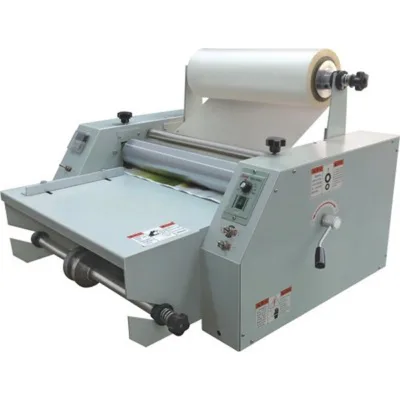
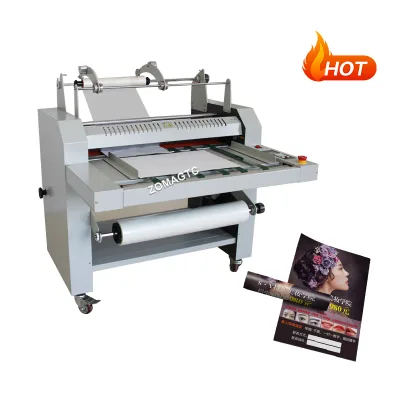
$1100.00 - $1550.00
MOQ: 1 sets
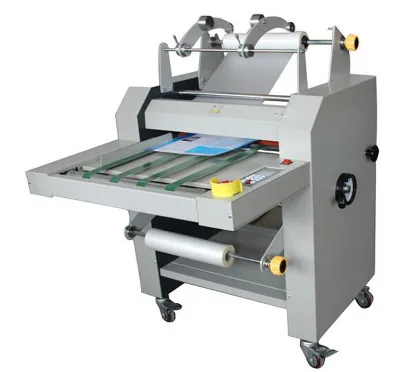
Office Type Automatic Paper Cardboard Laminating Laminator Machine
$2052.0503 - $2872.8704
MOQ: 1 sets

DONGGUANG NORTH PACK PACKAGING MACHINERY CO., LTD
- Trading Company,Manufacturer/Factory
- China Hebei
- Lead time38 days
- Avg. response≤ 7h
Main productsCarton Box Packing Machine, Packaging Machinery, Single / Double Wall Corrugated Machine, Corrugation Plant Machine, Corrugated Cardboard Production Line, Automaitc Stitching Machine, Flexo Printing Slotting Die Cutting Machine, Folder Gluing Machine, Flute Laminator, Die-Cutting Machine
Main marketsSouth America,Eastern Europe,Mid East,Southeast Asia,Eastern Asia,Western Europe,Africa

San (Qingdao) International Trade Co., Ltd.
- Verified by SGS
- Trading Company,Manufacturer/Factory
- China Shandong
- Lead time60 days
- Avg. response≤ 24h
Main productsHoneycomb Paper Machine, Wet Tissue Machine, Paper Machine, Paper Cup Machine, Toilet Paper Making Machine, Paper Tube Machine, Paper Pulp Machine, Paper Edge Protector Machine, Paper Pulp Mould Machine, Household Paper Machine
Main marketsSouth America,Eastern Europe,Mid East,North America,Southeast Asia,Eastern Asia,Oceania,Western Europe,Africa

WENZHOU HONGYANG MACHINERY CO., LTD
- Verified by BV
- Manufacturer/Factory
- China Zhejiang
- Lead time30 days
- Avg. response≤ 23h
Main productsFlexo Printing Machine, Die Cutting Machine, Slitting and Rewinding Machine, Rewinding Machine, Slitting Machine, Die Cutter Machine, Medical Pouch Machine, Medical IV Dressing Machine, Surgery Wound Dressing Machine, Flexographic Printing Machine
Main marketsSouth America,Eastern Europe,Mid East,North America,Southeast Asia,Eastern Asia,Oceania,Western Europe,Africa

Cangzhou Kading Carton Machinery Manufacturing Co., Ltd.
- Combined
- China Hebei
- Lead time60 days
- Avg. response≤ 1h
Main productsFlexo Folder Gluer, Box Printing Slotting Die Cutting Machine, Corrugated Cardboard Production Line, Carton Stitching Machine, Carton Box Folder Gluer, Banding Strapping Machine, Slitter Scorer Machine, Single Facer Machine, Reel Roll Stand, Paper Corner Protector Machine
Main marketsDomestic


China Hot Sale Semi-Automatic Corrugated Paper Thermal Film Hot Laminating Machine
$6000.00 - $25000.00
MOQ: 1 Sets

Semi-Automatic Corrugated Cardboard Paper Thermal Film Hot Laminating Lamination Machine for Sale
$6000.00 - $25000.00
MOQ: 1 Sets

Ningbo Bs Printing Machinery Equipment Co., Ltd.
- Manufacturer
- Zhejiang, China
- Lead time25 days
- Avg. response≤ 3h
Main productslamnation machine,glue binding machine,creasing machine,paper cutter machine,double wire binding machine
Main marketsOceania(16.00%), Eastern Europe(15.00%), Western Europe(15.00%), Northern Europe(10.00%), South America(7.00%), Southern Europe(6.00%), Domestic Market(6.00%), South Asia(6.00%), Eastern Asia(5.00%), Mid East(5.00%), Central America(3.00%), Africa(3.00%), Southeast Asia(2.00%), North America(1.00%)

Dongguang Sansheng Machinery Co., Ltd.
- Verified by BV
- Combined
- China Hebei
- Lead time15 days
- Avg. response≤ 6h
Main productsPrinting Machine, Die Cutting Machine, Flute Corrugated Machine, Single Facer, Carton Glue Machine, Cardboard Machinery, Carton Box Making Machine, Box Forming Machine, Packaging Machine, Corrugated Machine
Main marketsSouth America,Others(foreignTradeCapacity.exportBusinessCapacityMarketOther),Domestic

Hot Film Laminating Machine with Automatic Temperature Control for Paper Processing
$3500.00 - $4000.00
MOQ: 1 set

Thermal Hot Lamination Machines Automatic A4 Paper Roll Laminating Machines
$3500.00 - $4000.00
MOQ: 1 set

High Speed Automatic Lamination Machine Paper and Film Laminating Equipment
$3500.00 - $4000.00
MOQ: 1 set

Fully Automatic Laminating Machine Digital Paper Laminator with Cutting Function
$3500.00 - $4000.00
MOQ: 1 set
Shandong Lukes Machinery Co., Ltd.
- Verified by SGS Group
- Manufacturer, Trading Company
- Lead time0 days
- Avg. response≤ 4h
Main productsDie Cutting Machine, Creasing Die Cutting Machine With Automatic Feeder, Automatic Die Cutting Machine, Creasing Matrix, Folder Gluer Machine
Main marketsDomestic Market(60%), South America(10%), Mid East(8%)
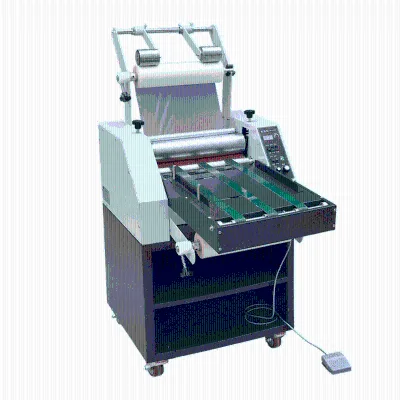
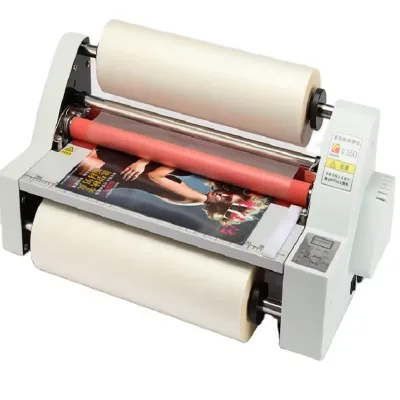
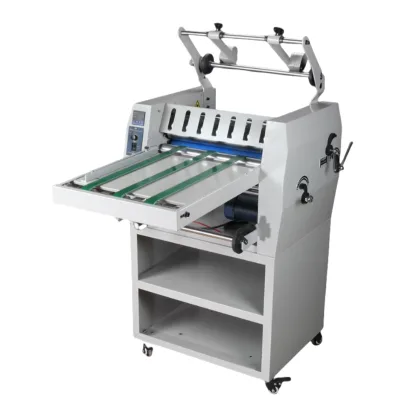
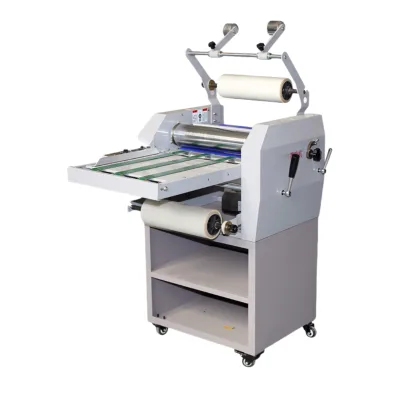
$386.00 - $412.00
MOQ: 1 pieces

Ningbo Bs Printing Machinery Equipment Co., Ltd.
- Verified by BV
- Trading Company
- China Zhejiang
- Lead time15 days
- Avg. response≤ 4h
Main productsDouble Wire Binding Machine, Punching Machine, Paper Cutting Machine, Stamping Machine, Glue Binding Machine, Lamnation Machine
Main marketsNorth America


Paper Laminating Machine Automatic Paper Lamination Machine 560f Lamination Machine for Paper
$10500.00 - $12000.00
MOQ: 1 Pieces

Cangzhou Longway Imp & Exp Co., Ltd.
- Trading Company
- Hebei, China
- Lead time20 days
- Avg. response≤ 2h
Main productsFilling Machine/Strapping Machine/Bottle Labeling Machine/Sealing Machine/Carton Machine,strapping machine,packing machine,printing machine,mixing machine
Main marketsWestern Europe(14.00%), Southeast Asia(9.00%), Mid East(9.00%), Southern Europe(9.00%), Eastern Asia(8.00%), Eastern Europe(8.00%), Northern Europe(8.00%), South Asia(8.00%), Domestic Market(7.00%), North America(5.00%), Africa(5.00%), South America(4.00%), Oceania(3.00%), Central America(3.00%)
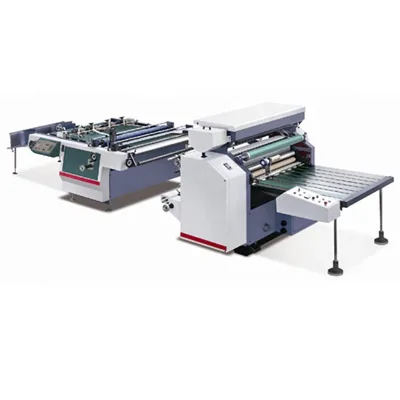
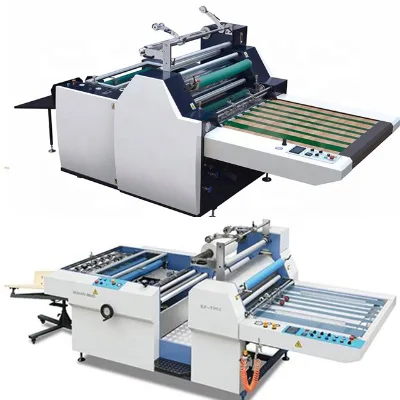
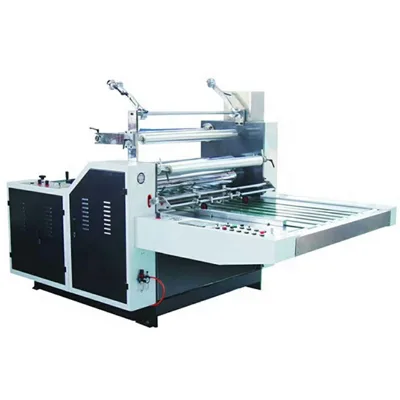
High-Speed Full Auto Double Sides Paper Roll Laminator Film Hot Heated Lamination Machine
$400.00 - $500.00
MOQ: 1 sets
PP / Pet / Paper / Film / PVC / OPP Lamination Machine Hot Melt Heating Laminate Machine
$400.00 - $500.00
MOQ: 1 sets
- Manufacturer, Trading Company
- Guangdong, China
- Lead time45 days
- Avg. response≤ 6h
Main productsPrinters,Printer spares,perfect binding machine,Laminating machine,creasing machine
Main marketsSoutheast Asia(40.00%), North America(30.00%), Mid East(10.00%), Eastern Europe(8.00%), South Asia(5.00%), South America(5.00%), Domestic Market(2.00%)

Luoyang Zongxin Technology Co., Ltd.
- Trading Company
- Henen, China
- Lead time15 days
- Avg. response≤ 3h
Main productsbinding machine,printing machine,post press machine,package machine,paper product making machine
Main marketsSouth Asia(30.00%), Western Europe(30.00%), South America(20.00%), North America(20.00%)
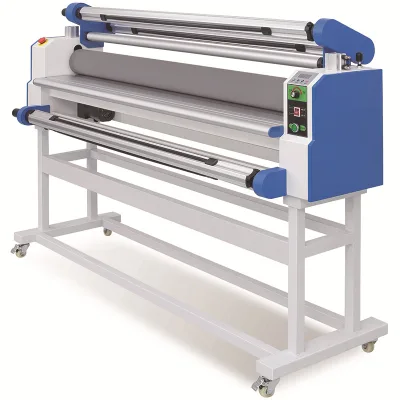
Hot and Cold Large Format Laminar Paper Vinyl Laminating Machine
$1395.00 - $1440.00
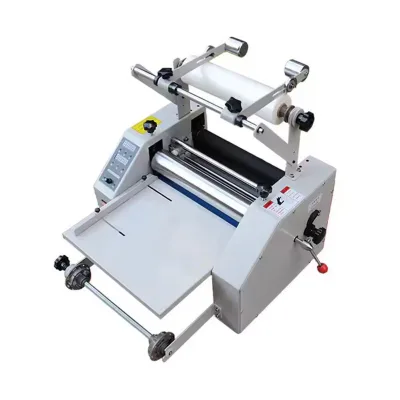
$393.1231 - $458.2996
MOQ: 1 sets
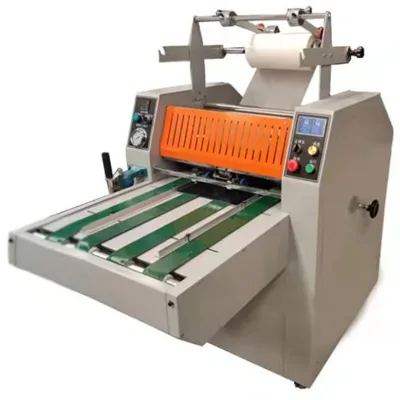
Best Sale Fully Automatic Paper Film PVC Cards Hot and Cold Laminating Machine for Sale
$3544.3069 - $3783.0267
MOQ: 1 sets

Anhui Innovo Bochen Machinery Manufacturing Co., Ltd.
- Verified by TUVRHEINLAND
- Combined
- China Anhui
- Lead time30 days
- Avg. response≤ 8h
Main productsPrinting Machine, Printing Machinery, Stamping Machine, Paper Cutter, Laminater, UV Coater, Book Binding Machine, Stitching Machine, Punching Machine, Die Cutting Machine
Main marketsSoutheast Asia/ Mideast,Domestic,Europe,Australia,North America
- Verified by SGS Group
- Manufacturer, Trading Company
- Lead time15 days
- Avg. response≤ 2h
Main productsPaper Cutter, Paper Trimmer, Glue Binding Machine, Cold Laminating Machine, Roll Laminators
Main marketsWestern Europe(45%), Southeast Asia(20%), South America(10%)
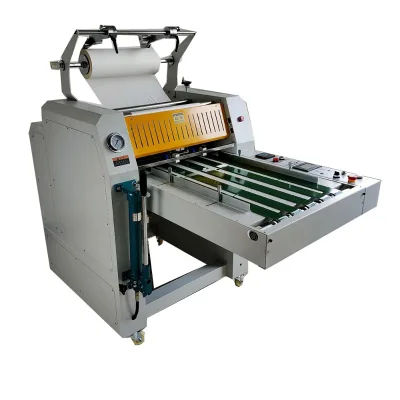
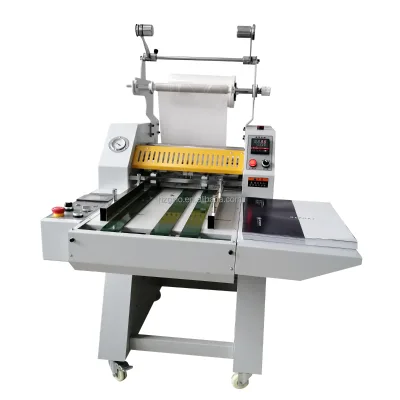
$2616.3649 - $3270.9684
MOQ: 1 pieces
Foshan City Nanhai District Nantong printing machine Co.Ltd
- Manufacturer, Trading Company
- Guangdong, China
- Lead time10 days
- Avg. response≤ 1h
Main productsPrinting Defect Detection Machine, Hamburger Paper Box Machine, Double Tape Machine, Cold And Hot Glue Machine, Desktop Spray Glue Machine
Main marketsNorth America(15.00%), Mid East(15.00%), Southeast Asia(12.00%), South Asia(10.00%), Africa(10.00%), Eastern Europe(8.00%), Western Europe(5.00%), Southern Europe(5.00%), Central America(5.00%), Northern Europe(5.00%), Eastern Asia(3.00%), South America(3.00%), Oceania(2.00%), Domestic Market(2.00%)

Dongguan Ganghua Bookbinding Equipment Co., Ltd.
- Manufacturer, Trading Company
- Guangdong, China
- Lead time20 days
- Avg. response≤ 3h
Main productsDouble Loop Wire,Calendar Hanger,Metal Spiral Coil,Plastic Spiral Coil,Nylon Coated Wire
Main marketsSouth America(20.00%), Southeast Asia(20.00%), Africa(15.00%), Eastern Asia(15.00%), South Asia(10.00%), North America(5.00%), Western Europe(5.00%), Eastern Europe(5.00%), Mid East(5.00%)
Nanjing Gs-Mach Intelligent Equipment Co., Ltd.
- Verified by TüVRheinland
- Manufacturer, Trading Company
- Jiangsu, China
- Lead time50 days
- Avg. response≤ 10h
Main productsTwin Screw Extruder Machine, Plastic Sheet Extruder Machine, Kneader Compounding Machine, Stone Paper Machine, Plastic Lamination Machine
Main marketsMid East(50%), South America(20%), Southeast Asia(20%)
Hamburger Kraft Paper Hot Glue Laminating Machine PE Lamination Film Machine
$350000.00 - $400000.00
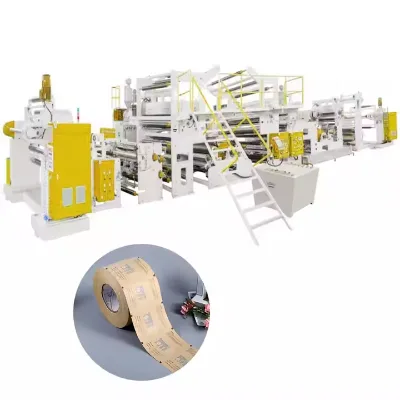
Lamination Film Machine Kraft Paper Coating Laminating Machine PE Film Lamination Machine
$100000.00 - $250000.00

Cangzhou Depai International Trade Co., Ltd.
- Verified by BV
- Combined
- China Hebei
- Lead time30 days
- Avg. response≤ 3h
Main productsFlexo Printing Machine, Corrugated Board Production Line, Folder Gluer Machine, Die Cutting Machine
Main marketsSouth America,Europe,North America

WUXI VOKEDA TECHNOLOGY CO., LTD.
- Trading Company,Manufacturer/Factory
- China Jiangsu
- Lead time15 days
- Avg. response≤ 8h
Main productsBinding Machine, Paper Cutter, UV Coater Machine, Laminating Machine, Business Card Cutter, Paper Creaser, Paper Folding Machine, Numbering and Perforating Machine, Offset Press, Label Printing Machine
Main marketsSouth America,Eastern Europe,Mid East,North America,Southeast Asia,Eastern Asia,Oceania,Western Europe,Africa


Multifunction Laminating Machine, Cold and Hot Laminating Machine HS1600L
$1.00 - $5000.00
MOQ: 1 Pieces

Hangzhou Depai Machinery Co., Ltd.
- Verified by SGS Group
- Trading Company
- Lead time15 days
- Avg. response≤ 4h
Main productsFlexographic Printing Machine, Pre&Post Press Machine Line, Paper Cutting Machine, Slitting Machine, Paper Cup &Box Machine Line
Main marketsWestern Europe(32%), Southern Europe(20%), Central America(13%)
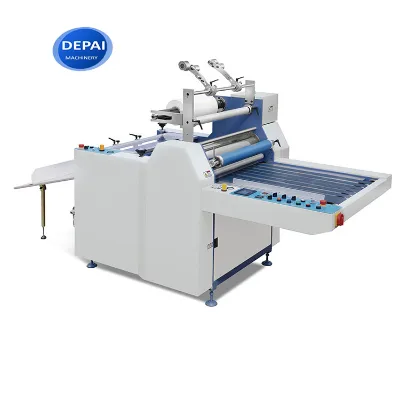
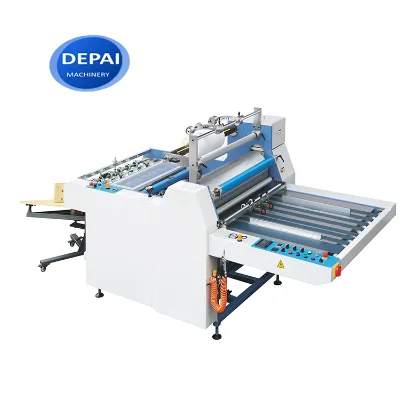
CE Approved Glueless Pre-coated Thermal Film Laminating Machine Paper Laminator Machine
$5130.1257 - $5232.7282
MOQ: 1 sets
Cangzhou Lyan Carton Machinery Co., Ltd.
- Trading Company
- Hebei, China
- Lead time60 days
- Avg. response≤ 3h
Main productsprinter slotter die cutter,paper board laminator,corrugator,slitter rewinder,folder gluer
Main marketsMid East(20.00%), Domestic Market(10.00%), South Asia(10.00%), Northern Europe(10.00%), Western Europe(10.00%), Eastern Asia(10.00%), North America(10.00%), Southeast Asia(10.00%), Eastern Europe(10.00%)

Wenzhou Daba Machinery Co., Ltd.
- Manufacturer/Factory
- China Zhejiang
- Lead time23 days
- Avg. response≤ 17h
Main productsFlexo Printing Machine, Intermittent Die Cutting Machine, Label Slitting Machine, Rotogravure Printing Machine, Slitting Machine, Laminating Machine
Main marketsSouth America,Eastern Europe,Mid East,North America,Southeast Asia,Eastern Asia,Oceania,Western Europe,Africa


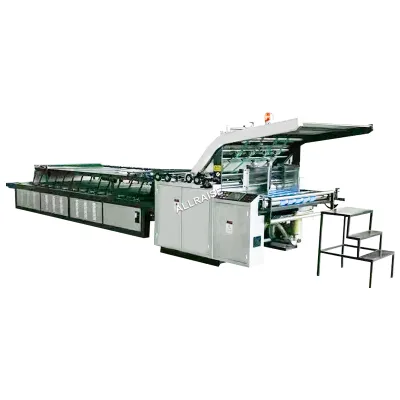


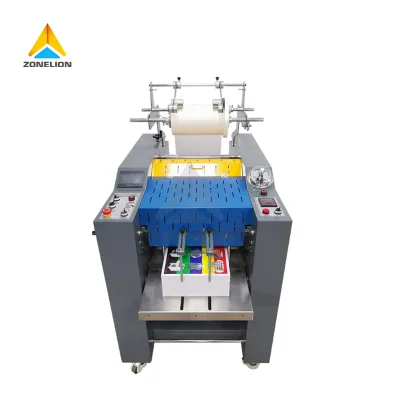
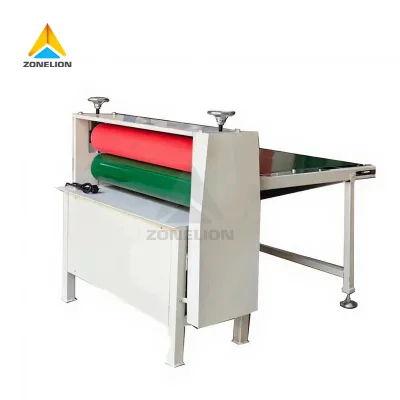


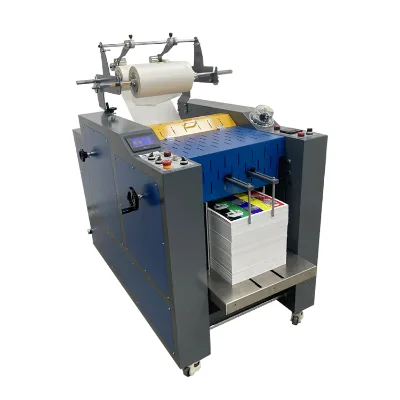






Comprehensive Sourcing Guide
Automatic Hot Paper Laminating Machine Supplier Concentration and Factory Types
The current supplier landscape for automatic hot paper laminating machines reveals a distinct geographic concentration in China, with specific manufacturing hubs identified in Jiangsu and Shandong provinces. Suppliers located in Kunshan, Jiangsu, often present as combined entities that may blend trading and manufacturing capabilities, offering a wide array of related machinery such as die-cutting, slitting, and rewinding equipment alongside laminating solutions. These combined suppliers frequently list product origins within their specific city, such as Kunshan, indicating localized production or assembly lines. In contrast, suppliers based in Qingdao, Shandong, are explicitly categorized as manufacturers, suggesting a more direct factory-to-buyer relationship for their specific product lines. This distinction is critical for buyers assessing the supply chain structure, as manufacturer-designated entities in Shandong may offer different operational dynamics compared to the combined type entities found in Jiangsu. The presence of these specific regional clusters allows buyers to target sourcing efforts based on whether they prioritize the breadth of related industrial machinery available from combined suppliers or the specialized manufacturing focus of dedicated factory types. Understanding this geographic and structural distribution helps in narrowing down the pool of potential partners to those whose operational model aligns with the buyer's specific procurement strategy and risk tolerance.
Within these regions, the types of companies vary significantly in their core competencies and service offerings. Combined suppliers in Jiangsu often emphasize a broad catalog that includes thermal hot paper laminating machines, cold laminators, and various cutting and pressing equipment, catering to buyers who may need integrated solutions for packaging or printing workflows. These suppliers frequently highlight customization availability and automatic grades, indicating a flexibility in adapting machinery to specific production needs. On the other hand, manufacturer-focused suppliers in Shandong may concentrate more deeply on specific technologies, such as PUR hot melt coating laminating machines, which are designed for applications involving aluminum plates, plywood, and fiberboard. This specialization suggests that Shandong-based manufacturers might possess deeper technical expertise in adhesive application and profile wrapping processes. The difference in company type also influences the range of main products offered, with combined suppliers providing a one-stop-shop approach for various industrial machinery needs, while dedicated manufacturers might offer more tailored engineering support for their specific laminating technologies. Buyers should carefully evaluate these differences to determine which supplier type best supports their long-term operational requirements and technical specifications.
How to Verify Automatic Hot Paper Laminating Machine Suppliers
Verifying the credibility and operational capacity of Automatic Hot Paper Laminating Machine suppliers requires a multi-layered approach that goes beyond basic company profiles. One critical step is to examine verification badges and third-party audit results, such as those provided by TÜV Rheinland, which can offer an independent assessment of a supplier's business legitimacy and manufacturing capabilities. Buyers should prioritize suppliers who have undergone such rigorous verification processes, as this adds a layer of trust regarding the accuracy of their stated information. Additionally, assessing the supplier's response time is a practical indicator of their operational efficiency and customer service readiness. A response time metric, such as the observed average of 4.37 hours for some suppliers, can signal how quickly a buyer can expect to receive technical inquiries or quotation requests. This metric is particularly important for complex machinery purchases where timely communication is essential for resolving technical questions and finalizing specifications. Buyers should compare these response times across different suppliers to identify those who demonstrate a commitment to prompt and professional communication, which is often correlated with better overall service quality.
Beyond verification badges and response metrics, buyers must scrutinize the specific product evidence and technical attributes provided by suppliers to ensure alignment with their requirements. This involves checking for detailed product specifications, such as maximum web width, heating temperature ranges, and automatic grade classifications, which are crucial for determining if a machine can handle the buyer's specific production volume and material types. For instance, some suppliers offer machines with a maximum unwinding width of 650mm and a heating temperature of 180 degrees, while others provide larger capacity models with widths up to 1000mm and higher heating degrees. Buyers should also look for information on warranty periods, with many suppliers offering a standard 12-month warranty, which serves as a baseline for after-sales support. Furthermore, examining the customization options available, such as the ability to tailor membrane materials or automatic grades, can help buyers assess the supplier's flexibility. It is also advisable to verify the origin of the products, as some suppliers explicitly state their manufacturing location, such as Kunshan or Qingdao, which can impact logistics and lead times. By combining these technical checks with verification status and response speed, buyers can build a comprehensive profile of each supplier's reliability and suitability.
What to Compare Across Automatic Hot Paper Laminating Machine Suppliers
When evaluating multiple suppliers for automatic hot paper laminating machines, comparing key commercial and operational metrics is essential for making an informed decision. One of the most significant factors is the lead time, which varies considerably among suppliers. For example, some suppliers indicate a lead time of 30 days, while others, particularly those identified as manufacturers in Shandong, may offer a shorter lead time of 15 days. This difference can be crucial for buyers with tight production schedules or urgent order requirements. Additionally, the minimum order quantity (MOQ) is a critical consideration, with many suppliers offering an MOQ of just one unit, which facilitates trial orders and reduces initial investment risk. Buyers should also compare the price ranges, which can span from approximately $3,000 to over $32,000 depending on the machine's specifications, capacity, and technology. For instance, basic cold laminating machines may start at lower price points, while advanced hot laminating machines with larger widths and specialized features command higher prices. Understanding these price variations helps buyers align their budget with the desired level of automation and capacity.
Beyond pricing and lead times, buyers should compare the specific technical capabilities and main products offered by each supplier to ensure they meet their operational needs. Suppliers in Jiangsu often provide a diverse range of machinery, including die-cutting and slitting machines, which might be beneficial for buyers seeking integrated production lines. In contrast, suppliers in Shandong may focus more on specialized laminating technologies, such as PUR hot melt coating machines, which are ideal for specific material applications like aluminum or plywood. Buyers should also evaluate the customization options available, as many suppliers offer available customization for membrane materials, automatic grades, and application-specific features. The driven type, typically electric, and the performance features, such as anti-wrinkle or anticorrosive properties, are also important differentiators. Additionally, the warranty period, often stated as 12 months, should be compared to assess the level of after-sales support provided. By systematically comparing these attributes, buyers can identify suppliers that not only offer competitive pricing and lead times but also possess the technical expertise and product range necessary to support their specific manufacturing processes.
Common Automatic Hot Paper Laminating Machine Sourcing Risks
Sourcing automatic hot paper laminating machines from international suppliers, particularly those in China, involves several inherent risks that buyers must proactively manage. One significant risk is the potential discrepancy between the advertised specifications and the actual machine performance. While suppliers provide detailed attributes such as maximum web width, heating temperature, and automatic grade, these claims must be verified through rigorous due diligence. For instance, a supplier might advertise a machine with a 1000mm web width, but the actual operational capacity could be lower under high-speed conditions. Buyers should request detailed technical documentation, video demonstrations, or third-party test reports to validate these claims before committing to a purchase. Another risk is the variability in build quality and material durability, which can impact the machine's longevity and maintenance costs. Differences in components, such as the type of heating elements or tension control systems, can lead to inconsistent performance. Buyers should inquire about the specific brands of key components and request information on the machine's warranty coverage to mitigate the risk of premature failure or inadequate support.
Logistical and communication challenges also pose substantial risks in the sourcing process. Differences in time zones and language barriers can lead to misunderstandings regarding technical specifications, shipping instructions, and after-sales support arrangements. Suppliers with slower response times, such as those averaging over five hours, may struggle to address urgent issues or provide timely updates on order status. This can delay production schedules and increase the overall cost of ownership. Additionally, the risk of shipping damage is heightened when transporting large, heavy machinery like laminating machines. Buyers must ensure that suppliers use appropriate packaging, such as wooden cases or pre-film packages, to protect the equipment during transit. The lack of standardized certifications, as indicated by some suppliers having NIL system certification, can also be a risk, particularly for buyers who require compliance with specific international standards. Buyers should verify if the supplier can provide relevant safety or quality certifications and ensure that the machine meets the regulatory requirements of their destination country. By anticipating these risks and implementing robust verification and communication strategies, buyers can minimize potential disruptions and ensure a smoother sourcing experience.
Automatic Hot Paper Laminating Machine Regional Sourcing and Logistics
The geographic location of suppliers significantly impacts the logistics, lead times, and overall cost structure of sourcing automatic hot paper laminating machines. Suppliers located in Jiangsu province, particularly in Kunshan, benefit from proximity to major ports and established industrial infrastructure, which can facilitate efficient shipping and handling. However, the specific origin of the product, such as Kunshan, may influence the choice of logistics partners and the availability of local support services. Buyers sourcing from this region should consider the transit times to their destination port and factor in potential customs clearance delays. Additionally, the concentration of combined suppliers in Jiangsu means that buyers may have access to a wider network of related machinery suppliers, which could simplify the procurement of complementary equipment. This regional clustering can also offer opportunities for consolidated shipping if multiple items are ordered from the same supplier or nearby partners, potentially reducing freight costs.
In contrast, suppliers based in Shandong province, such as those in Qingdao, offer a different logistical profile. Qingdao is a major port city with extensive international shipping connections, which can provide competitive freight rates and reliable shipping schedules. The manufacturer-focused nature of some Shandong suppliers may result in more direct control over the production and shipping process, potentially leading to more predictable lead times. Buyers should evaluate the specific shipping terms offered by these suppliers, such as FOB or CIF, to understand their responsibility for transportation and insurance. The lead time of 15 days observed for some Shandong manufacturers suggests a more streamlined production process, which can be advantageous for urgent orders. However, buyers must also consider the potential for higher initial costs associated with specialized manufacturing capabilities. By carefully assessing the logistical advantages and disadvantages of each region, buyers can optimize their supply chain strategy to balance cost, speed, and reliability. Understanding these regional dynamics is crucial for making informed decisions about supplier selection and order planning.
Automatic Hot Paper Laminating Machine Commercial Terms and Order Planning
Effective order planning for automatic hot paper laminating machines requires a thorough understanding of the commercial terms and financial implications associated with each supplier. The price range for these machines is broad, with costs varying from approximately $3,000 for basic models to over $32,000 for advanced, specialized equipment. Buyers must align their budget with the specific technical requirements, such as maximum web width, heating capacity, and customization options. It is essential to request detailed quotations that break down the costs of the machine, accessories, and any additional services, such as installation or training. The minimum order quantity (MOQ) is typically one unit, which allows for flexibility in ordering, but buyers should also consider the potential for volume discounts if multiple units are required. Payment terms, such as deposits and balance payments, should be clearly negotiated to manage cash flow and mitigate financial risk. Buyers should also inquire about the availability
FAQs
What does an Automatic Hot Paper Laminating Machine do?
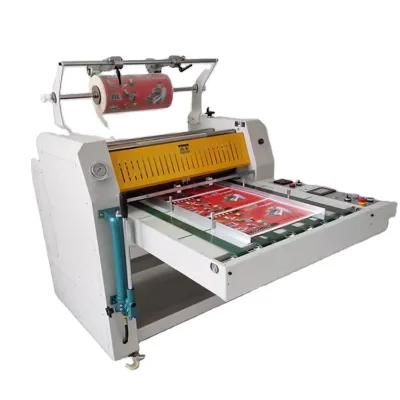
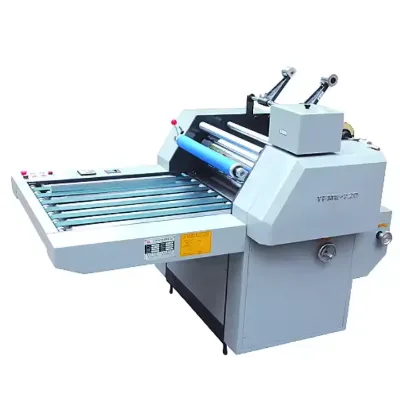
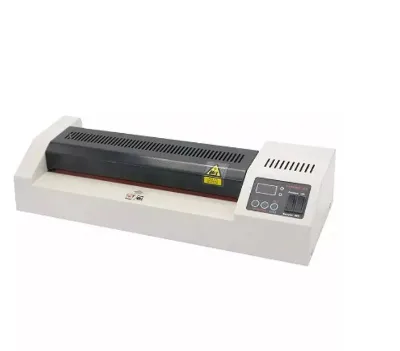
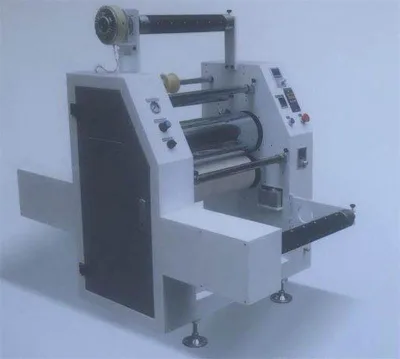
It bonds a thermal or matte film layer onto printed paper automatically, protecting color prints and packaging sheets from scratches, moisture, and wrinkles. Roll-fed models unwind film, apply heat and pressure through heated rollers, then rewind or sheet the laminated output. Typical applications include color printing, packaging paper, film material, and soft board finishing.
Which working widths are available for hot paper laminating machines?
Common widths range from 420mm bench-format models up to 650mm and 1000mm production machines. A 650mm unit suits most commercial print shops, while 1000mm web-width machines handle wider packaging sheets. Buyers should match the maximum unwind or feeding width to their largest sheet or roll format before ordering.
What is the typical minimum order quantity and price range?
Many listed machines carry a minimum order quantity of one unit, which suits first-time buyers testing a new production line. Indicative prices span roughly 3,000 to 20,000 US dollars depending on width, automation level, and hot or cold configuration, while larger PUR coating machines start around 32,000. Confirm a formal quotation before ordering.
How long is the usual lead time after ordering?
Lead times observed among verified suppliers range from about 15 to 30 days depending on the supplier's location and production load. Machines built to standard configurations usually ship faster than customized units. Ask each supplier to confirm the current production schedule, packing method, and shipping time before you commit to a purchase contract.
Can these laminating machines be customized for specific materials?
Yes, customization is listed as available on most models, including adjustments for matte film, light membrane, multi-layer paper, and different roll diameters. Suppliers in Jiangsu and Shandong advertise ODM and OEM capability, so you can request changes to heating temperature, tension control, or feeding width. Provide your material samples and specifications early in the inquiry.
Are suppliers of these machines verified, and what certifications apply?
Some suppliers carry third-party verification from TUV Rheinland, which covers basic company checks rather than product testing. Individual products may reference SGS standards, and certain machine listings hold no system certification at all. Buyers should request valid certificates for the exact model, then verify scope, issue date, and testing body directly with the issuing organization.
What performance specifications matter most when comparing models?
Focus on maximum heating temperature, laminating sticking precision, working speed, and anti-wrinkle performance. Listed models reach heating temperatures of 180 to 240 degrees, achieve sticking precision around 0.3mm, and run at 80 to 120 meters per minute. Also check rewind diameter, tension control method, warranty period, and power consumption against your production requirements.
Where are these laminating machines mainly produced in China?
Listed suppliers concentrate in Jiangsu and Shandong provinces, with machine origins noted in Kunshan and Qingdao. Jiangsu suppliers typically offer die cutting, slitting, and laminating equipment as combined manufacturers, while Shandong manufacturers focus on laminating and PUR coating lines. Region matters for factory visits, spare parts logistics, and after-sales response times.