Source Patchwork French Terry Hoodie and Sweat Shorts Set for gyms, travel, and casual wear
Compare 30 listings for the Patchwork French Terry Hoodie and Sweat Shorts Set featuring cotton blends, custom logos, and breathable designs. Buyers can review sizes, materials, and OEM services from verified Chinese manufacturers.
Key considerations
Products List


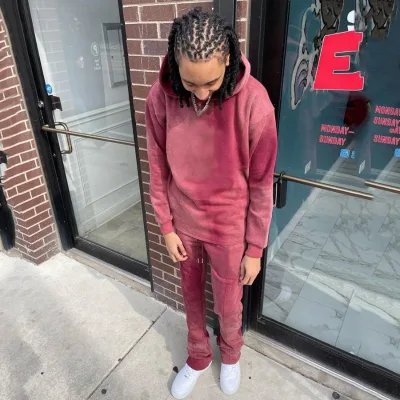
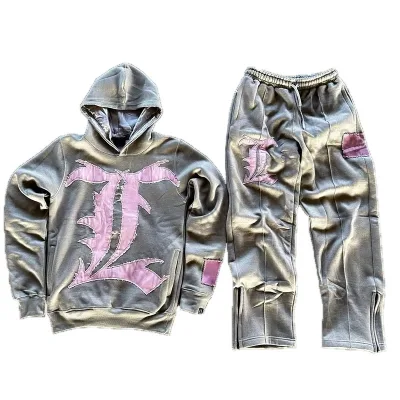


Summer Collection Women Casual Wear Fashion 600GSM Cotton Hoodie and Shorts Set
$9.00 - $15.00
MOQ: 100 Pieces


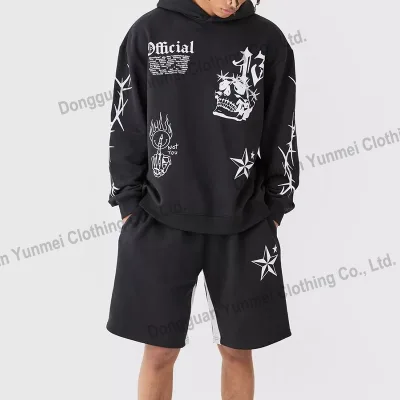
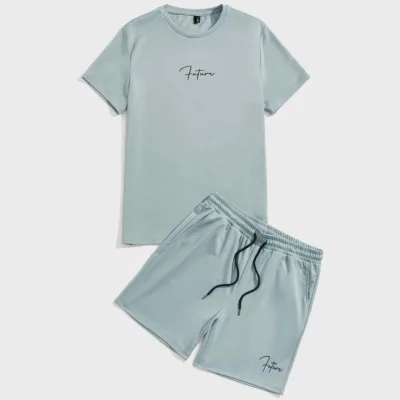
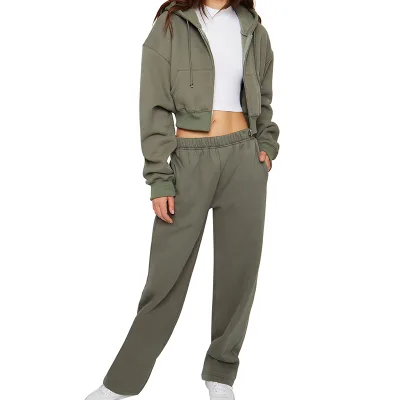
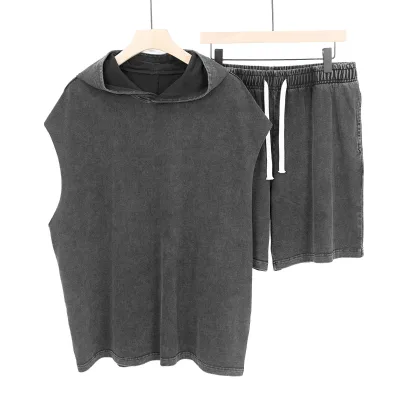



Comprehensive Sourcing Guide
Strategic Sourcing Guide for Patchwork French Terry Hoodie and Sweat Shorts Sets
Understanding Product Specifications and Material Composition
When sourcing a Patchwork French Terry Hoodie and Sweat Shorts Set, the primary focus must be on the precise definition of materials and construction standards. The term "French terry" refers to a specific knit fabric characterized by loops on one side and a smooth surface on the other, offering a balance of breathability and warmth. Based on the observed product data, the material composition for these sets varies, with listings indicating options such as 100% Cotton, Cotton/Polyester blends, and Polyester/Cotton mixes. This variability is critical for buyers, as the ratio of cotton to polyester directly influences the garment's moisture-wicking capability, durability, and drape.
The product attributes reveal that these sets are designed for an adult age group and are suitable for all scenes, ranging from leisure to sports. The style is explicitly categorized as "Sport" and "Leisure," with a fit type described as "Loose." This loose fit is often preferred in activewear to allow for a full range of motion. The sets typically feature a "Full Length" design for the hoodie and "Short" specifications for the bottoms, with the shorts often utilizing an "Elastic Waist" closure for comfort and adjustability.
Regarding the patchwork aspect, the product data lists "Custom" as the available color option and "Custom Designs" as a design feature. This suggests that the patchwork construction is not merely a fixed pattern but a customizable element where buyers can specify fabric combinations. The "Customized Logo Printing" and "Digital Print" methods further indicate that branding can be integrated directly into the patchwork design. The fabric weight is observed at 500 grams, which suggests a substantial, heavyweight fabric suitable for cooler seasons like Autumn, although the product is also listed for Summer, implying that lighter variations or specific knit densities may be available.
Technical Standards and Size Configuration
Defining the technical standards and size configurations is essential for ensuring that the ordered sets meet the intended market requirements. The product data provides specific model numbers such as "T530269," "Short-0609-2," and "FRENCH TERRY SET," which serve as unique identifiers for different variations of the set. These model numbers often correlate with specific size runs and material blends.
The size specifications observed in the data range from specific single sizes like "S" and "L" to comprehensive size charts including "S, M, L, XL, XXL." This indicates that suppliers typically offer a standard grading system that covers the majority of adult body types. The "Standard" attribute is listed as "35455," which likely refers to the dimensions of the packaging or a specific quality benchmark rather than the garment dimensions themselves. However, the "Single Package Size" is explicitly noted as "40X35X3.Cm" or "40X30X2.Cm," which is vital for logistics planning and calculating shipping costs.
Buyers must verify the exact thickness and weight specifications, as the data mentions "Lightweight" thickness alongside a "500 Grams" fabric weight. This apparent discrepancy requires clarification during the sourcing process to ensure the final product matches the intended use case. For instance, a 500-gram fabric is generally considered heavy, while "lightweight" suggests a thinner knit. The "Single Gross Weight" is recorded at 1.600kg, which includes the product and packaging. This figure is crucial for freight calculations and inventory management.
Compliance, Certification, and Quality Verification
In the realm of B2B apparel procurement, compliance and quality verification are non-negotiable, even when specific certification data is not explicitly listed in the product summary. The product data indicates a "Quality Level" of "High," but this is a qualitative observation that must be validated through objective testing. Buyers should not assume that a "High" quality label equates to compliance with international safety or environmental standards without direct verification.
The origin of these products is listed as "China," a major manufacturing hub for textile goods. While this location offers competitive pricing and supply chain efficiency, it necessitates rigorous due diligence regarding labor standards and environmental regulations. Buyers should request documentation proving that the manufacturing facilities adhere to recognized social compliance audits, such as those conducted by the Fair Labor Association or Sedex, though these specific certifications are not confirmed in the provided data.
Regarding material safety, the use of cotton and polyester blends raises questions about chemical residues, particularly if the fabric is dyed or printed. The "Custom" color and "Digital Print" options imply the use of various inks and dyes. Buyers must verify that the printing methods comply with REACH (Registration, Evaluation, Authorisation and Restriction of Chemicals) standards in the European Union or CPSIA (Consumer Product Safety Improvement Act) in the United States, depending on the target market. The "Accept Custom Lables" attribute suggests that the supplier is flexible, but the labels themselves must accurately reflect the fiber content and care instructions as mandated by local labeling laws.
Cost Drivers and Pricing Dynamics
The pricing structure for patchwork French terry sets is influenced by several key variables, including material composition, customization complexity, and order volume. The observed price range in the market is between $3.99 and $39.38 USD. This wide variance indicates that the final price is highly dependent on the specific configuration of the order. Lower prices likely correspond to standard, non-customized sets with basic material blends, while higher prices reflect complex patchwork designs, premium fabric blends, and extensive customization.
The Minimum Order Quantity (MOQ) ranges from 2 to 100 units. This flexibility is advantageous for buyers testing the market or those with smaller inventory needs. However, the cost per unit typically decreases as the order volume increases, a standard economic principle in manufacturing. The "Supply Ability" is noted as 100,000 sets per month, suggesting that suppliers have the capacity to handle large-scale orders without significant bottlenecks, provided the design is not overly complex.
Customization is a primary cost driver. The availability of "Customized Logo Printing," "Custom Designs," and "Custom" colors adds layers of complexity to the production process. Digital printing, while versatile, may incur higher setup costs for small runs compared to screen printing. Additionally, the "One Piece/Set Per OPP" or "Carton" packing options affect the final cost, as specialized packaging solutions often carry a premium. Buyers should request detailed breakdowns of costs to understand how much of the price is attributed to materials, labor, and customization services.
Supplier Evaluation and Service Capabilities
Evaluating a supplier for a specialized product like a patchwork French terry set requires looking beyond basic product listings to assess their service capabilities and operational reliability. The data indicates that the supplier offers "OEM Service" and "Oemservice," confirming their ability to manufacture products based on the buyer's specifications. The "Samples: Accepted" attribute and a "Samples Time" of "Two Weeks" are positive indicators of a responsive supply chain.
The "7 Days Sample Order Lead Time: Support" suggests that the supplier can expedite sample production if necessary, which is beneficial for tight project timelines. However, buyers must verify if this expedited service incurs additional costs. The "Selling Units" being listed as "Single Item" implies that the supplier is willing to sell individual sets, which is useful for sampling, but bulk orders will likely require a different transaction structure.
When evaluating suppliers, buyers should prioritize those who demonstrate transparency in their production process. The ability to provide "Custom Designs" and "Customized Logo Printing" indicates a level of technical proficiency. However, the buyer must ensure that the supplier has the specific machinery and expertise required for patchwork construction, which involves sewing together different fabric pieces seamlessly. A supplier's portfolio should be reviewed to confirm their experience with similar complex garments. Furthermore, the "Service" attribute of "Oemservice" should be backed by clear communication channels and a dedicated account manager to handle custom requests effectively.
Quality Control and Long-Term Procurement Strategy
Implementing a robust quality control (QC) strategy is essential for maintaining the integrity of the patchwork French terry sets. Given the "High" quality level claimed in the product data, buyers should establish clear acceptance criteria before production begins. This includes defining acceptable tolerances for seam alignment, color matching in the patchwork design, and fabric weight consistency. The "Fabric Weight" of 500 grams must be verified through physical testing to ensure it matches the specification, as variations can affect the garment's drape and thermal properties.
For long-term procurement, building a sustainable relationship with the supplier is key. The "Supply Ability" of 100,000 sets per month suggests that the supplier can scale with demand, but buyers should discuss contingency plans for potential disruptions. The "Lead Time" for samples is two weeks, but bulk lead times are not explicitly stated in the data. Buyers must negotiate clear delivery schedules that account for production, quality inspection, and shipping.
The "Custom" nature of the product means that every order may have unique requirements, making standardization difficult. To mitigate this, buyers should create a detailed tech pack that includes all specifications, from fabric composition to stitching details. Regular quality inspections during production, rather than just at the final stage, can help identify and rectify issues early. Additionally, maintaining open communication regarding design changes and material availability will ensure that the final product meets the buyer's expectations consistently.
Application Scenarios and Market Positioning
The versatility of the Patchwork French Terry Hoodie and Sweat Shorts Set allows for diverse applications across various market segments. The product attributes list "Suitable for: All Scenes," indicating that these sets are designed for a wide range of activities. The "Sport" style and "Breathable" features make them ideal for athletic training, yoga, and casual gym wear. The "Summer" and "Autumn" season listings suggest that the fabric weight and construction are adaptable to different weather conditions, likely through variations in fabric density or layering.
The "Loose" fit and "Elastic Waist" closure enhance comfort, making these sets popular for loungewear and travel. The "Patchwork" design adds a unique aesthetic appeal, positioning the product in the fashion-forward segment of the activewear market. This design element allows brands to differentiate themselves from competitors offering standard solid-color sets. The "Custom" color and design options enable brands to create limited-edition collections or collaborate with artists, further expanding the product's market reach.
Buyers should consider the target demographic when positioning these products. The "Adults" age group and "Unisex" gender classification suggest a broad appeal. Marketing efforts should highlight the comfort, style, and functionality of the sets, emphasizing the high-quality materials and customizability. By aligning the product features with current trends in sustainable and comfortable activewear, buyers can effectively position these sets in a competitive market.
FAQs
What material options are available for these sets?
The sets are available in 100% Cotton, Cotton, or Polyester/Cotton blends. Buyers can also request custom fabric compositions to meet specific performance needs for different seasons or activities.
Can I order samples before placing a bulk order?
Yes, samples are accepted and typically require two weeks for production. Some suppliers may support a seven-day sample order lead time if expedited service is requested and approved.
What is the minimum order quantity for these sets?
The minimum order quantity ranges from 2 to 100 units depending on the supplier and customization level. Lower MOQs allow for testing designs, while larger orders may secure better pricing tiers.
How are these sets packaged for shipment?
Individual sets are commonly packed one piece per OPP bag or in cartons for bulk shipping. The single package size typically measures around 40 by 35 centimeters with a gross weight of 1.6 kilograms.
Which customization services are offered for branding?
Suppliers offer customized logo printing, custom designs, and custom labels. Digital print methods are available to apply specific patterns or branding directly onto the fabric for unique patchwork aesthetics.
What size range is available for adult buyers?
Standard sizes include S, M, L, XL, and XXL to fit various adult body types. Some listings also specify single sizes like S or L, so buyers should verify the specific size chart for each model.
Can the fabric weight be customized for different seasons?
The standard fabric weight is observed at 500 grams, suitable for autumn wear, though lightweight options exist for summer. Buyers must confirm the exact thickness and weight specifications to ensure seasonal suitability.