Source Patchwork Knitted Swimming Clothes Set for Beach, Pool, and Resort
Compare 30 listings for Patchwork Knitted Swimming Clothes Set from verified suppliers. Review material options like polyester and nylon, sizes, and customization features to find the best match for your needs; compare the available evidence and request quotations based on your requirements.
Key considerations
Products List


Hot Sale Beachwear Printed Swimsuit Dress Set for Women Sexy One-Piece Swimsuit
$5.00 - $15.00
MOQ: 3 piece/pieces


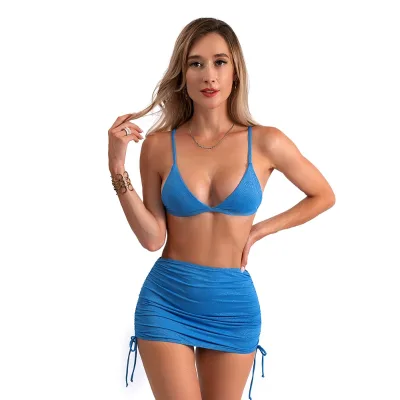


Sexy Hot Hollowed-out One-Shoulder Adjustable Laced Swimsuit Set Swimsuit Set
$5.23 - $6.73
MOQ: 100 Pieces
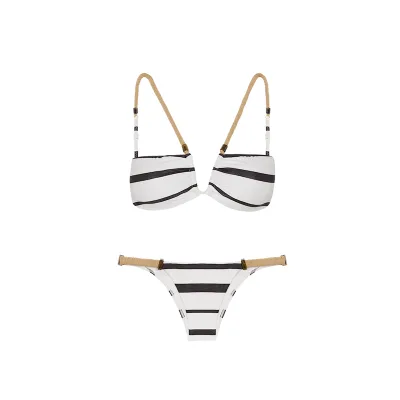
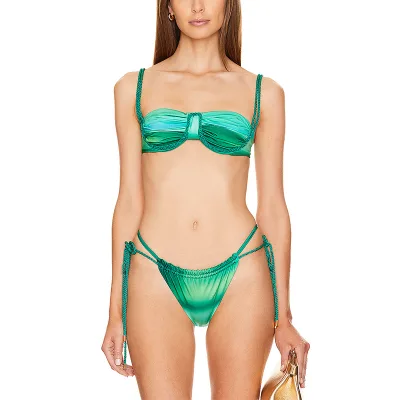
Comprehensive Sourcing Guide
Patchwork Knitted Swimming Clothes Set Sourcing Guide
Sourcing patchwork knitted swimming clothes sets requires careful attention to material composition, as observed listings frequently cite polyester and nylon blends with spandex for elasticity. Buyers must distinguish between generic knitted swimwear and specific patchwork constructions, noting that many available items are solid-colored or patterned rather than true patchwork. The observed product range includes various styles such as two-piece sets and short-sleeved suits, often originating from Fujian and Shanghai, China.
Procurement teams should verify that the "knitted" descriptor aligns with the actual fabric construction, as some listings describe woven polyester or nylon blends. The supply chain data indicates a wide range of customization options, including specific model numbers and size ranges from children's 70-80 to adult S-M-L. Buyers should prioritize suppliers who explicitly confirm the knitting technique and patchwork assembly method to ensure the final product matches the intended aesthetic and functional requirements.
Product Scope and Observed Listing Signals
The market for these sets displays significant variation in packaging and presentation, ranging from individual poly-bags to bulk carton shipments. Observed signals include specific packing details like "1PCS/PP Bag" or "50PCS/Carton," which directly impact logistics planning and retail display strategies. While some listings highlight "Good Quality" and "Nice Designs," these are subjective attributes that require physical sampling to validate against the buyer's quality standards.
Buyers must navigate a diverse inventory that includes items marked for specific occasions like swimming pools and general beachwear. The observed data shows available quantities up to 10,000 sets with a weekly supply ability of 5,000 sets, suggesting a robust but variable production capacity. It is critical to confirm whether the "patchwork" design is a permanent construction feature or a printed pattern, as this distinction affects durability and manufacturing complexity.
Technical Specifications to Verify
Technical verification must begin with the fabric composition, as listings cite both polyester and nylon as primary materials, often combined with spandex for stretch. Buyers should request detailed fabric specifications to confirm the percentage of spandex, which is essential for the fit and recovery of knitted swimwear. The observed size specifications vary from children's ranges to standard adult sizing, requiring precise mapping to the target demographic's fit requirements.
Dimensional standards also vary significantly, with some listings noting specific package dimensions like 30x30x20 cm or 30x25x3 cm. These figures likely refer to carton sizes rather than garment dimensions, necessitating a request for actual garment measurements and tolerance levels. Additionally, the weight of individual items, such as the observed 0.2 kg standard, should be verified to ensure accurate shipping cost calculations and inventory planning.
Compliance and Safety Documentation
Compliance verification is critical for swimwear, particularly regarding chemical safety and material standards. While some background data mentions certifications like GOTS or OEKO-TEX, these are not confirmed in the primary product facts and should not be assumed. Buyers must explicitly request current test reports for azo dyes, formaldehyde, and other restricted substances to ensure the garments meet the safety regulations of their target import markets.
Safety documentation should also address the physical integrity of the patchwork construction, ensuring seams do not unravel during use. The observed "SGS" standard reference indicates that third-party testing is available, but buyers must confirm the specific scope of these tests. It is advisable to require a Declaration of Conformity that explicitly covers the fabric blend and dyeing processes used in the patchwork assembly.
Cost Drivers and Commercial Terms
Cost structures for these sets are influenced by the complexity of the patchwork design and the specific material blend used. The observed price range of 2.8 to 24.99 USD reflects significant variation based on customization, fabric quality, and order volume. Buyers should analyze whether the lower price points correspond to standard solid colors or if they include the additional labor costs associated with assembling patchwork patterns.
Commercial terms must account for the observed Minimum Order Quantities (MOQ) ranging from 1 to 1200 units, which allows for flexible entry but requires careful volume planning. Lead times for sample orders are noted as 7 days, but bulk production timelines should be confirmed separately. Buyers should negotiate clear terms regarding price adjustments for material fluctuations and define penalties for delays in meeting the 5,000 sets per week supply capability.
Supplier Qualification and Quality Control
Supplier qualification should focus on their ability to manage the specific challenges of knitted patchwork assembly, which involves multiple fabric pieces. The observed "in-stock" supply type suggests some suppliers maintain inventory, but custom orders require a robust production line capable of handling varied patterns and sizes. Buyers should audit the supplier's quality control processes to ensure consistent stitching and color matching across the patchwork sections.
Quality control protocols must include pre-shipment inspections that specifically check for loose threads, uneven seams, and color bleeding in the knitted materials. The availability of customization implies that the supplier has flexible production capabilities, but this flexibility must not compromise consistency. Establishing a clear quality acceptance criteria based on the observed "Good Quality" claims is essential before finalizing any large-scale procurement agreement.
Long-Term Procurement Checks
Long-term procurement success depends on maintaining consistent quality and supply reliability over multiple production cycles. Buyers should implement a system to track defect rates specifically related to the patchwork construction and fabric durability after repeated washing and chlorine exposure. Regular re-verification of material composition is necessary, as suppliers may substitute materials to reduce costs without notifying the buyer.
Strategic planning should also consider the evolving nature of swimwear trends and the potential need for rapid design iterations. The observed variety in model numbers and styles indicates a dynamic product line, but buyers must ensure the supplier can scale production without sacrificing the integrity of the knitted fabric. Establishing a long-term partnership with clear communication channels will help mitigate risks associated with supply chain disruptions and quality drift.
FAQs
What materials are used for these swimsuits?
The swimsuits are primarily made from polyester and spandex blends, with some options featuring nylon and spandex. These materials ensure durability, stretch, and comfort. The fabric choices support quick-drying properties and breathability, making them suitable for active wear. Buyers can select from pure color or patterned designs based on their specific style preferences and functional needs.
Can I customize the packaging for bulk orders?
Yes, customization is available for packaging requirements. Standard options include poly-bags, OPP bags, or large cartons for bulk shipments. Specific configurations like one piece per poly bag or fifty pieces per carton are supported. Buyers can request tailored packing details to meet their logistical needs, ensuring safe transport and efficient inventory management for the purchased swimwear sets.
What is the typical lead time for samples?
Sample orders typically require seven days for processing and dispatch. This lead time allows for quality verification before committing to larger production runs. Buyers can request samples to evaluate the product features, such as quick-dry capabilities and design quality. This support ensures that the final bulk order meets the expected standards for material composition and overall construction.
Which sizes are available for children's swimwear?
Children's swimwear is available in sizes ranging from 70 to 100, catering to various age groups. Additionally, US sizing options include S, M, and L, corresponding to specific age brackets. These size ranges ensure a proper fit for young buyers. The two-piece styles and beachwear designs are tailored to accommodate growing children while maintaining comfort and style for pool or beach activities.
Are these swimsuits suitable for swimming pools?
Yes, these swimsuits are explicitly designed for swimming pool occasions. The materials, such as polyester and spandex, provide the necessary stretch and resistance to chlorine damage. Features like quick-dry technology and breathability enhance performance in water. The durable construction ensures longevity, making them a practical choice for regular swimming activities while maintaining a stylish appearance for various aquatic environments.