Source Peak Top Waterproof Garden Shed for Storage
Find 30 Peak Top Waterproof Garden Shed options from China. Compare steel and aluminum models with bolt connections, hot-dip galvanized finishes, and customizable sizes for secure outdoor storage. These units feature eco-friendly materials, fast installation, and durable construction suitable for various garden needs.
Updated
Key considerations
Products List
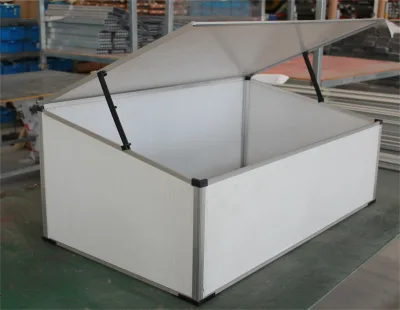


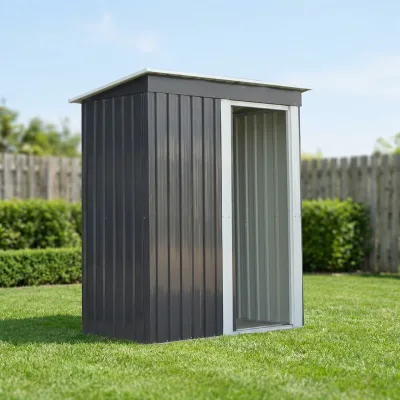
Garden Storage Shed Shed House Metal Garden Shed Waterproof Outdoor Building
$135.00 - $139.00
MOQ: 100 Pieces


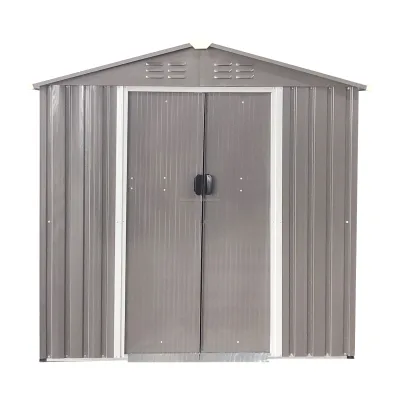
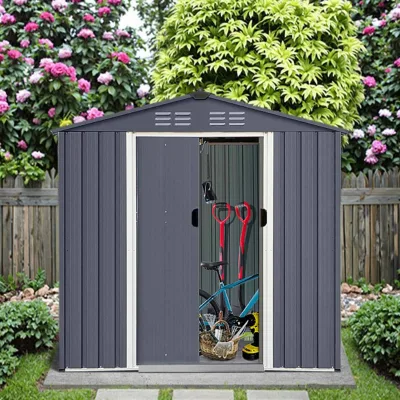
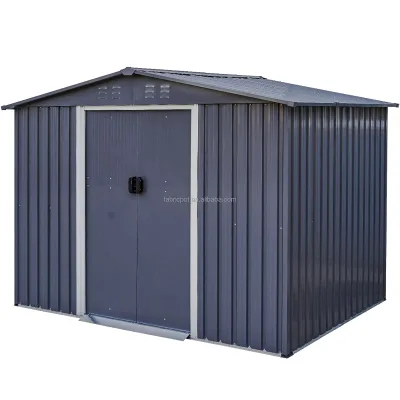
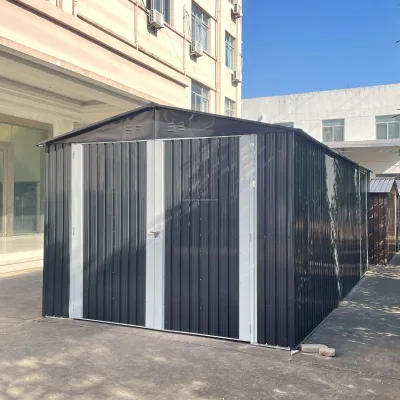
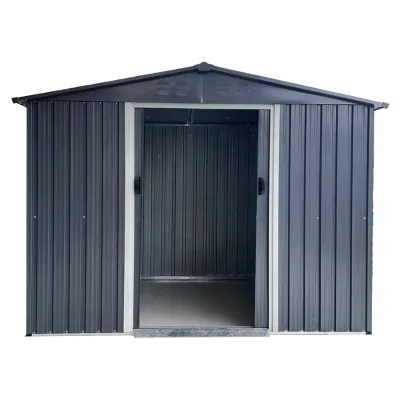
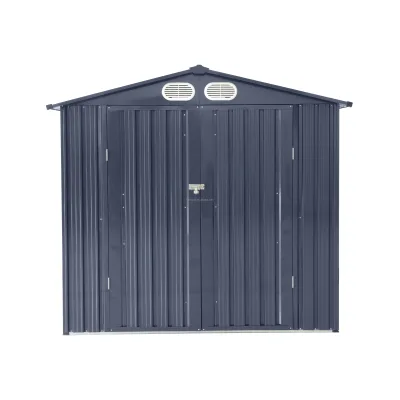


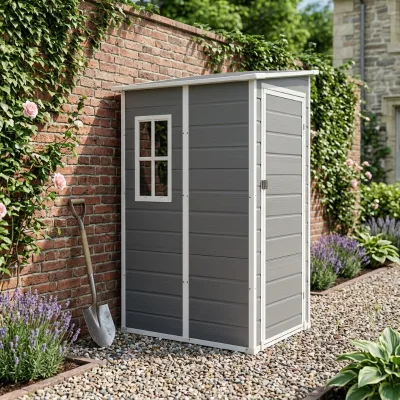
Comprehensive Sourcing Guide
Peak Top Waterproof Garden Shed Sourcing Guide
Procuring a Peak Top Waterproof Garden Shed requires a strategic approach that balances structural integrity with weather resistance, ensuring the asset protects valuable outdoor equipment and storage items for years. Buyers must prioritize suppliers who demonstrate consistent manufacturing capabilities in steel structure fabrication, as the core material dictates the shed’s longevity against rust and environmental degradation. The observed market signals indicate a strong presence of manufacturers from China, particularly in regions like Qingdao, Shandong, and Henan, which are known for their industrial output and export readiness.
This guide focuses on helping procurement professionals navigate the specific technical and commercial nuances of sourcing these units. By understanding the interplay between roof design, panel thickness, and surface treatment, buyers can mitigate risks associated with water leakage and structural failure. The following sections provide a structured framework for evaluating suppliers, verifying technical specifications, and establishing robust quality control measures, ensuring that the final procurement aligns with both budgetary constraints and operational durability requirements.
Product Scope and Observed Listing Signals
The current market landscape for peak top waterproof garden sheds reveals a diverse range of models, with observed product counts indicating a substantial supply base of thirty distinct listings. Prices for these units typically range from forty-five to five hundred US dollars, reflecting variations in material quality, size, and customization options. Minimum order quantities (MOQs) are generally flexible, spanning from ten to one thousand pieces, which accommodates both small-scale residential projects and larger commercial or institutional procurement needs. This variability allows buyers to scale their orders based on immediate storage requirements and logistical capacity.
Key product attributes frequently highlighted in listings include eco-friendliness, durability, and easy assembly, which are critical for end-users seeking low-maintenance solutions. The sheds are often described as easily movable and flexibly combinable, suggesting a modular design that enhances utility in confined or dynamic outdoor spaces. Common packaging methods include cartons and cardboard boxes, which facilitate efficient shipping and handling. Buyers should note that while many listings emphasize fast installation, the actual complexity can vary, with some units offering DIY-friendly features like pre-drilled holes and manual instructions.
Technical Specifications to Verify
When evaluating technical specifications, buyers must scrutinize the structural materials and surface treatments to ensure long-term performance. The primary materials observed include steel structures and color-coated steel sheets, with some listings specifying aluminum alloy components for specific parts. Surface treatments such as hot-dip galvanization and powder coating are critical for preventing corrosion, especially in humid or coastal environments. Buyers should verify the exact panel thickness and confirm whether the steel gauge meets industry standards for wind and snow load resistance, as these factors directly impact the shed’s ability to withstand severe weather conditions.
Roof and door designs are equally important, with apex roofs and sliding or hinged doors being common configurations. Observed dimensions vary significantly, ranging from compact sizes like 5x3 feet to larger configurations such as 12x10 feet, with specific models like KXD 3050 and SA-DS-02 offering distinct footprint options. Buyers must ensure that the selected model’s dimensions align with their available space and that the door type facilitates easy access to stored items. Additionally, verifying the connection form, such as bolt connections, is essential to ensure that the assembly process is straightforward and that the structure remains stable over time.
Compliance and Safety Documentation
Compliance with international standards is a non-negotiable aspect of sourcing garden sheds, particularly for buyers operating in regulated markets. Many suppliers claim adherence to ISO standards, along with certifications from recognized bodies like BV and SGS, which provide an additional layer of assurance regarding manufacturing quality and safety. Buyers should request valid certification documents and verify their authenticity, as these credentials indicate that the supplier follows established protocols for production and quality management. The presence of RoHS certification is also notable, suggesting that the materials used are free from certain hazardous substances, which is beneficial for eco-conscious procurement strategies.
Customization options are frequently available, allowing buyers to tailor the shed to specific regulatory or aesthetic requirements. However, buyers must ensure that any customizations do not compromise the structural integrity or compliance status of the unit. It is advisable to request detailed documentation for any customized features, including material safety data sheets and structural calculation reports. This due diligence helps mitigate the risk of non-compliance and ensures that the shed meets all necessary safety and environmental standards in the destination market.
Cost Drivers and Commercial Terms
Several factors influence the final cost of a Peak Top Waterproof Garden Shed, with material quality, size, and customization being primary drivers. The observed price range of forty-five to five hundred US dollars reflects these variations, with higher prices typically associated with larger dimensions, thicker panels, and more robust surface treatments. Buyers should analyze the cost breakdown to understand how much of the price is attributed to raw materials versus labor and logistics. Understanding these drivers helps in negotiating better terms and identifying potential areas for cost savings without compromising on quality.
Commercial terms, including MOQs and payment conditions, also play a significant role in the overall procurement cost. With MOQs ranging from ten to one thousand pieces, buyers can leverage their order volume to negotiate discounts or favorable payment terms. It is crucial to clarify shipping and packaging costs, as these can significantly impact the total landed cost. Buyers should also consider the lead times and ensure that the supplier can meet their delivery deadlines, as delays can result in additional storage or operational costs. Clear communication regarding these terms helps in avoiding unexpected expenses and ensures a smooth procurement process.
Supplier Qualification and Quality Control
Supplier qualification is a critical step in ensuring the reliability and consistency of the garden shed supply chain. Buyers should conduct thorough due diligence on potential suppliers, verifying their business licenses, manufacturing capabilities, and export experience. Given that many suppliers are located in China, particularly in Shandong and Henan, buyers should assess the supplier’s ability to maintain consistent quality across large production runs. Requesting samples or conducting factory audits can provide valuable insights into the supplier’s production processes and quality control measures.
Quality control measures should be clearly defined and agreed upon before placing orders. Buyers should specify inspection criteria, including checks for material thickness, surface treatment quality, and assembly precision. Implementing a third-party inspection service can provide an objective assessment of the goods before shipment, reducing the risk of receiving defective products. Establishing a clear communication channel for addressing quality issues and defining remedies for non-conforming goods is essential for maintaining a productive supplier relationship and ensuring that the final product meets the buyer’s expectations.
Long-Term Procurement Checks
Long-term procurement success depends on establishing ongoing performance metrics and regular supplier evaluations. Buyers should track key performance indicators such as delivery times, defect rates, and responsiveness to issues to identify potential problems early. Regular feedback sessions with suppliers can help address any recurring issues and foster continuous improvement. By maintaining a proactive approach to supplier management, buyers can ensure that their supply chain remains resilient and adaptable to changing market conditions.
Additionally, buyers should stay informed about industry trends and technological advancements in garden shed manufacturing. This knowledge can help in identifying new opportunities for cost savings or performance enhancements. Regularly reviewing and updating procurement strategies based on market insights and supplier performance ensures that the organization remains competitive and efficient. By focusing on long-term relationships and continuous improvement, buyers can secure a reliable supply of high-quality peak top waterproof garden sheds that meet their evolving needs.
FAQs
What materials are used for peak top waterproof garden sheds?
These sheds typically utilize steel structures or color-coated steel sheets for durability. Some models feature aluminum alloy components for lightweight strength. The materials are chosen to ensure eco-friendliness and resistance to weather elements, providing a robust storage solution for outdoor environments while maintaining structural integrity over time.
Can peak top waterproof garden sheds be customized?
Yes, customization is available for many models. Buyers can often select specific sizes, such as H2000*W2400*D1800mm or other standard dimensions. Customization options may include roof designs like apex or pent roofs, door types, and color choices including beige, brown, gray, or wood grain finishes to match specific aesthetic preferences.
How are peak top waterproof garden sheds installed?
Installation is designed to be fast and DIY friendly. Features include pre-drilled holes and manual or video guides for easy assembly. The bolt connection form ensures secure structural integrity. Most units are marketed as easily assembled, allowing users to construct the shed without professional help, significantly reducing setup time and complexity.
What certifications do these garden sheds typically hold?
Products often hold ISO, BV, and SGS certifications to ensure quality standards. Some models also feature RoHS certification for environmental safety. These certifications verify that the manufacturing processes and materials meet international regulatory requirements, providing buyers with confidence in the product's compliance, safety, and overall quality assurance throughout the supply chain.
What is the typical MOQ for these sheds?
The minimum order quantity generally ranges from 10 to 1000 pieces depending on the supplier and model. Some specific items list an MOQ of 10 PCS. Buyers should verify the exact MOQ with the supplier, as it varies based on customization requirements, packaging methods, and the specific production capacity of the manufacturing facility.
Where are these sheds manufactured?
These products are primarily manufactured in China, with specific origins noted in Qingdao, Shandong, and Henan provinces. This location allows for efficient production and export logistics. Buyers sourcing from these regions benefit from established supply chains and manufacturing expertise in steel structures and metal storage solutions for global distribution networks.