Source Pet Brushes for Grooming, Cleaning, and Shedding
Compare 30 Pet Brushes from verified suppliers in China. These tools include steel and plastic options for dogs, cats, and small animals, featuring sustainable designs and customizable packaging to meet diverse grooming needs; compare the available evidence and request quotations based on your requirements.
Updated
Key considerations
Products List




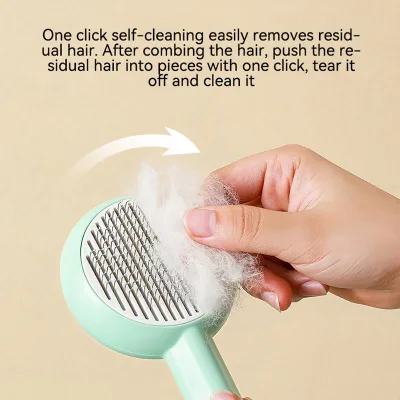
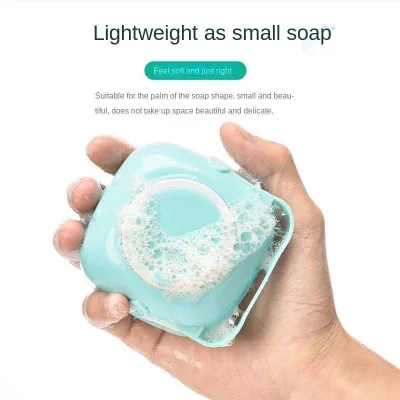
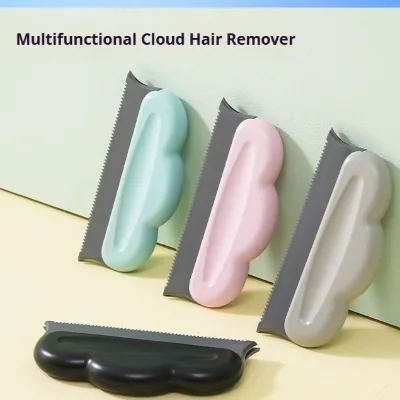


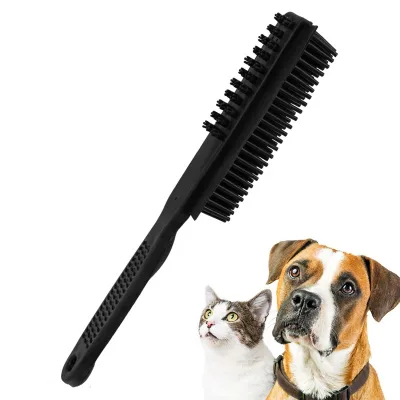


Comprehensive Sourcing Guide
Pet Brushes Sourcing Guide
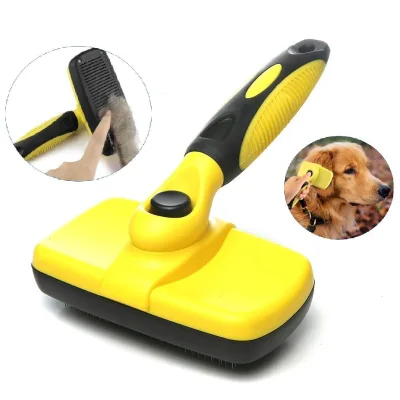
Sourcing Pet Brushes requires a clear understanding of the diverse product landscape available from manufacturers, particularly those concentrated in key industrial hubs like Ningbo and Anqing in China. Buyers must distinguish between manual grooming tools and automated devices, as the supply chain for each varies significantly in terms of material composition and functional design. The observed market includes items ranging from simple steel-headed combs to complex water fountains, necessitating precise specification alignment to avoid procurement errors.
Procurement teams should prioritize suppliers who offer customization options, as private labeling and tailored packaging are common requirements for retail brands. The presence of logo printing services and customized packing solutions indicates a mature supply chain capable of supporting brand-specific needs. However, buyers must verify whether the customization applies to the product structure, the packaging dimensions, or both, ensuring that the final delivered goods match the marketing and logistical requirements of the target market.
Product Scope and Observed Listing Signals
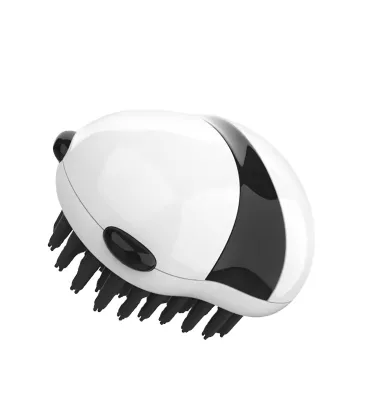
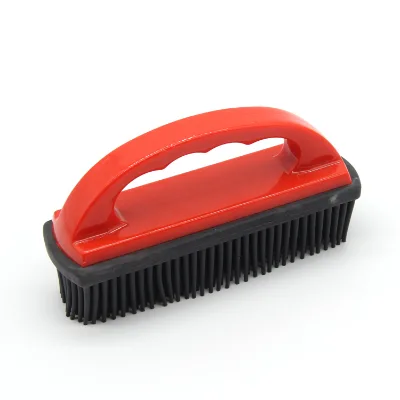
The current market listings for Pet Brushes reveal a wide array of product names and intended functions, including pet hair removal brushes, grooming combs, and even pet water fountains. This diversity suggests that many suppliers operate as generalist pet accessory manufacturers rather than specialized brush producers. Buyers should carefully review product titles and descriptions to confirm that the item matches their specific grooming needs, as terms like "clean function" or "dog drink fresh water" may indicate unrelated products listed under the same category.
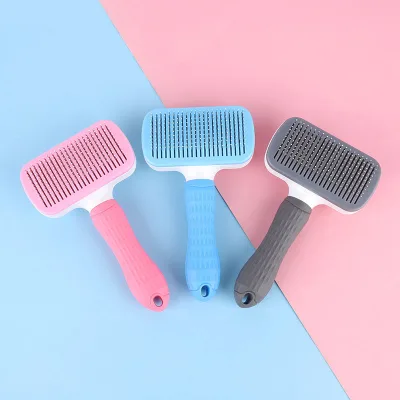
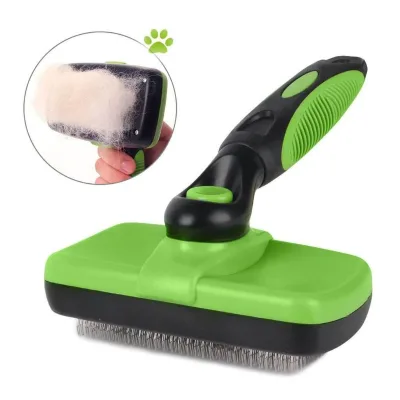
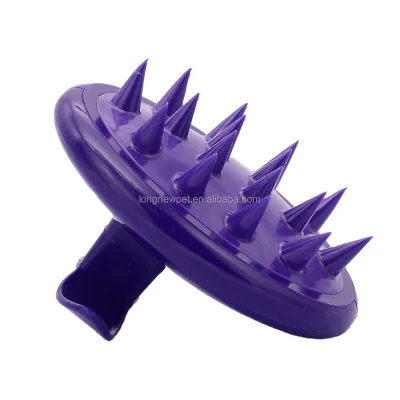
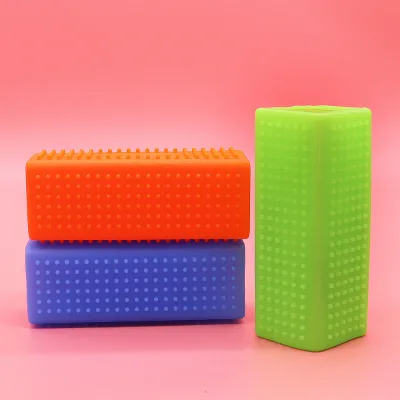
Observed attributes highlight a strong emphasis on sustainability and eco-friendly materials, with products featuring ABS, TPR, and stainless steel constructions. The color palette is typically multicolor, offering options in blue, yellow, green, and purple to appeal to diverse consumer preferences. Additionally, the manual nature of most brushes is confirmed by the "Not Electric" attribute and "Not Applicable" voltage status, which simplifies regulatory compliance but requires buyers to focus on ergonomic design and material durability rather than electrical safety.
Technical Specifications to Verify
Technical verification must begin with the physical dimensions and weight of the brushes, as these factors directly impact shipping costs and user comfort. Listings show sizes ranging from approximately 13.5x7.5cm to 20x12x8cm, with weights varying between 135g and 225g. Buyers should request exact single-package dimensions to calculate container loading efficiency accurately, as discrepancies between stated and actual sizes can lead to unexpected freight charges and storage issues in the destination warehouse.
Material composition is another critical technical parameter, with brush heads often made of steel and handles constructed from plastic or ABS+TPR combinations. The needle length of combs, observed at around 9cm, is a key specification for effective undercoat removal without damaging the pet's skin. Procurement teams must verify the quality of the stainless steel used in the bristles to ensure rust resistance and longevity, while also confirming the flexibility and grip quality of the plastic handles for safe and effective grooming sessions.
Compliance and Safety Documentation
Compliance documentation is essential for importing pet grooming tools, with certifications such as CCC, ISO, CE, and RoHS frequently cited in supplier listings. Buyers must verify the validity and scope of these certifications, ensuring they cover the specific materials and manufacturing processes used for the brushes. The presence of RoHS certification is particularly important for products containing plastics and metals, as it confirms the absence of hazardous substances that could pose risks to pets or humans during prolonged contact.
Standardization of product dimensions and packaging is also a compliance-related concern, with observed standards like 2010.5CM and 13.57.5CM indicating common sizing conventions. Buyers should ensure that the supplier adheres to these standards or provides clear alternative specifications to avoid confusion in the supply chain. Additionally, the "Customized Standard" attribute suggests flexibility, but buyers must document any deviations from industry norms to ensure consistent quality control and regulatory acceptance in their target markets.
Cost Drivers and Commercial Terms
Cost structures for Pet Brushes are influenced by material choices, customization levels, and order quantities, with observed MOQs ranging from 1 to 5000 units. Buyers should negotiate pricing based on the complexity of the design, as items with multiple colors or specialized steel bristles may carry higher production costs. The availability of customized packing, such as paper cards or OPP bags, can also affect the unit price, so it is crucial to clarify all packaging requirements upfront to avoid hidden fees.
Lead times and payment terms are significant commercial factors that vary by supplier and order volume. While specific lead times are not provided in the observed data, buyers should establish clear timelines for production and shipping to align with their inventory planning. The use of standard packing units, such as 100PCS/CTN, facilitates easier logistics management, but buyers must confirm the total carton dimensions and weight to optimize freight costs and ensure efficient warehouse handling upon arrival.
Supplier Qualification and Quality Control
Supplier qualification should focus on verifying the manufacturer's location and production capabilities, with key origins identified as Ningbo, Anqing, and Guangdong in China. Buyers should conduct site audits or request third-party verification reports to confirm the supplier's ability to maintain consistent quality across large production runs. The presence of customization services indicates a flexible manufacturing process, but buyers must ensure that the supplier has robust quality control measures in place to handle varied product specifications without compromising on durability or safety.
Quality control protocols should include random sampling and functional testing of the brushes upon receipt. Buyers should verify that the steel bristles are securely attached and that the plastic handles are free from defects such as cracks or rough edges. Additionally, checking the packaging integrity is essential to prevent damage during transit, especially for products with fragile components. Establishing a clear defect rate threshold and return policy with the supplier is crucial for maintaining product quality and customer satisfaction in the end market.
Long-Term Procurement Checks
Long-term procurement success depends on continuous monitoring of supplier performance and market trends. Buyers should regularly review supplier certifications to ensure they remain valid and up-to-date, particularly for standards like ISO and CE that may require periodic renewal. Tracking changes in material costs, such as fluctuations in steel or plastic prices, can help buyers anticipate price adjustments and negotiate favorable long-term contracts that protect against sudden cost increases.
Sustainability and eco-friendly features are becoming increasingly important to consumers, so buyers should assess whether their suppliers are adopting greener materials and manufacturing processes. The observed emphasis on sustainable features suggests a market shift towards environmentally responsible products, and aligning with suppliers who prioritize eco-friendly practices can enhance brand reputation. Regularly updating product specifications to reflect these trends will help maintain competitiveness and meet evolving consumer expectations in the pet care industry.
FAQs
What certifications do Pet Brushes have?
Pet Brushes typically carry CCC, ISO, CE, and RoHS certifications to ensure safety and quality standards. These credentials verify that materials like ABS, TPR, and stainless steel meet regulatory requirements for pet grooming tools. Buyers should verify specific documentation from suppliers to confirm compliance with international trade standards and product safety regulations.
Can Pet Brushes be customized with a logo?
Yes, customization is available for many pet brush models, including logo printing options. Suppliers offer customized packing and standard variations to meet specific branding needs. This service allows buyers to create unique products for their market while maintaining functional features like sustainable materials and effective hair removal capabilities for dogs and cats.
What is the typical MOQ for Pet Brushes?
The minimum order quantity for Pet Brushes ranges from 1 to 5000 units depending on the supplier and customization level. Standard items may have lower MOQs, while customized products with specific packaging or logo printing often require higher volumes. Buyers should confirm exact MOQs with manufacturers to align with their inventory and budget requirements.
Where are Pet Brushes manufactured?
Pet Brushes are primarily manufactured in China, with key production hubs in Ningbo, Anqing, and Guangdong. These regions offer established supply chains for materials like plastic, steel, and ABS. Buyers can source products from these locations to benefit from competitive pricing and efficient logistics for global distribution of grooming tools.
What materials are used in pet brush heads?
Pet brush heads commonly use steel needles or stainless steel combined with ABS and TPR materials for durability and comfort. Handles are typically made of plastic, while some models feature eco-friendly or sustainable material options. These combinations ensure effective grooming for dogs, cats, and small animals while maintaining ease of cleaning and long-term usability.