Source Hide and Seek Plush Dog Squeaky Toy for Training, Play, and Gifting
Compare 30 Hide and Seek Plush Dog Squeaky Toy options from China. These customizable, eco-friendly pet toys feature various sizes, certifications like ISO and CE, and OEM services for bulk sourcing needs; compare the available evidence and request quotations based on your requirements.
Updated
Key considerations
Products List


Halloween Mummy & Coffin Hide & Seek Puzzle Plush Squeaky Dog Toy, Medium
$0.50 - $3.00
MOQ: 2000 Pieces





Comprehensive Sourcing Guide
Hide and Seek Plush Dog Squeaky Toy Sourcing Guide
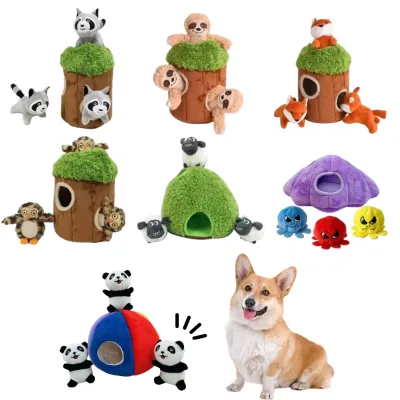
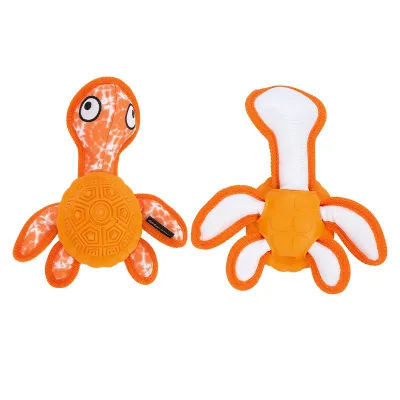
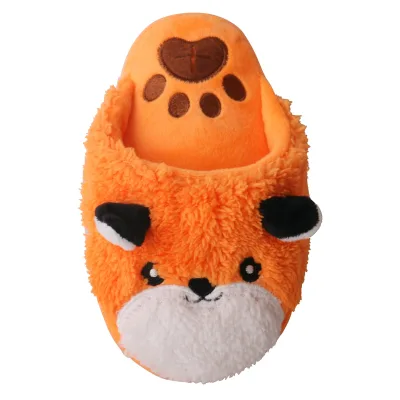
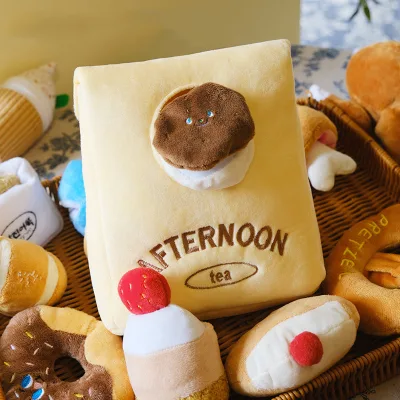
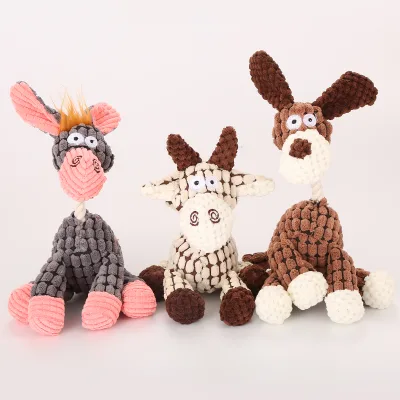
Buyers evaluating this category must first recognize that the core product is defined by its plush construction and interactive squeaker mechanism designed specifically for canine engagement. The observed market data indicates that these items are primarily manufactured in China, with specific production hubs noted in Zhejiang, suggesting a concentrated supply chain for textile-based pet accessories. Sourcing decisions should account for the fact that while the base material is consistently plush, the specific dimensions vary significantly across listings, ranging from compact 14cm models to larger configurations measuring up to 43cm in length.
Procurement strategies must also accommodate the high degree of customization available in this sector, as suppliers frequently offer options for logo printing, color variations, and tailored packaging requirements. The commercial reality involves a wide range of minimum order quantities, with some suppliers requiring as few as two units while others mandate orders exceeding 1,500 pieces. Buyers need to align their inventory planning with these varying thresholds, ensuring that their initial orders meet the specific supplier's threshold while balancing the need for product variety and brand identity through custom branding elements.
Product Scope and Observed Listing Signals
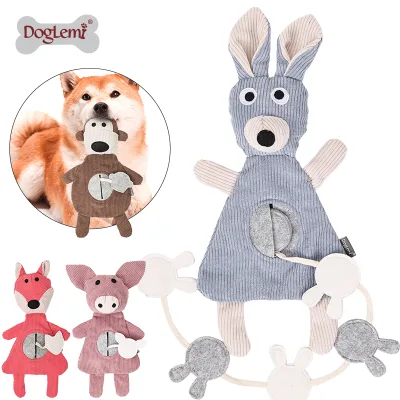
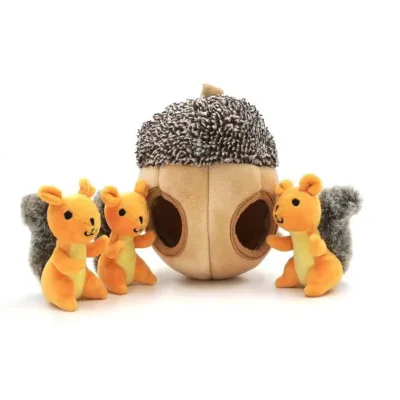
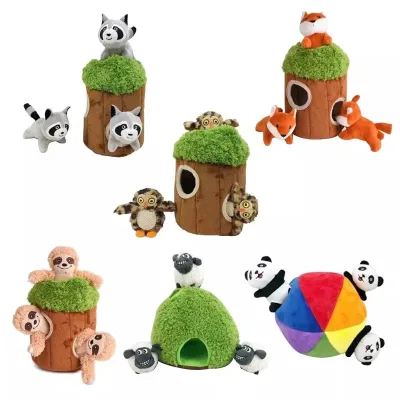
The product scope for hide and seek plush toys is characterized by a distinct combination of soft materials and auditory feedback mechanisms, specifically designed to stimulate a dog's natural hunting instincts. Listings confirm that these toys often feature squeakers embedded within the plush body, providing immediate sensory feedback that encourages prolonged play. The observed product attributes highlight that these items are marketed as eco-friendly, suggesting a growing market preference for sustainable materials in pet care products, though the specific composition of these eco-friendly claims requires direct verification with the manufacturer.
Listing signals further reveal that packaging and presentation vary widely, with options ranging from simple polybags with hangers to more elaborate color boxes or custom cartons. This variability impacts the final landed cost and the unboxing experience for the end consumer, making it a critical factor in the selection process. Buyers should note that while some models are described as having specific dimensions like 12x20cm or 26x18cm, others are defined by their model numbers, necessitating a careful review of technical drawings or physical samples to ensure the size matches the intended use case for different dog breeds.
Technical Specifications to Verify
Technical verification must begin with the precise physical dimensions of the toy, as the observed data shows a lack of standardization with sizes ranging from 14cm to 43cm in length. Buyers should request detailed specification sheets that confirm the exact length, width, and height of the product to ensure it is appropriate for the target dog size, preventing issues where a toy is too small to be safe or too large to be manageable. The model numbers provided in listings, such as MF22AL083 or YT119913, serve as unique identifiers that must be cross-referenced with physical samples to confirm that the dimensions match the advertised specifications before placing a bulk order.
In addition to size, the internal construction and the durability of the squeaker mechanism are critical technical parameters that require rigorous testing. The product descriptions mention features like "squeaker" and "colorful" designs, but the actual performance of the sound mechanism under stress is not guaranteed by the listing alone. Buyers should verify the placement of the squeaker within the plush body to ensure it is securely encased and cannot be easily removed by a determined chewer, which is a common failure point in plush dog toys. Confirming the structural integrity of the stitching and the quality of the plush fabric is essential to prevent premature wear and tear during active play.
Compliance and Safety Documentation
Compliance documentation for these toys must address the specific safety standards required for pet products, which often include certifications like CE, ISO, and BSCI as observed in the supplier data. While some listings explicitly mention certifications such as CCC, RoHS, and ISO9001, buyers must verify that these certifications are current and applicable to the specific product being sourced, as the presence of a certification on a general company profile does not guarantee that every individual SKU has undergone the necessary testing. The distinction between general company certifications and product-specific safety approvals is a vital step in mitigating liability risks associated with pet toys.
Safety verification should also extend to the materials used in the plush construction and the squeaker components, ensuring they are non-toxic and free from harmful chemicals. The observed "eco-friendly" attribute suggests a potential alignment with stricter environmental and safety regulations, but this claim requires substantiation through material safety data sheets or third-party test reports. Buyers should explicitly request documentation proving that the dyes, fabrics, and internal stuffing meet the safety standards of their target market, particularly regarding small parts that could pose a choking hazard if the toy is damaged during play.
Cost Drivers and Commercial Terms
Cost drivers in this category are heavily influenced by the level of customization, with options for logo printing, custom colors, and specialized packaging adding significant variable costs to the base unit price. The observed price range of 0.35 to 5.8 USD reflects the disparity between basic, unbranded items and highly customized, premium versions with complex features like unique shapes or advanced squeaker technology. Buyers must carefully evaluate the trade-off between customization and cost, ensuring that the added expense of branding and unique design elements aligns with the perceived value in their specific market segment.
Commercial terms also play a pivotal role in the total cost of ownership, with lead times varying from 20 to 45 days depending on the order volume and complexity. The observed minimum order quantities, ranging from 2 to 2,000 pieces, directly impact the per-unit cost and the capital required to initiate a production run. Payment terms, such as the observed 30% advance and 70% against bill of lading, are standard but require careful financial planning to manage cash flow effectively. Buyers should negotiate these terms to align with their inventory turnover rates and ensure that the lead times accommodate their seasonal demand fluctuations.
Supplier Qualification and Quality Control
Supplier qualification should prioritize manufacturers with a proven track record in pet product manufacturing, specifically those located in established industrial hubs like Zhejiang, China. The observed data indicates that many suppliers offer OEM and ODM services, suggesting a capacity for custom development, but buyers must verify the supplier's actual production capabilities through factory audits or video inspections. It is crucial to confirm that the supplier has the necessary infrastructure to handle the specific customization requests, such as logo printing and color matching, without compromising the structural integrity of the plush toy.
Quality control protocols must be established early in the sourcing process to ensure consistency across the production run. Buyers should implement a clear inspection plan that includes pre-production sample approval, in-process quality checks, and final random inspections before shipment. Given the variability in observed lead times and the potential for production delays, maintaining open communication with the supplier regarding production milestones is essential. Establishing a clear definition of acceptable quality standards, including stitch density and squeaker functionality, will help prevent disputes and ensure that the final product meets the buyer's expectations.
Long-Term Procurement Checks
Long-term procurement success relies on establishing a robust relationship with suppliers that can adapt to changing market demands and volume requirements. Buyers should regularly review supplier performance metrics, including on-time delivery rates, defect rates, and responsiveness to quality issues, to ensure that the partnership remains viable over time. The observed lead times of 30 to 45 days suggest that production capacity can be a bottleneck, so maintaining a buffer stock or diversifying the supplier base may be necessary to mitigate supply chain disruptions.
Continuous improvement in product design and material sourcing is another critical aspect of long-term strategy, as consumer preferences for eco-friendly and durable pet toys continue to evolve. Buyers should work closely with suppliers to explore new materials and manufacturing techniques that can enhance the product's sustainability and safety profile. Regularly updating the product specifications based on customer feedback and market trends will help maintain a competitive edge. Additionally, maintaining a clear record of all certifications and compliance documents ensures that the supply chain remains transparent and ready for any future regulatory changes.
FAQs
Can I customize the logo on these plush dog toys?
Yes, logo printing is available for these items. The product attributes indicate that customization options are open to buyers. You can request specific branding to be applied to the plush material. This allows for unique marketing of the squeaky animal toys for your specific pet product line or retail needs.
What certifications do these dog toys have?
These toys hold several key certifications including ISO, CE, CCC, and RoHS. Some listings also mention BSCI and ISO9001 standards. These credentials ensure the products meet international safety and quality requirements for pet accessories. Buyers can verify these documents to ensure compliance with their local market regulations.
What is the typical delivery time for orders?
The delivery time typically ranges from 20 to 45 days. Specific models may have fixed lead times, such as 30 or 40 days. This timeframe accounts for production and packaging processes. Buyers should confirm the exact schedule with the supplier based on the specific model number and order quantity to plan inventory effectively.
What are the standard packaging options for these toys?
Packaging varies by model but includes polybags with hangers, color boxes, and cartons. Some suppliers offer packing on your request or with hangtags. The standard packing is often carton for bulk shipping. These options protect the plush material during transit and allow for retail-ready presentation or bulk distribution to stores.
What is the minimum order quantity for these items?
The MOQ ranges from 2 to 2000 pieces depending on the supplier. Specific models may require higher quantities, such as 1440 or 1500 pieces. This variation allows flexibility for different business sizes. Buyers should check the specific model requirements to determine the exact minimum order needed for their procurement strategy.
Where are these plush dog toys manufactured?
These toys are manufactured in China, specifically in Zhejiang province. The origin is listed as China Mainland for most suppliers. This region is known for its strong manufacturing capabilities in pet products. Buyers can expect consistent quality and competitive pricing from these established production centers in the region.