Source Eco-Friendly Squeaky Pet Chew Toy for Dogs
Source eco-friendly squeaky pet chew toy options from 30 verified listings. Compare materials like rubber and plush, check customization for logos, and review MOQs ranging from 3 to 5000 pieces for dog training and play; compare the available evidence and request quotations based on your requirements.
Updated
Key considerations
Products List


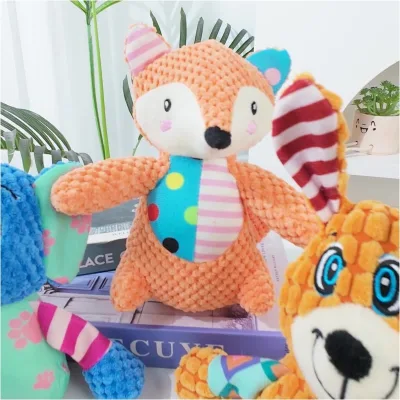
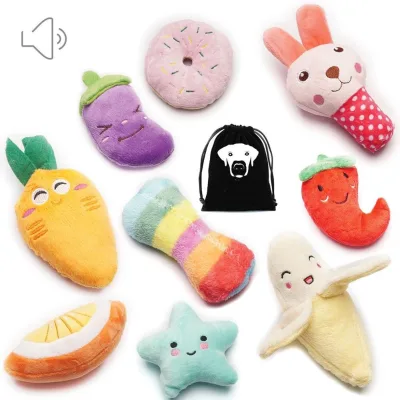
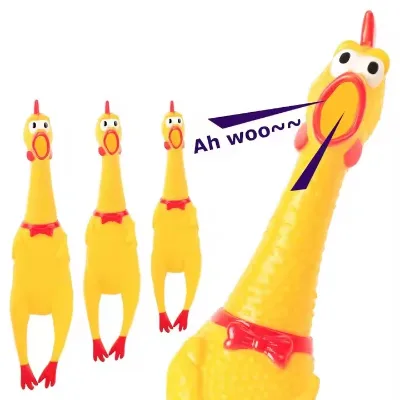
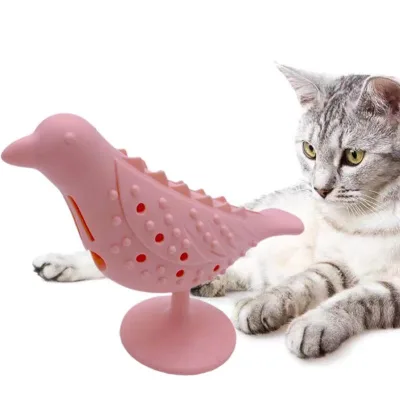
Eco-Friendly Soft Chew Toy for Dogs & Cats, Durable Plush Squeaky Toy
$0.3116 - $1.5969
MOQ: 3 Minimum






Comprehensive Sourcing Guide
Eco-Friendly Squeaky Pet Chew Toy Sourcing Guide
Buyers must first distinguish between products labeled as eco-friendly and those simply featuring squeaky mechanisms, as the supplied data indicates a mix of materials including rubber and plush with cotton rope. While some listings explicitly claim sustainable features, others rely on standard plush construction without verified environmental certifications. Procurement teams should prioritize suppliers who can substantiate the "eco-friendly" claim with specific material sourcing data rather than relying on generic marketing terms found in product descriptions.
The observed product range includes items with varying customization options, from non-customized solid colors to fully customized packaging and logos. Buyers should verify if the "eco-friendly" attribute applies to the core material or merely the packaging, as some entries list polybag or OPP bag packing without specifying biodegradable alternatives. Understanding this distinction is critical for aligning procurement with corporate sustainability goals, ensuring that the selected chew toys meet both functional requirements for dogs and the specific environmental standards of the target market.
Product Scope and Observed Listing Signals
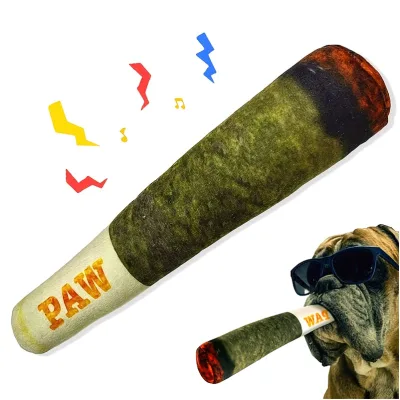
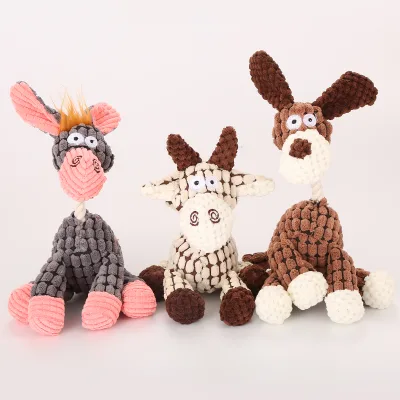
The market for these toys presents a diverse array of specifications, ranging from small interactive plush items to extra-large durable chew toys designed for training. Listings indicate specific features such as squeaky mechanisms and cartoon styles, with sizes varying from 38cm to 52cm and model numbers like CCG-PT67 or CWWJ-6-19-21. Buyers should carefully cross-reference these physical dimensions with the intended use case, as the "toy specification" often includes categories like small, large, or extra-large, which directly impacts the suitability for different dog breeds.
Commercial signals reveal a wide MOQ range from 3 units to 5000, with specific listings showing thresholds of 50 or 100 pieces. Pricing observations suggest a broad spectrum from $0.22 to $5.99, reflecting differences in material complexity and customization levels. Procurement strategies must account for these variables, as the "custom option" for packaging often requires higher volume commitments. Buyers should analyze whether the low MOQs allow for testing specific designs before scaling up to the higher volume tiers required for cost-effective production.
Technical Specifications to Verify
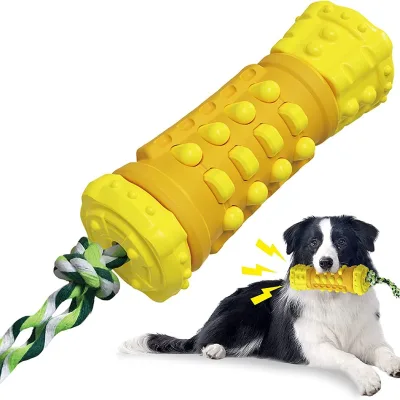
Verification of material composition is paramount, as the data shows a split between rubber and plush+cotton rope constructions. Buyers must confirm that the "plush" material is indeed paired with sustainable cotton rope and that the rubber components meet safety thresholds for non-toxicity. The presence of "squeaky" features requires specific attention to the internal mechanism's durability and the potential for small parts to detach, which poses a choking hazard. Ensuring the material integrity matches the "eco-friendly" claim is essential for maintaining product safety and brand reputation.
Dimensional accuracy and weight specifications also require rigorous validation against the provided data points. Listings cite single package sizes of 20x18x18 cm and gross weights around 0.065 kg, but these figures may vary significantly across different models and color options. Buyers should request physical samples to verify that the stated sizes, such as 13.7 x 11.8 inches or the 38cm/52cm standards, are consistent with the actual product received. Discrepancies in these technical specs can lead to logistical issues and customer dissatisfaction, making precise measurement a critical step in the sourcing process.
Compliance and Safety Documentation
While the supplied context mentions OEKO-TEX as a background standard, it does not confirm its application to the specific products listed. Buyers must explicitly request current test reports verifying that the plush, rubber, and cotton rope materials are free from harmful substances like lead, phthalates, or azo dyes. Relying on the "eco-friendly" label without documented chemical safety data is insufficient for international markets, where strict regulations govern pet product safety. Procurement teams should insist on third-party laboratory results that specifically address the materials used in the squeaky mechanisms and the outer fabric.
Safety documentation must also cover the mechanical integrity of the toy, particularly regarding the squeaker and stitching strength. The "durable" advantage claimed in some listings needs to be backed by drop tests and chew resistance data to ensure the toy does not break apart easily. Buyers should verify that the supplier has a history of compliance with relevant pet safety standards, such as ASTM F963 or EN71, even if these are not explicitly listed in the initial product data. Without these specific safety certifications, the risk of product recalls or liability issues remains high, regardless of the marketing claims.
Cost Drivers and Commercial Terms
The final cost of these toys is heavily influenced by the level of customization and the chosen material composition. Listings indicate that "customized" options for packaging and logos often come with higher MOQs, such as 100 or 500 pieces, which can drive up the unit price if the order volume is not sufficient. Buyers should negotiate based on the specific material mix, as rubber and plush+cotton rope constructions may have different cost structures compared to standard plush items. Understanding the relationship between customization complexity and volume is key to optimizing the total landed cost.
Commercial terms regarding lead times and payment structures vary significantly across the observed supplier base. While some listings suggest flexible MOQs as low as 3 units, others require substantial commitments of up to 5000 pieces. Buyers must clarify the lead time implications of customizing the product, as the "new design" or "luxury" styles may require additional production time. It is essential to establish clear terms for shipping, including whether the polybag or OPP bag packing is included in the quoted price, to avoid unexpected costs that could erode profit margins.
Supplier Qualification and Quality Control
Supplier qualification should focus on their ability to consistently deliver on the "eco-friendly" and "durable" claims found in product descriptions. Buyers must assess the supplier's quality control processes to ensure that the "squeaky" feature remains functional after repeated use and that the stitching holds under stress. Given the variety of materials, from rubber to plush, the supplier must demonstrate expertise in handling these different components without compromising the toy's structural integrity. A robust QC plan is necessary to catch defects before the products leave the factory.
Visual and functional inspections are critical for verifying the "style" and "pattern" attributes, such as solid colors or cartoon designs. Buyers should implement a sampling protocol that checks for color consistency, as some listings offer "random selection" which may lead to inconsistent batches. The "single gross weight" and "single package size" must also be verified to ensure they match the shipping documentation. Establishing a clear acceptance criteria based on the observed specifications will help maintain product quality and prevent disputes with downstream distributors or retailers.
Long-Term Procurement Checks
Sustaining a successful supply chain for eco-friendly pet toys requires regular audits of the supplier's material sourcing practices. Buyers should periodically verify that the "plush" and "cotton rope" materials continue to meet the stated sustainability standards, as supply chain shifts can alter material origins. The "custom option" for packaging should also be reviewed to ensure it remains aligned with evolving environmental regulations and customer expectations. Continuous monitoring of these factors ensures that the product maintains its "eco-friendly" status over the long term.
Performance tracking of the toys in the market is essential for identifying any recurring issues with durability or safety. Buyers should gather feedback on the "squeaky" mechanism's longevity and the "chew toy" functionality to inform future design iterations. If the "durable" claim is not holding up in real-world use, the supplier must be engaged to address these quality concerns immediately. Establishing a feedback loop between the buyer and the supplier will facilitate continuous improvement and ensure the product remains competitive in the pet toy market.
FAQs
What materials are used in these eco-friendly squeaky pet chew toys?
The toys are primarily constructed from rubber and plush materials combined with cotton rope. This composition ensures durability for chewing while maintaining an eco-friendly profile. Some models feature solid patterns and cartoon styles, offering varied textures for dogs. The materials are selected to support sustainable practices and provide safe, engaging play experiences for pets during daily exercise routines.
Can I customize the packaging for these pet chew toys?
Yes, customization options are available for packaging. Buyers can select specific packaging methods such as polybags or opp bags to suit their distribution needs. The product supports customized packaging solutions, allowing businesses to tailor the presentation. This flexibility helps in branding and protecting the toys during shipping, ensuring they arrive in optimal condition for retail or direct sale to end consumers.
What is the minimum order quantity for these squeaky dog toys?
The minimum order quantity varies by supplier, typically ranging from 3 to 5000 pieces. Specific listings indicate MOQs of 50 pieces or 100 pieces for certain models. This range allows buyers to start with smaller test orders or scale up for larger inventory needs. The flexibility in MOQ supports both small businesses and large distributors in sourcing these eco-friendly chew toys efficiently.
Which sizes are available for the interactive plush pet chew toys?
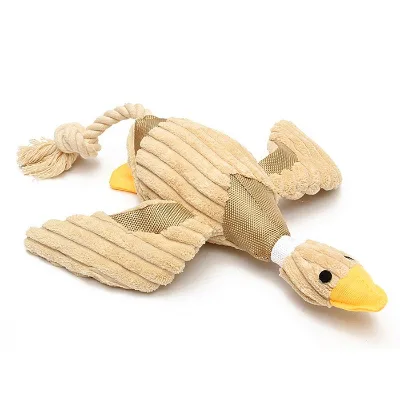
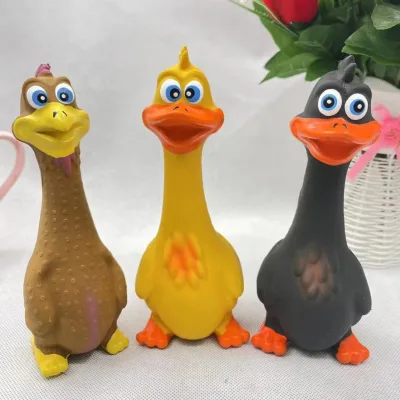
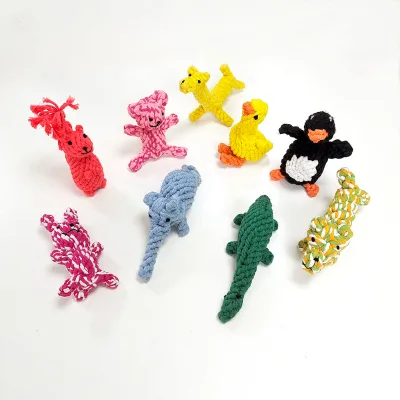
Available sizes include small, large, and extra large specifications. Specific models feature dimensions such as 38cm, 52cm, or 13.7 by 11.8 inches. The product line also includes various animal shapes like dinosaurs, elephants, and ducks. These size variations ensure that the toys fit different dog breeds and play styles, providing appropriate chew resistance and interactive fun for pets of all ages.
Are these pet chew toys suitable for dogs of all ages?
Yes, these toys are suitable for dogs training and general use across all seasons. They are designed as durable chew toys that support exercise and interactive play. The eco-friendly and sustainable materials make them safe for regular use. Whether for birthday gifts or daily training, the sturdy construction and squeaky features engage dogs effectively, making them a versatile choice for pet owners seeking long-lasting play solutions.
What colors and patterns are offered for these squeaky pet toys?
Colors include beige, orange, green, and random selection options. Patterns are primarily solid, with some featuring cartoon styles. Specific models come in various animal designs such as fox, duck, and dinosaur shapes. The variety in color and pattern allows buyers to choose options that appeal to different market preferences. These visual attributes enhance the toy's attractiveness while maintaining the functional squeaky and chew-resistant properties.