Source Double Compartment Detachable Pet Carrier for Travel
Find 30 Double Compartment Detachable Pet Carrier options from China. Compare polyester and nylon models with features like waterproofing, airline approval, and custom OEM services for dogs and cats; compare the available evidence and request quotations based on your requirements.
Updated
Key considerations
Products List


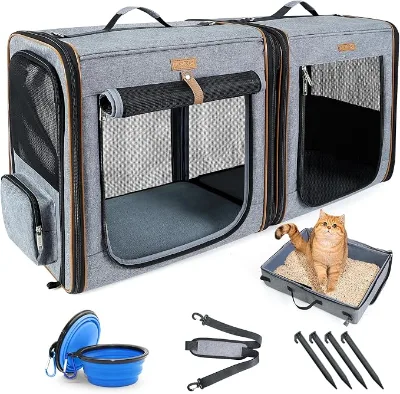
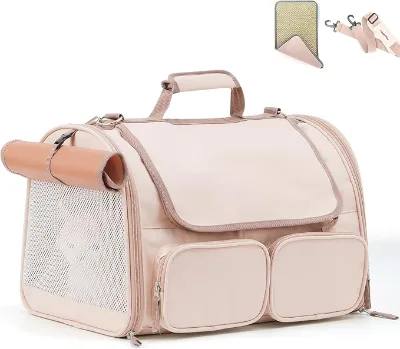
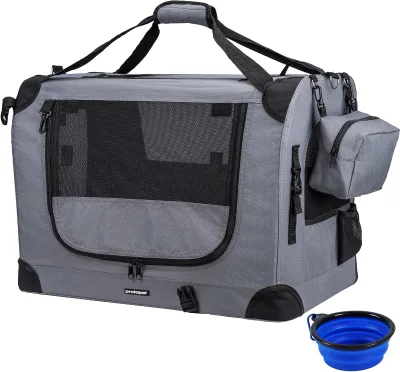


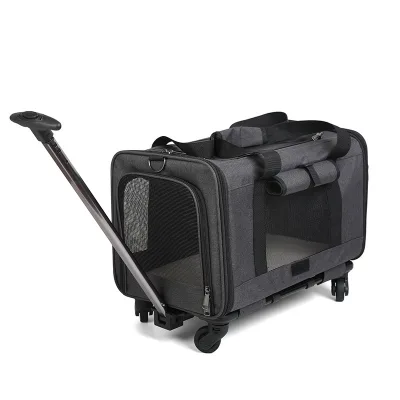
Soft Pet Carrier for Cats Puppy Travel Dogs Carrier Bags Durable Portable
$7.25 - $8.49
MOQ: 300 Pieces


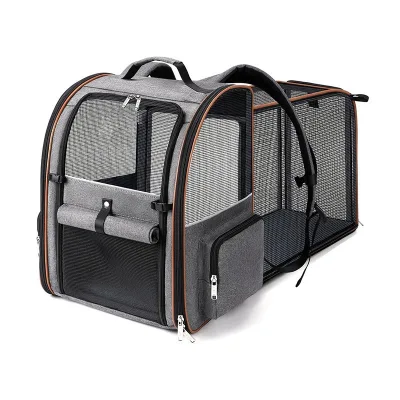
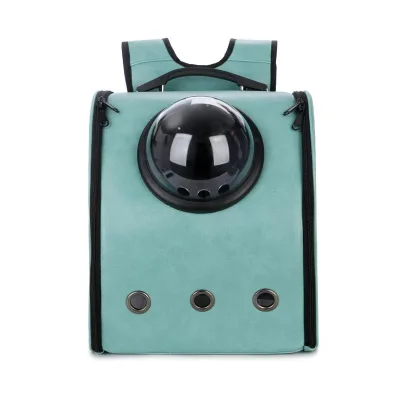
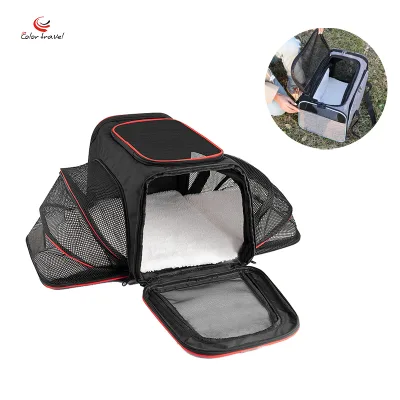
Portable Airline Approved Pet Carrier Top Expandable Luxury Pet Carrier Pet Carrier
$7.7777 - $8.8429
MOQ: 100 pieces
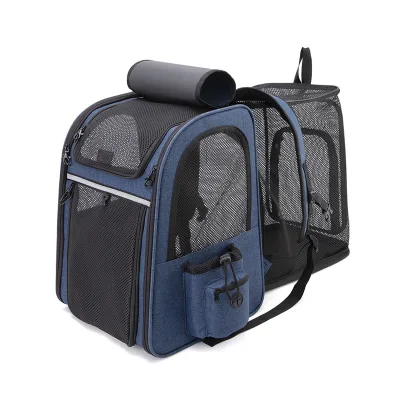
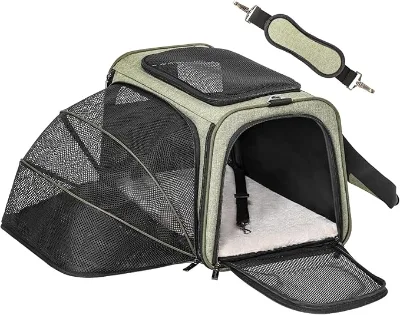
Stocked Blue Pet Tote Carrier Expandable Car Pet Carrier Collapsible Handbag Pet Carrier
$13.8545 - $15.7394
MOQ: 100 pieces
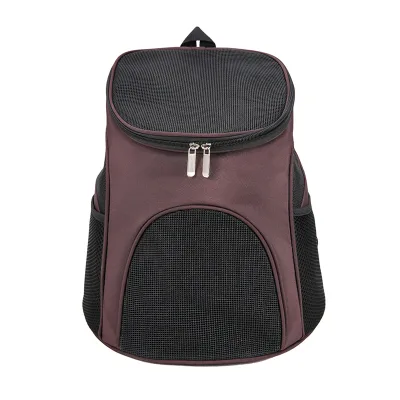
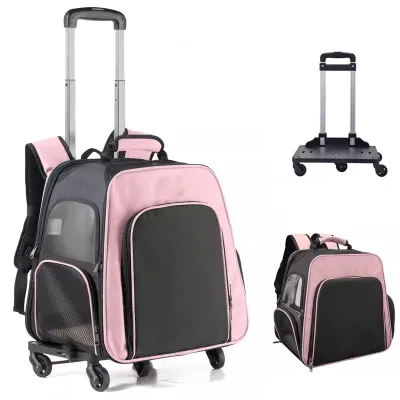
Wholesale Portable Pet Rabbit Carrier Portable Pet Carrier Bike Pet Carrier Outdoors
$2.94 - $3.35
MOQ: 100 pieces
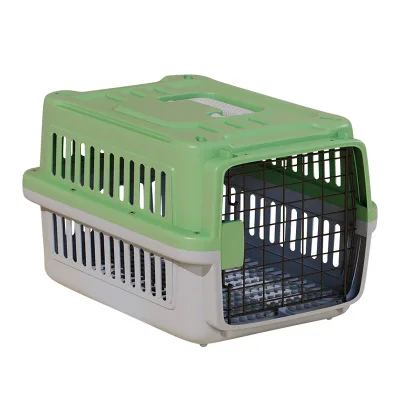


Comprehensive Sourcing Guide
Double Compartment Detachable Pet Carrier Sourcing Guide
Sourcing a Double Compartment Detachable Pet Carrier requires careful evaluation of structural integrity and material durability, as these bags must withstand the weight and movement of pets during transit. The observed market data indicates a diverse range of options, with prices ranging from $2.78 to $36.80 USD, reflecting significant variations in material quality, brand reputation, and feature sets. Buyers should note that while some listings offer extremely low entry points, these often correspond to basic polyester or nylon constructions with minimal reinforcement, whereas higher-priced items may include airline-approved features, enhanced waterproofing, or premium ergonomic designs. Understanding this price spectrum is crucial for aligning procurement budgets with the intended use case, whether for casual local travel or rigorous airline compliance.
The minimum order quantities (MOQ) observed in the market vary widely, ranging from 50 to 500 pieces, which directly impacts inventory planning and cash flow for small to medium-sized enterprises. Many suppliers accept OEM and ODM requests, allowing for customization in colors, logos, and specific dimensions, which is essential for brands seeking to differentiate their products in a competitive landscape. However, the availability of customization often correlates with higher MOQs or longer lead times, so buyers must balance their desire for unique branding against the operational flexibility of smaller batch orders. It is also important to verify if the supplier supports mixed-color or mixed-size orders within the MOQ to reduce inventory risk.
Product Scope and Observed Listing Signals
The product scope for pet carriers in the current market includes various forms such as shoulder bags, hand bags, and soft-sided carriers designed for dogs, cats, and small animals. Key attributes frequently highlighted by suppliers include waterproof capabilities, eco-friendly materials, and features like portability, foldability, and breathability. The observed listings show a strong emphasis on versatility, with many carriers designed to be collapsible for easy storage when not in use. Colors range from standard black and gray to more vibrant options like blue, purple, orange, and pink, allowing buyers to target specific demographic preferences. The material composition is predominantly polyester and nylon, chosen for their balance of durability, weight, and cost-effectiveness.
Specific model numbers such as MAO240569, MAO240589, and MAO240503 indicate distinct product lines with varying specifications. For instance, some carriers are sized S, M, or L, while others offer a one-size-fits-all approach or specific dimensions like 483031cm. The maximum load capacity is a critical differentiator, with some carriers supporting over 10kg, while others are limited to 7.5kg, which dictates the applicable pet size. Buyers should pay close attention to the closure type, with zippers being the standard, and the shape, which is typically rectangular to maximize interior space. The origin of these products is primarily China, with specific manufacturing hubs in Tianjin and Guangdong, which may influence shipping logistics and lead times.
Technical Specifications to Verify
When evaluating technical specifications, buyers must prioritize the structural dimensions and weight limits to ensure the carrier meets the needs of the target pet population. The observed size ranges include specific measurements such as 35.413.016.5 inches (89.93341.9cm) and 17.310.610.8 inches (442727.5cm), which correspond to different airline and transport regulations. It is essential to verify if the carrier is airline-approved, as this significantly expands the market potential for the product. The material thickness and stitching quality should be assessed to ensure durability, especially for carriers with a maximum loading weight of 7.5kg or more. Buyers should request detailed dimension charts and weight test results to confirm that the product can withstand the stress of travel without failing.
The detachable and double-compartment features require rigorous testing to ensure that the separation mechanism is secure and does not compromise the overall integrity of the bag. Buyers should verify the quality of the zippers, buckles, and straps, as these are the most likely points of failure. The presence of ventilation holes and breathable mesh panels is crucial for pet comfort, particularly in warmer climates or during long journeys. Additionally, the waterproof rating of the material should be confirmed, as this protects both the pet and the owner from external elements. It is also important to check if the carrier includes additional features such as shoulder pads, handle grips, or internal safety tethers, which add value and usability.
Compliance and Safety Documentation
Compliance and safety are paramount when sourcing pet carriers, as these products directly impact the well-being of animals during transport. While specific certifications like CE were mentioned in the background context, buyers must verify the exact certification status and scope for each supplier, as not all products may hold valid certifications. It is crucial to ensure that the materials used, such as polyester and nylon, are free from harmful chemicals and meet international safety standards for pet products. Buyers should request material safety data sheets (MSDS) and test reports from accredited laboratories to confirm that the products are non-toxic and durable.
Documentation should also include proof of compliance with airline regulations if the carrier is marketed as airline-approved. This may involve verifying that the dimensions and structural features meet the specific requirements of major airlines. Buyers should also check for any regional compliance requirements, such as REACH in Europe or CPSIA in the United States, depending on the target market. It is advisable to work with suppliers who have a robust quality management system and can provide comprehensive documentation for each batch of production. This due diligence helps mitigate legal risks and ensures that the products can be sold legally and safely in various jurisdictions.
Cost Drivers and Commercial Terms
The cost of pet carriers is influenced by several factors, including material costs, labor, and the complexity of the design. The observed price range of $2.78 to $36.80 USD reflects these variations, with higher prices typically associated with premium materials, additional features, and stricter quality control. Buyers should analyze the cost breakdown to understand where value is added, such as in the use of waterproof coatings, reinforced stitching, or ergonomic designs. It is also important to consider the MOQ, as lower MOQs may come with higher unit prices, while larger orders can benefit from economies of scale.
Commercial terms such as EXW, FOB, CIF, and DDP offer different levels of responsibility and cost allocation between the buyer and the supplier. EXW places the maximum responsibility on the buyer for logistics, while DDP simplifies the process by including delivery to the buyer's doorstep. Buyers should evaluate their logistics capabilities and risk tolerance when selecting the appropriate Incoterms. Additionally, payment terms and lead times should be negotiated to ensure smooth operations. It is advisable to request detailed quotations that include all potential costs, such as packaging, shipping, and insurance, to avoid unexpected expenses.
Supplier Qualification and Quality Control
Supplier qualification is a critical step in ensuring the reliability and consistency of the pet carrier supply chain. Buyers should conduct thorough due diligence on potential suppliers, including verifying their business licenses, manufacturing capabilities, and past performance. It is advisable to request samples to assess the quality of the product firsthand, paying attention to the finish, material quality, and functionality of the detachable compartments. Suppliers with OEM/ODM capabilities should be evaluated on their ability to meet specific design requirements and their responsiveness to feedback.
Quality control measures should be established to ensure that each batch of products meets the agreed-upon standards. This may include pre-production samples, in-process inspections, and final random inspections before shipment. Buyers should also consider hiring third-party inspection agencies to conduct independent quality checks, especially for large orders. It is important to establish clear quality criteria and acceptance thresholds in the purchase agreement. Regular communication with the supplier regarding quality issues and continuous improvement initiatives can help maintain high standards and build a strong partnership.
Long-Term Procurement Checks
Long-term procurement success depends on the ability to adapt to market changes and maintain a resilient supply chain. Buyers should regularly review supplier performance metrics, including on-time delivery rates, product quality, and responsiveness to issues. It is advisable to diversify the supplier base to mitigate risks associated with single-source dependencies. Regular market analysis can help identify new trends, such as emerging materials or design features, allowing buyers to stay competitive. Building strong relationships with suppliers can also facilitate better pricing and priority treatment during peak seasons.
Continuous improvement initiatives should be encouraged, with suppliers being asked to provide suggestions for product enhancements or cost-saving opportunities. Buyers should also monitor regulatory changes and market demands to ensure that the products remain compliant and relevant. It is important to have contingency plans in place for potential disruptions, such as raw material shortages or logistical challenges. By maintaining a proactive approach to procurement, buyers can ensure a steady supply of high-quality pet carriers that meet the evolving needs of their customers.
FAQs
Can I customize the Double Compartment Detachable Pet Carrier?
Yes, customization is available for these carriers. Suppliers accept OEM and ODM requests to tailor designs. You can choose from various colors including black, gray, blue, and purple. The material options typically include polyester or nylon. This allows you to align the product with your brand identity and specific market requirements effectively.
What sizes are available for the pet carrier bag?
The carriers come in multiple size options to fit different pets. Available sizes include S, M, and L, as well as One Size variants. Specific dimensions like 48*30*31cm or 89.9*33*41.9cm are offered. These sizes accommodate cats and small dogs. Selecting the correct size ensures comfort and safety for your animals during transport.
What is the minimum order quantity for these carriers?
The minimum order quantity varies by supplier and product model. Observed MOQs range from 50 pieces to 500 pieces. Some models have an MOQ of 100 pieces. This flexibility allows buyers to start with smaller test orders. Check specific product listings to confirm the exact MOQ required for your chosen carrier model and customization needs.
Are these pet carriers waterproof and durable?
Yes, many models are designed to be waterproof and durable. Features include breathable, foldable, and washable materials. The carriers are often made from nylon or polyester for strength. They are also portable and convenient for travel. These attributes ensure the bag protects pets from weather and lasts through repeated use.
Where are these pet carriers manufactured?
These carriers are primarily manufactured in China. Specific production locations include Tianjin and Guangdong. Buyers can source directly from these regions. The products are shipped under terms like EXW, FOB, CIF, or DDP. This origin allows for competitive pricing and established supply chain logistics for international buyers.
What is the maximum weight capacity for these carriers?
The maximum loading weight varies by model. Some carriers support pets weighing over 10kg. Others have a limit of 7.5kg. Always check the specific product specifications for weight limits. Ensuring the pet fits within the weight and size constraints is crucial for safety and compliance with airline or transport regulations.