Source Eco-Friendly Indoor Outdoor Cat Bed for Home, Travel, and Office
Source 30 eco-friendly indoor outdoor cat bed options for home, travel, and office use. Compare models like CW-003 and YZC-257, featuring bamboo, cotton rope, and velvet materials. Find customizable, washable, and durable pet beds from China suppliers with OEM/ODM support.
Updated
Key considerations
Products List


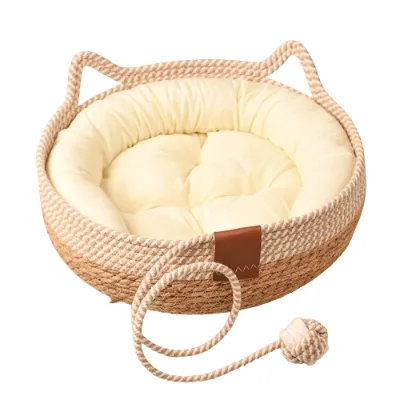
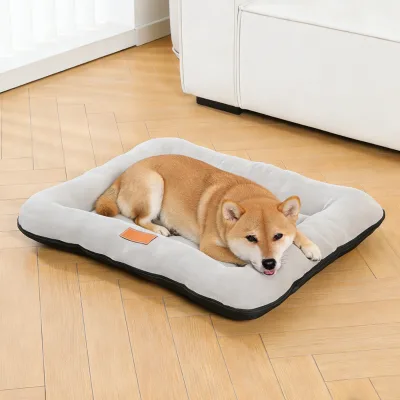


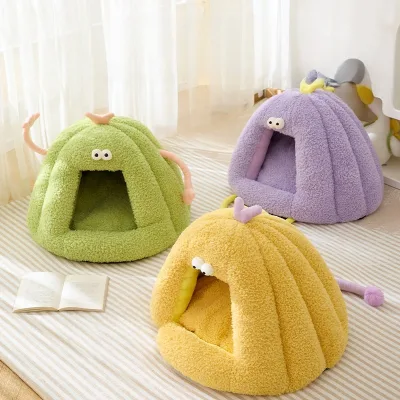


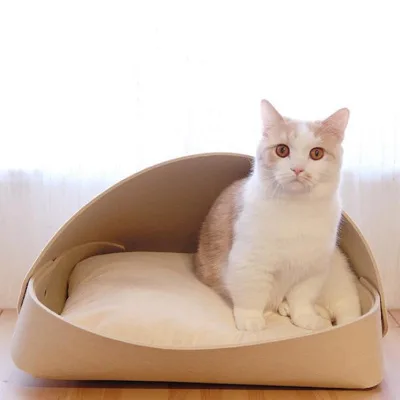


Natural Grass Weaving Pet Bed with Soft Cushion for Indoor Outdoor Use
$15.10 - $26.14
MOQ: 300 Pieces


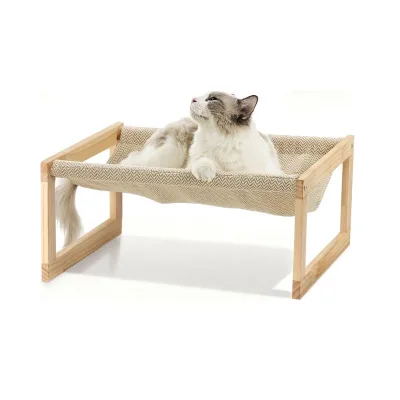
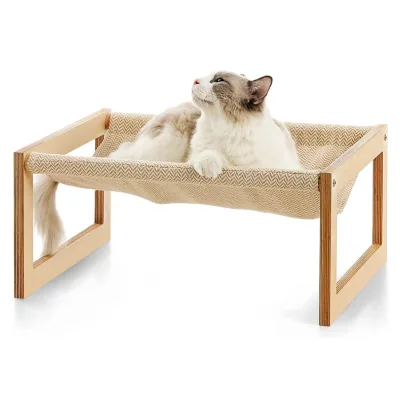
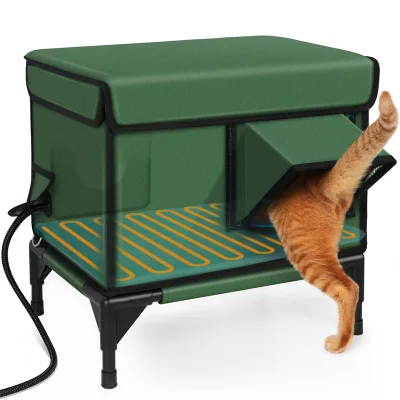

Hot Sale Indoor Comfortable Pet Beds Removable Warm Cat Cave Bed Pet Dog Bed
$6.20 - $6.75
MOQ: 100 Pieces

Comprehensive Sourcing Guide
Eco-Friendly Indoor Outdoor Cat Bed Sourcing Guide
Sourcing eco-friendly indoor and outdoor cat beds requires a careful balance between material sustainability, functional durability, and aesthetic versatility. Buyers must navigate a market where "eco-friendly" is often used as a broad marketing term rather than a verified technical specification. The core challenge lies in identifying suppliers who can provide transparent evidence of sustainable sourcing, such as recycled fabrics or natural fibers, while ensuring the product meets the rigorous demands of both indoor comfort and outdoor resilience. This guide outlines the critical verification steps needed to secure high-quality inventory that aligns with modern consumer expectations for pet wellness and environmental responsibility.
Procurement teams should prioritize products that demonstrate clear material composition and functional features suitable for diverse environments. The observed market includes options ranging from simple fabric beds to more complex structures like caves or houses, often featuring removable and washable components. Understanding the specific use case, whether for a bedroom, living room, or outdoor patio, is essential for selecting the right product attributes. By focusing on tangible features such as waterproofing, breathability, and chew resistance, buyers can mitigate the risk of receiving products that fail to deliver on their sustainability or durability promises, ensuring a better fit for end-users who demand both comfort and longevity from their pet accessories.
Product Scope and Observed Listing Signals
The current market landscape for eco-friendly cat beds reveals a diverse range of styles and configurations, including modern, minimalist, and luxury designs that cater to various interior aesthetics. Observed listings indicate a strong presence of products suitable for both dogs and cats, with specific models designed as caves or houses to provide a sense of security for pets. These structures often feature solid patterns and come in colors like brown, blue, and white, allowing buyers to stock a variety of options that match different home decor themes. The emphasis on "super comfort" and "luxurious" feels suggests that consumers are willing to pay a premium for products that offer a high-end tactile experience, making material quality a key differentiator in this segment.
Functional attributes observed in the market highlight the importance of versatility and ease of maintenance for pet owners. Many products are marketed as suitable for all seasons, including winter, autumn, spring, and summer, indicating a need for breathable and temperature-regulating materials. Features such as removable covers, washable components, and non-slip bases are frequently cited, addressing common pain points related to hygiene and stability. Additionally, the presence of portable and travel-friendly designs suggests a growing demand for products that can accompany pets on outings. Buyers should verify these claims by requesting detailed product specifications and care instructions to ensure that the advertised features are practical and durable in real-world usage scenarios.
Technical Specifications to Verify
Verifying technical specifications is crucial to ensuring that the cat beds meet the expected dimensions and structural integrity for their intended use. Observed standard sizes include dimensions such as 606060cm and 655055cm, which are typical for cave-style beds, while other models may have specific size ranges like 3013cm to 4615cm for smaller or specialized products. Buyers must confirm the exact dimensions and weight of each product, as variations in single package size and gross weight can significantly impact shipping costs and storage requirements. For instance, some products have a single gross weight of 8.0 kg, which is substantial for a pet bed and requires careful logistics planning to avoid excessive freight charges.
Material composition and construction details are equally important to verify, as they directly influence the product's durability and eco-friendly claims. Common materials observed include fabric, bamboo, cotton rope, and velvet surfaces, each offering different benefits in terms of comfort and sustainability. Buyers should request detailed material breakdowns to ensure that the components are indeed eco-friendly, such as using recycled polyester or organic cotton. Additionally, features like zipper closures, removable covers, and anti-slip bases should be inspected for quality and functionality. Confirming these specifications helps prevent discrepancies between the ordered product and the delivered item, ensuring that the final product meets the quality standards expected by end consumers.
Compliance and Safety Documentation
While specific certifications like OEKO-TEX and GOTS are mentioned in background contexts, buyers must actively verify the actual compliance status of each supplier and product batch. It is essential to request valid certification documents that confirm the materials used in the cat beds are free from harmful substances and meet international safety standards. Without verified documentation, claims of being "eco-friendly" or "sustainable" remain unsubstantiated and may expose the buyer to reputational risks and regulatory issues. Buyers should insist on third-party test reports that validate the safety of fabrics, dyes, and fillings, ensuring that the products are safe for pets and environmentally responsible throughout their lifecycle.
In addition to material safety, buyers should verify that the products comply with relevant regional regulations regarding pet accessories and textile products. This includes checking for compliance with flammability standards, chemical restrictions, and labeling requirements in the target markets. Suppliers should be able to provide clear information on the origin of materials and the manufacturing processes used, ensuring transparency in the supply chain. By prioritizing suppliers with robust compliance documentation, buyers can mitigate the risk of product recalls and ensure that their inventory meets the highest standards of safety and sustainability, thereby building trust with their customers.
Cost Drivers and Commercial Terms
Understanding the cost drivers and commercial terms is vital for maintaining healthy profit margins while sourcing high-quality eco-friendly cat beds. The observed price range of 1.28 to 39.53 USD indicates significant variation based on material quality, design complexity, and brand positioning. Buyers should analyze the cost breakdown to identify where value is added, such as in the use of premium fabrics or specialized construction techniques. Additionally, the minimum order quantity (MOQ) ranges from 20 to 1000 pieces, allowing for flexibility in initial orders but potentially increasing per-unit costs for smaller batches. Negotiating favorable MOQs and pricing tiers can help buyers manage inventory risk and optimize cash flow.
Commercial terms such as payment methods, lead times, and shipping conditions also play a crucial role in the overall cost structure. Buyers should clarify the packaging details, such as carton or polybag packing, as these affect shipping efficiency and product protection. Customization options, including OEM/ODM services, may incur additional costs but can provide a competitive edge by offering unique products. It is important to negotiate clear terms for quality assurance and returns, ensuring that any defects or discrepancies are addressed promptly. By carefully managing these commercial aspects, buyers can secure better deals and ensure a smooth procurement process from order placement to delivery.
Supplier Qualification and Quality Control
Supplier qualification is a critical step in ensuring that the eco-friendly cat beds meet the required quality and sustainability standards. Buyers should conduct thorough due diligence on potential suppliers, verifying their manufacturing capabilities, quality control processes, and commitment to ethical practices. This includes assessing their production facilities, workforce conditions, and environmental management systems to ensure alignment with the buyer's values. Suppliers who offer customization and welcome OEM/ODM requests may have more flexible production lines, but buyers must ensure that these capabilities do not compromise quality or consistency. Requesting samples and conducting factory audits can provide valuable insights into the supplier's operational standards.
Quality control measures should be implemented throughout the production process to minimize defects and ensure product consistency. Buyers should establish clear quality criteria and inspection protocols, covering aspects such as material integrity, stitching quality, and functional features like zippers and non-slip bases. Regular communication with suppliers regarding quality expectations and feedback on previous orders can help maintain high standards. Additionally, implementing a robust incoming inspection process upon receipt of goods can catch any issues before they reach the market. By prioritizing supplier qualification and rigorous quality control, buyers can reduce the risk of receiving substandard products and enhance customer satisfaction.
Long-Term Procurement Checks
Long-term procurement success depends on continuous monitoring and evaluation of supplier performance and product quality. Buyers should establish key performance indicators (KPIs) to track metrics such as on-time delivery, defect rates, and customer feedback, using this data to drive improvements and negotiate better terms. Regular reviews of supplier compliance with sustainability and safety standards are essential to ensure ongoing alignment with market expectations and regulatory requirements. By maintaining open communication and fostering collaborative relationships, buyers can work with suppliers to address any emerging issues and implement corrective actions promptly.
Additionally, buyers should stay informed about market trends and consumer preferences to anticipate changes in demand for eco-friendly pet products. This includes monitoring developments in sustainable materials, design innovations, and competitor offerings to identify opportunities for differentiation. Periodic reassessment of the product portfolio and supplier base can help ensure that the inventory remains relevant and competitive. By adopting a proactive approach to long-term procurement, buyers can build a resilient supply chain that supports business growth and meets the evolving needs of their customers, ensuring sustained success in the dynamic pet accessories market.
FAQs
What materials are used for the eco-friendly indoor outdoor cat bed?
The beds utilize fabric, bamboo, and cotton rope materials to ensure durability and comfort. Some models feature a velvet surface for added luxury. These materials are selected to provide a soft, breathable, and chew-resistant environment for cats and small animals, supporting a sustainable and eco-friendly lifestyle for pet owners.
Can the eco-friendly indoor outdoor cat bed be customized?
Yes, customization is available and OEM/ODM services are highly welcomed by suppliers. Buyers can request specific styles, colors, or sizes to match their brand requirements. This flexibility allows for tailored solutions, ensuring the final product meets specific aesthetic or functional needs while maintaining the core eco-friendly and comfortable design standards.
What are the standard specifications for the eco-friendly indoor outdoor cat bed?
Standard specifications include various sizes such as 60*60*60cm and 65*50*55cm per carton. Models like CW-003 and YZC-257 offer different dimensions to suit various pet sizes. The packaging is typically in cartons or polybags, with single package sizes around 46X31.5X37 cm, ensuring safe transport and easy storage for retailers.
Is the eco-friendly indoor outdoor cat bed washable and durable?
Yes, the beds are designed to be removable, washable, and durable. Features include non-slip bottoms, zippers for easy access, and protective materials that withstand regular use. The fabric and cotton rope components are selected for their longevity, making them suitable for both indoor and outdoor use while maintaining hygiene and comfort for pets.
What is the minimum order quantity for the eco-friendly indoor outdoor cat bed?
The minimum order quantity ranges from 20 to 1000 pieces depending on the supplier and specific model. Some listings indicate an MOQ of 100 PCS for certain customized orders. Buyers should verify the exact MOQ with the manufacturer, as it varies based on production capacity, customization requirements, and current stock availability for bulk procurement.
Where are the eco-friendly indoor outdoor cat beds manufactured?
The beds are manufactured in China, with specific origins noted in Beijing. Suppliers in this region offer competitive pricing and extensive customization options. The manufacturing process adheres to eco-friendly standards, utilizing sustainable materials like bamboo and cotton rope to create durable, comfortable, and stylish pet beds suitable for global distribution and various market demands.