Source Portable Folding Insect Cage for Outdoor, Garden, and Farm Use
Find 30 Portable Folding Insect Cage options from Chinese manufacturers. Compare specifications like mesh spacing, wire diameter, and folding designs to select the right enclosure for your agricultural or pest control needs; compare the available evidence and request quotations based on your requirements.
Updated
Key considerations
Products List
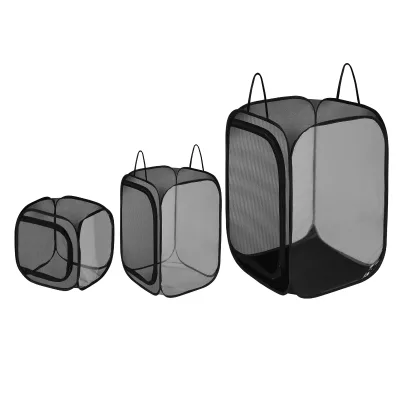


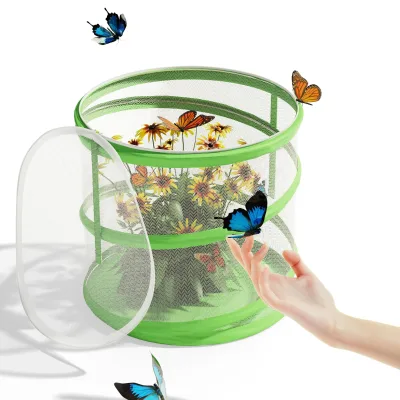
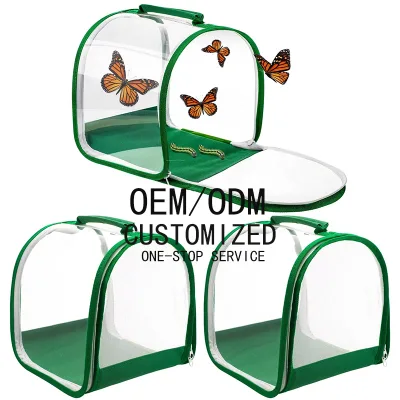
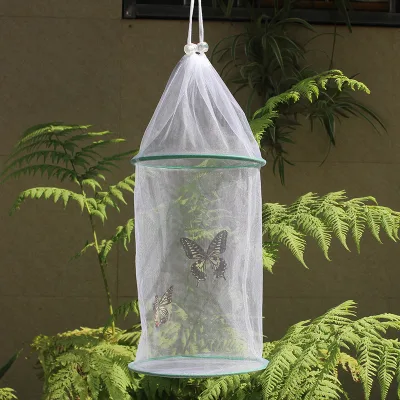
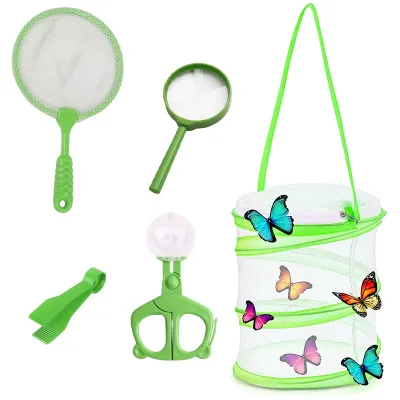
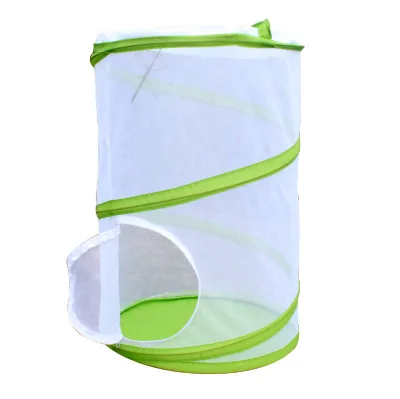
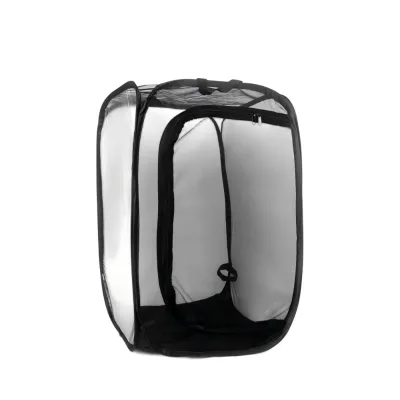
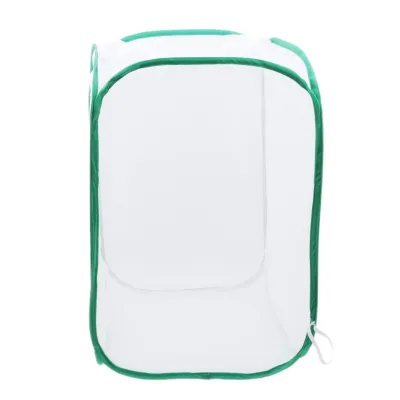
120 Mesh Foldable Insect Habitat Cage Featuring Easy Clean Polyester Bottom
$13.98 - $15.88
MOQ: 100 Pieces

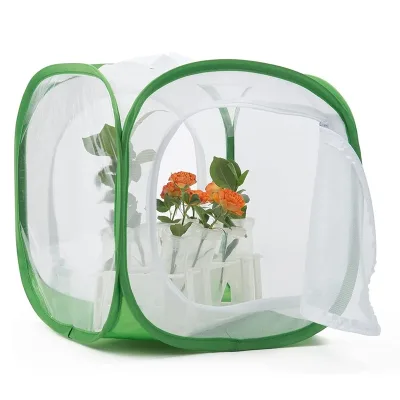
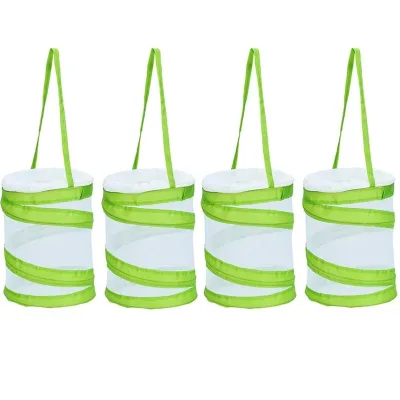
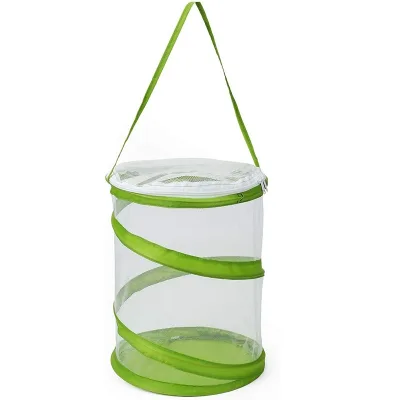
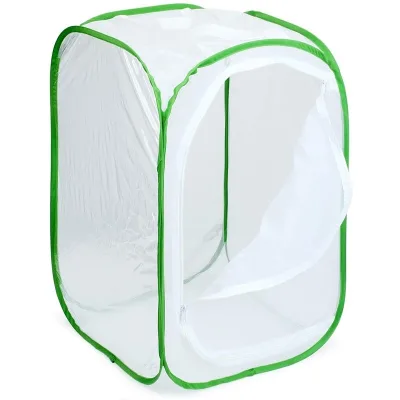
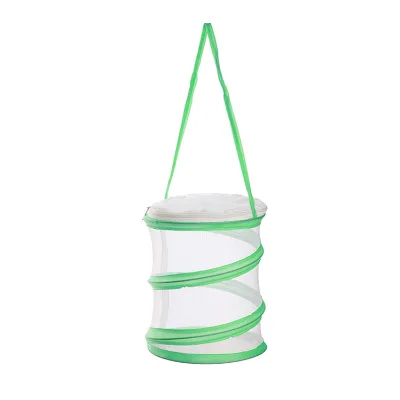
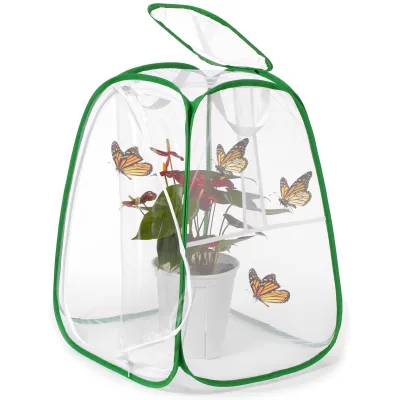
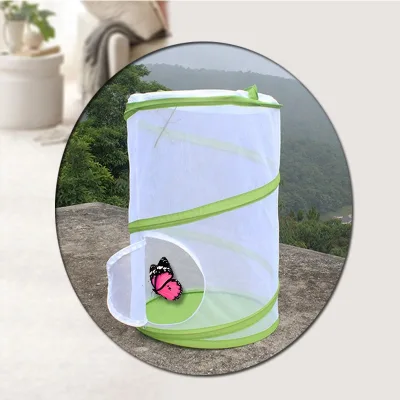




Comprehensive Sourcing Guide
Portable Folding Insect Cage Sourcing Guide
Procuring portable folding insect cages requires a clear understanding of the distinct product categories available in the current market, as the term often spans multiple material types and structural designs. Buyers must first distinguish between rigid plastic breeding boxes and flexible mesh-based enclosures, as these serve fundamentally different logistical and operational needs. The observed market data indicates a significant divergence in product attributes, ranging from simple polyester carriers to heavy-duty metal storage cages with specific mesh spacing. This diversity means that a single sourcing strategy is insufficient; instead, buyers must segment their requirements based on whether the primary use case involves animal transport, temporary containment, or long-term storage in outdoor environments.
The second critical step involves aligning the observed listing signals with actual procurement needs, particularly regarding origin and customization capabilities. Suppliers from Zhejiang and Hebei provinces in China represent the primary sources for these items, each offering different strengths in terms of manufacturing scale and material specialization. Buyers should verify if the supplier offers customization options, as this can significantly impact the final product’s suitability for specific brand or operational requirements. Additionally, understanding the packing methods, such as woven bags versus palletized shipments, is essential for calculating landed costs and ensuring that the products arrive in optimal condition without unnecessary damage or excessive volumetric weight charges.
Product Scope and Observed Listing Signals
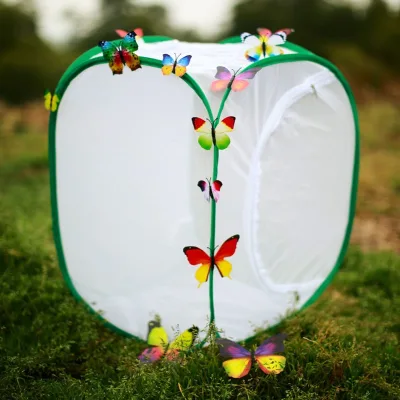
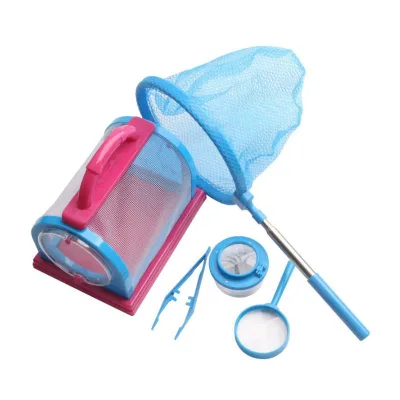
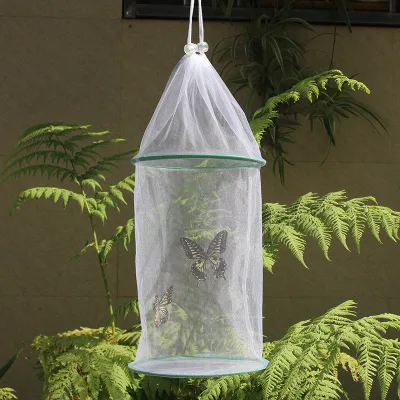
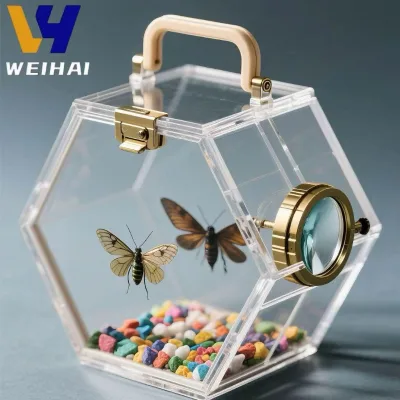
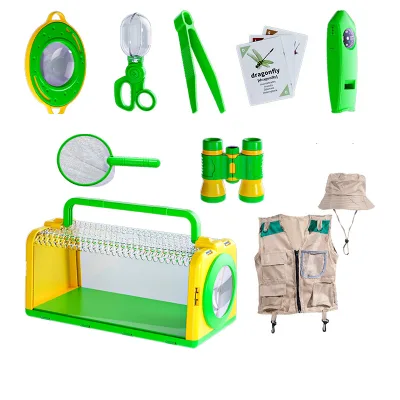
The product scope for portable folding insect cages encompasses a wide array of items, including plastic breeding boxes, metal storage cages, and specialized net enclosures. Observed listings reveal that materials vary significantly, with polyester and polyethylene being common choices for lighter, portable units, while metal wire cages offer greater durability for heavier loads. The shape and structure also differ, with some products featuring a quadrate design for efficient stacking, while others are designed to fold flat for space-saving storage. Buyers must carefully review the item type descriptions to ensure they are sourcing the correct category, as a "carrier" may not provide the same containment security as a "breeding box" or a "metal storage cage."
Listing signals also highlight important physical attributes such as weight, color, and seasonal applicability, which can influence purchasing decisions for specific market segments. For instance, products labeled for all-season use and featuring breathable materials are ideal for outdoor applications where ventilation is crucial for animal welfare. The observed color options, such as black and green, may be relevant for buyers seeking specific aesthetic matches or camouflage requirements. Furthermore, the presence of features like corrosion resistance and full welding in metal cages suggests a higher durability tier, appealing to buyers who need long-lasting solutions for frequent transport or harsh environmental conditions.
Technical Specifications to Verify
Technical verification must begin with dimensional accuracy, as the observed size ranges vary from compact 30x30x30 cm units to larger 60x60x90 cm structures. Buyers should confirm the exact internal and external dimensions to ensure compatibility with their storage facilities or transport vehicles. The single package size and gross weight are critical for logistics planning, with observed weights ranging from 0.7 kg to 1 kg for smaller items, while larger metal cages may have significantly higher load capacities. Verifying these specifications prevents unexpected shipping costs and ensures that the product fits within the intended operational constraints without requiring additional handling equipment.
Mesh spacing and wire diameter are paramount for metal and net-based cages, as these factors directly impact safety and containment efficacy. Observed data indicates wire diameters ranging from 4.8 mm to 6.4 mm, with mesh spacing specified at 50 mm x 50 mm for certain models. Buyers must verify that the wire thickness and mesh size are appropriate for the intended animal breed size, whether small, medium, or large. Additionally, the folded state of the product should be confirmed to ensure that the folding mechanism is robust and does not compromise the structural integrity of the cage when deployed.
Compliance and Safety Documentation
Compliance verification is essential to ensure that the portable folding insect cages meet relevant safety and quality standards for their intended use. Buyers should request documentation that confirms the materials used, such as polyester or polyethylene, are free from harmful chemicals and suitable for animal contact. For metal cages, evidence of corrosion resistance and proper surface treatment, such as painting, should be verified to ensure longevity and safety in outdoor environments. This documentation helps mitigate risks associated with product failure or material degradation, which could lead to animal escape or injury.
Safety features, such as secure closure types and stable base designs, must also be documented and verified. Observed listings mention zipper closures for plastic boxes and full welding for metal cages, which are critical for preventing accidental openings. Buyers should ensure that the feet height and overall stability of the cage are adequate to prevent tipping, especially when loaded with animals or other items. Requesting test results or compliance certificates for load capacity, particularly for cages rated at 800 kg, provides assurance that the product can withstand its stated operational limits without structural failure.
Cost Drivers and Commercial Terms
Cost drivers for portable folding insect cages are influenced by material selection, manufacturing complexity, and packaging requirements. Metal cages with full welding and specific wire thicknesses typically command higher prices due to the increased material cost and labor intensity involved in their production. In contrast, plastic or polyester-based cages may be more cost-effective, especially when produced in high volumes. Buyers should analyze the unit price in relation to the observed MOQ ranges, which vary from 1 to 500 units, to determine the most economical order quantity for their specific needs.
Commercial terms, including packing methods and lead times, also play a significant role in the total cost of ownership. Observed packing options range from individual boxes to woven bags and palletized shipments, each with different implications for shipping costs and handling efficiency. Buyers should negotiate clear terms regarding packaging to minimize damage during transit and reduce waste. Additionally, understanding the supplier’s production capacity and lead times is crucial for planning inventory levels and ensuring timely delivery, especially for large orders or customized products.
Supplier Qualification and Quality Control
Supplier qualification begins with verifying the manufacturer’s location and production capabilities, as observed origins include Zhejiang and Hebei provinces in China. Buyers should assess the supplier’s experience in producing the specific type of cage required, whether it is a plastic breeding box or a metal storage cage. Requesting samples is a critical step to evaluate the quality of materials, such as the durability of the plastic or the precision of the welding in metal cages. This hands-on inspection allows buyers to verify that the product meets their technical specifications and quality expectations before committing to a larger order.
Quality control processes should be clearly defined and agreed upon with the supplier to ensure consistent product quality. Buyers should inquire about the supplier’s inspection protocols, including pre-production checks and final random inspections. For customized products, it is essential to have a clear approval process for prototypes and production samples. Establishing a robust quality control framework helps minimize the risk of receiving defective goods and ensures that the supplier can maintain high standards across all production batches, thereby protecting the buyer’s brand reputation and operational efficiency.
Long-Term Procurement Checks
Long-term procurement success depends on establishing a reliable supply chain that can adapt to changing market demands and operational requirements. Buyers should regularly review supplier performance metrics, such as on-time delivery rates, product quality consistency, and responsiveness to issues. Building a strong relationship with the supplier can lead to better pricing, priority production, and improved support for future orders. Additionally, staying informed about industry trends and technological advancements in cage design can help buyers identify opportunities for innovation and cost savings in their procurement strategy.
Continuous monitoring of product specifications and market conditions is essential to ensure that the sourced cages remain suitable for the intended applications. Buyers should periodically re-evaluate the technical specifications, such as mesh spacing and wire diameter, to ensure they still meet safety and operational standards. Furthermore, assessing the environmental impact of the materials used, such as the recyclability of plastic or metal components, can help align procurement practices with sustainability goals. By maintaining a proactive approach to supplier management and product evaluation, buyers can secure a stable supply of high-quality portable folding insect cages for their long-term needs.
FAQs
What mesh standards are available for portable folding insect cages?
The product supports multiple mesh standards including 10, 20, 30, 40, 60, 80, and 100 mesh options. These variations allow buyers to select the appropriate density for specific insect containment needs. The cages are designed with full welding and a 50mm by 50mm mesh spacing for durability. This flexibility ensures suitability for various light-duty applications while maintaining structural integrity during transport and storage.
Can portable folding insect cages be customized for specific requirements?
Yes, customization is available for these portable folding insect cages. Buyers can request specific modifications to meet unique operational needs. The product originates from Hebei, China, and is constructed with corrosion-resistant materials. This service allows for tailored solutions without compromising the lightweight and foldable design features essential for efficient logistics and on-site deployment in various environments.
What is the typical packaging method for these insect cages?
The standard packaging for these insect cages is a woven bag. This method ensures safe transport and protection of the product during shipping. The cages are designed to be folded, which optimizes space within the packaging. This approach reduces logistics costs and facilitates easier handling. The woven bag provides adequate protection against dust and minor impacts while maintaining the product's integrity until it reaches the final destination.
How does the folding feature benefit the usage of these cages?
The folding feature allows for compact storage and easy transportation of the insect cages. When folded, the cages occupy significantly less space, making them ideal for logistics and storage. This design enhances portability, allowing users to deploy them quickly in various locations. The lightweight construction further supports this benefit, ensuring that the cages can be moved and set up efficiently without requiring heavy equipment or extensive manpower.
What material is used to construct these portable folding insect cages?
These portable folding insect cages are constructed using corrosion-resistant materials. The design incorporates full welding to ensure structural strength and longevity. The material choice supports durability in various environmental conditions. This construction method prevents rust and degradation, extending the product's service life. The robust build quality ensures that the cages can withstand regular use and handling while maintaining their shape and functionality over time.