Source Pet Locator Devices for Dogs Cats and Outdoor Tracking
Compare 30 Pet Locator options featuring GPS, 4G, and health monitoring for dogs, cats, and outdoor activities. These devices offer waterproof designs, various battery capacities, and customizable logos to suit different sourcing needs.
Key considerations
Products List




Comprehensive Sourcing Guide
Strategic Sourcing Guide for Pet Locator Devices
The global market for Pet Locator devices has evolved from simple radio-frequency tags to sophisticated, multi-network tracking solutions capable of real-time health monitoring and geolocation. For B2B procurement professionals, sourcing these devices requires a disciplined approach that balances technical capability with regulatory compliance and supply chain reliability. This guide outlines the critical factors for evaluating Pet Locator products, drawing on observed market data and technical specifications to ensure a robust procurement strategy.
Technical Architecture and Positioning Capabilities
The core functionality of any Pet Locator lies in its positioning system and connectivity architecture. Market observations indicate a clear segmentation between devices utilizing GPS/Wi-Fi/LBS hybrid systems and those relying on 4G cellular networks. Devices operating on hybrid systems typically offer a positioning accuracy of 5-15 meters via GPS, 15-100 meters via Wi-Fi, and a broader range of 100-1000 meters using LBS (Location Based Services). This tiered approach allows for cost-effective tracking in areas with poor cellular coverage, though the accuracy varies significantly based on the active network.
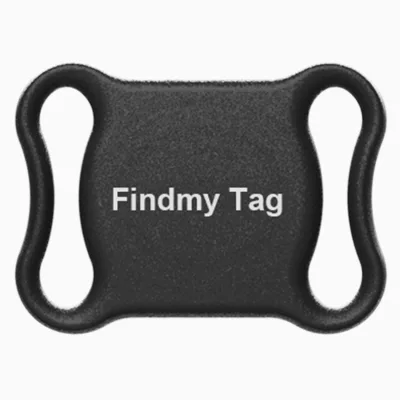
In contrast, modern 4G-enabled trackers provide a more direct connection to the internet, facilitating real-time data transmission without the latency often associated with older 2G or 3G networks. These devices often feature a "4G Positioning Tracking" function, ensuring that location updates are immediate. The hardware specifications for these units vary; for instance, some models are designed with a compact footprint of 552520mm and weigh approximately 35g, making them suitable for smaller animals like cats. Other models, designed for larger breeds, may weigh up to 120g and measure 72×48×26mm.
Battery capacity is a critical technical differentiator. Units observed in the market often include a 500mAh battery, which supports key-type operation and extended usage. However, the actual operational life depends heavily on the frequency of location updates and the specific power management algorithms of the firmware. Buyers must verify the power supply mode, as some devices utilize passive card technology for identification, while others require active charging cycles. The device storage capacity, observed at 32MB in certain models, determines the amount of historical data that can be cached locally if the network connection is temporarily lost.
Regulatory Compliance and Certification Standards
Navigating the regulatory landscape is essential for importing pet locators into international markets. The supply chain for these devices typically originates from manufacturing hubs in China, where compliance with both domestic and international standards is a prerequisite for export. A comprehensive review of available products reveals a consistent pattern of certifications, including CCC (China Compulsory Certification), ISO standards, CE (Conformité Européenne), and RoHS (Restriction of Hazardous Substances).
For buyers targeting the European market, the CE mark is non-negotiable, indicating that the product meets health, safety, and environmental protection requirements. Similarly, the FCC (Federal Communications Commission) certification is mandatory for devices sold in the United States, ensuring that the radio frequency emissions do not cause harmful interference. The market data also highlights the presence of ISO/TS standards, which often relate to quality management systems and technical specifications for the manufacturing process.
It is important to note that certification claims must be verified against the specific model number. For example, while some listings indicate a certification suite of CE, FCC, and RoHS, others may list variations such as ISOISOISO/TSRoHS, suggesting a need for careful document validation. Buyers should request valid test reports and certificates of conformity for the exact batch being ordered, as these documents are subject to renewal and may vary between production runs. The absence of these certifications can lead to customs delays, product seizures, or legal liabilities in the destination market.
Cost Drivers and Minimum Order Quantities
The pricing structure for pet locators is influenced by a complex interplay of technology, customization, and order volume. Observed price ranges in the market span from $1 to $280 USD, a wide disparity that reflects the difference between basic passive tags and advanced 4G smart trackers with health monitoring features. The lower end of the spectrum typically covers simple identification devices, while the higher end encompasses units with GPS, 4G connectivity, and waterproofing capabilities.
Minimum Order Quantity (MOQ) is another significant cost driver. The market exhibits a flexible MOQ range, starting as low as 2 pieces for certain models up to 1000 pieces for others. This flexibility allows small businesses to test the market with minimal capital outlay, while larger enterprises can leverage economies of scale. However, the unit price often decreases as the order volume increases, making it crucial for buyers to calculate the total cost of ownership rather than focusing solely on the per-unit price.
Customization is a key factor in pricing. Many suppliers offer "Customized" options, including logo printing and specific color schemes. While some products are listed as "Without Logo Printing," others explicitly state that buyers can add their own logo. This level of customization often incurs additional tooling or setup costs, which should be factored into the budget. Additionally, packaging requirements, such as individual boxes versus cartons containing 100 pieces, can impact the overall logistics cost and the final retail price.
Material Durability and Environmental Resistance
The physical construction of pet locators must withstand the rigors of daily wear and tear, particularly when attached to active animals. The primary material observed in the market is plastic, chosen for its balance of durability, weight, and cost-effectiveness. However, the quality of the plastic and the manufacturing process determine the device's resistance to impact, moisture, and temperature fluctuations.
Waterproofing is a critical attribute for pet devices, as animals are frequently exposed to rain, water bowls, and baths. The market data confirms that many models are rated as "Waterproof," a specification that buyers must verify through specific IP (Ingress Protection) ratings. While the general claim of waterproofing is present, the exact depth and duration of submersion should be confirmed with the supplier to ensure the device meets the intended use case.
Color options are also a consideration for branding and visibility. Available colors range from standard white, black, and blue to more vibrant options like red, purple, green, and orange. The choice of color can affect the device's visibility in different environments; for example, bright colors may be preferable for outdoor tracking, while darker colors might be preferred for indoor or stealth applications. The weight of the device, ranging from 35g to 120g, is another factor that influences the comfort of the pet and the suitability of the tracker for different species, such as dogs and cats.
Supplier Evaluation and Operational Logistics
Selecting a reliable supplier involves more than just comparing product specifications; it requires a deep dive into the supplier's operational capabilities and track record. The lead time for these devices is a critical logistical factor, with observed delivery times ranging from 35 to 45 days. This timeframe includes manufacturing, quality control, and shipping, and buyers must account for potential delays in their inventory planning.
Supplier evaluation should focus on their ability to handle customization requests and their commitment to quality control. The availability of "Customized" services suggests that the supplier has the flexibility to adapt products to specific client needs. However, buyers should verify the supplier's capacity to maintain consistent quality across large batches, especially when dealing with complex electronics like GPS and 4G modules.
Warranty terms are another indicator of supplier confidence. A standard warranty period of 1 year is observed in the market, which provides a baseline for after-sales support. Buyers should clarify the scope of this warranty, including coverage for battery failure, connectivity issues, and physical damage. Additionally, the packaging standards, such as the use of boxes or cartons, should be aligned with the buyer's logistics requirements to minimize damage during transit.
Quality Control and Long-Term Procurement Strategy
Implementing a robust quality control (QC) strategy is essential for mitigating risks associated with electronic procurement. Given the technical complexity of pet locators, which involve positioning systems, battery management, and network connectivity, a comprehensive QC plan should include pre-production sample testing, in-process inspections, and final random sampling. Buyers should verify that the supplier conducts functional tests on the positioning accuracy, battery life, and waterproofing capabilities before shipment.
Long-term procurement considerations extend beyond the initial purchase. Buyers should establish clear communication channels with suppliers to ensure timely updates on product improvements or changes in component availability. The rapid evolution of 4G and GPS technology means that devices may become obsolete quickly, so a flexible procurement strategy that allows for periodic upgrades is advisable. Furthermore, maintaining a relationship with a supplier who offers consistent certification support and after-sales service will be invaluable for resolving any issues that arise post-delivery.
In conclusion, sourcing Pet Locator devices requires a meticulous approach that integrates technical verification, regulatory compliance, and strategic supplier management. By focusing on the specific attributes of positioning systems, certifications, and operational logistics, buyers can navigate the complex market landscape and secure high-quality products that meet the needs of their customers. The observed data provides a solid foundation for making informed decisions, but continuous verification and due diligence remain the cornerstones of successful B2B procurement in this dynamic sector.
FAQs
What positioning systems do pet locators use?
Pet locators utilize hybrid systems including GPS, WiFi, and LBS. GPS offers 5-15 meter accuracy, while WiFi ranges from 15 to 100 meters. LBS provides broader coverage up to 1000 meters, ensuring tracking works even in areas with poor cellular signals.
Which certifications are required for importing pet trackers?
Imported pet trackers typically require CCC, CE, FCC, and RoHS certifications. These standards ensure compliance with safety and environmental regulations in various regions. Buyers must verify specific certificates for each model batch to avoid customs delays or legal liabilities.
How long is the delivery time for Pet Locator orders?
The standard delivery time for Pet Locator orders ranges from 35 to 45 days. This period covers manufacturing, quality control, and shipping logistics. Buyers should plan inventory accordingly to account for this lead time when scheduling product launches.
Can buyers add their own logo to pet trackers?
Yes, customization is available for adding your own logo to pet trackers. Some models support logo printing while others may not. Buyers should confirm customization options and any associated setup costs before placing a bulk order for branded products.
What is the minimum order quantity for pet trackers?
Minimum order quantities vary significantly, ranging from 2 pieces to 1000 pieces depending on the model. Lower MOQs allow small businesses to test the market, while higher volumes often reduce unit costs. Check specific model requirements before negotiating pricing.
Are pet locators waterproof for daily use?
Many pet locators are designed to be waterproof for daily use. This feature protects the device from rain and water exposure. However, specific IP ratings should be verified to ensure the device meets the required depth and duration of submersion for your needs.