Source Pet Ramp for Cars, Homes, and Vet Clinics
Compare 30 Pet Ramp options from Chinese manufacturers with varying materials like aluminum, iron, and fabric. Buyers can evaluate step counts, customization, and warranty terms for home use, pet stores, and veterinary clinics.
Key considerations
Products List
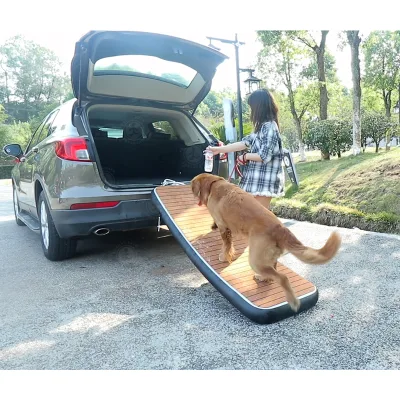


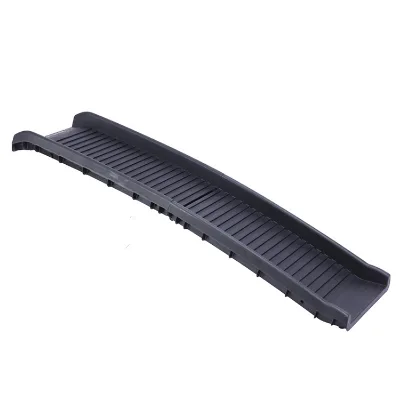


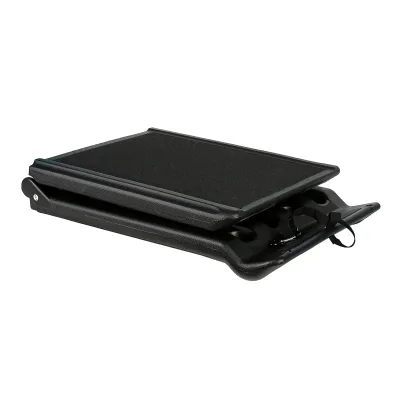
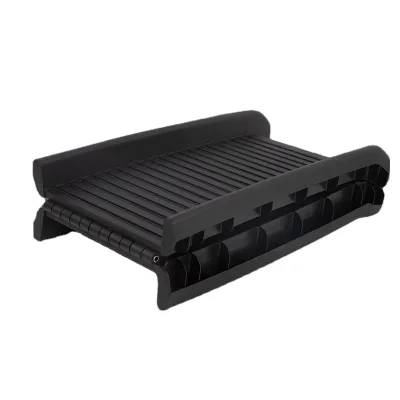
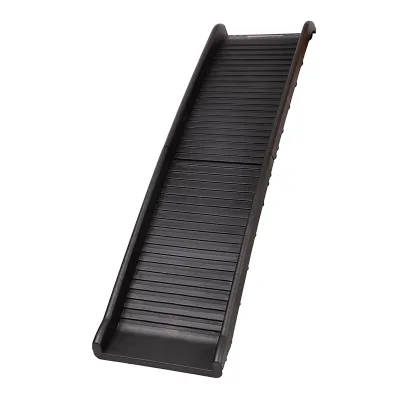
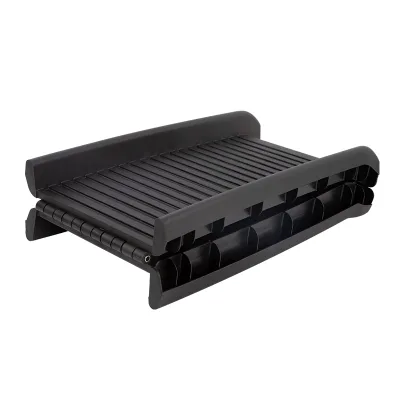
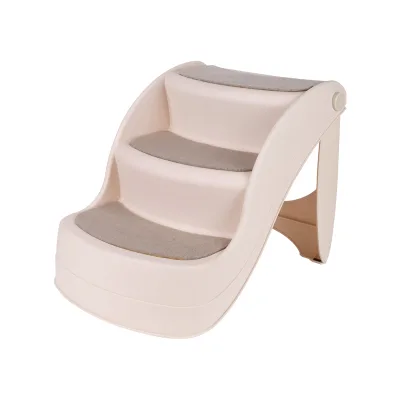
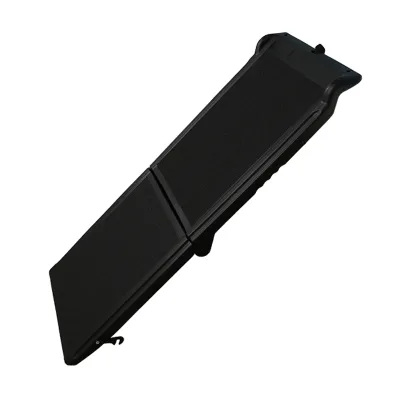


High Quality Dog Steps for High Bed or Couch for Dogs Injured Older Pets
$8.60 - $19.99
MOQ: 200 Pieces


Comprehensive Sourcing Guide
Strategic Sourcing Guide for Pet Ramps and Mobility Solutions
Navigating the global market for pet ramps requires a disciplined approach that distinguishes between specialized mobility aids and general outdoor floating structures. While the core keyword "Pet Ramp" suggests a focus on animal mobility, the available supply chain data reveals a complex landscape where product attributes vary significantly by manufacturer and intended application. Buyers must carefully parse product listings to ensure they are sourcing items that meet specific veterinary, automotive, or home-use requirements. This guide synthesizes observed market data to provide a framework for evaluating suppliers, verifying technical specifications, and managing procurement risks without relying on unverified claims.
Distinguishing Product Categories and Applications
The first critical step in sourcing is categorizing the product type, as the market contains distinct variations that serve different functional needs. Data indicates a bifurcation in product listings where some items are explicitly designed for pet mobility, while others are categorized under broader outdoor or recreational titles. For instance, specific listings identify the product type as a "Foldable Pet Car Ramp" or a "Five-Step" style unit, explicitly stating applications for "Home Use," "Pet Stores," and "Veterinary Clinics." These items are engineered to assist large dogs in accessing vehicles or navigating height differences within a home environment.
In contrast, other entries in the same market pool list the product type as "hover board" or "Boat Floating Dock Pontoon Dock," with applications for "Ocean waters." While these items may share a "dock" or "step" nomenclature, they are fundamentally different from pet ramps. A floating dock is constructed for buoyancy and water stability, whereas a Pet Ramp requires structural integrity for weight-bearing on land or in a vehicle. Buyers must scrutinize the "Application" field to ensure the product matches the intended use case. Confusing a floating dock for a Pet Ramp would result in a procurement failure, as the materials and structural designs are incompatible with the safety requirements of transporting animals.
Technical Specifications and Material Composition
Material selection is the primary determinant of a Pet Ramp's durability, weight capacity, and safety profile. The supply data highlights several distinct material configurations that buyers should evaluate based on their specific needs. High-end mobility solutions often utilize a combination of robust supporting structures and high-density fabrics. For example, one observed configuration features an "Aluminum Tube" supporting structure paired with "1680d PVC Oxford Fabric" and a "Pearl Co" finish. This combination suggests a focus on lightweight portability and water resistance, which is essential for ramps used in outdoor or automotive settings.
Other listings indicate the use of "Iron Tube" or "Aluminum + Iron" supporting structures, which may offer higher load-bearing capacity but at the cost of increased weight. The fabric materials also vary significantly, ranging from "Felt" and "Pearl Fiber" to "1680 Dpvc Molded Oxford Fabric + 1.2mm PE Backing." The inclusion of "Solid" fill materials in some entries suggests a need for rigidity and stability, preventing the ramp from collapsing under the weight of a large dog. Conversely, the presence of "Thick Arctic Velvet Fabric + 25D High-Density Foam" in other listings points to a softer, more comfortable surface, likely intended for indoor home use where traction and comfort are prioritized over extreme weather resistance.
Buyers should verify the specific "Supporting Structure Material" and "Fabric Material" for every potential supplier. The distinction between "Artificial Turf (PE+PP) + Plywood + Oxford Cloth" and standard PVC fabrics indicates different traction properties. For outdoor or wet environments, the PVC and PE backing options provide superior slip resistance and durability compared to felt or velvet.
Compliance, Certification, and Safety Standards
When sourcing pet products, compliance with safety standards is non-negotiable. The available data confirms that at least one supplier in the market holds a "CE" certificate. The CE marking indicates conformity with health, safety, and environmental protection standards for products sold within the European Economic Area. While this is a positive indicator, buyers must understand that the presence of a CE certificate on a general product listing does not automatically guarantee that every variation of that product meets specific pet safety standards.
Buyers should request specific documentation regarding the ramp's load-bearing capacity and slip-resistance testing. The data mentions "Suitable for: Large dogs," which implies a design capacity for heavier animals, but this is an observation rather than a guaranteed performance metric. Procurement teams must verify if the ramp has been tested against relevant animal safety standards, such as those regarding static load testing or dynamic impact resistance. Additionally, the "Warranty: 3 Years" listed for certain products provides a baseline for supplier confidence, but buyers should clarify what this warranty covers, specifically regarding fabric wear, structural fatigue, and joint integrity.
Cost Drivers and Procurement Economics
Understanding the cost structure of pet ramps is essential for budgeting and supplier negotiation. The observed price range in the market spans from $2.5 to $100 USD, a wide variance that reflects differences in material quality, complexity of design, and brand positioning. The lower end of the spectrum likely corresponds to simpler designs using basic felt or standard PVC fabrics with minimal structural reinforcement. The higher end of the range typically correlates with advanced configurations involving aluminum structures, high-density foams, and specialized waterproofing treatments.
Minimum Order Quantity (MOQ) is another significant economic factor. The data shows an MOQ range of 1 to 500 pieces, with many suppliers offering an MOQ of just "1 Piece." This flexibility allows small retailers and veterinary clinics to test products without significant capital commitment. However, larger buyers seeking volume discounts must navigate the tiered pricing structures that often accompany higher MOQs. The "Selling Units: Single item" attribute suggests that many suppliers are structured to handle drop-shipping or small-batch orders, which can impact the unit cost. Buyers should calculate the total landed cost, including shipping, to determine the true economic viability of a supplier, especially when dealing with "Express Air Sea" shipping options that vary in transit time and expense.
Supplier Evaluation and Verification Protocols
Evaluating suppliers requires a rigorous verification process that goes beyond the information presented in a product listing. The data indicates that products originate from multiple regions in China, including "Guangdong," "Anhui," and "Sichuan." While these are established manufacturing hubs, the specific origin can influence logistics costs and lead times. For instance, a supplier in Sichuan may have different shipping capabilities compared to one in Guangdong, a major port region.
Buyers should verify the "Brand Name" and "Customization" capabilities. The data lists "Yijia" as a brand name and notes that "Customized Logo" and "Customization" are available. This suggests that suppliers are willing to engage in OEM or ODM arrangements. However, buyers must confirm the lead times associated with customization, as adding a logo or altering fabric patterns can extend production schedules. Furthermore, the "Single package size" is listed as "XX cm" in some entries, indicating that specific dimensions may need to be confirmed directly with the supplier to ensure compatibility with shipping containers or retail packaging requirements.
Quality Control and Inspection Frameworks
Implementing a robust quality control (QC) framework is vital to mitigate the risks associated with sourcing pet ramps. Given the variation in materials, such as "Felt" versus "1680d PVC Oxford Fabric," inspection protocols must be tailored to the specific product configuration. For ramps with aluminum or iron structures, buyers should prioritize checks on weld quality, joint stability, and surface finishing to prevent corrosion or structural failure. For fabric components, inspection should focus on seam strength, fabric density, and the integrity of the backing material.
The "Model Number" serves as a critical identifier for QC consistency. Listings show models such as "PHH-PS08," "PHH-PS16," "PHH-PS02," "PHH-PS05," "PHH-PS03," and "PHH-PS19." Each model likely corresponds to a specific step count or design variation (e.g., "Two-Step," "Three-Step," "Four-Step," "Five-Step"). Buyers should ensure that the QC checklist is aligned with the specific model number ordered. For example, a "Five-Step Style" ramp requires more rigorous testing of the folding mechanism and step alignment than a "Two-Step" unit. Additionally, the "Pattern: Striped" attribute suggests that visual inspections should also verify the consistency of the fabric pattern and color, which is listed as "Rocky Yellow Bee Milo Gray Bunny" in some entries.
Long-Term Procurement and Supply Chain Resilience
Long-term procurement success depends on establishing a resilient supply chain that can adapt to changing market demands. The availability of "Customized Logo" and "Is Customization Available?: Customizable" options allows buyers to build brand loyalty and differentiate their offerings. However, buyers must consider the long-term implications of material sourcing. For instance, if a supplier relies on specific grades of PVC or aluminum, they must ensure that these materials remain available and compliant with future regulations.
The "Warranty: 3 Years" is a strong indicator of a supplier's confidence in their product's longevity. Buyers should leverage this warranty as a negotiating point for after-sales support and replacement policies. Furthermore, the "Shipping way: Express Air Sea" option provides flexibility in managing inventory levels. Buyers can utilize air freight for urgent restocking needs while relying on sea freight for bulk inventory to optimize costs. By maintaining a diversified supplier base across different regions like Guangdong, Anhui, and Sichuan, buyers can mitigate the risk of regional disruptions and ensure a steady flow of high-quality pet ramps.
In conclusion, sourcing pet ramps requires a meticulous approach that balances technical specifications, material quality, and supplier reliability. By adhering to the evidence-based observations provided in the market data, buyers can make informed decisions that ensure the safety and satisfaction of their end customers. The key lies in rigorous verification of product attributes, clear communication of customization needs, and a proactive stance on quality control throughout the procurement lifecycle.
FAQs
What materials are used for Pet Ramp structures?
Pet ramps utilize supporting structures made from aluminum tubes, iron tubes, or a combination of both. Fabric options include felt, pearl fiber, 1680d PVC Oxford, and artificial turf with plywood backing to ensure durability and traction.
Can I customize the logo on the Pet Ramp?
Yes, customized logos are available for pet ramps from suppliers offering customization services. Buyers can request specific branding options while noting that production lead times may vary depending on the complexity of the design request.
Which certifications do Pet Ramp suppliers hold?
Some suppliers in the market hold CE certification for their products. This indicates conformity with safety standards, though buyers should verify specific documentation for load-bearing capacity and slip resistance to ensure animal safety compliance.
How many steps are available for Pet Ramp models?
Models are available in two-step, three-step, four-step, and five-step styles to accommodate different height requirements. Specific model numbers like PHH-PS08 or PHH-PS16 correspond to these distinct step configurations for various applications.
What is the minimum order quantity for pet ramps?
The minimum order quantity ranges from one piece to five hundred pieces depending on the supplier. Many vendors offer an MOQ of just one piece, allowing small retailers to test products without significant capital commitment.
Where are Pet Ramp manufacturers located in China?
Manufacturers are located in regions such as Guangdong, Anhui, and Sichuan within China. These locations influence logistics costs and lead times, with Guangdong often serving as a major port region for international shipping.
What is the warranty period for pet ramps?
Certain Pet Ramp products come with a three-year warranty period provided by the supplier. This warranty typically covers structural integrity and material defects, but buyers should clarify specific coverage terms regarding fabric wear and joint fatigue.