Source Pet Nail Trimmer for Cats Dogs Birds
Find a wide selection of 30 Pet Nail Trimmer options including electric and manual models for cats, dogs, and birds. Compare specifications like battery life, motor speed, and packaging to find the right grooming tool for your business needs.
Key considerations
Products List


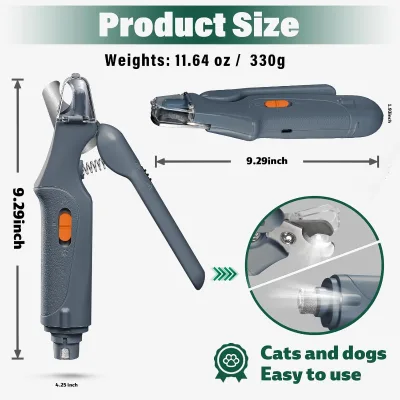
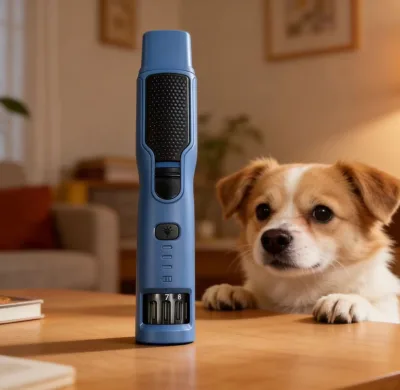
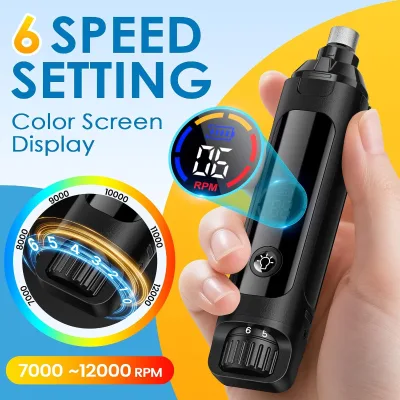


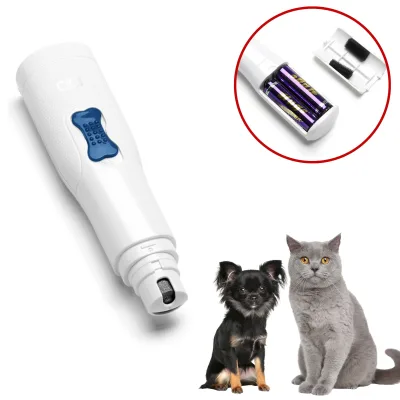

Professional Dog and Cat Nail Clippers, Pet Paw Trimmer, Dog Toe Trimmer
$0.57 - $0.71
MOQ: 1200 Pieces


Pet Nail Trimmer Dog Cutter Cat Nail Clipper Third Party Testing Factory
$0.50 - $0.84
MOQ: 288 Pieces
Comprehensive Sourcing Guide
Strategic Sourcing Guide for Pet Nail Trimmers
The global demand for specialized pet grooming tools has surged, driven by the increasing recognition of pet health and the shift toward home-based care solutions. Within this expanding market, the Pet Nail Trimmer category has evolved from simple manual shears to sophisticated electric devices featuring rechargeable batteries, variable speeds, and ergonomic designs. For B2B buyers, navigating this sector requires a disciplined approach that balances technical specifications with supply chain reliability. This guide outlines the critical factors for sourcing pet nail trimmers, focusing on the diverse product attributes observed in current market listings, including electric and manual operation types, various power sources, and specific material compositions.
Technical Specifications and Operational Diversity
When evaluating pet nail trimmers, the first critical step is understanding the operational mechanics and power sources available in the market. The current product landscape presents a distinct bifurcation between manual and electric devices. Manual trimmers, often constructed from stainless steel and ABS materials, rely on mechanical leverage and are typically designed for precision cutting without the need for external power. In contrast, electric models, such as those labeled as "USB Rechargeable" or "Cordless Automatic," utilize internal motors to grind or clip nails. These electric units often feature specific motor speeds, with some listings indicating performance metrics around 6500 revolutions per minute, which is a key differentiator for efficiency and noise reduction.
Power source compatibility is another vital technical consideration. While some devices operate on standard batteries, others utilize polymer batteries with specific voltage ratings, such as 3.7V, and capacity measurements like 650MA. Charging times can vary significantly, with some units requiring approximately three hours for a full charge. Buyers must verify these specifications against their target market's power infrastructure. For instance, a product listing indicating "Not Applicable" for voltage suggests a purely mechanical device, whereas a specific voltage rating implies an electrical component that requires compliance with regional electrical safety standards. Furthermore, the physical dimensions of the device, ranging from compact single-package sizes of roughly 16.52.25cm to larger carton dimensions of 18126cm, dictate storage and shipping logistics.
Material Composition and Durability Standards
The longevity and safety of a Pet Nail Trimmer are fundamentally tied to its material composition. High-quality listings frequently specify the use of stainless steel for the cutting blades or grinding heads, ensuring resistance to corrosion and the ability to maintain a sharp edge through repeated use. The housing and structural components are often made from ABS plastic, which offers durability and a lightweight profile for the user. When sourcing, buyers should verify that the stainless steel used meets industry-grade standards for hygiene and sharpness retention.
Additionally, the construction of the device must account for the specific needs of different animal types. While many products are marketed for cats and dogs, some advanced models extend their applicability to birds, reptiles, and rabbits. This versatility requires a robust design that can accommodate varying nail thicknesses and hardness levels. The presence of specific color options, such as green and white, often indicates different model variants or target demographics, but the underlying material integrity remains the primary concern for long-term performance. Buyers should request material safety data sheets to ensure that all plastics and metals used are non-toxic and safe for prolonged contact with pets.
Compliance, Certification, and Safety Verification
In the B2B procurement of pet grooming tools, compliance with safety standards is non-negotiable, particularly for electric devices. While specific certification names are not universally standardized across all listings, buyers must verify that electric trimmers meet relevant electrical safety regulations for their target export markets. This includes checking for proper insulation, battery safety, and motor protection mechanisms. For manual tools, the focus shifts to mechanical safety, ensuring that the cutting mechanism does not pose a risk of accidental injury to the pet or the handler.
Waterproofing is another critical attribute observed in the market. Some products are explicitly labeled as "Waterproof," which is a significant advantage for cleaning and hygiene. However, buyers must distinguish between water-resistant and fully waterproof ratings, as this affects the device's longevity and the ease of maintenance. The packaging also plays a role in compliance; products shipped in boxes or cartons must adhere to international shipping standards for hazardous materials if they contain lithium batteries. Buyers should require suppliers to provide evidence of compliance with relevant regional standards, such as CE, RoHS, or FCC, depending on the destination market, rather than relying solely on marketing claims.
Cost Drivers and Pricing Dynamics
The pricing of pet nail trimmers is influenced by a complex interplay of factors, including the complexity of the mechanism, the quality of materials, and the level of customization offered. The observed price range in the market spans from $0.10 to $25.00, reflecting the vast difference between basic manual clippers and advanced electric grinders. Several key drivers impact the final cost. First, the inclusion of a rechargeable battery and motor system significantly increases the unit cost compared to manual counterparts. Second, the level of OEM/ODM customization allowed by the supplier can affect pricing; suppliers offering "Highly Welcomed" customization services may charge a premium for tooling and design modifications.
Volume is another critical cost driver. The Minimum Order Quantity (MOQ) varies widely, with some suppliers accepting orders as low as 10 pieces, while others may require quantities up to 2000 units. Buyers should analyze the trade-off between unit price and order volume. While higher volumes typically result in lower per-unit costs, the initial capital outlay increases. Additionally, packaging requirements, such as the use of specific carton sizes or branded boxes, can add to the overall cost. Buyers must also consider the "Single Gross Weight" of the product, which can impact shipping costs; for instance, a single unit weighing 32.000 kg would be an anomaly requiring specific freight arrangements, whereas standard units are likely much lighter.
Supplier Evaluation and Customization Capabilities
Selecting the right supplier is paramount for ensuring product quality and supply chain stability. The market data indicates that many suppliers offer OEM and ODM services, allowing buyers to customize product names, colors, and even functional specifications. This flexibility is crucial for brands looking to differentiate themselves in a crowded market. When evaluating potential partners, buyers should assess the supplier's capacity for customization, including their ability to modify motor speeds, battery capacities, and packaging designs.
The "Sample" availability is a key indicator of a supplier's readiness to engage in business. Suppliers that provide samples allow buyers to physically inspect the product quality, test the motor performance, and verify the material composition before committing to a large order. Furthermore, the location of the supplier, often cited as Guangdong, China, provides insight into the supply chain ecosystem. Buyers should verify the supplier's production capacity and lead times, ensuring they can meet demand fluctuations. The acceptance of small orders is also a positive signal, indicating a supplier that is flexible and willing to work with startups or smaller retailers.
Quality Control and Long-Term Procurement Strategy
Implementing a robust quality control (QC) strategy is essential for mitigating risks associated with mass production. Buyers should establish clear acceptance criteria based on the observed product attributes, such as motor speed consistency, battery charging time, and the durability of the stainless steel blades. Regular inspections during the production process can help identify defects early, preventing costly recalls or returns. For electric devices, testing the waterproofing capabilities and ensuring the battery does not overheat during operation are critical QC checkpoints.
Long-term procurement considerations extend beyond the initial order. Buyers should evaluate the supplier's ability to provide consistent quality over time and their responsiveness to market changes. The availability of spare parts, such as replacement grinding heads or batteries, is also a factor to consider for after-sales support. Additionally, the "Small Orders: Accepted" attribute suggests that suppliers may be open to iterative ordering, allowing buyers to test the market with smaller batches before scaling up. By maintaining a strategic relationship with a reliable supplier, buyers can ensure a steady supply of high-quality pet nail trimmers that meet the evolving needs of their customers.
Typical Applications and Market Segmentation
The application of pet nail trimmers extends across a diverse range of animal types, influencing product design and marketing strategies. While the primary market consists of cats and dogs, the observed data indicates that some products are specifically designed for birds, reptiles, and rabbits. This segmentation requires specialized tools with varying blade sizes and grinding speeds. For example, a trimmer suitable for a parrot may differ significantly in size and power from one designed for a large dog.
Understanding these applications helps buyers tailor their product offerings to specific niches. The "Keyword" data, such as "dog nail clipper cat nail trimmer pet care products topsellers," highlights the high demand for general-purpose tools that can handle multiple species. However, specialized products for reptiles or birds may command a higher price point due to their niche appeal and lower production volumes. Buyers should analyze their target demographic to determine whether a broad-spectrum product or a specialized tool is more appropriate for their business model.
Comparative Analysis of Product Attributes
To facilitate decision-making, the following table summarizes key attributes observed in the market, highlighting the differences between manual and electric models and their respective specifications.
| Attribute Category | Manual Trimmer Characteristics | Electric Trimmer Characteristics |
|---|---|---|
| Operation Type | Manual | Electric (USB Rechargeable) |
| Power Source | None (Mechanical) | Battery (3.7V/650MA, Polymer) |
| Material | Stainless Steel, ABS | Stainless Steel, ABS, Motor Components |
| Typical Application | Cats, Dogs | Cats, Dogs, Birds, Reptiles |
| Packaging | Box, Case | Box, Carton |
| Customization | Available (OEM/ODM) | Available (OEM/ODM) |
| Key Spec | Size: 14.5*4.5cm | Motor Speed: 6500 RPM |
| Waterproof | Variable | Often Waterproof |
| Charging Time | N/A | Approx. 3 Hours |
This comparison underscores the need for buyers to carefully align their procurement strategy with the specific needs of their target market. Whether opting for the simplicity and lower cost of manual trimmers or the advanced functionality of electric models, a thorough understanding of these attributes is essential for successful sourcing. By adhering to these guidelines, buyers can navigate the complexities of the Pet Nail Trimmer market with confidence, ensuring they source products that deliver value, safety, and reliability to their customers.
FAQs
What operation types are available for pet nail trimmers?
Both manual and electric operation types are available for pet nail trimmers. Electric models often feature USB rechargeable batteries with motor speeds around 6500 revolutions per minute, while manual versions rely on stainless steel blades without external power sources.
Can I find pet nail trimmers suitable for multiple animal types?
Yes, many products are designed for cats, dogs, birds, reptiles, and rabbits. Some specific models explicitly list applicability for parrots and other small animals, ensuring versatility across different pet grooming needs and nail thicknesses.
What are the typical MOQ and customization options for these products?
The minimum order quantity can be as low as 10 pieces, with some suppliers accepting small orders. Customization options like ODM and OEM are widely available, allowing buyers to request specific packaging, colors, or functional modifications for their brand.
How are electric pet nail trimmers powered and charged?
Electric trimmers typically use polymer batteries with a voltage of 3.7V and a capacity of 650MA. Charging times are approximately three hours, and some units are waterproof, making them easy to clean after use without damaging internal components.
Which materials are commonly used to construct pet nail trimmers?
High-quality trimmers are constructed from stainless steel for the cutting blades and ABS plastic for the housing. This combination ensures durability, corrosion resistance, and a lightweight profile for comfortable handling during the grooming process.
What packaging formats are used for shipping these grooming tools?
Products are commonly shipped in boxes, cases, or cartons depending on the order size and supplier. Single package sizes vary from compact dimensions like 16.5*2.2*5cm to larger cartons, and some listings specify a gross weight of 32.000 kg for bulk units.
Are samples available for testing before placing a bulk order?
Samples are available for most suppliers to allow buyers to inspect product quality and functionality. This allows verification of motor performance, material safety, and waterproofing capabilities before committing to larger purchase volumes with specific MOQ requirements.