Source Pet Odor Spray for Cats, Dogs, and Home Use
Find 30 Pet Odor Spray options from verified suppliers. Compare features like eco-friendly ingredients, OEM customization, and capacities ranging from 60ml to 500ml for cats, dogs, and home environments.
Key considerations
Products List





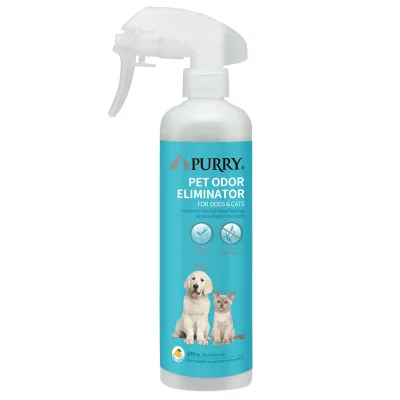
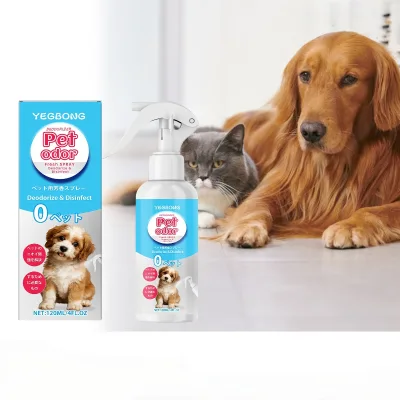
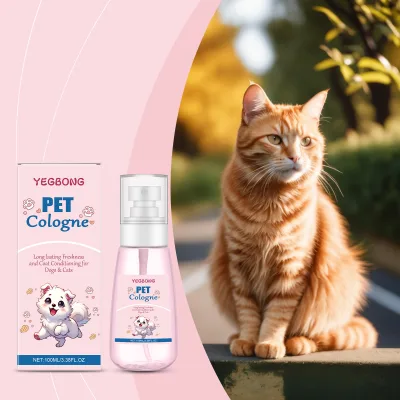
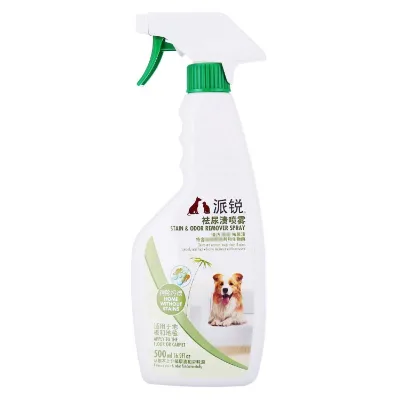
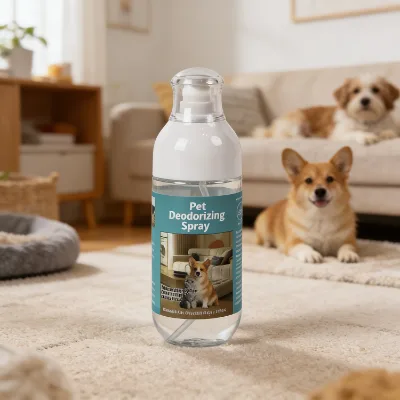
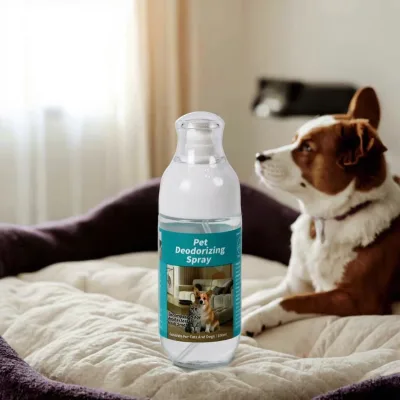
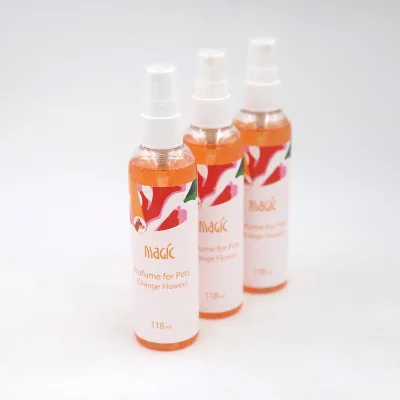
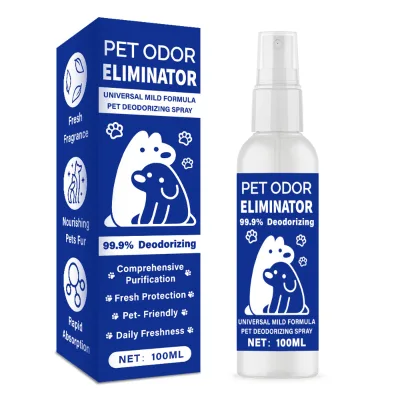
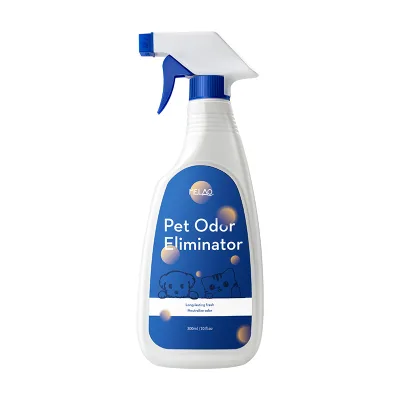
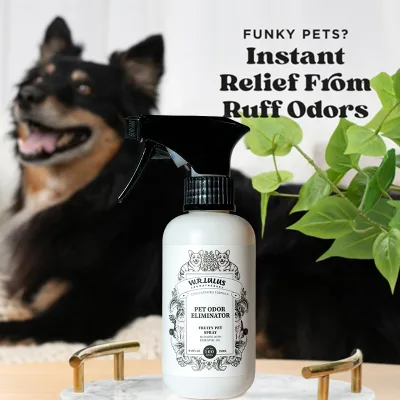
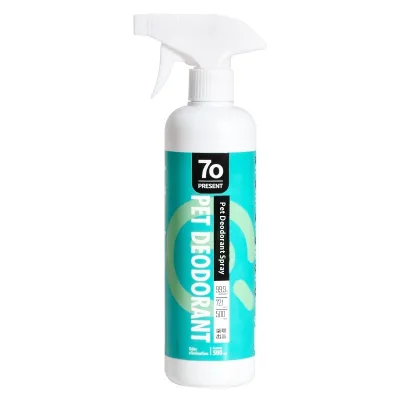
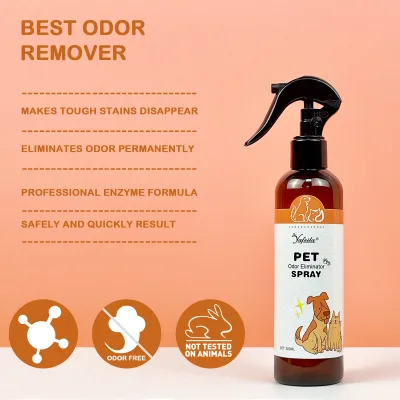
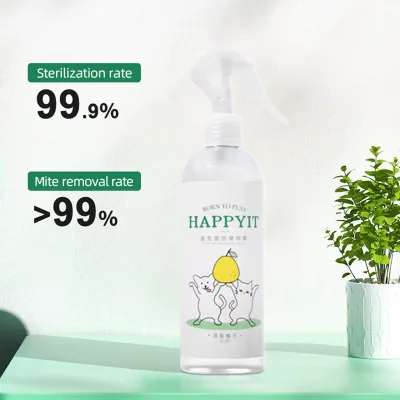

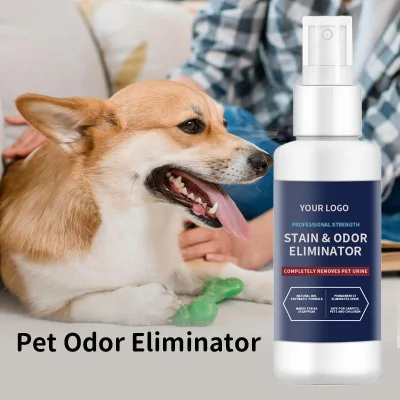
Comprehensive Sourcing Guide
Pet Odor Spray Sourcing Guide
Sourcing pet odor sprays requires a nuanced understanding of the intersection between chemical formulation, regulatory compliance, and consumer safety. These products are designed to neutralize or mask unpleasant odors associated with pets, rather than merely covering them with fragrance. Buyers must distinguish between products that rely on enzymatic breakdown of organic matter and those that use chemical neutralizers or simple masking agents. The market offers a wide variety of options, ranging from small, travel-sized bottles to bulk commercial containers, each serving different distribution channels and end-user needs.
The procurement process involves evaluating multiple variables, including active ingredient content, packaging integrity, and customization capabilities. Many suppliers offer OEM and ODM services, allowing brands to create unique formulations and branding. However, this flexibility introduces complexity in quality control and regulatory verification. Buyers must ensure that the supplier’s capabilities align with their specific market requirements, whether that involves eco-friendly certifications, specific scent profiles, or targeted applications for different types of pets and environments.
Product Scope and Observed Listing Signals
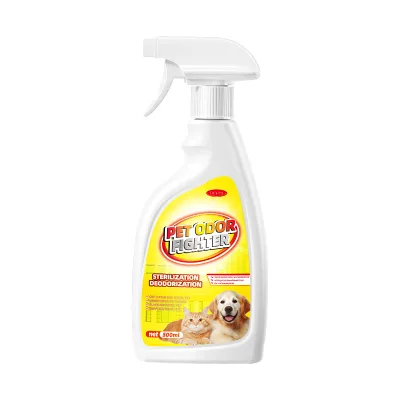
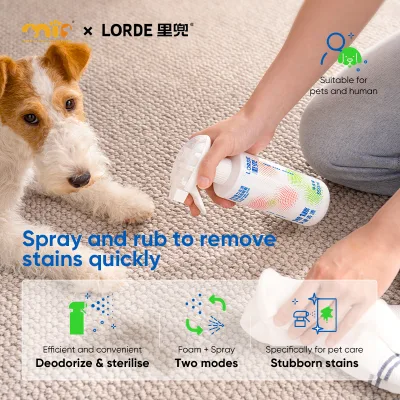
The current market landscape for pet odor sprays includes a diverse range of product types, from general-purpose deodorizers to specialized stain and odor removers. Observed listings indicate a strong presence of products labeled as "Pet Deodorization Spray" and "Pet Deodorizing & Antibacterial Spray," suggesting a dual focus on odor neutralization and hygiene. These products often highlight features such as being eco-friendly, non-toxic, and pet-safe, which are critical selling points for conscientious consumers. The observed price range of $0.4 to $6.66 USD reflects significant variation in volume, formulation complexity, and branding, with smaller, specialized bottles commanding higher per-unit prices compared to bulk options.
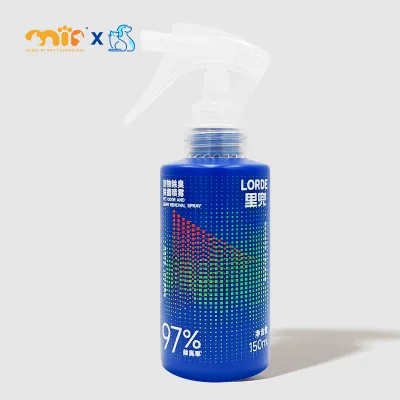
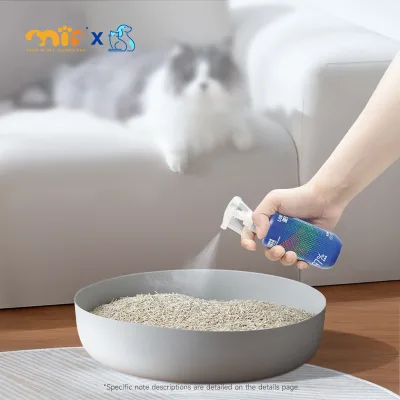
Packaging and capacity are key differentiators in this category. Listings show capacities ranging from 60ml to 500ml, with packaging options including individual boxes, bottles with cartons, and air-filled protective packaging. The observed MOQ range of 1 to 100,000 units indicates that suppliers cater to both small-scale startups and large-scale distributors. Some products are marketed as air fresheners for home use, while others are specifically formulated for pet cleaning, highlighting the importance of clearly defining the product’s primary application during sourcing. The presence of OEM branding and silk screen printing options suggests that private labeling is a common practice, allowing buyers to establish distinct brand identities in a competitive market.
Technical Specifications to Verify
When evaluating technical specifications, buyers must prioritize the formulation’s efficacy and safety profile. Key attributes to verify include the active ingredient content, which some listings indicate is above 80%, and the use of natural plant extracts and mild surfactants. These ingredients are often cited as reasons for the product’s eco-friendly and non-toxic claims. It is essential to confirm the specific chemical composition to ensure it aligns with safety standards and does not contain harmful volatile organic compounds (VOCs) or allergens. The fragrance profile, often described as "Nature" or customizable, should be tested for longevity and intensity to ensure it meets customer expectations without being overpowering.
Packaging specifications and physical dimensions are also critical for logistics and shelf appeal. Observed product dimensions, such as 3.23.211.6cm for smaller bottles, provide insights into storage and shipping efficiency. Buyers should verify the material quality of the spray mechanism, as durability and consistency of the spray pattern are vital for user experience. Additionally, the shelf life, typically observed as two years, should be confirmed through stability testing to ensure product integrity over time. The distinction between waterproof and non-waterproof applications is also relevant, as some products may be designed for surface treatment rather than direct pet application, requiring clear labeling to prevent misuse.
Compliance and Safety Documentation
Regulatory compliance is paramount when sourcing pet odor sprays, given the direct contact with animals and humans. Buyers must request comprehensive safety data sheets (SDS) and ingredient lists to verify that all components are safe for use around pets. Documentation should confirm that the product is non-toxic and pet-safe, as claimed in many listings. It is crucial to ensure that the supplier adheres to relevant chemical regulations in the target market, such as REACH in Europe or TSCA in the United States. Failure to comply with these regulations can result in product recalls, legal liabilities, and damage to brand reputation.
Certifications related to eco-friendliness and safety should be verified through independent testing agencies. While some listings claim eco-friendly status, buyers should seek out recognized certifications that validate these claims, such as biodegradability certifications or organic ingredient verifications. Additionally, if the product is marketed as antibacterial, buyers must ensure that the supplier can provide test results demonstrating the efficacy of the antibacterial agents against relevant pathogens. Transparency in sourcing and manufacturing processes is also important, with buyers preferring suppliers who can provide detailed information about the origin of raw materials and the manufacturing location, such as Guangdong or Hebei in China.
Cost Drivers and Commercial Terms
Several factors influence the cost of pet odor sprays, including the complexity of the formulation, the volume of active ingredients, and the packaging design. Products with higher active ingredient content or specialized natural extracts typically command higher prices. Packaging costs are also significant, with custom shapes, materials, and branding elements adding to the overall expense. Buyers should consider the trade-off between unit price and minimum order quantity (MOQ), as larger orders often result in lower per-unit costs but require greater capital investment and storage capacity.
Commercial terms, such as payment methods, shipping arrangements, and lead times, play a crucial role in the total cost of ownership. Buyers should negotiate clear terms regarding sample availability, as many suppliers offer free samples for evaluation. It is also important to clarify responsibilities for shipping and insurance, especially for international orders. Understanding the supplier’s production capacity and lead times is essential for maintaining inventory levels and meeting customer demand. Buyers should also inquire about the supplier’s flexibility in handling rush orders or custom formulations, as these services may incur additional costs.
Supplier Qualification and Quality Control
Supplier qualification involves assessing the manufacturer’s production capabilities, quality control processes, and business stability. Buyers should verify the supplier’s experience in producing pet care products and their ability to maintain consistent quality across batches. Requesting references or case studies from other clients can provide insights into the supplier’s reliability and performance. Additionally, buyers should evaluate the supplier’s commitment to continuous improvement and their responsiveness to feedback or issues.
Quality control measures should be clearly defined and enforced throughout the production process. Buyers should request information on the supplier’s quality management systems, such as ISO certifications, and their procedures for raw material inspection, in-process testing, and final product verification. It is also important to establish clear criteria for product acceptance, including visual inspection, functional testing, and chemical analysis. Regular audits or third-party inspections can help ensure that the supplier maintains high standards and adheres to agreed-upon specifications.
Long-Term Procurement Checks
Long-term procurement success depends on building a sustainable and resilient supply chain. Buyers should regularly review supplier performance metrics, including on-time delivery, product quality, and responsiveness to issues. Establishing a partnership based on mutual trust and clear communication can facilitate smoother operations and better problem-solving. Buyers should also stay informed about market trends and regulatory changes that may impact the Pet Odor Spray category, allowing them to adapt their sourcing strategies accordingly.
Continuous evaluation of product performance and customer feedback is essential for maintaining product relevance and competitiveness. Buyers should monitor sales data and customer reviews to identify areas for improvement or new opportunities for product development. Engaging with suppliers on innovation and new product ideas can help keep the product line fresh and appealing to consumers. Additionally, buyers should consider diversifying their supplier base to mitigate risks associated with single-source dependencies, ensuring business continuity in the face of potential disruptions.
FAQs
What are the main ingredients in the pet deodorizing spray?
The spray contains natural plant extracts and mild surfactants as its primary components. This formulation ensures the product remains non-toxic and safe for both cats and dogs while effectively removing odors.
Can I customize the fragrance of the Pet Odor Spray?
Yes, the fragrance can be customized to meet specific buyer requirements. The product offers a nature scent option but allows for tailored olfactory profiles to suit different market preferences.
What is the shelf life of the pet cleaning spray?
The product has a shelf life of two years when stored properly. This duration ensures long-term usability for distributors and retailers stocking the item in their inventory.
How is the pet deodorization spray packaged for shipping?
The spray is packaged in bottles with cartons or air boxes depending on the specific model. This packaging method protects the liquid contents during transit and supports retail display needs.
Is the Pet Odor Spray suitable for all seasons?
Yes, the product is designed for use in all seasons. It functions effectively regardless of the time of year to maintain a fresh environment for pets and their owners.
What is the minimum order quantity for this pet spray?
The minimum order quantity ranges from one unit up to 100,000 units based on supplier terms. Buyers can negotiate specific MOQs depending on their volume requirements and customization needs.
Does the product support OEM logo printing?
Yes, the product supports OEM logo services using silk screen printing techniques. This allows brands to apply their own graphics and designs directly onto the packaging for a customized appearance.