Source PIC Programmer Kit for IoT, Data Storage, and Workstations
Find and compare 30 PIC Programmer Kit options from China for IoT, data storage, and workstation applications. Evaluate specifications like PICKIT2/3/3.5 and EZP2019 kits, check MOQs, and review warranty terms to select the right module for your needs.
Key considerations
Products List
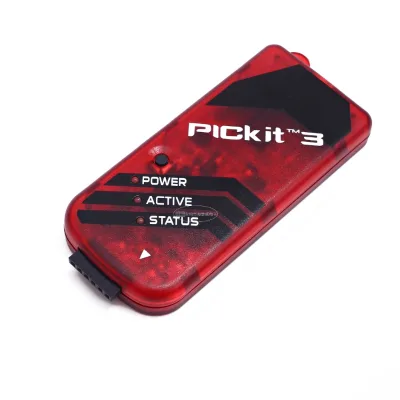
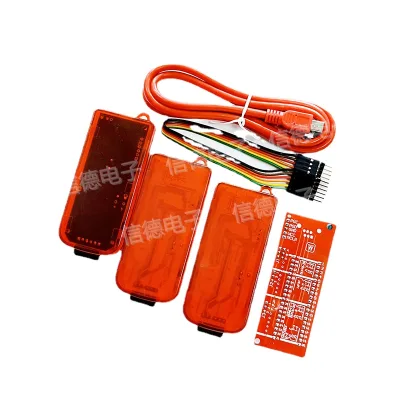
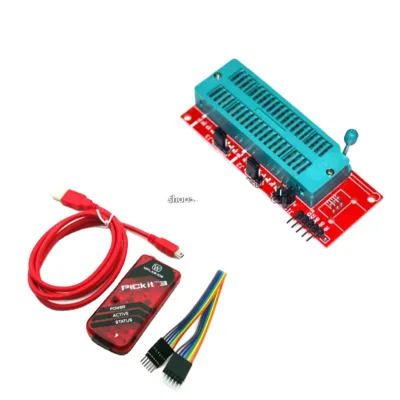
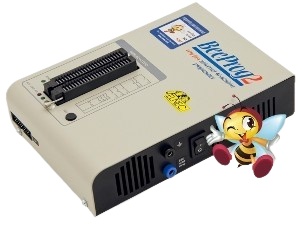
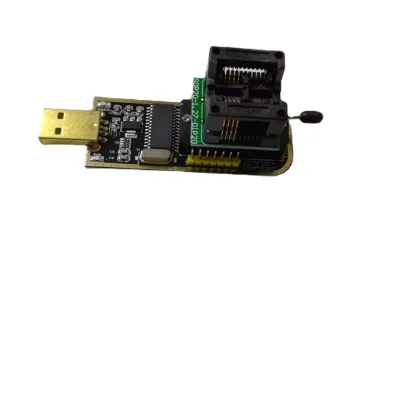
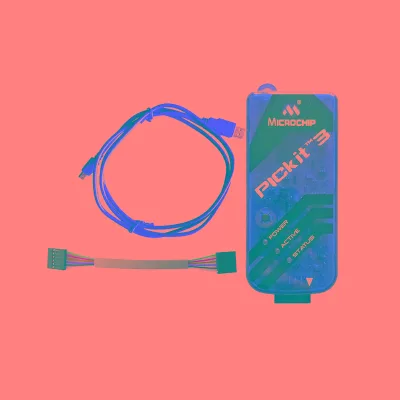
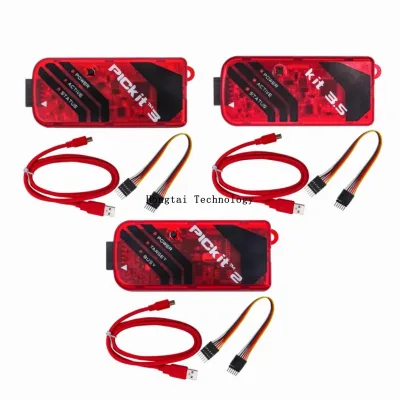
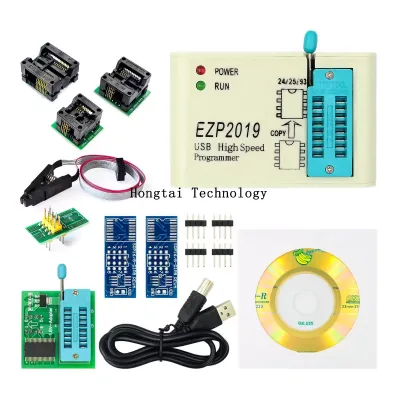


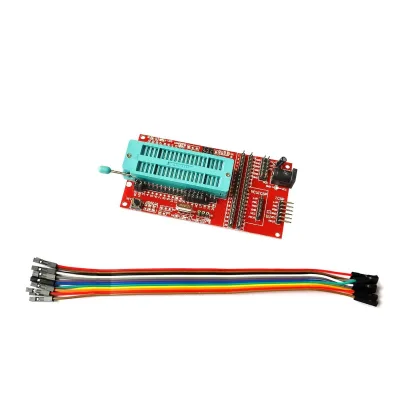
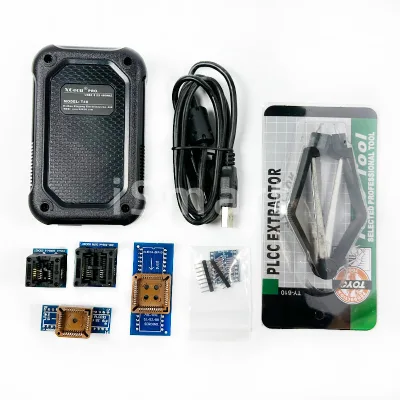

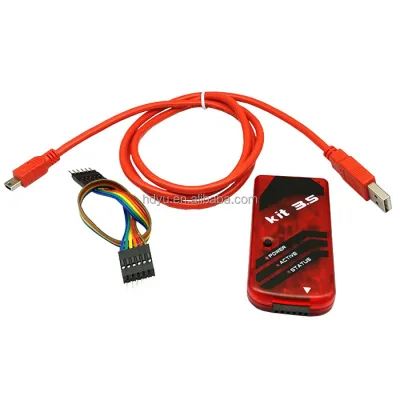
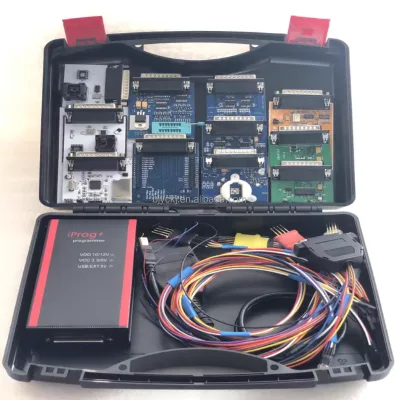


Comprehensive Sourcing Guide
PIC Programmer Kit Sourcing Guide
Sourcing a PIC Programmer Kit requires a disciplined approach to verifying hardware compatibility, software support, and supplier reliability. These tools are essential for embedded systems development, allowing engineers to program, debug, and flash microcontrollers used in a wide range of electronic devices. The market offers various kits, from basic programmers to comprehensive development suites, each serving different stages of the product lifecycle. Buyers must navigate a landscape where specifications can vary significantly between listings, making it crucial to distinguish between generic tools and specialized hardware that meets specific project requirements.
This guide provides a structured framework for evaluating PIC programmer kits based on observed market data and standard procurement practices. It focuses on technical verification, compliance checks, and commercial terms to help buyers make informed decisions. By understanding the core components of these kits, including the programmer hardware, software interfaces, and supported microcontroller families, procurement teams can mitigate risks associated with incompatible tools or unreliable suppliers. The following sections detail the critical factors that influence the selection and acquisition of these essential development tools.
Product Scope and Observed Listing Signals
The observed market for PIC programmer kits reveals a diverse range of products, with prices ranging from approximately $1 to over $1,200 USD. This wide variance suggests that the category encompasses everything from basic, entry-level programmers to advanced, multi-functional development stations. Listings often highlight specific model numbers such as "mrs-", "szmrs-", and "mini nd900", indicating a fragmented market with numerous manufacturers and private-label offerings. Buyers should note that the term "kit" may refer to a standalone programmer, a bundle with accessories, or a complete development system, necessitating careful review of the product description to understand exactly what is included in the purchase.
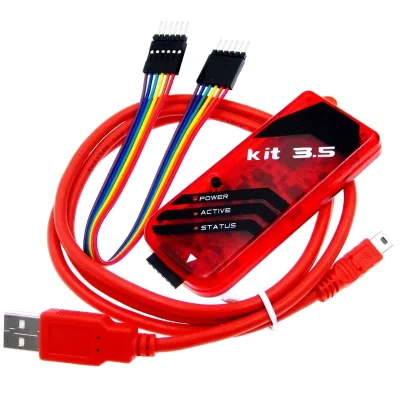
Common specifications observed in listings include support for various kit versions like Kit 2, Kit 3, and Kit 3.5, as well as compatibility with tools like Pickit3 and CH341A. Some products are marketed with additional features such as automatic back-side photography for chip identification or integrated programming capabilities for specific chips like the XTW-100. The presence of terms like "Original 100%" and "New" in product descriptions is a common signal of condition, but buyers should remain cautious as these are self-reported attributes. The typical packaging is described as "New*original Packing", and the origin is predominantly listed as Guangdong, China, which is a major hub for electronics manufacturing.
Technical Specifications to Verify
When evaluating a PIC Programmer Kit, the first step is to confirm the supported microcontroller families and instruction sets. Not all programmers support the entire range of PIC microcontrollers, and compatibility is often limited to specific series such as PIC10, PIC12, PIC16, or PIC18. Buyers must verify that the kit includes the necessary cables, adapters, and power supplies for their target devices. The interface type, whether USB, RS-232, or parallel, should also be checked to ensure compatibility with the buyer’s workstation hardware. Additionally, the software version is a critical factor, as updates often add support for newer chips or fix bugs in the programming algorithm.
The physical specifications of the kit, including size, weight, and mounting type, are important for integration into existing development workflows. Many kits are designed for PCB mounting or desktop use, with dimensions typically around 10x10x10 cm and weights ranging from 0.3 kg to negligible values for small modules. Buyers should also consider the update method, with many modern kits supporting updates via the internet to ensure access to the latest firmware and device databases. The inclusion of a warranty, often cited as 365 days, provides a layer of protection against hardware defects, but the terms and conditions of this warranty should be clearly understood before purchase.
Compliance and Safety Documentation
Compliance with international standards is a key consideration for B2B procurement, especially when integrating hardware into larger systems or exporting products. Listings often mention certifications such as ISO, RoHS, and CE, which indicate adherence to quality management, environmental restrictions on hazardous substances, and European safety standards, respectively. However, buyers should request valid certification documents from the supplier to verify these claims, as self-reported certifications may not always be up-to-date or applicable to the specific model being purchased. The presence of these certifications can facilitate smoother customs clearance and regulatory compliance in various markets.
Safety documentation should also include user manuals, safety warnings, and electrical specifications. Buyers must ensure that the programmer kit operates within safe voltage and current limits to prevent damage to the target microcontroller or the programmer itself. The output type is typically standard, but the specific electrical characteristics should be confirmed to match the requirements of the target devices. Additionally, the mounting type, often PCB-based, should be evaluated for mechanical stability and thermal management, especially if the kit will be used in high-volume or continuous programming applications.
Cost Drivers and Commercial Terms
The cost of a PIC Programmer Kit is influenced by several factors, including the complexity of the hardware, the breadth of supported devices, and the level of software support provided. Basic programmers may be available at the lower end of the price spectrum, while advanced kits with multi-chip support, debugging capabilities, and premium software licenses command higher prices. The minimum order quantity (MOQ) is typically low, often starting at just one piece, which allows for easy sampling and testing before committing to larger orders. However, bulk purchases may offer volume discounts, so buyers should negotiate pricing based on their expected consumption.
Commercial terms such as lead time, payment methods, and shipping options are critical for supply chain planning. Lead times are generally short, ranging from 1 to 3 working days, which is advantageous for urgent development needs. Payment options often include PayPal, TT (Telegraphic Transfer), Western Union, and Trade Assurance, providing flexibility for international transactions. Shipping is typically handled by major carriers like DHL, UPS, FedEx, EMS, TNT, and Aramex, ensuring reliable delivery. Buyers should also consider the total landed cost, including shipping fees and potential import duties, when evaluating the overall value of the procurement.
Supplier Qualification and Quality Control
Supplier qualification is essential to ensure the reliability and consistency of the PIC programmer kits. Buyers should assess the supplier’s track record, including their experience in the electronics industry, customer reviews, and response times. The brand name "HTORBGA" appears in some listings, but buyers should be aware that many suppliers may offer white-label or generic products. It is advisable to request samples to verify the quality of the hardware and the functionality of the software before placing bulk orders. Suppliers that offer a "One Stop Bom Service" may provide additional value by helping buyers source other components, but this should be evaluated based on the supplier’s overall capability.
Quality control measures should be clearly defined, including inspection protocols, testing procedures, and return policies. The condition of the products, often described as "Original 100%" or "New", should be verified upon receipt. Buyers should establish clear criteria for accepting or rejecting shipments, including checks for physical damage, missing components, and software functionality. The warranty period, typically 365 days, should be backed by a clear process for claiming repairs or replacements. Establishing a strong relationship with the supplier can also facilitate better support and faster resolution of any issues that may arise during the procurement process.
Long-Term Procurement Checks
Long-term procurement success depends on the ability to adapt to changes in technology and market conditions. As microcontroller technology evolves, the PIC Programmer Kit must remain compatible with new devices and software updates. Buyers should monitor the supplier’s ability to provide regular software updates and firmware patches to ensure continued functionality. The availability of spare parts, such as cables and adapters, is also important for maintaining the kit over its lifecycle. Buyers should consider the total cost of ownership, including maintenance and upgrade costs, when evaluating the long-term value of the procurement.
Additionally, buyers should regularly review their supplier base to ensure they are getting the best value and service. This includes comparing prices, lead times, and quality across multiple suppliers. The ability to customize products, as indicated by the "Customization: Available" attribute, can be a significant advantage for buyers with specific requirements. However, customization may involve higher costs and longer lead times, so it should be weighed against the benefits. By maintaining a proactive approach to supplier management and technology monitoring, buyers can ensure that their PIC programmer kits remain a reliable and effective tool for their development needs.
FAQs
What specifications are available for the PIC Programmer Kit?
Available specifications include Pickit3, kit2, kit3, and kit3.5 models. These options support various programming needs and are offered as single items or complete sets for different application requirements.
Can I get a warranty with the PIC Programmer Kit?
Yes, the product comes with a one-year warranty covering 365 days. This warranty applies to original units and ensures protection against defects for the specified duration after purchase.
How fast is the lead time for delivery?
The lead time is typically 1 to 3 working days for processing orders. This quick turnaround allows for rapid deployment of the programmer kits to workstations or IoT projects.
Which certifications does the product hold?
The product holds ISO, RoHS, and CE certifications. These standards ensure compliance with international safety and environmental regulations for electronic components used in data storage and IoT applications.
What is the minimum order quantity for this kit?
The minimum order quantity is 1 piece per order. This low MOQ allows buyers to purchase single items or small batches without needing to meet high volume thresholds.
Where is the product manufactured?
The product originates from Guangdong, China. This location is a known hub for electronics manufacturing, ensuring access to established supply chains for components like the PIC programmer kits.
How can the software be updated?
The software version is updated via the Internet. This method ensures users always have access to the newest features and compatibility with current devices without needing physical media.