Source Plastic Storage Packaging for Living Room, Garage, and Warehouse
Find 30 verified options for Plastic Storage Packaging designed for indoor and outdoor use. Compare features like stackability, capacity, and customization to select the right storage boxes for your needs; compare the available evidence and request quotations based on your requirements.
Updated
Key considerations
Products List


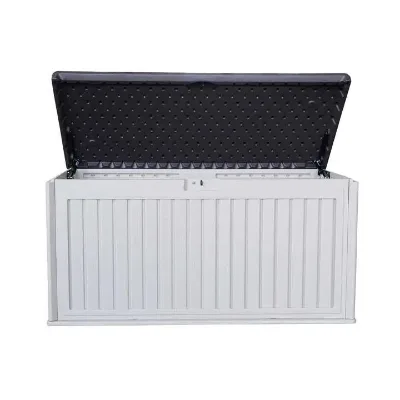


$4.70 - $4.90
MOQ: 5000 Pieces

$6.30 - $6.50
MOQ: 5000 Pieces

$4.70 - $4.90
MOQ: 5000 Pieces
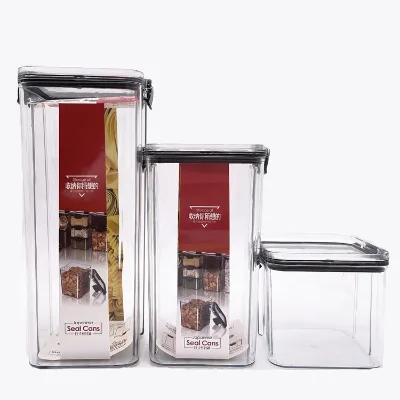


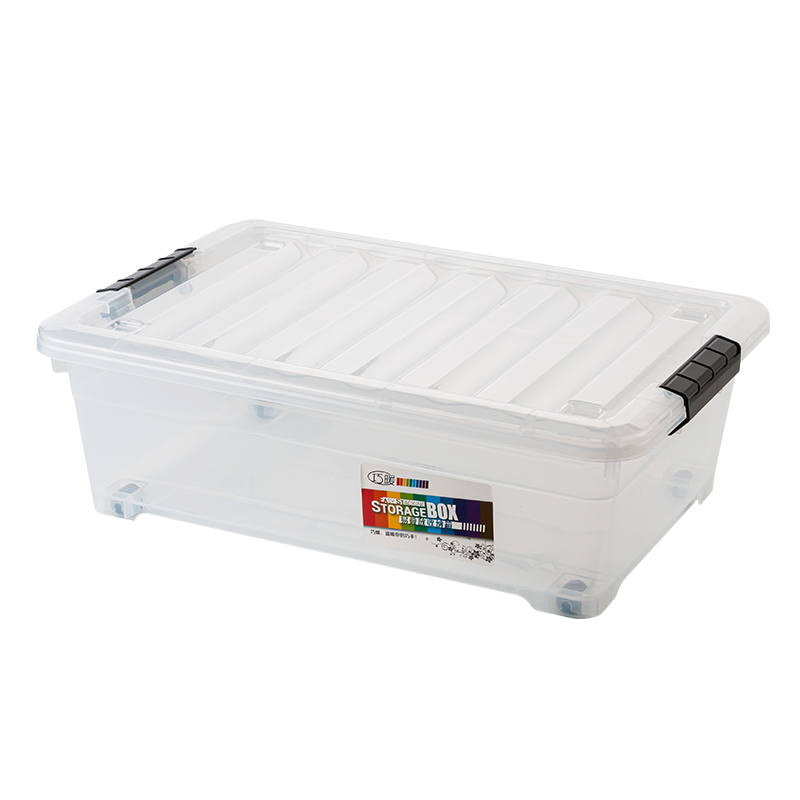


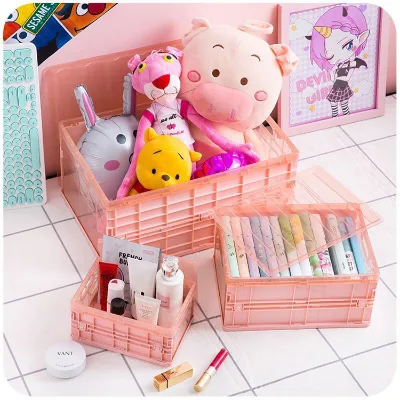
Comprehensive Sourcing Guide
Plastic Storage Packaging Sourcing Guide
Sourcing Plastic Storage Packaging requires a disciplined approach to material selection and structural design, ensuring that the final product meets both logistical efficiency and end-user durability. Buyers must prioritize polypropylene (PP) as the primary material due to its balance of strength, chemical resistance, and cost-effectiveness for mass production. The observed market signals indicate a wide range of configurations, from small indoor bins to large outdoor containers, necessitating clear definition of capacity and footprint before engaging suppliers.
Procurement teams should evaluate the specific application environment, whether for living room organization, warehouse inventory, or garage storage, as this dictates the required structural integrity. The availability of customization options, including logo printing and color labeling, adds value for branded retail solutions but introduces complexity in the approval process. Understanding these variables early in the sourcing cycle helps align supplier capabilities with specific brand identity and functional requirements, reducing the risk of mismatched expectations.
Product Scope and Observed Listing Signals
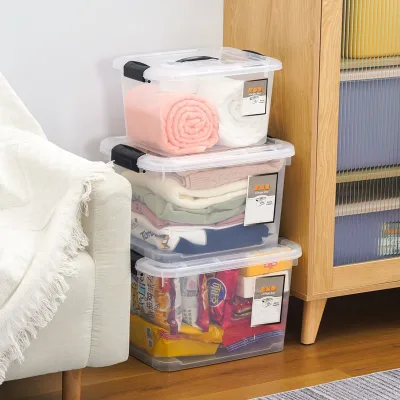
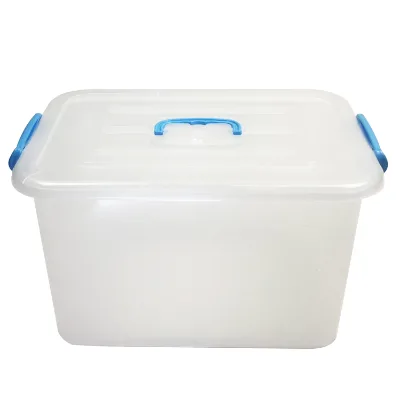
The current market landscape for Plastic Storage Packaging reveals a diverse array of product types, primarily categorized as boxes, bins, and outdoor storage units. Key attributes observed include rectangular shapes, stackable designs, and varying capacities ranging from under ten liters to twenty-one liters. These products are often marketed for multi-purpose use, accommodating items such as food, apparel, books, tools, and bedding, which highlights the versatility required in modern storage solutions.
Listing signals also emphasize practical features such as easy assembly, portability, and eco-friendly material claims. The packaging itself is frequently described as stacked or carton-packed, with specific quantities per carton noted to aid in logistics planning. Buyers should note that while some products are labeled for indoor use, others are explicitly designed for indoor and outdoor applications, suggesting differences in UV resistance and weather durability that must be verified through technical documentation rather than marketing labels alone.
Technical Specifications to Verify
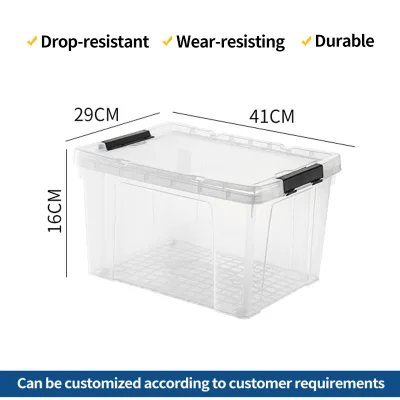
Technical verification must begin with precise dimensional analysis, as observed specifications include sizes like 60x39x36 cm for individual units and larger carton dimensions such as 61.5x40x79.5 cm. Buyers should confirm the gross and net weights, which have been observed at 18.5 kg and 17 kg respectively for certain models, to ensure accurate freight cost calculations and warehouse handling requirements. The frame material is often specified as plastic, reinforcing the need to verify wall thickness and joint strength for heavy-load scenarios.
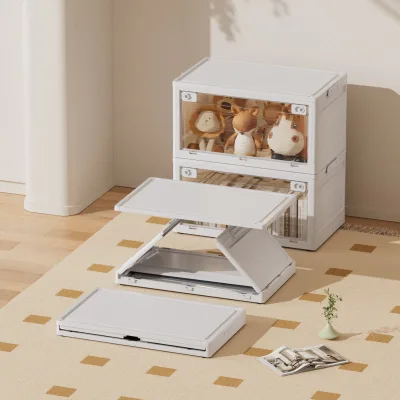
Model numbers such as SY32107, SY336601, and SY34101 serve as critical identifiers for traceability and reordering. Procurement teams must verify the folded versus unfolded states, as this impacts storage efficiency during transit and final product footprint. Additionally, the quantity per carton, observed as six units for some SKUs, directly influences palletization strategies and inventory management systems, making accurate data essential for supply chain optimization.
Compliance and Safety Documentation
Compliance verification is paramount when sourcing plastic storage solutions, particularly those intended for food contact or general household use. Buyers must request documentation confirming that the polypropylene material meets relevant safety standards for chemical migration and durability. Although specific standards like ASTM D3475-24 are referenced in background contexts, buyers should verify the exact certification status and test reports provided by the supplier to ensure alignment with destination market regulations.
Safety labeling is another critical component, with observed products featuring color labels and warning labels as part of the individual packaging. These labels often contain crucial information regarding weight limits, assembly instructions, and hazard warnings, which are essential for consumer safety and liability protection. Procurement teams should ensure that all labeling is printed in the required languages and adheres to local regulatory formats, avoiding generic or untranslated warnings that could lead to compliance failures.
Cost Drivers and Commercial Terms
Cost structures in Plastic Storage Packaging are heavily influenced by material volume, customization complexity, and order quantity. The observed minimum order quantities (MOQ) range from one unit to five thousand pieces, with specific listings indicating an MOQ of 1000 pieces for customized logo applications. Buyers should negotiate tiered pricing based on volume, recognizing that higher quantities often yield better unit costs but require greater capital commitment and storage space.
Lead times and delivery terms also play a significant role in total landed cost, with observed delivery windows of approximately twenty days. These timelines can fluctuate based on raw material availability and production scheduling, so buyers should build buffer time into their procurement plans. Additionally, the packaging method, whether shrink-wrapped or carton-packed, affects handling costs and potential damage rates, so understanding the full commercial terms is essential for accurate budgeting and risk management.
Supplier Qualification and Quality Control
Supplier qualification requires a thorough assessment of manufacturing capabilities, particularly regarding customization and quality consistency. Buyers should verify the supplier’s ability to handle customized logos and specific packaging requirements, as these add layers of complexity to the production process. Quality control protocols must include random sampling of finished goods to check for defects such as cracks, misaligned lids, or printing errors, ensuring that the final product meets the agreed-upon specifications.
It is also crucial to assess the supplier’s track record in producing stackable and durable units, as structural integrity is a key performance indicator. Buyers should request samples to test the ease of assembly and the stability of the stackable design under load. Furthermore, verifying the supplier’s origin and production location, often noted as China, helps in understanding the logistical landscape and potential tariffs, ensuring a transparent and reliable supply chain partnership.
Long-Term Procurement Checks
Long-term procurement success depends on establishing robust mechanisms for continuous quality monitoring and supplier performance evaluation. Buyers should implement regular audits of production batches to ensure consistency in material quality and dimensional accuracy over time. This includes verifying that the eco-friendly claims and material specifications remain unchanged, as suppliers may alter formulations to reduce costs without notification, potentially impacting product performance and compliance.
Additionally, maintaining open communication channels for feedback and issue resolution is vital for sustaining a productive relationship. Buyers should document any recurring issues, such as packaging damage or labeling errors, and work with suppliers to implement corrective actions. By focusing on these long-term checks, procurement teams can mitigate risks, ensure supply continuity, and maintain the high standards required for competitive storage packaging solutions in the market.
FAQs
Can plastic storage boxes be customized with a logo?
Yes, customization is available for these plastic storage boxes. Buyers can request a customized logo to be printed on the product. This service allows businesses to brand their storage solutions effectively. The material used is typically PP, ensuring durability while accommodating custom branding requirements for various commercial applications.
What is the delivery lead time for these storage products?
The standard delivery lead time is 20 days. This timeframe applies to the manufacturing and preparation of the storage boxes. Buyers should plan their procurement schedules accordingly to ensure timely receipt of goods. This lead time reflects the production cycle for the specified models and packaging configurations.
What is the minimum order quantity for these storage bins?
The minimum order quantity is 1000 pieces. This MOQ applies to the customized storage box options. Buyers must meet this threshold to proceed with orders. The product is designed for bulk procurement, making it suitable for large-scale commercial or industrial storage needs.
What are the dimensions of the large storage box model?
The large storage box model has dimensions of 60 by 39 by 36 cm. This size is suitable for storing various items such as bedding, tools, or apparel. The product is designed to be stackable and portable, offering efficient space utilization for indoor or outdoor storage applications.
Is the Plastic Storage Packaging eco-friendly?
Yes, the Plastic Storage Packaging is described as eco-friendly. The material used is PP, which is commonly recognized for its recyclability and durability. This feature makes the storage boxes a sustainable choice for businesses looking to reduce their environmental impact while maintaining high-quality storage solutions for their products.
What types of items can these storage boxes hold?
These storage boxes can hold food, apparel, books, tools, bedding, and tableware. The versatile design supports multiple usage scenarios. The rectangular shape and sturdy construction ensure safe storage for a wide range of household and commercial items. This flexibility makes them ideal for various organizational needs.