Source Eco Friendly Bread Storage Box for Kitchen, Office, and Retail
Compare 30 Eco Friendly Bread Storage Box options from China. Browse bamboo and metal designs with customization, laser logos, and export standards. Find suppliers offering round, square, and oval shapes for food storage needs; compare the available evidence and request quotations based on your requirements.
Updated
Key considerations
Products List

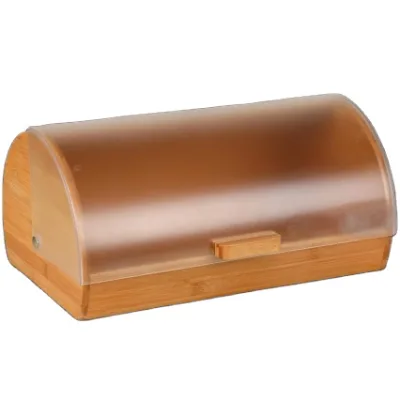
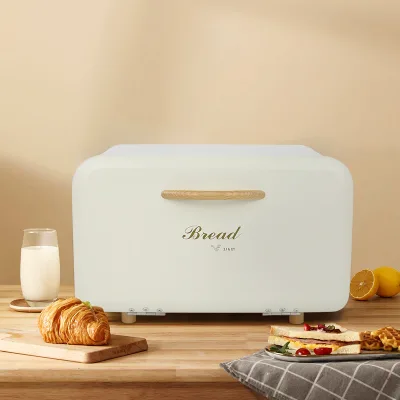
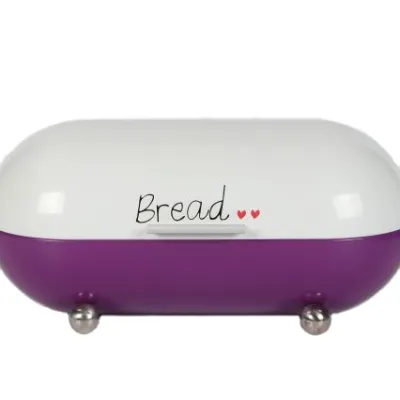
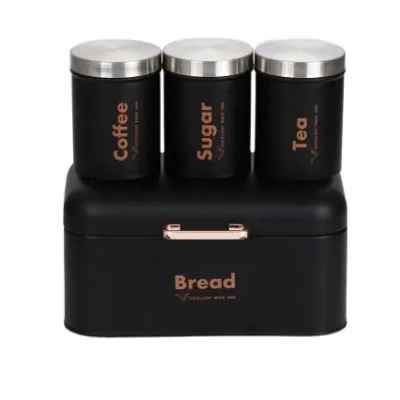
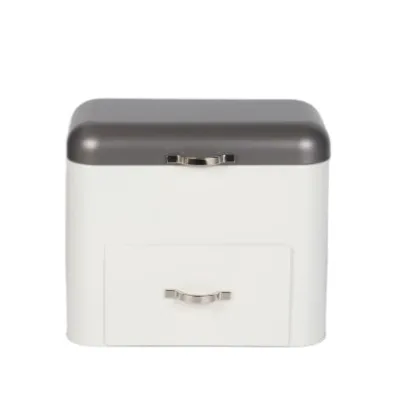


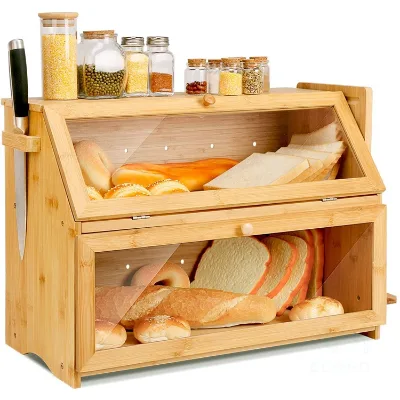
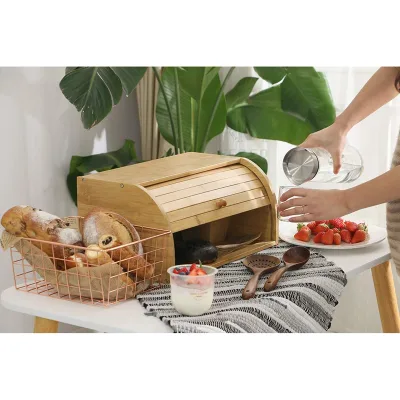
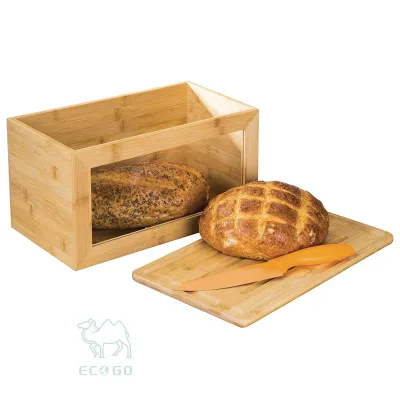
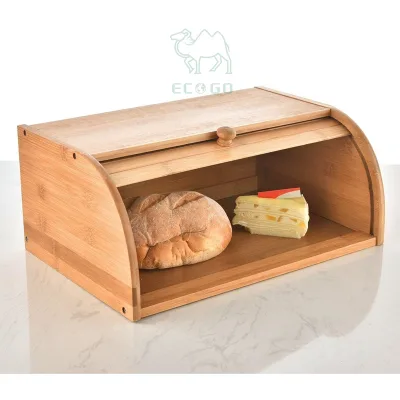
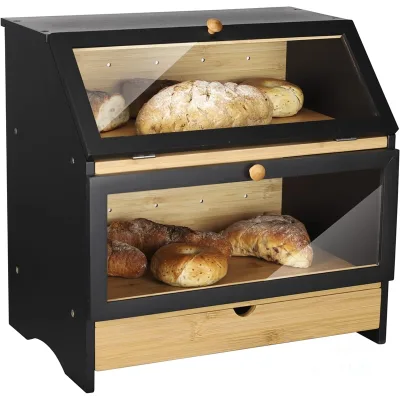
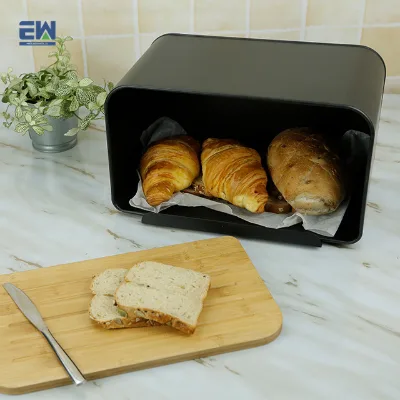

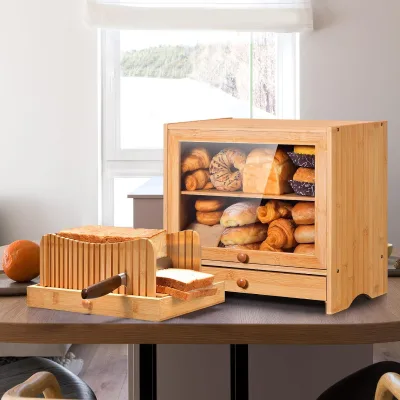
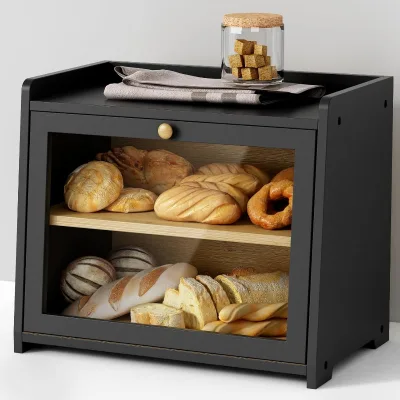
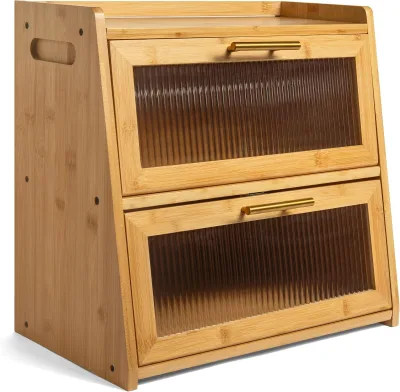


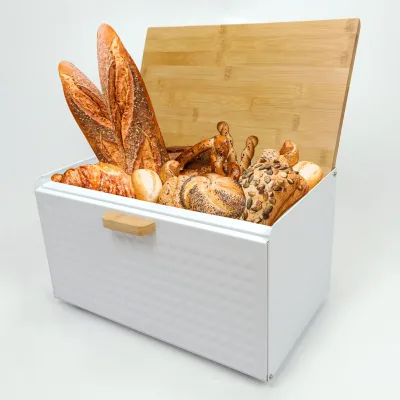
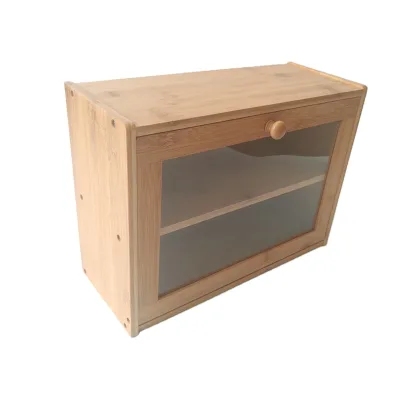
Comprehensive Sourcing Guide
Eco Friendly Bread Storage Box Sourcing Guide
Sourcing eco-friendly bread storage boxes requires a careful balance between material sustainability, functional design, and commercial viability. Buyers must navigate a market where terms like "eco-friendly" are often used loosely, necessitating a strict adherence to verified material facts. The observed product landscape reveals a diverse range of options, primarily constructed from bamboo or galvanized metal sheets, each offering distinct advantages in terms of durability and aesthetic appeal. Understanding these material differences is the first step in defining procurement requirements that align with brand values and customer expectations.
The procurement process also involves evaluating specific design attributes such as shape, capacity, and customization options. Listings indicate a variety of forms, including round, square, and oval configurations, with capacities ranging from 0.5L to 1L. These variations cater to different bread sizes and retail display needs. Furthermore, the availability of customization services, such as laser-engraved logos and specific color finishes, allows buyers to create unique product identities. However, verifying the actual production capabilities and lead times associated with these customizations is essential to ensure timely delivery and consistent quality across large orders.
Product Scope and Observed Listing Signals
The current market for bread storage solutions presents a wide array of product types, categorized broadly under storage boxes and bins. Observed listings highlight specific models such as the EB-A0494 and Kitchen42, which feature distinct material compositions like bamboo and galvanized sheet metal. These materials are chosen for their ability to preserve freshness while offering an environmentally conscious appeal. The presence of both "Original" and "Europe" style designs suggests that buyers can source products that fit various interior design themes, from rustic natural looks to modern minimalist aesthetics. This diversity allows for targeted sourcing strategies based on specific market segments.
Capacity and physical dimensions are critical factors in determining the suitability of these storage boxes for different retail environments. Products are available in capacities ranging from 500ml to 1000ml, with specific dimensions like 38.522.5h18.5 cm for metal variants and 55.5X37X31.5 cm for larger bamboo units. The single gross weight of items, such as 6.0 kg for certain square models, impacts shipping costs and handling logistics. Buyers must carefully assess these physical specifications to ensure that the chosen products fit within their distribution channels and storage facilities, avoiding unexpected logistical challenges during the import and warehousing phases.
Technical Specifications to Verify
Verifying technical specifications is crucial to ensure that the bread storage boxes meet functional requirements. Key attributes to confirm include the exact material composition, such as whether the bamboo is treated with non-toxic finishes or if the galvanized sheet meets specific corrosion resistance standards. The shape of the box, whether round, square, or oval, affects stacking efficiency and shelf space utilization. Buyers should request detailed technical drawings or samples to verify dimensions, ensuring that the internal capacity aligns with the stated volume and that the structural integrity can withstand typical handling and transport stresses without deformation.
Customization capabilities represent another significant technical aspect that requires thorough verification. Many suppliers offer options for laser-engraved logos and specific color finishes, such as brown, ivory, or purple. It is essential to confirm the precision and durability of these customizations, ensuring they do not compromise the material's integrity or safety. Additionally, the folding status of the product, whether it is delivered unfolded or in a flat-pack format, impacts packaging density and shipping costs. Buyers should clarify these details with suppliers to optimize logistics and ensure that the final product meets all aesthetic and functional expectations.
Compliance and Safety Documentation
Ensuring compliance with food safety standards is paramount when sourcing bread storage boxes. Buyers must verify that all materials, particularly those in direct contact with food, are certified as food-grade and free from harmful chemicals. For bamboo products, this includes checking for the absence of toxic adhesives or finishes. For metal containers, it involves confirming that the galvanized sheet does not leach harmful substances. Documentation such as material safety data sheets (MSDS) and food contact compliance certificates should be requested from suppliers to validate that the products meet international safety regulations and protect consumer health.
Environmental certifications are also critical for validating the "eco-friendly" claims associated with these products. Buyers should inquire about specific environmental standards or certifications that the supplier holds, such as FSC certification for bamboo or recycling certifications for metal components. These certifications provide tangible proof of sustainable sourcing and manufacturing practices. Additionally, verifying the supplier's adherence to export standards, such as the mentioned "100% Exporter Standard," ensures that the products meet the regulatory requirements of the destination market. This due diligence helps mitigate risks related to product recalls and reputational damage associated with non-compliant goods.
Cost Drivers and Commercial Terms
Several factors influence the cost structure of eco-friendly bread storage boxes, with material choice being a primary driver. Bamboo and galvanized metal sheets have different price points based on raw material availability and processing complexity. Customization options, such as laser engraving and specific color applications, add to the unit cost. Buyers should also consider the impact of order quantity on pricing, as larger orders may benefit from economies of scale. Understanding these cost drivers allows for more accurate budgeting and negotiation, ensuring that the final price aligns with the desired profit margins and market positioning.
Commercial terms, including lead times and payment conditions, significantly affect the procurement process. Observed delivery details indicate lead times of 30-35 days after order confirmation, with sample times ranging from 10-15 days. These timelines must be factored into inventory planning to avoid stockouts. Additionally, the supply ability, such as 1000 sets per day, impacts the scalability of orders. Buyers should negotiate clear terms regarding shipping ports, such as Jiangmen, Shenzhen, or Guangzhou, and clarify responsibilities for logistics and insurance. Establishing robust commercial terms helps in managing cash flow and ensuring a smooth supply chain operation.
Supplier Qualification and Quality Control
Supplier qualification is a critical step in mitigating procurement risks. Buyers should assess the supplier's manufacturing capabilities, including their production facilities and quality control processes. Verifying the supplier's experience in exporting and their adherence to international standards is essential. Requesting references or case studies from previous clients can provide insights into the supplier's reliability and consistency. Additionally, evaluating the supplier's responsiveness and communication skills ensures that any issues during the production or shipping process can be addressed promptly, maintaining a strong business relationship.
Quality control measures must be implemented throughout the production process to ensure product consistency. Buyers should define clear quality standards and inspection criteria, covering aspects such as material integrity, finish quality, and dimensional accuracy. Conducting pre-shipment inspections is recommended to verify that the products meet these standards before they are dispatched. Additionally, establishing a process for handling defects or non-conforming products is crucial. This includes defining acceptable quality limits and procedures for returns or replacements, ensuring that the buyer receives products that meet their expectations and maintain brand reputation.
Long-Term Procurement Checks
Long-term procurement success depends on continuous monitoring and evaluation of supplier performance. Buyers should establish key performance indicators (KPIs) to track metrics such as on-time delivery, product quality, and responsiveness to issues. Regular audits of the supplier's facilities and processes can help identify areas for improvement and ensure ongoing compliance with standards. Building a strong relationship with the supplier through open communication and collaborative problem-solving can lead to better pricing, priority production, and innovative solutions, fostering a resilient and adaptable supply chain.
Adapting to market changes and evolving consumer preferences is essential for maintaining competitiveness. Buyers should stay informed about trends in sustainable materials and design innovations, allowing them to update their product offerings accordingly. Regularly reviewing and updating procurement strategies based on market feedback and performance data ensures that the sourcing process remains efficient and effective. Additionally, diversifying the supplier base can mitigate risks associated with single-source dependencies, providing greater flexibility and resilience in the face of supply chain disruptions. This proactive approach supports long-term growth and sustainability in the procurement of eco-friendly bread storage boxes.
FAQs
Can I customize the logo on the bread storage box?
Yes, laser engraving is available for your own logo on these storage boxes. The supplier supports printed logo options and offers customization services. This allows you to brand the bamboo or metal containers effectively for your specific business needs while maintaining the original style and eco-friendly features.
What materials are used for these bread storage boxes?
The products are primarily made from bamboo and galvanized metal sheets. Some models feature a square or round shape with a brown or ivory color. These materials ensure the boxes are durable, eco-friendly, and suitable for food storage, meeting export standards for quality and safety in various markets.
What is the typical lead time for orders?
The delivery detail specifies 30-35 days after your order is confirmed. Sample time takes 10-15 days. This timeline applies to the production of the storage boxes, ensuring that the manufacturing process is completed efficiently while maintaining the 100% exporter standard quality for all dispatched items from China.
What are the capacity options for the bread boxes?
Capacity ranges from 0.5L to 1L, with specific models holding 500-1000ml or 800-1000ml. The specifications include dimensions like 38.5*22.5*h18.5 cm. These sizes are designed for practical food storage, accommodating various bread types while ensuring the boxes remain compact and functional for retail or home use.
Where are these storage boxes manufactured?
The products originate from Fujian and Guangdong in China. The port of dispatch includes Jiangmen, Shenzhen, Guangzhou, and Hongkong. This location ensures efficient logistics for international shipping, supporting the supply ability of 1000 sets per day for various bread storage box models meeting global export standards.
What is the minimum order quantity for these boxes?
The observed MOQ range is 1 to 3000 units. This flexibility allows buyers to order small samples or large bulk quantities. The supplier supports various order sizes, ensuring that businesses can test the market with low MOQs or scale up production with higher volume orders for their specific storage needs.