Source Houseware Wicker Basket for Home, Storage, and Decor
Find 30 Houseware Wicker Basket options from China, featuring customizable designs, natural wicker materials, and minimalist styles. Compare specifications like size and weight to select the best fit for your home furnishing or general storage needs; compare the available evidence and request quotations based on your requirements.
Updated
Key considerations
Products List

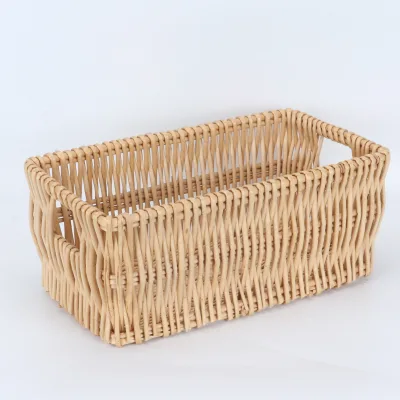


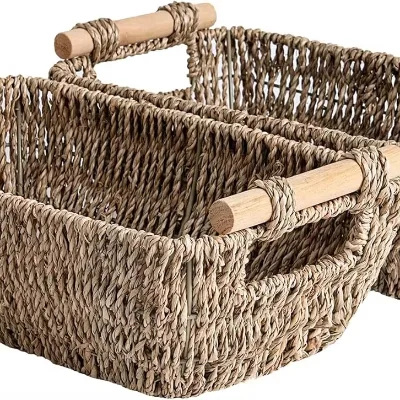
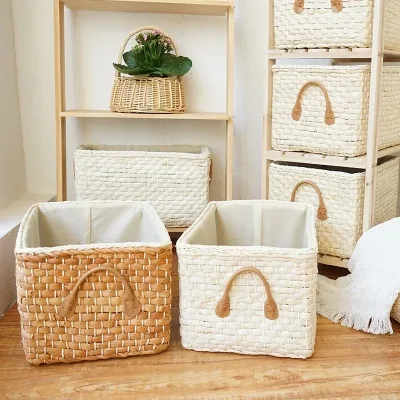
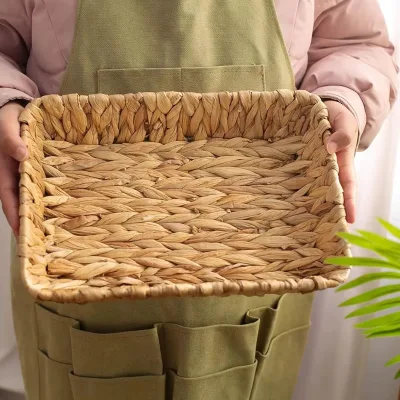
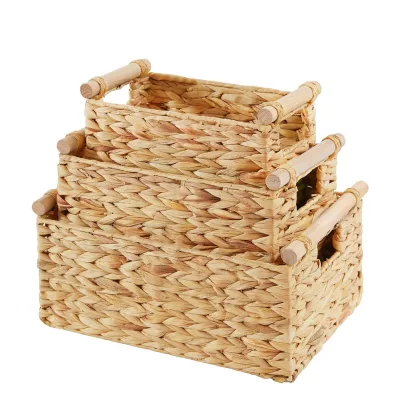
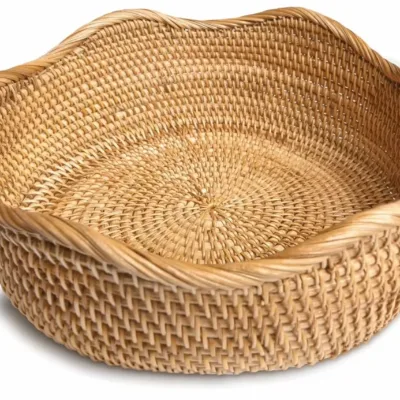
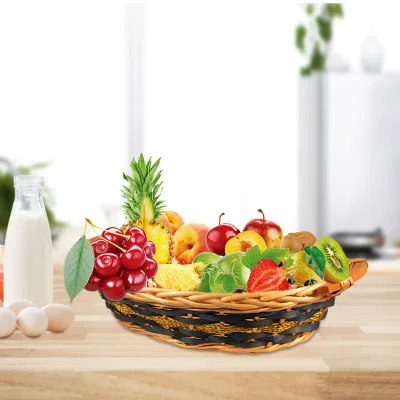
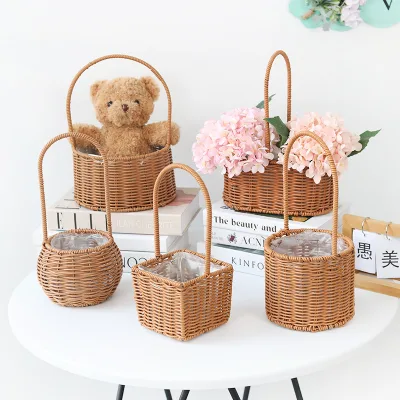
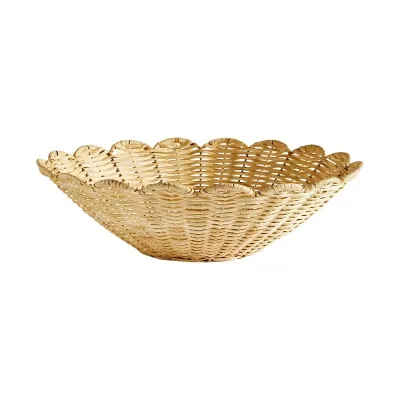
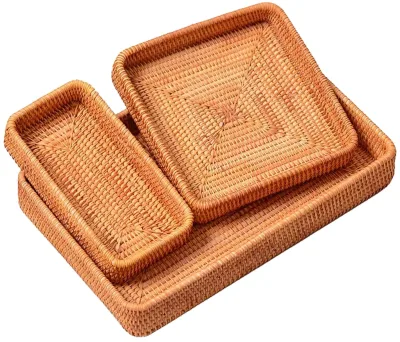
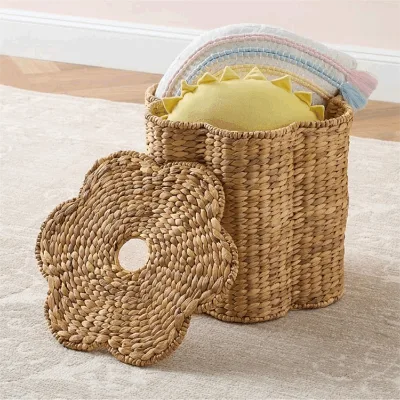

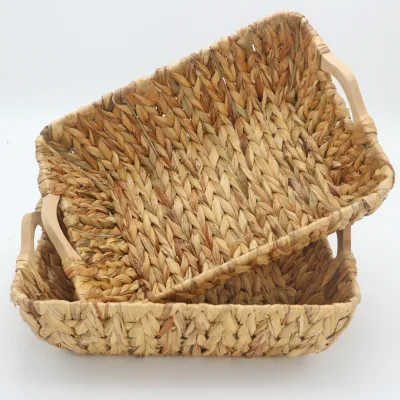
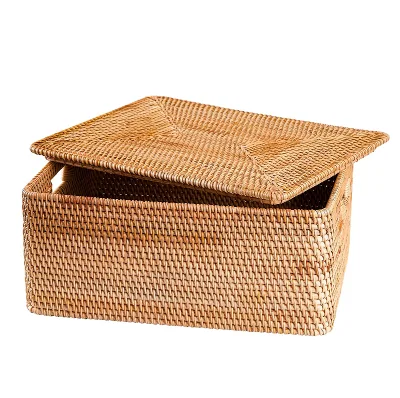
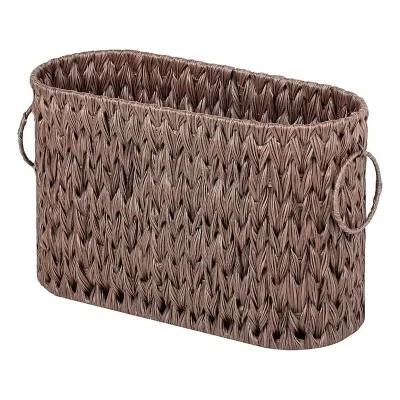
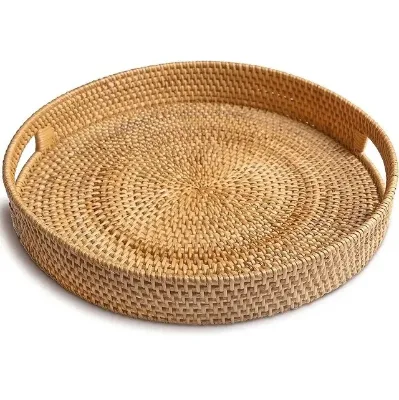
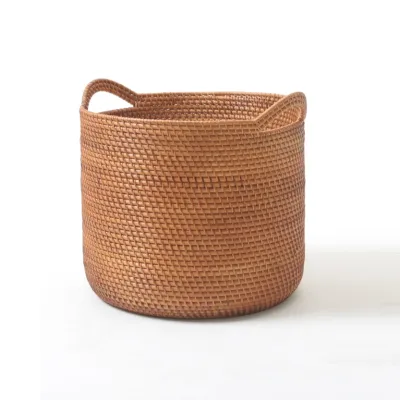
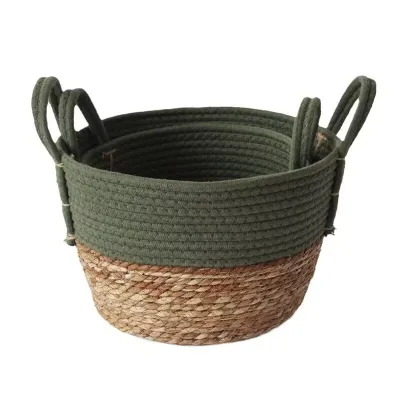
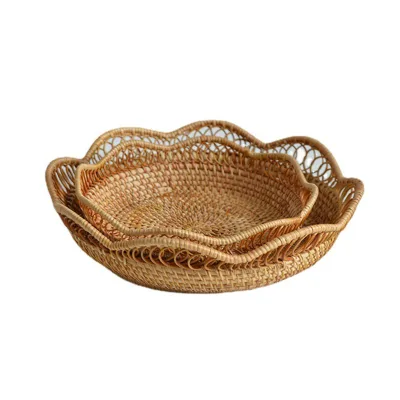

Comprehensive Sourcing Guide
Houseware Wicker Basket Sourcing Guide
Sourcing houseware wicker baskets requires a nuanced understanding of material authenticity, structural integrity, and aesthetic alignment with your brand’s identity. The market offers a diverse range of options, from minimalist storage solutions to decorative European-style pieces, each serving distinct functional roles in home furnishing. Buyers must navigate between purely handmade artisanal items and customizable mass-produced variants to ensure the final product meets both quality expectations and volume requirements.
This guide focuses on evidence-based procurement strategies for wicker and natural fiber baskets, leveraging observed listing signals and technical specifications. By examining attributes such as production methods, dimensional tolerances, and packaging standards, buyers can make informed decisions that mitigate risk. The following sections provide a structured approach to evaluating suppliers, verifying compliance, and optimizing commercial terms for successful long-term partnerships.
Product Scope and Observed Listing Signals
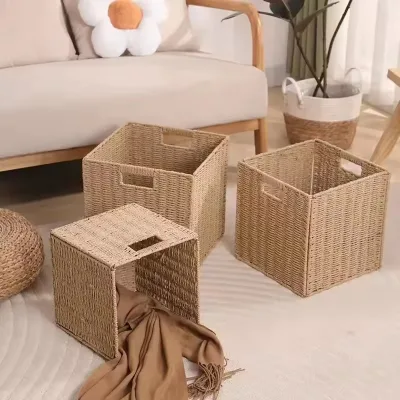
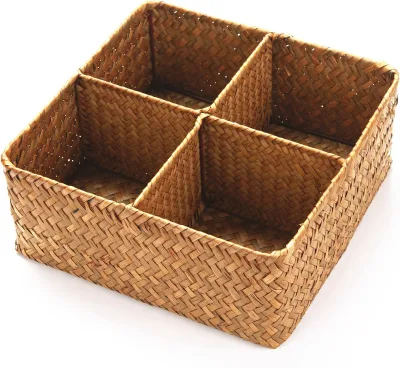
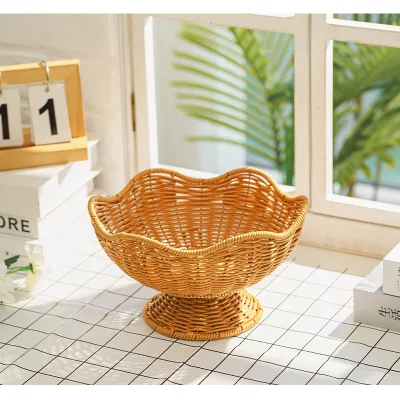
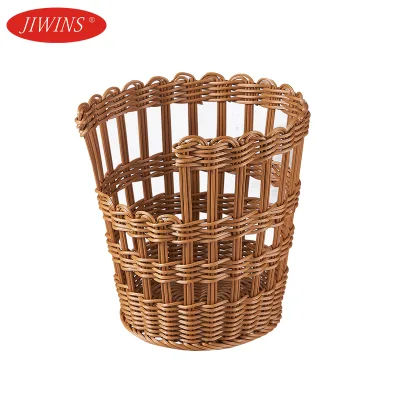
The observed product landscape includes items categorized as storage baskets, fruit holders, and general home decor, often crafted from natural wicker or bamboo. Listings indicate a strong emphasis on customization, with options for tailored dimensions, colors, and branding, catering to both private label and general trade needs. Products are frequently described as eco-friendly and multifunctional, appealing to consumers seeking sustainable and versatile home organization solutions.
Key attributes observed include specific dimensions such as 43x24x18cm or 34x32x54cm, with single package weights ranging from 0.016 kg to 4.0 kg. Styles vary from minimalist and countryside to European, with finishes typically left uncoated to preserve the natural material’s appeal. These signals suggest a market segment that values authenticity and adaptability, allowing buyers to select products that align with specific interior design trends or functional storage requirements.
Technical Specifications to Verify
Dimensional accuracy is critical for storage efficiency and aesthetic consistency, with observed tolerances often specified as less than ±2cm for size and ±10% for weight. Buyers should verify single package dimensions, such as 17.78x31.12x12.07 cm, to ensure compatibility with shipping logistics and retail shelving. Confirming the exact model numbers, such as etdz or 2334544, helps in tracking specific product iterations and maintaining consistency across reorder cycles.
Material composition and production method are equally important, with options ranging from pure handmade to other processes. Verify whether the wicker is natural or synthetic, and check if the structure is folded or unfolded for shipping. Packaging details, including carton or palletizing options, impact protection during transit. Ensuring these technical parameters are clearly defined in the contract prevents discrepancies between samples and bulk production.
Compliance and Safety Documentation
While specific certifications were not explicitly listed in the observed data, buyers must proactively request documentation to ensure market access and consumer safety. For products intended for food contact, such as fruit holders, verify compliance with relevant food safety standards in the destination market. This may include testing for heavy metals, phthalates, or other harmful substances, depending on local regulations.
Environmental claims, such as eco-friendly status, should be supported by verifiable data or third-party audits. Request material safety data sheets (MSDS) and any relevant environmental certifications to substantiate sustainability claims. Additionally, ensure that the supplier adheres to labor standards and ethical sourcing practices, particularly for handmade items, to mitigate reputational risks and align with corporate social responsibility goals.
Cost Drivers and Commercial Terms
Pricing for houseware wicker baskets varies significantly based on material quality, customization level, and order volume. Observed price ranges span from $0.03 to $25, reflecting the diversity from simple disposable items to premium decorative pieces. Minimum order quantities (MOQ) typically range from 2 to 1000 units, allowing flexibility for both small boutique orders and large-scale retail procurement.
Customization options, such as private labeling or unique dimensions, often incur additional costs. Buyers should negotiate clear terms for tooling fees, sample charges, and mold costs if applicable. Payment terms, lead times, and shipping responsibilities (Incoterms) should be explicitly defined to avoid hidden expenses. Understanding these cost drivers enables accurate budgeting and prevents margin erosion due to unexpected charges or delays.
Supplier Qualification and Quality Control
Supplier location, such as Guangdong or Chongqing in China, can influence production capabilities and logistics efficiency. Verify the supplier’s manufacturing capacity, quality control processes, and track record in producing wicker baskets. Request references or case studies from previous clients to assess reliability and consistency. A robust quality control system should include pre-production samples, in-line inspections, and final random inspections before shipment.
Establish clear acceptance criteria for defects, such as loose weaving, uneven coloring, or dimensional deviations. Implement a sampling protocol where a statistically significant sample size is inspected before approving bulk production. Regular communication and site audits, if feasible, can help maintain high standards. Building a strong relationship with the supplier ensures better collaboration on problem-solving and continuous improvement.
Long-Term Procurement Checks
Sustainable sourcing requires ongoing monitoring of supplier performance and market trends. Regularly review product quality, delivery times, and customer feedback to identify areas for improvement. Stay informed about changes in material availability, such as fluctuations in wicker or bamboo supply, which can impact pricing and lead times. Diversify your supplier base to mitigate risks associated with single-source dependency.
Continuously evaluate the product portfolio for new designs or features that align with evolving consumer preferences, such as enhanced durability or innovative storage solutions. Maintain open lines of communication with suppliers to discuss future collaborations and potential innovations. By fostering a proactive and adaptive procurement strategy, buyers can ensure long-term success and competitiveness in the houseware market.
FAQs
Can houseware wicker baskets be customized for specific needs?
Yes, customization is available for these items. Buyers can request specific designs, packaging options, and standard sizes. The products support tailored solutions to meet unique requirements. This flexibility allows for branding or specific functional adjustments. Suppliers offer various customization levels to ensure the final product aligns with the buyer's exact specifications and operational needs.
What materials are used in these wicker baskets?
The baskets are primarily made from natural wicker and bamboo. These materials are selected for their durability and eco-friendly properties. The natural composition ensures a sturdy structure suitable for home furnishing. Bamboo variants offer additional strength. The use of natural fibers aligns with sustainable sourcing trends and provides a classic aesthetic for various storage applications.
What are the standard dimensions for these storage baskets?
Standard sizes include dimensions like 43x24x18cm and 34x32x54cm. Single package sizes may vary, such as 17.78x31.12x12.07 cm. Dimensional tolerance is typically within ±2cm. Buyers should verify specific model numbers for exact measurements. These sizes cater to general storage needs, ensuring compatibility with various home furnishing spaces and organizational requirements.
Where are these houseware baskets manufactured?
These products originate from China, specifically from regions like Guangdong and Chongqing. Manufacturing processes include pure handmade techniques. The origin ensures access to skilled labor and established supply chains. Buyers can expect consistent quality from these regions. The location also facilitates efficient logistics and shipping options for international orders, supporting reliable delivery schedules.
What is the minimum order quantity for these baskets?
The minimum order quantity ranges from 2 to 1000 units. This flexibility accommodates both small trial orders and large bulk purchases. Buyers can select quantities based on their inventory needs. The wide MOQ range supports diverse business models. Suppliers are prepared to handle varying order sizes, ensuring accessibility for small businesses and large enterprises alike.
Are these baskets suitable for general home use?
Yes, they are designed for general home furnishing and storage. Applications include vegetable storage, fruit holding, and general neatening. The minimalist and European styles suit various decor themes. Their multifunctional design enhances utility. These baskets are ideal for organizing household items while adding aesthetic value to living spaces, making them versatile for everyday use.