Source White Portable Snack Organizer with Wheels for Home, Office, and Events
Compare 27 listings for a White Portable Snack Organizer with Wheels featuring foldable designs and plastic construction. Buyers can evaluate specifications like size, weight, and customization options from suppliers in China; compare the available evidence and request quotations based on your requirements.
Updated
Key considerations
Products List




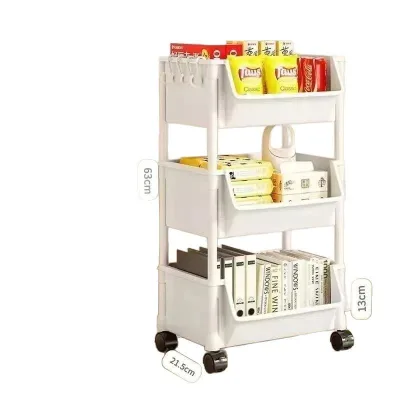
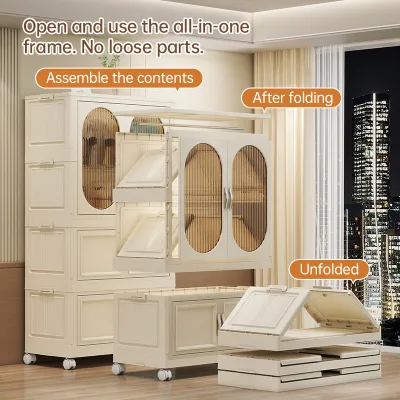
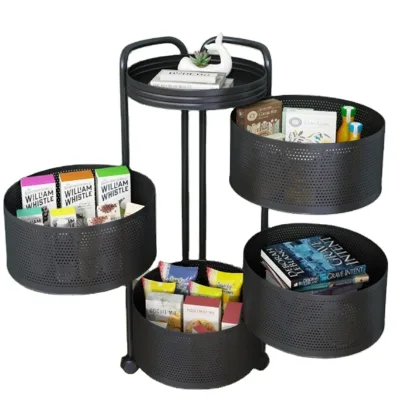
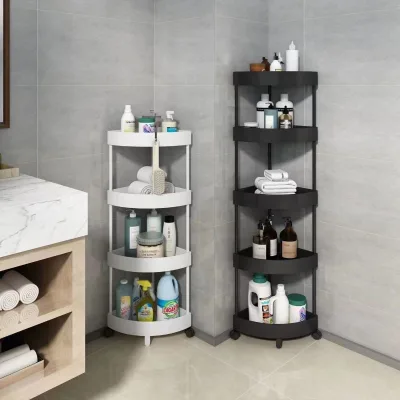
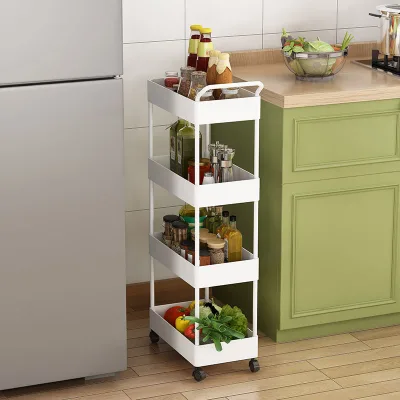
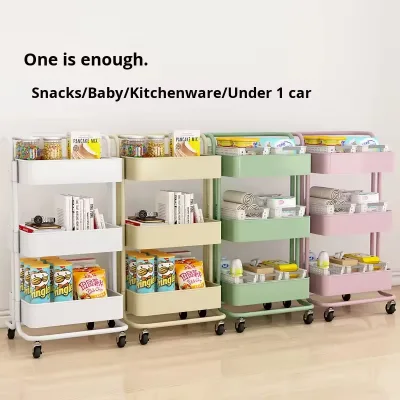

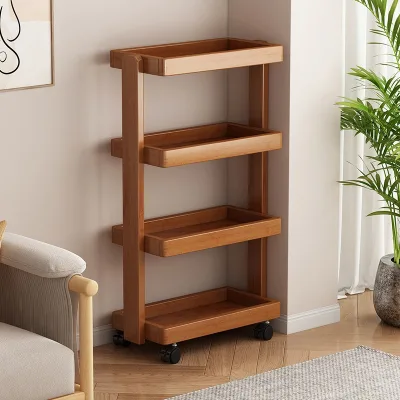

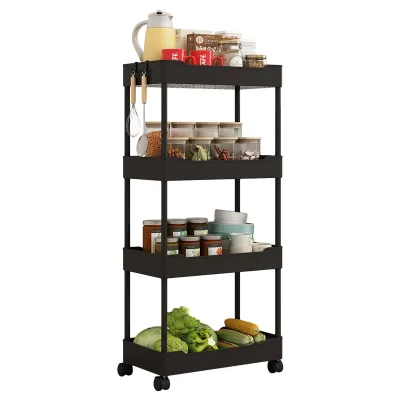


Comprehensive Sourcing Guide
White Portable Snack Organizer with Wheels Sourcing Guide
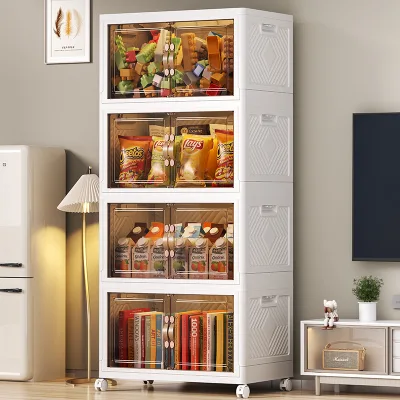
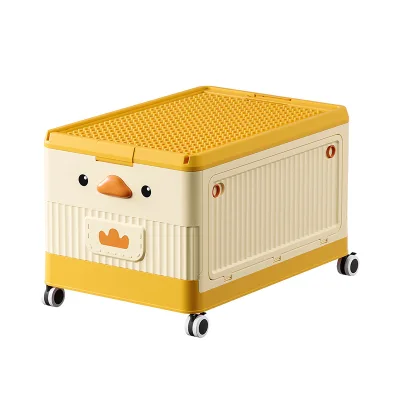
Sourcing a White Portable Snack Organizer with Wheels requires careful alignment of material properties and functional design to ensure durability and aesthetic consistency. The observed market data indicates a strong prevalence of plastic construction, specifically polypropylene (PP), which offers a lightweight yet robust solution for mobile storage needs. Buyers should prioritize suppliers who explicitly state the use of high-quality PP to guarantee resistance to cracking and environmental stress, ensuring the organizer maintains its structural integrity under frequent movement. The white coloration is a common aesthetic choice, often customizable, which allows for seamless integration into various interior design schemes, from modern living rooms to commercial dining areas.
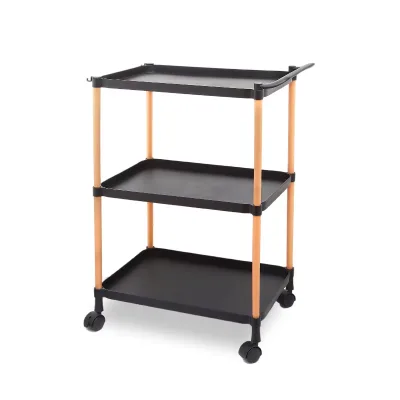
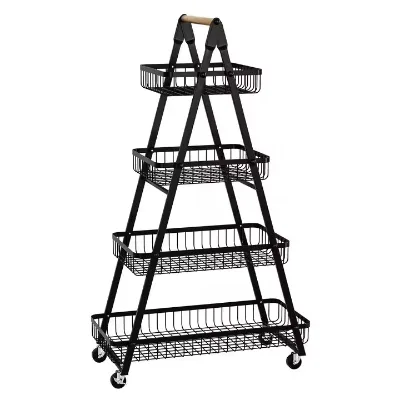
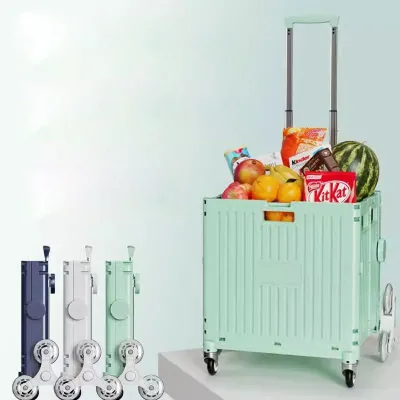
Functional versatility is a critical differentiator in this product category, with many listings highlighting features such as foldability, rotatability, and multi-layer structures. These attributes enhance space efficiency and adaptability, making the organizer suitable for diverse applications including home furniture, dining chairs, and general household use. The presence of wheels and disassembly capabilities further supports portability and ease of storage, addressing key pain points for consumers seeking flexible storage solutions. Procurement teams must verify that these functional claims are substantiated by the supplier’s technical documentation, ensuring that the folding mechanisms and wheel assemblies are engineered for long-term reliability rather than temporary convenience.
Product Scope and Observed Listing Signals
The current supply landscape reveals a wide range of product models and specifications, with observed model numbers such as ZDG, 1562, 1583, and LRO-021 indicating diverse manufacturing origins and design iterations. Prices observed in the market range from $1.39 to $140.12, reflecting significant variation in material quality, brand positioning, and included features. Minimum order quantities (MOQ) vary widely from 1 to 1000 pieces, offering flexibility for both small-scale retailers and large institutional buyers. This price and volume dispersion suggests that buyers must carefully evaluate the value proposition of each listing, considering not just the unit cost but also the total cost of ownership, including shipping and potential customization fees.
Geographic origins are predominantly concentrated in China, with specific mentions of Guangdong, Jiangsu, and Zhejiang provinces, highlighting the region’s dominance in plastic furniture and storage manufacturing. The single package size of 50x35x60 cm and a gross weight of 7.0 kg provide baseline logistical parameters for freight calculation, though these figures may vary based on the specific model and packaging method. Buyers should note that some products offer customization options for size, color, and logo, which can impact lead times and minimum order requirements. Understanding these logistical and commercial signals is essential for accurate budgeting and supply chain planning, ensuring that the selected supplier can meet both quality expectations and delivery schedules.
Technical Specifications to Verify
Dimensional accuracy and tolerance are paramount for ensuring the organizer fits intended spaces and functions correctly. Observed specifications include sizes such as 50CMx32CMx112.5CM and 42x32x72m, with dimensional tolerances stated as less than ±1cm. Buyers must verify that these tolerances are consistently maintained across production batches, as deviations can affect the stability of the structure and the smooth operation of wheels. The material thickness and injection molding quality should be assessed to prevent warping or deformation, especially given the functional design requirements for folding and rotating components. Requesting detailed technical drawings and material data sheets from suppliers is a critical step in validating these specifications before placing large orders.
Structural integrity and component durability are equally important, with features like two-layer structures and rotary mechanisms requiring rigorous testing. The use of stainless steel in some models suggests a hybrid approach to strength and aesthetics, but buyers must confirm the grade and finish of the metal components to ensure resistance to corrosion and wear. The plastic type, specifically PP, should be verified for its impact resistance and UV stability, particularly if the organizer is intended for outdoor or high-traffic indoor use. Additionally, the disassembly mechanism should be evaluated for ease of use and long-term reliability, ensuring that repeated assembly and disassembly do not compromise the product’s structural soundness or safety.
Compliance and Safety Documentation
Regulatory compliance is a non-negotiable aspect of sourcing plastic furniture and storage solutions, particularly when products are intended for use in homes or public spaces. Buyers must ensure that suppliers provide relevant safety certifications, such as those related to material toxicity and flammability, to guarantee that the white plastic organizer meets international safety standards. Although specific certification names are not provided in the observed data, buyers should actively request documentation for compliance with standards like REACH or RoHS, which regulate the use of hazardous substances in manufacturing. This due diligence is essential to mitigate legal risks and ensure that the product is safe for end-users, especially in markets with stringent regulatory environments.
Documentation regarding product testing and quality assurance processes should also be thoroughly reviewed. Buyers should ask for test reports that validate the structural load capacity, wheel durability, and folding mechanism reliability. These tests should be conducted by accredited third-party laboratories to ensure objectivity and credibility. Additionally, suppliers should provide clear instructions for assembly and maintenance, which are crucial for ensuring the product’s longevity and safe use. By prioritizing suppliers with robust compliance and testing documentation, buyers can protect their brand reputation and avoid potential liabilities associated with product failures or safety incidents.
Cost Drivers and Commercial Terms
Several factors influence the final cost of a White Portable Snack Organizer with Wheels, including material selection, manufacturing complexity, and customization requirements. The use of high-grade PP and stainless steel components can increase production costs but offers superior durability and aesthetic appeal. Customization options, such as logo printing, color matching, and size adjustments, add value but also impact pricing and lead times. Buyers should negotiate clear terms regarding customization fees and minimum order quantities to avoid unexpected costs. Understanding these cost drivers allows for more accurate budgeting and helps in identifying suppliers who offer the best balance of quality and price.
Commercial terms, including payment methods, shipping arrangements, and warranty policies, play a significant role in the overall procurement strategy. Lead times observed in the market range from 15 to 30 days, which buyers must factor into their inventory planning and customer delivery commitments. Suppliers may offer different packaging options, such as carton packing, which can affect shipping costs and product protection during transit. Buyers should also inquire about warranty periods and after-sales support, as these factors can reduce long-term risks and enhance customer satisfaction. Clear and transparent commercial terms are essential for building a sustainable and profitable sourcing relationship.
Supplier Qualification and Quality Control
Evaluating supplier qualifications is crucial for ensuring consistent product quality and reliable supply chain performance. Buyers should verify the supplier’s manufacturing capabilities, including production capacity, quality control processes, and experience in producing similar products. Requesting factory audits or third-party inspections can provide valuable insights into the supplier’s operational standards and compliance with ethical labor practices. Suppliers with a proven track record in exporting to international markets are often more reliable, as they are familiar with global quality expectations and regulatory requirements. Building a relationship with a qualified supplier reduces the risk of production delays and quality issues.
Quality control measures should be implemented throughout the production process, from raw material inspection to final product testing. Buyers should establish clear quality standards and inspection criteria, which should be communicated to the supplier in advance. Implementing pre-shipment inspections can help identify and rectify defects before the products are dispatched, reducing the likelihood of customer complaints and returns. Additionally, suppliers should provide a comprehensive quality assurance plan that outlines their procedures for monitoring and improving product quality. By prioritizing suppliers with robust quality control systems, buyers can ensure that the White Portable Snack Organizer with Wheels meets their high standards for durability, safety, and aesthetics.
Long-Term Procurement Checks
Sustaining a successful sourcing relationship requires ongoing monitoring and evaluation of supplier performance. Buyers should regularly review key performance indicators (KPIs) such as on-time delivery rates, product quality metrics, and responsiveness to issues. Establishing a feedback loop with the supplier can facilitate continuous improvement and address any emerging challenges promptly. Additionally, buyers should stay informed about market trends and technological advancements in plastic furniture manufacturing, which may offer opportunities for product enhancement or cost optimization. Regularly reassessing the supplier’s capabilities and market position ensures that the sourcing strategy remains aligned with the buyer’s long-term business goals.
Risk management is another critical aspect of long-term procurement, involving the identification and mitigation of potential supply chain disruptions. Buyers should diversify their supplier base to reduce dependency on a single source and enhance supply chain resilience. Developing contingency plans for scenarios such as raw material shortages or production delays can help maintain business continuity. Furthermore, fostering a collaborative relationship with suppliers, based on mutual trust and transparency, can lead to better cooperation and innovation. By proactively managing risks and nurturing supplier partnerships, buyers can secure a stable and efficient supply of white portable snack organizers with wheels for their customers.
FAQs
Can the white portable snack organizer be customized?
Yes, customization is available for this product. Buyers can request specific logos, colors, and standard adjustments. The manufacturer supports OEM logo application and allows for tailored specifications to meet unique business requirements. This flexibility ensures the organizer aligns with brand identity and functional needs.
What is the minimum order quantity for this item?
The minimum order quantity is 100 pieces. This MOQ applies to standard orders for the white portable snack organizer. Buyers should note that while some listings show lower thresholds, the primary production requirement starts at this volume, ensuring efficient manufacturing and consistent quality control for bulk purchases.
How long does delivery take for this organizer?
Delivery time ranges from 15 to 30 days. This lead time covers production and preparation for shipment. Buyers should plan accordingly for bulk orders, as the timeline depends on order volume and customization requirements. Expedited options may vary, so confirming the exact schedule with the supplier is recommended.
What material is used to construct this organizer?
The organizer is primarily constructed from plastic, specifically PP plastic, with some variants featuring stainless steel components. This material choice ensures durability and ease of cleaning. The plastic construction supports the foldable and waterproof features, making it suitable for various storage environments while maintaining structural integrity.
Is the white portable snack organizer foldable?
Yes, the organizer is designed to be foldable. This feature allows for easy storage and transportation when not in use. The foldable design enhances portability, making it ideal for mobile snack services or compact living spaces. Buyers can expect efficient space utilization when the unit is collapsed.
Where is this product manufactured?
This product is manufactured in China, with origins in Guangdong, Jiangsu, and Zhejiang provinces. These regions are known for robust manufacturing capabilities. Buyers can expect consistent production standards and efficient logistics from these locations. The specific origin may vary based on the supplier and order volume.