Source Plate And Frame Oil Filtration Machine for oil refining
Find 30 Plate And Frame Oil Filtration Machine options for vegetable oil, crude oil, and industrial applications. Compare specifications like power, flow rate, and pressure to select the right unit for your needs; compare the available evidence and request quotations based on your requirements.
Updated
Key considerations
Products List
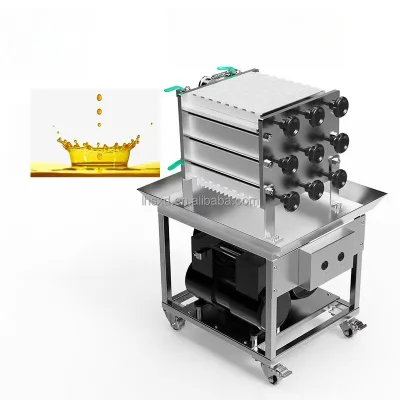
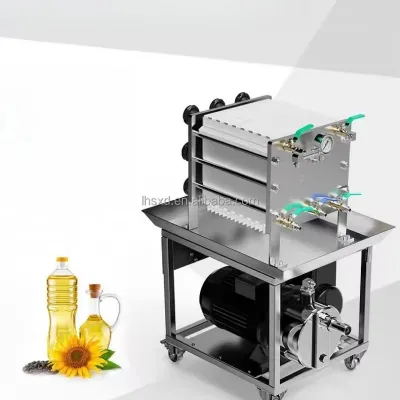

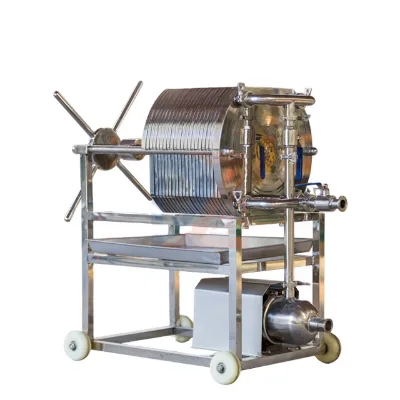
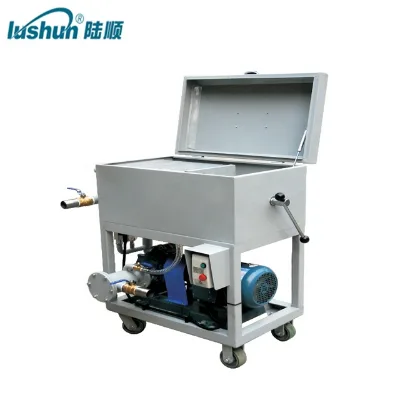
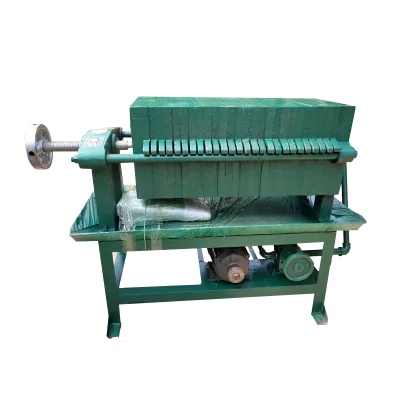
High Quality Plate Frame Oil Filter Oil Plant Special Use Oil Filtration Machine
$1930.00 - $2000.00
MOQ: 1 Pieces

Low Cost Waste Oil Impurity Removal Plate and Frame Filtration Machine
$1930.00 - $2000.00
MOQ: 1 Pieces


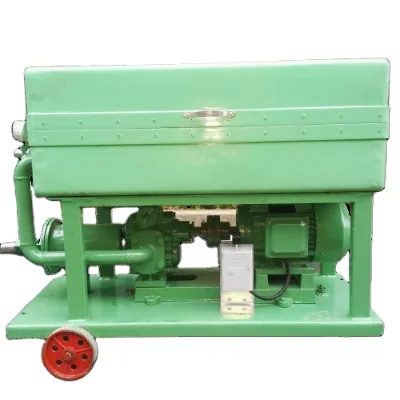
Carbon Steel Material Industrial Oil Filtration Plate and Frame Filter Press Machine
$1930.00 - $2000.00
MOQ: 1 Pieces

Oil Filtration Plate and Frame Filter Press Machine, Carbon Steel Industrial
$1930.00 - $2000.00
MOQ: 1 Pieces

Carbon Steel Industrial Oil Filtration Plate and Frame Filter Press Machine
$1930.00 - $2000.00
MOQ: 1 Pieces

Food Grade Plate and Frame Filter Press High-Precision Oil Filtration Machine
$999.00 - $1580.00
MOQ: 1 Pieces

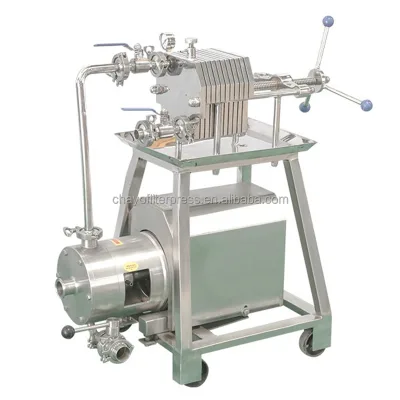
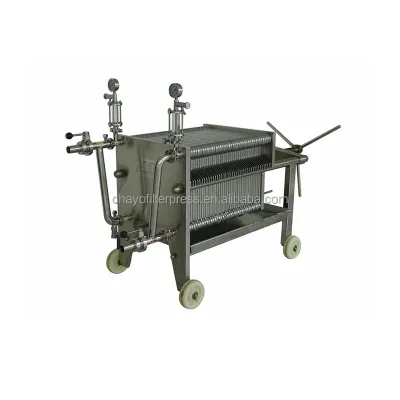
Vegetable Oil Filtering Machine Stainless Steel Plate and Frame Oil Filter
$999.00 - $1580.00
MOQ: 1 Pieces

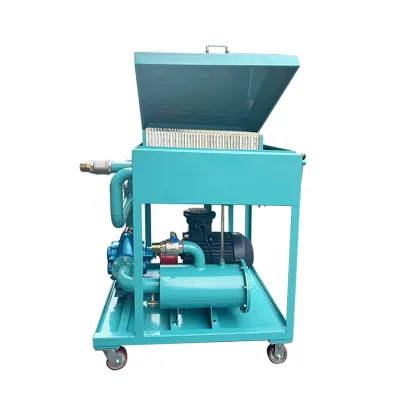
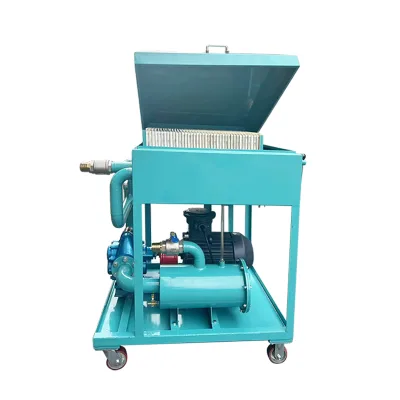
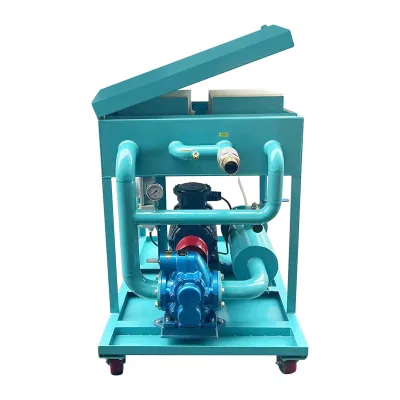
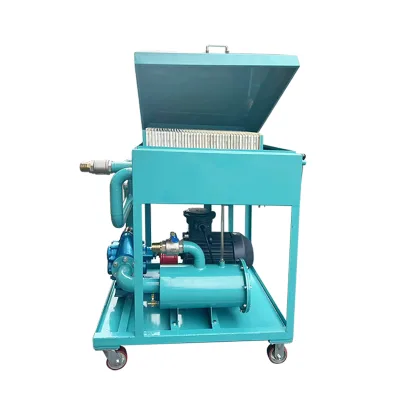
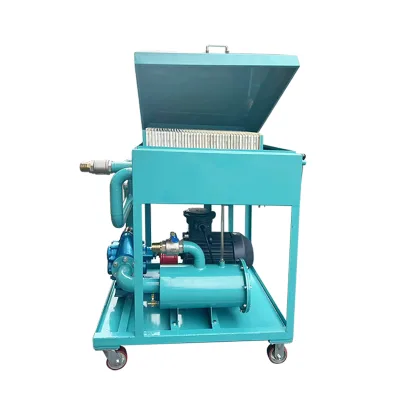
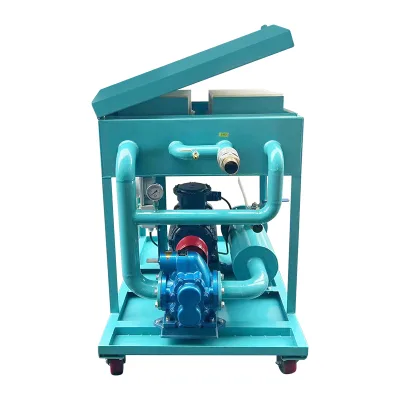
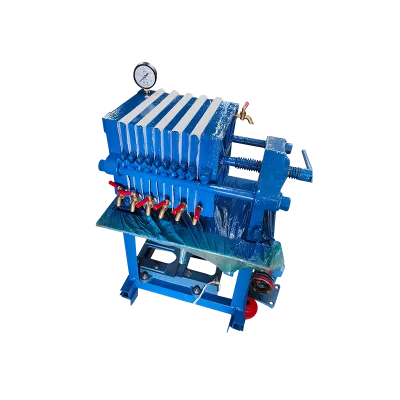
LY Horizontal Plate Frame Filter Waste Oil Impurity Separation Oil Cleaning Machine
$1930.00 - $2000.00
MOQ: 1 pieces




Comprehensive Sourcing Guide
Plate And Frame Oil Filtration Machine Sourcing Guide
Procuring a Plate And Frame Oil Filtration Machine requires careful attention to technical specifications and operational requirements. These machines are designed to remove impurities from various types of oil, including crude oil and vegetable oil, ensuring high purity standards for industrial applications. The core functionality relies on adsorption principles, making them essential for maintaining product quality in food processing and fuel refinement sectors. Buyers must evaluate the machine's capacity, power consumption, and filtration precision to match their specific production needs.
The market offers a range of models with varying capacities and power ratings, from compact units to larger industrial systems. Key attributes to consider include the nominal flow rate, working pressure, and voltage compatibility. For instance, some models operate at 220V single-phase, while others require 380V three-phase power. Understanding these electrical requirements is crucial for facility planning, as mismatched power supplies can lead to operational inefficiencies or equipment damage. Additionally, the physical dimensions and weight of the machine impact installation logistics and space allocation within the processing plant.
Product Scope and Observed Listing Signals
The observed product listings indicate a diverse range of plate and frame filtration systems, with prices varying significantly based on specifications and brand. The price range spans from approximately $518 to $50,000, reflecting differences in material quality, automation levels, and filtration capacity. Most listings show a minimum order quantity (MOQ) of one set, suggesting flexibility for small-scale buyers or pilot projects. This wide price spectrum allows businesses to select equipment that aligns with their budget constraints while meeting essential performance criteria.
Product names and descriptions often highlight features such as "New Plate And Frame Oil Filtration Machine" or specific model numbers like K50A and LW-PFM23. These identifiers help buyers distinguish between different configurations and capabilities. The observed weight ranges from 20kg to 46kg, indicating portable or semi-portable designs suitable for various installation environments. Buyers should verify the exact model specifications against their operational needs, as generic descriptions may not fully capture the machine's true capacity or power requirements.
Technical Specifications to Verify
When evaluating technical specifications, buyers must prioritize power consumption and filtration efficiency. Observed data shows power ratings ranging from 0.37 kW to 1.5 kW, with some models listing a pump power of 1500W. It is essential to confirm the actual working power supply, as some units require 380V/50Hz while others operate on 220V/50Hz single-phase electricity. Mismatched voltage requirements can lead to equipment failure or inefficient operation, so verifying the electrical compatibility with your facility's infrastructure is a critical first step.
Filtration precision and flow rate are equally important technical parameters. The observed flow precision ranges from 3 to 20 micrometers, allowing for fine-tuned impurity removal. Nominal flow rates are listed at 200L/min for certain models, while capacity is specified as 30-35kg/h for others. Buyers should ensure that the selected machine's flow rate and filtration precision meet their production volume and purity standards. Additionally, working pressure limits, typically around 0.2 to 0.5 MPa, must be compatible with the existing oil processing system to prevent leaks or pressure-related issues.
Compliance and Safety Documentation
Compliance with international safety and quality standards is paramount for industrial machinery. While CE certification is mentioned in the background context, buyers should request official documentation to verify that the machine meets relevant European or local safety regulations. This includes electrical safety standards, mechanical integrity, and material compatibility with food-grade or industrial oils. Ensuring that the supplier provides valid certification documents helps mitigate legal and operational risks associated with non-compliant equipment.
Warranty terms and after-sales support are also critical components of compliance and safety. Observed warranty periods vary, with some listings offering one year and others providing only three months. Buyers should clarify the scope of the warranty, including coverage for parts, labor, and potential downtime costs. A robust warranty indicates the manufacturer's confidence in their product's durability and reliability. Additionally, verifying the availability of spare parts and technical support in your region ensures long-term operational continuity and minimizes maintenance disruptions.
Cost Drivers and Commercial Terms
Several factors influence the total cost of ownership for a Plate And Frame Oil Filtration Machine. The primary cost drivers include the material construction, such as stainless steel, which offers durability and corrosion resistance but at a higher price point. Power consumption and filtration efficiency also impact operational costs, with more efficient models potentially reducing energy expenses over time. Buyers should consider the long-term operational costs, including maintenance, spare parts, and energy usage, rather than focusing solely on the initial purchase price.
Commercial terms such as payment methods, shipping costs, and lead times significantly affect the procurement process. Most suppliers offer flexible payment terms, but buyers should negotiate favorable conditions to manage cash flow effectively. Shipping costs can vary based on the machine's weight and dimensions, with wooden box or case packing being common. Lead times should be confirmed to ensure timely delivery, especially for time-sensitive production schedules. Understanding these commercial terms helps buyers budget accurately and avoid unexpected expenses during the procurement process.
Supplier Qualification and Quality Control
Supplier qualification is a critical step in ensuring the reliability and quality of the Plate And Frame Oil Filtration Machine. Buyers should verify the supplier's manufacturing capabilities, quality control processes, and track record in the industry. Requesting references from previous clients or visiting the manufacturing facility can provide valuable insights into the supplier's operational standards. Additionally, checking for relevant certifications and compliance with international standards helps assess the supplier's commitment to quality and safety.
Quality control measures should be implemented throughout the procurement process, from initial inquiry to final delivery. Buyers should request detailed product specifications, test reports, and inspection certificates to verify the machine's performance and compliance. Conducting pre-shipment inspections or hiring third-party inspection services can help identify potential defects or discrepancies before the equipment leaves the supplier's facility. Establishing clear communication channels with the supplier ensures that any issues are addressed promptly, minimizing the risk of delays or quality-related problems.
Long-Term Procurement Checks
Long-term procurement checks involve monitoring the machine's performance and maintenance requirements over its operational lifespan. Buyers should establish a regular maintenance schedule to ensure optimal performance and extend the equipment's life. This includes cleaning the filtration plates, checking for wear and tear, and replacing filters as needed. Keeping detailed records of maintenance activities and performance metrics helps identify trends and potential issues early, allowing for proactive repairs and minimizing downtime.
Supplier relationship management is also crucial for long-term success. Maintaining open communication with the supplier ensures access to technical support, spare parts, and potential upgrades. Regularly reviewing the supplier's performance and service quality helps identify any areas for improvement. Additionally, staying informed about industry advancements and new technologies can help buyers evaluate whether upgrading or replacing their current equipment is beneficial. By focusing on long-term procurement checks, buyers can maximize the value and reliability of their Plate And Frame Oil Filtration Machine investment.
FAQs
What is the voltage requirement for this machine?
The machine operates on 220V single-phase electricity at 50Hz. Some models also support 380V three-phase power. Ensure your facility matches the specific voltage listed for the selected model to avoid electrical issues.
How much does the Plate And Frame Oil Filtration Machine weigh?
The unit weighs 46 kilograms for the standard mobile configuration. Another variant is listed at 20 kilograms. Check the specific model number to confirm the exact weight before shipping or installation planning.
Can I customize the specifications of this filtration unit?
Yes, customization is available for this Plate And Frame Oil Filtration Machine. You can request specific dimensions or power ratings. Contact the supplier directly to discuss your unique requirements and confirm the lead time for custom orders.
What is the warranty period for this equipment?
Warranty coverage varies by model, with options including one year or three months. The standard new condition unit typically offers a one-year warranty. Verify the specific warranty terms for the exact model number you intend to purchase.
What is the minimum order quantity for this product?
The minimum order quantity is one set for this Plate And Frame Oil Filtration Machine. You can purchase a single item without needing to meet bulk thresholds. This allows small businesses to test the equipment easily.
How fast does the machine filter oil impurities?
The filtration capacity ranges from 30 to 35 kilograms per hour for the standard model. Some high-flow versions reach 200 liters per minute. The actual speed depends on the specific model selected and the viscosity of the crude oil.
What material is used to construct this filtration machine?
The machine is constructed from stainless steel to ensure durability and resistance to corrosion. This material is ideal for handling crude oil and vegetable oil impurities. The stainless steel build supports long-term operation in industrial environments.
How is the product packed for shipping?
The unit is packed in a wooden box or wooden case for safe transport. This packaging protects the machine during international shipping from China. Ensure the destination address is clear to avoid delays in receiving the securely packed equipment.