Industrial Ultrasonic Transducer Suppliers and Manufacturers
Source 22 verified Industrial Ultrasonic Transducer suppliers from China. Compare response times, lead times, certifications, and pricing to find the right partner. Review product specs and request quotes today; review the available evidence before requesting comparable quotations from suitable candidates.
Updated
Suppliers List

Chengdu Huitong West-Electronic Co., Ltd.
- Verified by BV
- Combined
- China Sichuan
- Lead time30 days
- Avg. response≤ 25h
Main productsUltrasonic Sensor, Ultrasonic Sensor Module, Piezo Fan, Piezo Stack Actuator, Piezo Ceramics, Piezoelectrical Biomorph, Piezo Micropump, Ultrasonic Horn, Ultrasonic Transducer
Main marketsSoutheast Asia/ Mideast,East Asia(Japan/ South Korea),Europe,North America
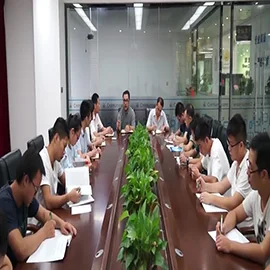
SHENZHEN HURRICANE TECH. CO., LTD.
- Manufacturer, Trading Company
- Guangdong, China
- Lead time20 days
- Avg. response≤ 5h
Main productsPiezoelectric Ceramic, Ultrasonic Sensors, Ultrasonic Flow Meter, Medical Ultrasonic A-Scan Probe, Ultrasonic Water Meter
Main marketsNorth America(30.00%), Eastern Asia(28.00%), Western Europe(15.00%), South America(5.00%), Southeast Asia(5.00%), Eastern Europe(4.00%), Oceania(3.00%), Mid East(3.00%), Central America(2.00%), South Asia(1.00%), Southern Europe(1.00%), Northern Europe(1.00%), Africa(1.00%), Domestic Market(1.00%)
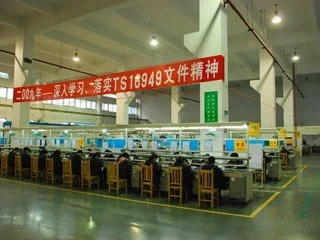
Chengdu Huitong West Electronic Co., Ltd.
- Manufacturer, Trading Company
- Sichuan, China
- Lead time15 days
- Avg. response≤ 9h
Main productsPiezoelectric Ceramic,Ultrasonic Sensor,Ultrasonic Parking Sensor,Piezoelectric fan,Micro actuators
Main marketsDomestic Market(70.00%), Western Europe(10.00%), Eastern Asia(10.00%), Southeast Asia(5.00%), Eastern Europe(2.00%), North America(2.00%), Mid East(1.00%)
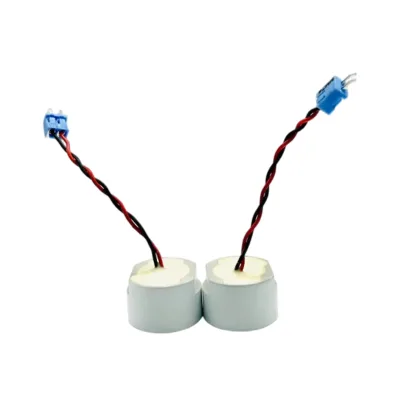
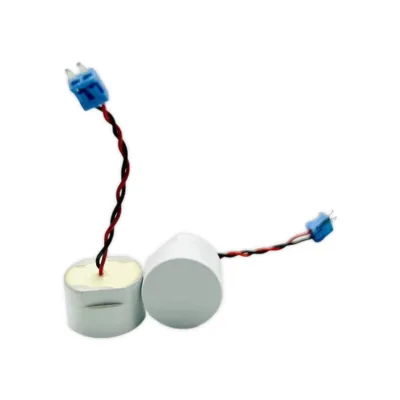
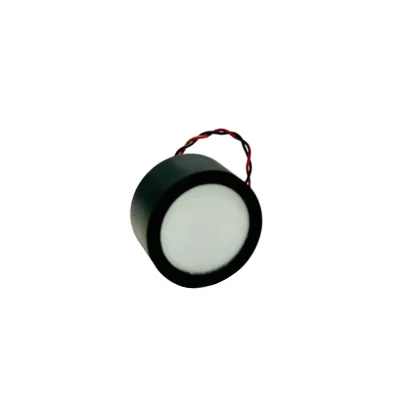
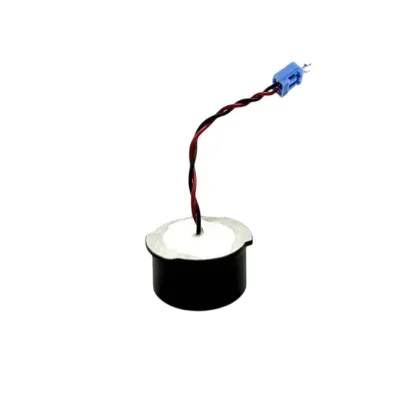
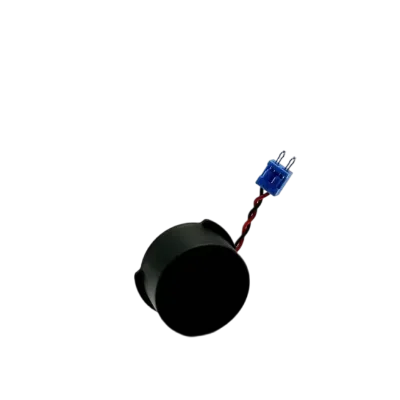
low cost Ultrasonic Transducer Transmitter and Receiver Probe ultrasonic level transmitter
$1.00 - $2.50
MOQ: 20 pieces
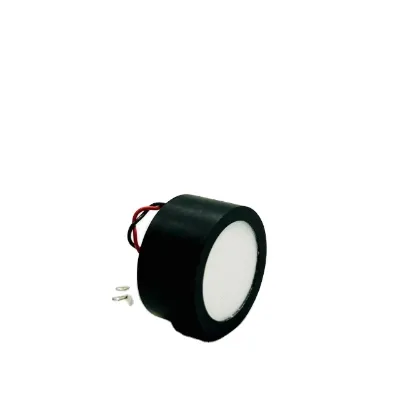
Shenzhen Derui Ultrasonic Equipment Co., Ltd.
- Manufacturer, Trading Company
- Guangdong, China
- Lead time15 days
- Avg. response≤ 1h
Main productsUltrasonic Cleaner, Ultrasonic Generator, Ultrasonic Vibrator, Ultrasonic Transducer, Ultrasonic Cleaner Spare Parts
Main marketsWestern Europe(40.00%), North America(20.00%), Domestic Market(15.00%), South America(5.00%), Southeast Asia(5.00%), Oceania(3.00%), Eastern Europe(3.00%), Southern Europe(2.00%), Northern Europe(2.00%), South Asia(1.00%), Eastern Asia(1.00%), Central America(1.00%), Africa(1.00%), Mid East(1.00%)
Shantou Chuangxin Technology Co., Ltd.
- Verified by SGS Group
- Manufacturer, Trading Company
- Lead time0 days
- Avg. response≤ 4h
Main productsPiezoelectric Ceramic, Ultrasonic Transducers, Ultrasonic Cleaner Accessories, Ultrasonic Cleaner, Ultrasonic Beauty and Accessories
Main marketsSoutheast Asia(48%), South America(18%), North America(12%)
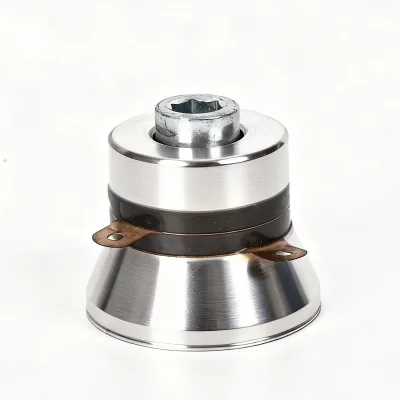
$6.6706 - $8.7214
MOQ: 1 pieces
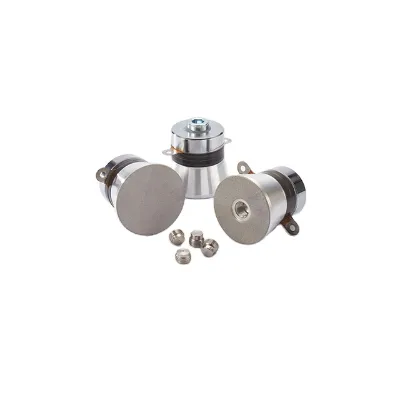
Immersion Immersible Ultrasonic Frequency Transducer Plate Piezoelectric Ceramic Ultrasonic Sensor
$7.081 - $7.6952
MOQ: 1 pieces
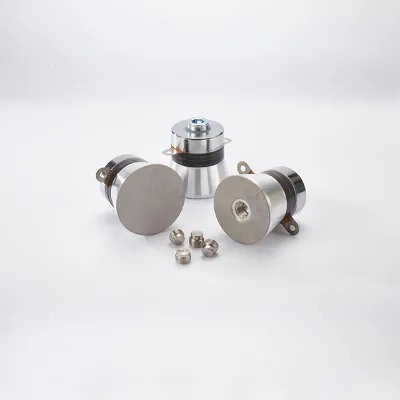
Wuxi Marcia Technology Co., Ltd.
- Trading Company
- Jiangsu, China
- Lead time20 days
- Avg. response≤ 1h
Main productsplastic welder,ultrasonic welder,high frequency welding machine,plastic injection molding machine,customized industrial machines
Main marketsSouth America(28.00%), North America(25.00%), Western Europe(10.00%), Africa(10.00%), Southeast Asia(10.00%), South Asia(5.00%), Domestic Market(5.00%), Eastern Asia(5.00%), Oceania(2.00%)
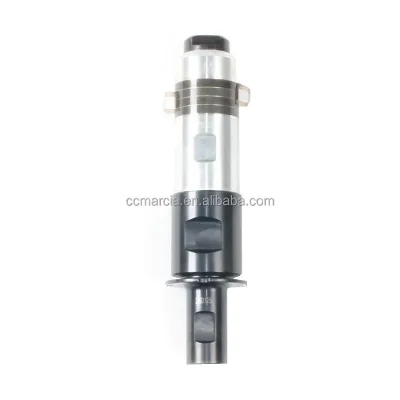
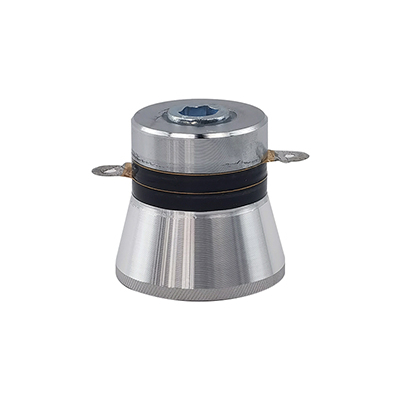
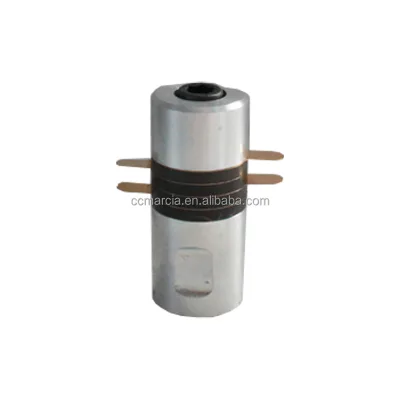
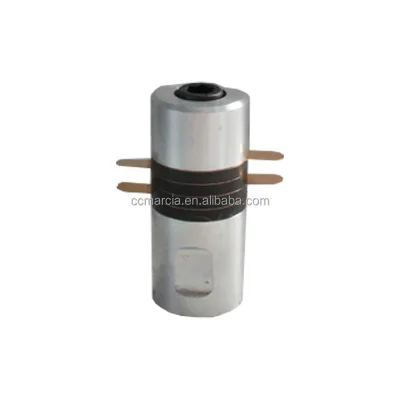
New 15kHz Ultrasonic Piezoelectric Transducer for Cleaner 220V Ultrasonic Sensor
$103.5957
MOQ: 1 Minimum
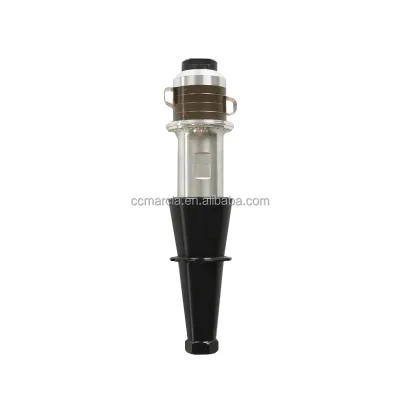
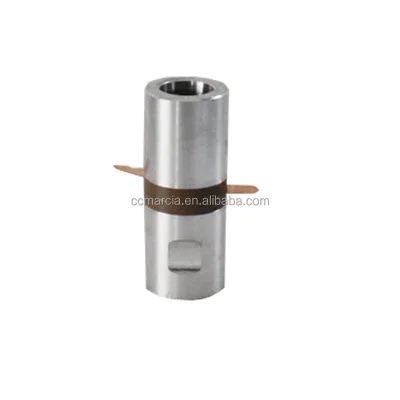
Professional Manufacturer High Quality Torque Transducer Ultrasonic Transducer
$103.6676
MOQ: 1 Minimum

Yuhuan Clangsonic Ultrasonic Co.,Ltd
- Combined
- China Zhejiang
- Lead time15 days
- Avg. response≤ 13h
Main productsUltrasonic Transdcuer, Ultrasonic Generator, Ultrasonic Oscillator, Industrial Ultrasonic Cleaner, Ultrasonic Cleaning Machine, Ultrasonic Cleaning System, Ultrasonic Cleaner, Ultrasonic Transducer Plate, Ultrasonic Immersible Transducer, Ultrasonic Submersible Transducer
Main marketsSoutheast Asia/ Mideast,East Asia(Japan/ South Korea),Europe

125K Good Quality High Frequency Ultrasonic Oscillator Industrial Immersible Ultrasonic Transducer
$6.00 - $20.00
MOQ: 100 Pieces


40K 1000W Waterproof Ultrasonic Transducer Submersible Ultrasonic Transducer
$400.00 - $2000.00
MOQ: 1 Pieces

68kHz Ultrasonic Plate Transducer Single Frequency Ultrasonic Transducer
$400.00 - $2000.00
MOQ: 1 Pieces

80kHz Ultrasonic Plate Transducer Single Frequency Ultrasonic Transducer
$400.00 - $2000.00
MOQ: 1 Pieces

130kHz Ultrasonic Plate Transducer Single Frequency Ultrasonic Transducer
$400.00 - $2000.00
MOQ: 1 Pieces
- Verified by Intertek
- Manufacturer, Trading Company
- Jiangsu, China
- Lead time7 days
- Avg. response≤ 6h
Main productsBuzzer, Ultrasonic Sensor, Speaker, Piezo Element, Siren
Main marketsNorth America(20%), Southern Europe(10%), Domestic Market(10%)
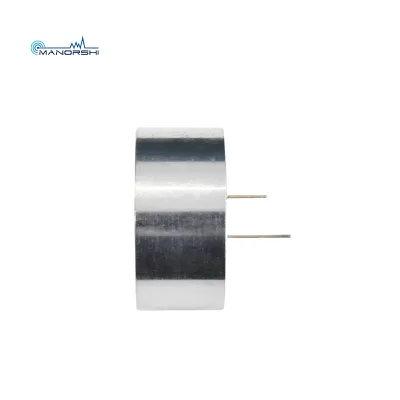
Factory Direct high quality Ultrasonic transducer angle probe ultrasonic probe transducer
$1.80 - $3.50
MOQ: 100 pieces
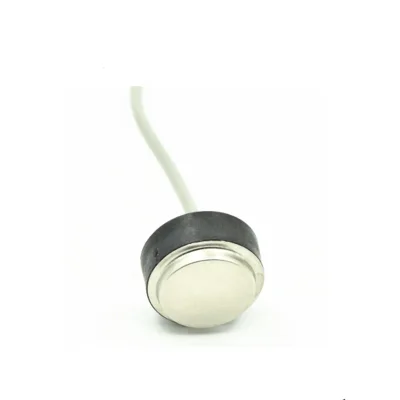
Factory price 1mHz 975kHz micro immersion ultrasonic piezoelectric transducer
$2.3953 - $5.2056
MOQ: 500 Minimum
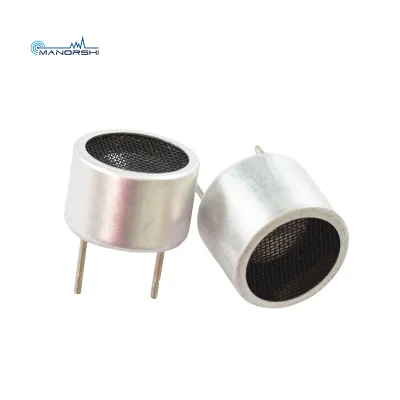
Hot Sale Factory Direct Ultrasonic transducer driver circuit ultrasonic car transducer
$0.30 - $0.80
MOQ: 1 pieces
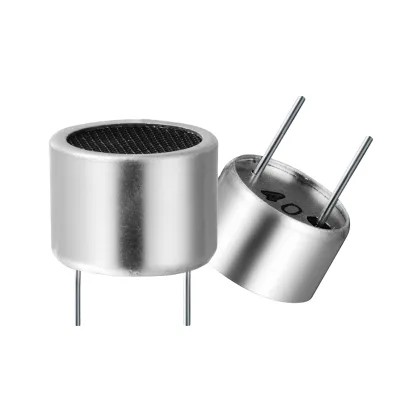
175kHz High Frequency Ultrasonic Transducers with MSW-A
$7.50 - $13.00
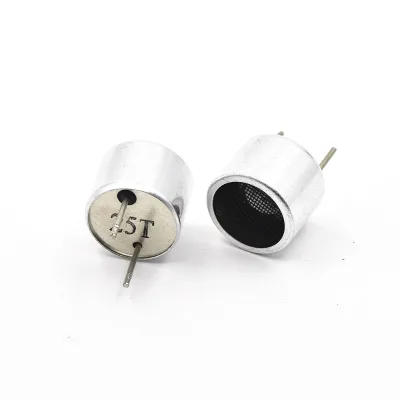
Beijing Cheng-Cheng Weiye Ultrasonic Science & Technology Co., Ltd.
- Manufacturer, Trading Company
- Beijing, China
- Lead time10 days
- Avg. response≤ 5h
Main productsUltrasonic Transducer/Ultrasonic Generator/Ultrasonic Tube Equipment/Piezo Ceramics/Immersible Transducer Pack/Ultrasonic Meter
Main marketsDomestic Market(70.00%), Southeast Asia(15.00%), South Asia(5.00%), Western Europe(5.00%), North America(5.00%)
Audiowell Electronics (guangdong) Co.,ltd.
- Manufacturer
- Guangdong, China
- Lead time45 days
- Avg. response≤ 19h
Main productsUltrasonic Transducer,Ultrasonic Sensor,Ultrasonic Flow Transducer,Piezo actuator,Piezo buzzer
Main marketsWestern Europe(50.00%), Eastern Asia(15.00%), Southeast Asia(15.00%), South Asia(10.00%), North America(10.00%)
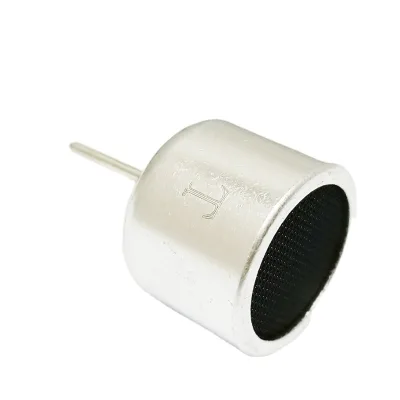
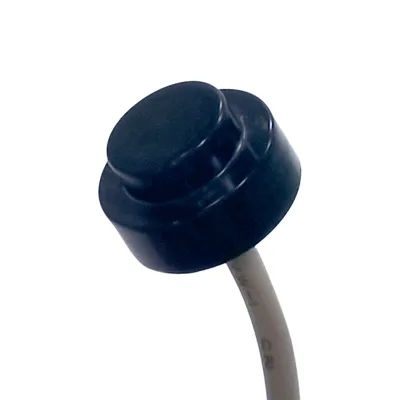
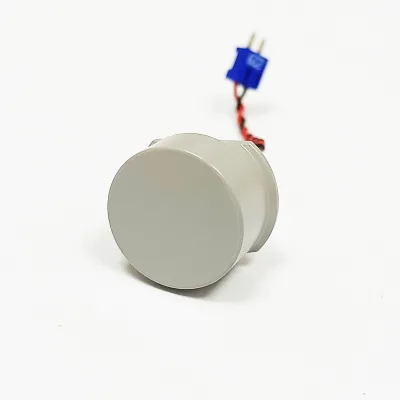
15.5mm 48Khz Ultrasonic Transducer for Intelligent Devices Obstacle Avoidance System
$2.50 - $3.00
MOQ: 2000 Minimum
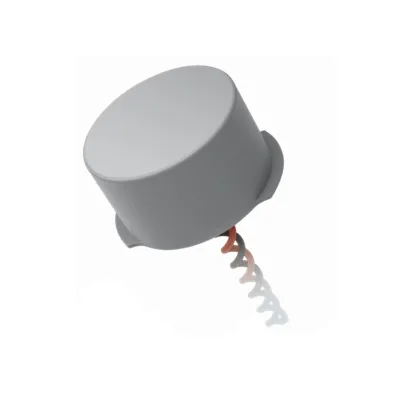
AUDIOWELL 15.5mm 55.5Khz Ultrasonic Transducer with Wire for Parking Assist System
$2.50 - $3.00
MOQ: 2000 pieces

Shenzhen KangTong Technology Co., Ltd.
- Verified by TUVRHEINLAND
- Combined
- China Guangdong
- Lead time30 days
- Avg. response≤ 4h
Main productsTPMS, Ultrasonic Distance Measurement Module, Car Reversing Radar, Ultrasonic Sensor, Parking Sensor, Reverse Sensor, Uav Detection, Signal Jammer, Drone Defense System, Sensor
Main marketsDomestic

40kHz Ultrasonic Anemometer Sensor Transducer Ultrasonic Wind Speed Transducer
$1.50 - $2.50
MOQ: 50 Pieces


Hot Sale Factory 10mm Micro Waterproof Ultrasonic Transducer with Wires 40kHz
$0.67 - $0.74
MOQ: 5000 Pieces

High Quality 16mm 33kHz Micro Ultrasonic Sensor Transducer for Distance Measurement
$0.36 - $0.48
MOQ: 50 Pieces


Hangzhou Lanben Trade Co., Ltd.
- Verified by TUVRHEINLAND
- Combined
- China Zhejiang
- Lead time15 days
- Avg. response≤ 5h
Main productsUltrasonic Transducer, Ultrasonic Homogenizer, Ultrasonic Mixer, Ultrasonic Welding Machine, Sonicator, Ultrasonic Food Cutter, Ultrasonic Cutting Machine, Ultrasonic Extraction, Ultrasonic Coating, Ultrasonic Sewing Machine
Main marketsEurope,Australia,North America

Dongguan Lidit Electronics Co., Ltd.
- Manufacturer, Trading Company
- Guangdong, China
- Lead time45 days
- Avg. response≤ 20h
Main productsultrasonic transducer,Ultrasonic beer foaming machine,PZT Material Piezo Ceramic,Ultrasonic atomization piece,Ultrasonic vibration head
Main marketsDomestic Market(44.00%), Eastern Asia(26.00%), North America(13.00%), Eastern Europe(10.00%), Oceania(7.00%)
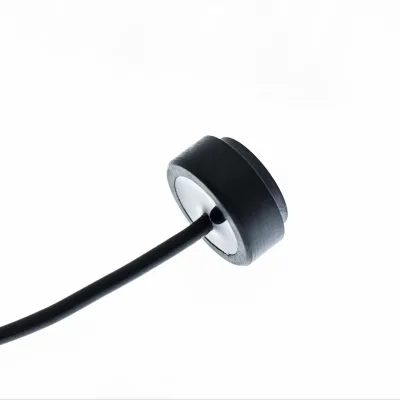
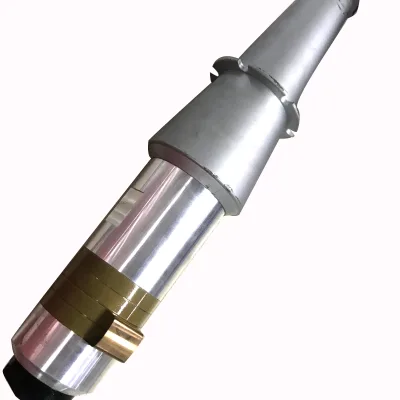
$205.6275 - $267.3166
MOQ: 1 pieces
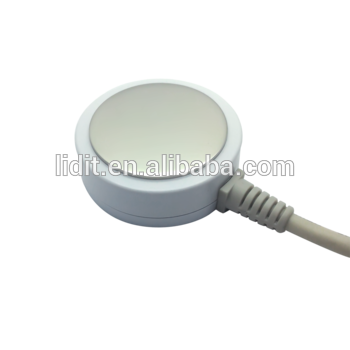
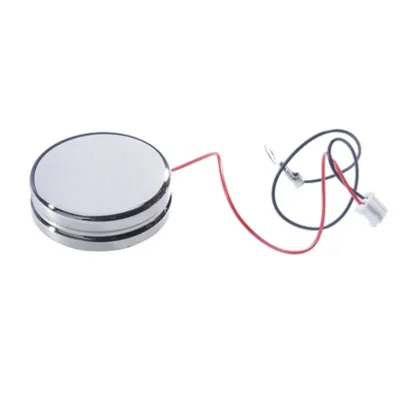
piezoceramic medical transducer used in Ultrasonic drug permeation equipment
$5.1516 - $6.1703
MOQ: 100 Minimum
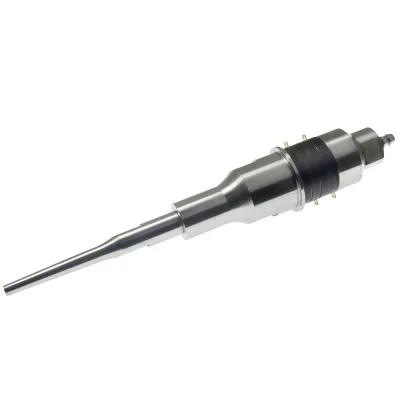

NINGBO FBELE ELECTRONICS CO., LTD.
- Trading Company
- China Zhejiang
- Lead time15 days
- Avg. response≤ 11h
Main productsSolar Cell, Buzzer, Fuse and Fuse Holder, Terminal Block, Switch, Speaker, Telephone Receiver, Siren, Rj, USB Connector
Main marketsSouth America,Southeast Asia/ Mideast,Europe

Transducerultrasonic Transducer Salesubmersible Ultrasonic Transducer
$800.00 - $1000.00
MOQ: 10 Pieces

20 K Transducer Ultrasonic Transducer Salesubmersible Ultrasonic Transducer
$800.00 - $1000.00
MOQ: 10 Pieces

Piezoelectric Transducerultrasonic Transducer 40khzsmall Ultrasonic Transducer
$800.00 - $1000.00
MOQ: 10 Pieces

Piezoelectric Transducerultrasonic Transducer 40khzsmall Ultrasonic Transducer
$800.00 - $1000.00
MOQ: 10 Pieces

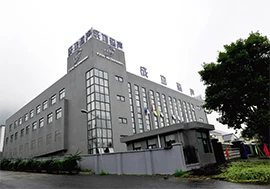
Hangzhou Success Ultrasonic Equipment Co., Ltd
- Manufacturer, Trading Company
- Zhejiang, China
- Lead time15 days
- Avg. response≤ 8h
Main productsUltrasonic Transducer/ Ultrasonic Spot Welder/ Ultrasonic Generator/ Ultrasonic Sonochemistry Machine/ Ultrasonic Cutting Edge Sealing Machine
Main marketsDomestic Market(88.00%), Southeast Asia(3.00%), South Asia(2.00%), North America(2.00%), Eastern Europe(2.00%), Mid East(1.00%), Oceania(1.00%), Western Europe(1.00%)
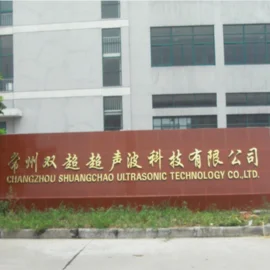
Changzhou Shuangchao Ultrasonic Technology Co., Ltd.
- Manufacturer
- Jiangsu, China
- Lead time3 days
- Avg. response≤ 6h
Main productsultrasonic quilting machine,fabric cutting machine,ultrasonic lace machine,ultrasonic embossing machine,non-woven bag making machine
Main marketsMid East(20.00%), Africa(19.00%), Domestic Market(10.00%), South Asia(10.00%), Southern Europe(10.00%), Northern Europe(10.00%), North America(10.00%), South America(10.00%)
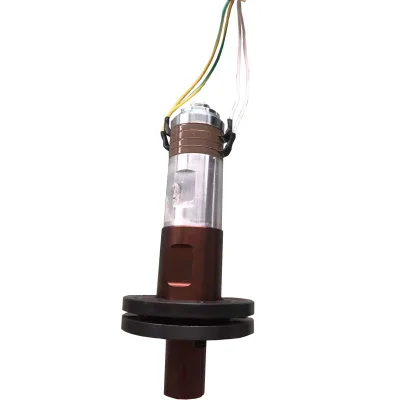
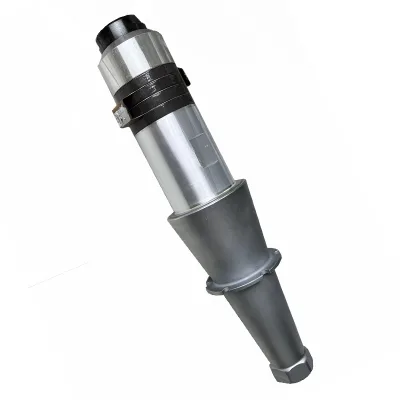
15khz 2600w High Quality Ultrasonic Plastic Welding Transducer Piezoelectric Ceramic Transducer
$140.00 - $170.00
MOQ: 1 sets
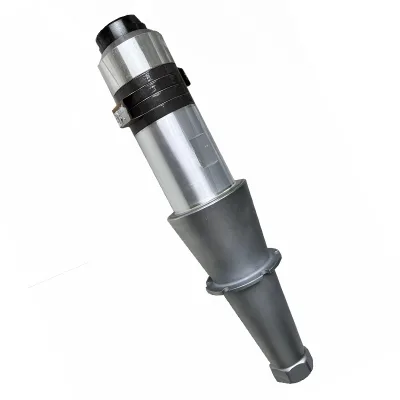
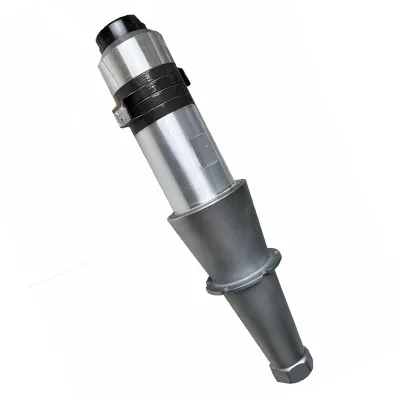
Changzhou High Power 20khz 15khz Ultrasonic Transducer Price
$140.00 - $170.00

Fuzhou Eagle Ultrasonic Tech Co., Ltd.
- Verified by TUVRHEINLAND
- Manufacturer/Factory
- China Fujian
- Lead time23 days
- Avg. response≤ 2h
Main productsUltrasonic Transducer, Ultrasonic Sensor, Ultrasonic Transmitter, Ultrasonic Level Meter, Sensor, Transducer, Ultrasonic Fish Finder Transducer, Ultrasonic Fishing Detector Probe, Ultrasonic Level Meter Transducer, Ultrasonic Level Meter Sensor
Main marketsSoutheast Asia,Eastern Asia,Oceania,Africa
Acme(shenzhen)techonology Co., Ltd.
- Manufacturer, Trading Company
- Guangdong, China
- Lead time0 days
- Avg. response≤ 1h
Main productsUltrasonic cleaning machine,industrial tanks,OEM tanks,ultrasonic welding machine,ultrasonic immersible plate
Main marketsSouth America(15.00%), North America(15.00%), South Asia(10.00%), Eastern Europe(10.00%), Northern Europe(5.00%)

Shenzhen Apple Vista Technology Ltd.
- Manufacturer
- Guangdong, China
- Lead time30 days
- Avg. response≤ 4h
Main productsPiezoelectric Ceramic,Ultrasonic Transducer,Piezo Element,Ultrasonic Cleaning Transducer,Zirconia Ceramic
Main marketsEastern Asia(30.00%), Southeast Asia(20.00%), North America(15.00%), Eastern Europe(15.00%), South Asia(10.00%), Southern Europe(10.00%)

Hangzhou Dowell Ultrasonic Tech. Co., Ltd.
- Manufacturer, Trading Company
- Zhejiang, China
- Lead time3 days
- Avg. response≤ 2h
Main productsultrasonic welder,ultrasonic cutter,ultrasonic homogenizer,ultrasonic mixer,ultrasonic generator
Main marketsDomestic Market(20.00%), North America(10.00%), Eastern Asia(10.00%), Mid East(10.00%), Northern Europe(10.00%), Southeast Asia(10.00%), Eastern Europe(10.00%), South America(10.00%), Western Europe(5.00%), Oceania(5.00%)
Cangzhou Mountain Machinery Equipment Co., Ltd.
- Trading Company
- Hebei, China
- Lead time30 days
- Avg. response≤ 2h
Main productsInstrumentation
Main marketsDomestic Market(10.00%), South Asia(10.00%), Northern Europe(10.00%), Central America(10.00%), Eastern Asia(10.00%), Mid East(10.00%), Africa(10.00%), Southeast Asia(10.00%), South America(10.00%), North America(10.00%)
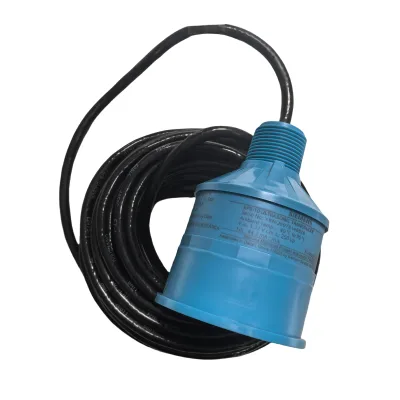
100% Original Genuine Siemens Ultrasonic Level Transducer for Test Instruments Product
$100.00 - $150.00
MOQ: 1 Minimum
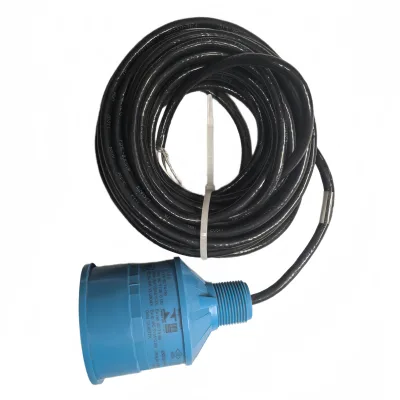
Original Siemens Ultrasonic Level Transducer for Test Instruments Product
$128.00 - $150.00
MOQ: 1 pieces

Hangzhou Shengpai Technology Co., Ltd.
- Verified by TUVRHEINLAND
- Trading Company,Manufacturer/Factory
- China Zhejiang
- Lead time23 days
- Avg. response≤ 1h
Main productsUltrasonic Homogenizer, Ultrasonic Plastic Welding Machine, Ultrasonic Spot Welding Machine, Ultrasonic Cutting Machine, Ultrasonic Welding Transducer, Ultrasonic Welding Horn, Ultrasonic Booster, Ultrasonic Sealing Machine, Ultrasonic Measuring Instrument, Ultrasonic Assisted Machine
Main marketsSouth America,Eastern Europe,Mid East,North America,Southeast Asia,Eastern Asia,Oceania,Western Europe,Africa








Comprehensive Sourcing Guide
Industrial Ultrasonic Transducer Supplier Concentration and Factory Types
The Industrial Ultrasonic Transducer market features a diverse mix of manufacturing entities, primarily concentrated in specific Chinese provinces known for electronics and precision engineering. Current data indicates that suppliers are located in regions such as Sichuan and Guangdong, which serve as key hubs for producing these specialized components. These geographic clusters often correlate with established supply chains for raw materials like piezoelectric ceramics and housing alloys, allowing for efficient production workflows. Buyers evaluating potential partners should recognize that location is a strong indicator of supply chain maturity, though it does not guarantee quality on its own. The presence of manufacturers in these areas suggests a competitive environment where economies of scale can influence pricing and availability. Understanding the regional distribution helps in assessing logistical feasibility and potential lead time variations based on proximity to ports or major transportation networks.
Supplier types in this sector vary significantly, ranging from pure manufacturers to combined entities that include trading operations. Some suppliers operate as manufacturers and trading companies simultaneously, offering a blend of direct factory pricing and flexible commercial terms. Others may focus exclusively on original design manufacturing (ODM) or original equipment manufacturing (OEM) services, catering to buyers who require custom specifications rather than off-the-shelf solutions. The company type directly impacts the buyer’s interaction with the supplier, influencing communication styles, minimum order quantities, and the ability to customize products. Combined companies might offer broader product ranges, including related items like piezo fans or ultrasonic flow meters, which can simplify sourcing for buyers with multiple component needs. However, pure manufacturers may provide deeper technical expertise and more direct control over production quality. Buyers must carefully assess the supplier’s primary business model to ensure it aligns with their specific procurement strategy and volume requirements.
How to Verify Industrial Ultrasonic Transducer Suppliers
Verification is a critical step in mitigating risk when sourcing industrial ultrasonic transducers, as the technical specifications of these components are highly specialized. Buyers should prioritize suppliers who have undergone third-party verification processes, such as Bureau Veritas (BV) certification, which provides an independent assessment of the company’s legitimacy and operational capabilities. This verification status serves as a foundational trust signal, indicating that the supplier has met certain baseline standards for business operations. Beyond basic verification, buyers should scrutinize the supplier’s system certifications, such as ISO14001:2015, which demonstrates a commitment to environmental management standards. While ISO14001 is an environmental standard, its presence often correlates with broader organizational discipline and quality management practices. Buyers should request copies of these certificates and verify their validity through the issuing bodies to ensure they are current and applicable to the specific manufacturing facilities involved in the order.
Product-level verification is equally important, as it confirms that the supplier’s offerings meet industry standards and regulatory requirements. Buyers should look for products that carry RoHS certification, which indicates compliance with restrictions on hazardous substances, a common requirement for electronic components sold in many global markets. Additionally, examining the product attributes listed by the supplier can provide insights into their technical competence. For instance, detailed specifications such as capacitance, operating temperature ranges, and ingress protection ratings (like IP68) suggest a supplier that provides precise and reliable data. Buyers should cross-reference these technical details with their own application requirements to ensure compatibility. If a supplier provides vague or incomplete product information, it may indicate a lack of technical depth or a reliance on generic listings. Engaging with suppliers who offer comprehensive technical documentation and clear product evidence helps ensure that the transducers will perform as expected in industrial applications.
What to Compare Across Industrial Ultrasonic Transducer Suppliers
When evaluating multiple suppliers, buyers should compare key operational metrics to identify the most suitable partner for their needs. Response time is a significant indicator of supplier responsiveness and customer service quality. Suppliers with faster response times, such as those averaging under five days, are often more agile and better equipped to handle urgent inquiries or custom requests. In contrast, suppliers with longer response times may have larger workloads or less streamlined communication processes. Lead time is another critical factor, as it directly impacts production schedules and inventory management. Buyers should compare the stated lead times, which can range from twenty to thirty days, to determine which supplier can meet their delivery deadlines. It is important to note that lead times may vary based on order volume and customization requirements, so buyers should clarify these details during the initial inquiry phase.
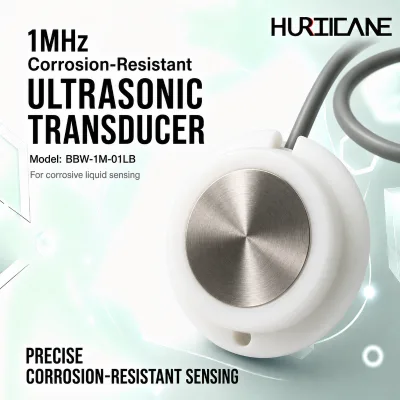
Minimum order quantity (MOQ) and pricing structures are also essential comparison points. Some suppliers may have low MOQs, such as twenty units, making them suitable for prototyping or small-batch production, while others may require larger volumes for cost-effective pricing. Price ranges can vary significantly, from as low as one dollar to over one hundred sixty dollars per unit, depending on the transducer’s specifications, frequency, and material composition. Buyers should compare these prices in the context of the product’s technical capabilities and the supplier’s overall value proposition. Additionally, comparing the main products offered by each supplier can help identify those with specialized expertise in specific types of ultrasonic transducers, such as low-frequency industrial models or corrosion-resistant variants. By systematically comparing these operational and commercial attributes, buyers can make informed decisions that balance cost, quality, and service levels.
Common Industrial Ultrasonic Transducer Sourcing Risks
One of the primary risks in sourcing industrial ultrasonic transducers is the potential mismatch between supplier claims and actual product performance. Suppliers may list products with generic specifications that do not fully align with the buyer’s specific application requirements, such as operating temperature ranges or frequency stability. For example, a transducer rated for a specific temperature range may fail if used in an environment that exceeds those limits, leading to system downtime or equipment damage. Buyers must carefully review the technical attributes provided by suppliers, such as operating voltage, sensitivity, and launch angle, to ensure they match their engineering specifications. Relying solely on product titles or brief descriptions can lead to costly errors, so buyers should request detailed datasheets and perform rigorous testing before committing to large orders.
Another significant risk is the variability in supplier reliability and consistency. Even verified suppliers may experience fluctuations in production quality or delivery times due to supply chain disruptions or internal management issues. Buyers should be cautious of suppliers who do not provide clear information about their production processes or quality control measures. For instance, suppliers that do not specify their production methods, such as ceramic processing techniques, may lack the technical transparency needed to ensure consistent product quality. Additionally, buyers should be aware of the potential for hidden costs, such as shipping fees or customs duties, which can impact the total cost of ownership. To mitigate these risks, buyers should establish clear communication channels with suppliers, request regular updates on production status, and consider using escrow services or other payment protections to safeguard their investments until the goods are received and verified.
Industrial Ultrasonic Transducer Regional Sourcing and Logistics
Sourcing industrial ultrasonic transducers from specific regions in China, such as Sichuan and Guangdong, offers distinct logistical advantages and challenges. Guangdong, in particular, is a major hub for electronics manufacturing and export, providing access to well-developed infrastructure and efficient port facilities. This proximity to major shipping routes can reduce transit times and lower logistics costs for buyers importing from this region. Suppliers in Guangdong often have extensive experience in international trade, which can facilitate smoother customs clearance and documentation processes. Buyers should consider the logistical benefits of sourcing from these established clusters, as they can contribute to more predictable delivery schedules and reduced risk of shipping delays. However, buyers should also verify the supplier’s specific location within the province, as inland areas may have different logistical considerations compared to coastal cities.
Logistics planning should also account for the packaging and handling requirements of ultrasonic transducers, which are delicate electronic components. Suppliers typically provide specific packaging details, such as package dimensions and gross weight, which are crucial for calculating shipping costs and selecting appropriate freight methods. For example, some transducers may be packaged in bulk quantities, while others may require individual protective packaging to prevent damage during transit. Buyers should work closely with suppliers to ensure that packaging meets international shipping standards and protects the products from moisture, vibration, and impact. Additionally, buyers should consider the environmental conditions of the transit route, especially if the transducers are sensitive to temperature fluctuations. Proper logistics planning, including the selection of reliable freight forwarders and insurance coverage, is essential to ensure that the products arrive in optimal condition and on time.
Industrial Ultrasonic Transducer Commercial Terms and Order Planning
Effective order planning for industrial ultrasonic transducers requires a thorough understanding of the commercial terms offered by suppliers. Buyers should pay close attention to the customization options available, as many suppliers offer OEM and ODM services to meet specific design requirements. Customization can impact lead times and pricing, so buyers should clarify the scope of customization and any associated costs during the negotiation phase. Additionally, buyers should review the supplier’s return and warranty policies to ensure they have adequate protection in case of product defects or non-conformance. Some suppliers may offer limited warranties or require buyers to cover return shipping costs for defective items, which can affect the total cost of ownership. Buyers should seek suppliers with clear and fair commercial terms that align with their risk tolerance and quality expectations.
Payment terms and order volume discounts are also critical aspects of commercial planning. Buyers should negotiate payment terms that provide flexibility and security, such as partial payments upfront and the balance upon shipment or receipt of goods. Some suppliers may offer discounts for larger order volumes, which can be beneficial for buyers with consistent demand. However, buyers should ensure that the discounted pricing does not compromise product quality or service levels. It is also important to consider the supplier’s capacity to handle large orders, as some suppliers may have limited production capabilities that could lead to delays or quality issues during peak periods. By carefully planning order volumes and negotiating favorable commercial terms, buyers can optimize their procurement strategy and build a sustainable supply chain for industrial ultrasonic transducers.
FAQs
What is the price range for industrial ultrasonic transducers?
Prices typically range from $1.00 to $180.00 per unit depending on specifications. Basic sensors start near $1.00, while specialized corrosion-resistant models cost around $165.00. Buyers should verify exact pricing based on volume and customization needs.
What is the minimum order quantity for these transducers?
The minimum order quantity is generally 20 units for standard industrial transducers. Some specialized items may have different thresholds. Buyers should confirm specific MOQ requirements with suppliers before placing orders to ensure alignment with production schedules.
How long does delivery take for these products?
Lead times vary between 20 and 30 days depending on the supplier and product complexity. Manufacturers in Guangdong often offer faster turnaround times compared to other regions. Buyers should confirm specific delivery schedules with their chosen supplier.
Are these transducers certified for industrial use?
Many industrial ultrasonic transducers carry RoHS certification, ensuring compliance with environmental standards. Some suppliers also hold ISO14001:2015 certification for environmental management. Buyers should request specific certification documents to verify compliance with their industry requirements.
What is the typical response time from suppliers?
Supplier response times range from 5 to 24 hours. Faster responses are often associated with manufacturers in Guangdong. Buyers should expect quicker replies from verified suppliers to facilitate efficient communication and order processing during the sourcing phase.
Where are these industrial transducers manufactured?
These transducers are primarily manufactured in China, specifically in Sichuan and Guangdong provinces. Guangdong suppliers often specialize in high-frequency and corrosion-resistant models. Buyers should verify the exact place of origin to ensure alignment with their supply chain preferences.