Rotary Electric Air Compressor Suppliers and Manufacturers
Find 16 verified Rotary Electric Air Compressor suppliers in China Tianjin and Henan. Compare ISO certifications, lead times, response speeds, and product specs like pressure and power. Contact suppliers directly to request quotes; review the available evidence before requesting comparable quotations from suitable candidates.
Updated
Suppliers List

Tianjin Great Air Compressor Co., Ltd.
- Verified by TUVRHEINLAND
- Manufacturer/Factory
- China Tianjin
- Lead time23 days
- Avg. response≤ 13h
Main productsScrew Air Compressor, Oil Injected Screw Compressor, Fsd Screw Air Compressor, VSD Screw Air Compressor, Pm VSD Screw Air Compressor, 2 Stage Compression Screw Compressor, Portable Screw Air Compressor, Low Pressure Screw Compressor, Air Dyer, Air Tanker
Main marketsSouth America,Eastern Europe,Mid East,North America,Southeast Asia,Eastern Asia,Oceania,Western Europe,Africa

Zhengzhou Windbell Machinery Co., Ltd.
- Combined
- China Henan
- Lead time15 days
- Avg. response≤ 3h
Main productsScrew Air Compressor, Air Compressor, Scroll Air Compressor
Main marketsSouth America,Africa,Southeast Asia/ Mideast,East Asia(Japan/ South Korea),Domestic,Europe,Australia,North America
Zhejiang Miningwell Supply Chain Management Co., Ltd.
- Verified by SGS Group
- Manufacturer, Trading Company
- Lead time15 days
- Avg. response≤ 2h
Main productsWater Well Drilling Machine, Air Compressor, DTH Drilling Machine, DTH Hammer, DTH Bits; Drill Rod
Main marketsSoutheast Asia(30%), South America(25%), Africa(25%)
Shandong Wogong Engineering Machinery Co., Ltd.
- Manufacturer, Trading Company
- Shandong, China
- Lead time0 days
- Avg. response≤ 23h
Main productsOil-free air compressor,Belt compressor,Screw Air Compressor,Water Well Drilling Rig,Core Drilling Rig
Main marketsDomestic Market(1.00%), South Asia(1.00%), Southern Europe(1.00%), Northern Europe(1.00%), Central America(1.00%), Western Europe(1.00%), Eastern Asia(1.00%), Mid East(1.00%), Oceania(1.00%), Africa(1.00%), Southeast Asia(1.00%), Eastern Europe(1.00%), South America(1.00%), North America(1.00%)

Shandong Dukas Machinery Manufacturing Co., Ltd.
- Verified by TUVRHEINLAND
- Trading Company,Manufacturer/Factory
- China Shandong
- Lead time15 days
- Avg. response≤ 2h
Main productsAir Compressor, Screw Air Compressor, Air Dryer, Air Tank, Air Compressor Parts, Oil Free Air Compressor, Portable Screw Air Compressor, Pm VSD Air Compressor, 4 in 1 Air Compressor, Diesel Screw Air Compressor
Main marketsSouth America,Eastern Europe,Mid East,North America,Eastern Asia,Africa


Custom Electric Mobile Air Compressor with Customizable Configurations
$2565.00 - $7830.00
MOQ: 1 Pieces

Mobile 45kw Electric Portable Air Compressor with Intelligent Control System
$2565.00 - $7830.00
MOQ: 1 Pieces
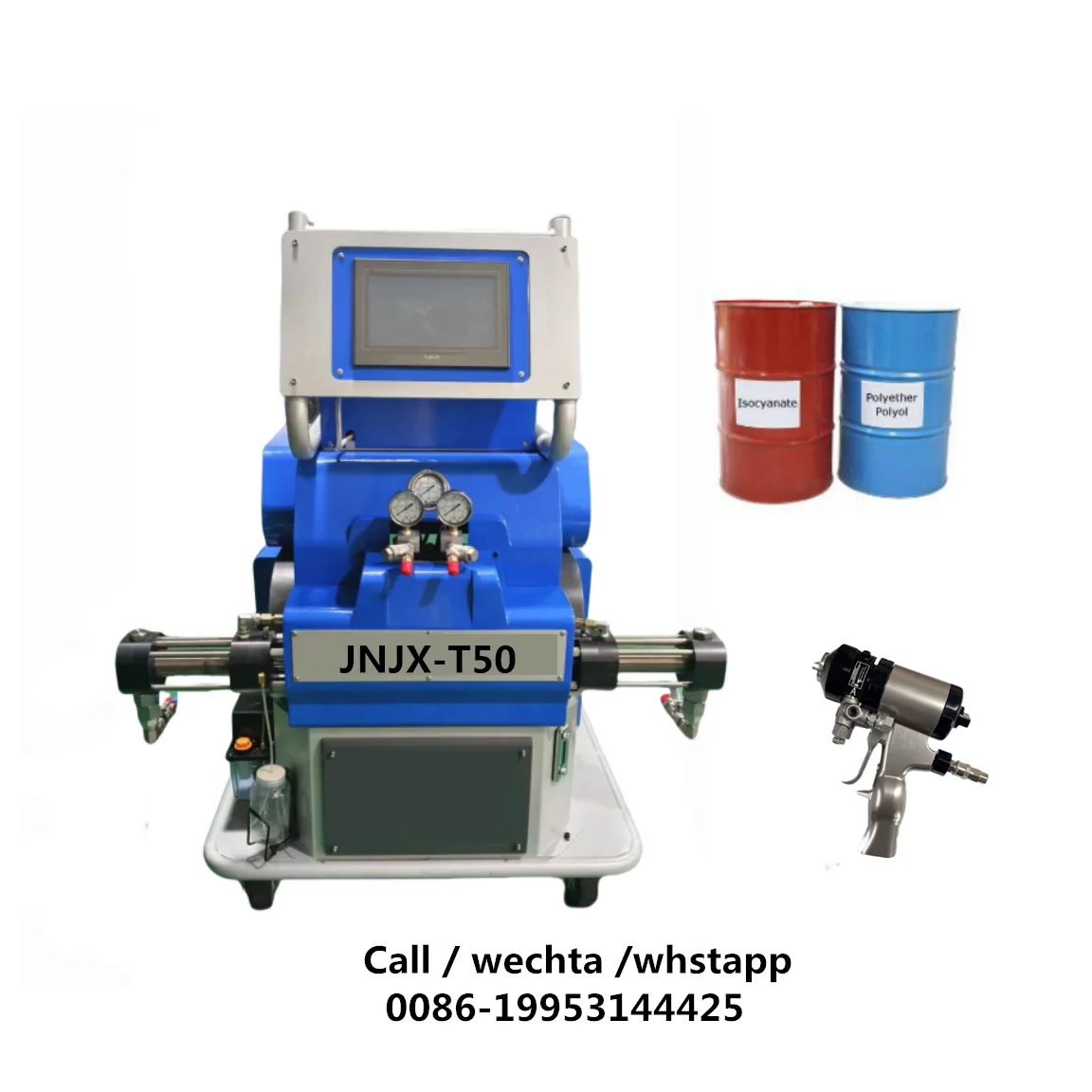
Jinan Jiuxu Technology Co., Ltd.
- Trading Company
- Shandong, China
- Lead time2 days
- Avg. response≤ 2h
Main productsPu Machine,Polyurea Equipment,Pu Foam,Polyurea,Polyurethane Equipment
Main marketsDomestic Market(35.00%), Southeast Asia(10.00%), Mid East(10.00%), North America(10.00%), South America(10.00%), Eastern Europe(8.00%), Central America(5.00%), Northern Europe(3.00%), South Asia(2.00%), Southern Europe(2.00%), Africa(2.00%), Western Europe(2.00%), Eastern Asia(1.00%)
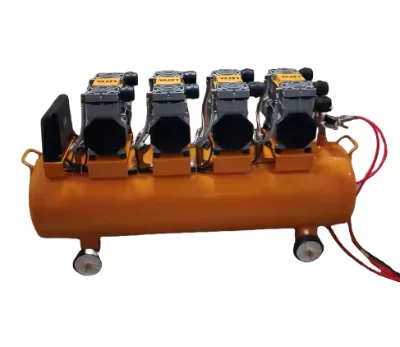
HOT Sale Silent 220V/380V Electric Air Compressor
$99.00 - $299.00
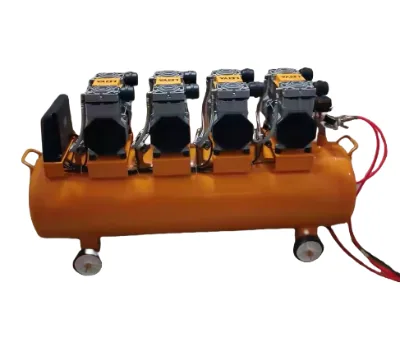
New Style 1000L Displacement Electric Air Compressor on Stock
$99.00 - $299.00
Liaoyang Shenzhou Machinery Equipment Co., Ltd.
- Verified by TüVRheinland
- Trading Company
- Lead time10 days
- Avg. response≤ 4h
Main productsCentrifuge & Separator, Packing Machine, Filling Machine, Dryer, Granulator
Main marketsSouth America(25%), Southeast Asia(15%), North America(10%)

Ningbo Fenghua Jingao Air-Compressor Machinery Factory
- Manufacturer
- Zhejiang, China
- Lead time20 days
- Avg. response≤ 3h
Main productsAir Compressor,air pump,high pressure air compressor
Main marketsSoutheast Asia(30.00%), Eastern Asia(30.00%), Western Europe(20.00%), Southern Europe(10.00%), North America(10.00%)
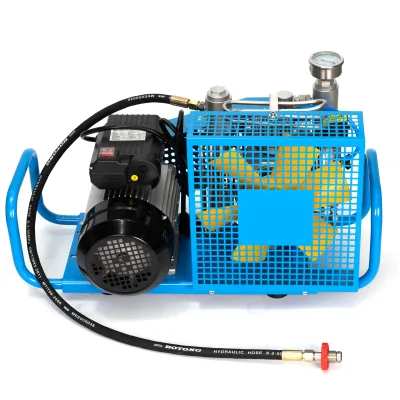
Electric Motor Large Displacement High Efficiency 100 Litre 300bar Air Compressor
$889.00 - $899.00
MOQ: 1
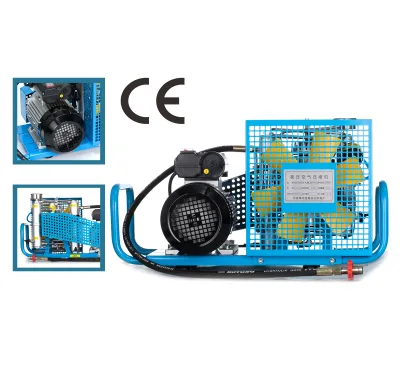
Air Compressor 100 Liter 4500psi Portable Compressor Portable air Compressor Electric Motor
$879.00 - $899.00
MOQ: 1
Quzhou Jugong Machinery Equipment Co., Ltd.
- Verified by SGS Group
- Trading Company
- Lead time7 days
- Avg. response≤ 4h
Main productsAir Compressor, Drilling Rig, Air Tank, Rock Drill, Water Well Drilling Rig
Main marketsNorth America(20%), Southeast Asia(20%), Africa(20%)
Wuxi Zhuoqun Machinery Technology Co., Ltd.
- Trading Company
- Jiangsu, China
- Lead time5 days
Main productsair compressor,Maintenance kit
Main marketsAfrica(20.00%), South America(15.00%), North America(10.00%), Western Europe(10.00%), South Asia(10.00%), Northern Europe(9.00%), Eastern Europe(6.00%), Oceania(5.00%), Mid East(5.00%), Domestic Market(3.00%), Eastern Asia(2.00%), Central America(2.00%), Southern Europe(2.00%), Southeast Asia(1.00%)
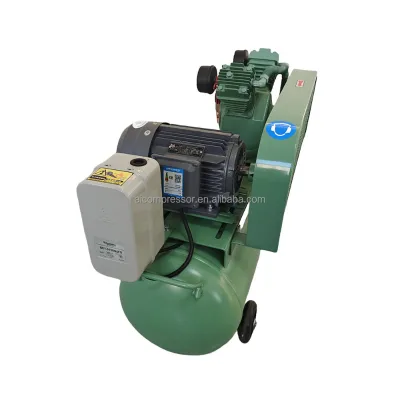
$704.7566 - $719.1613
MOQ: 100 dozens
$760.00
Huizhou Cartee Electric & Machinery Co., Ltd.
- Verified by Intertek
- Manufacturer, Trading Company
- Lead time45 days
- Avg. response≤ 7h
Main productsPortable Air Compressors, Hard mount Air Compressors, Air Accessories
Main marketsNorth America(40%), Western Europe(30%), South America(15%)
Shenzhen Lingxian Medical Technology Co., Ltd.
- Verified by SGS Group
- Trading Company
- Lead time0 days
- Avg. response≤ 2h
Main productsZirconia Block, Lithium Disilicate, Intraoral scanner, Milling Machine, Dental Furnace
Main marketsMid East(30%), North America(16%), South America(13%)
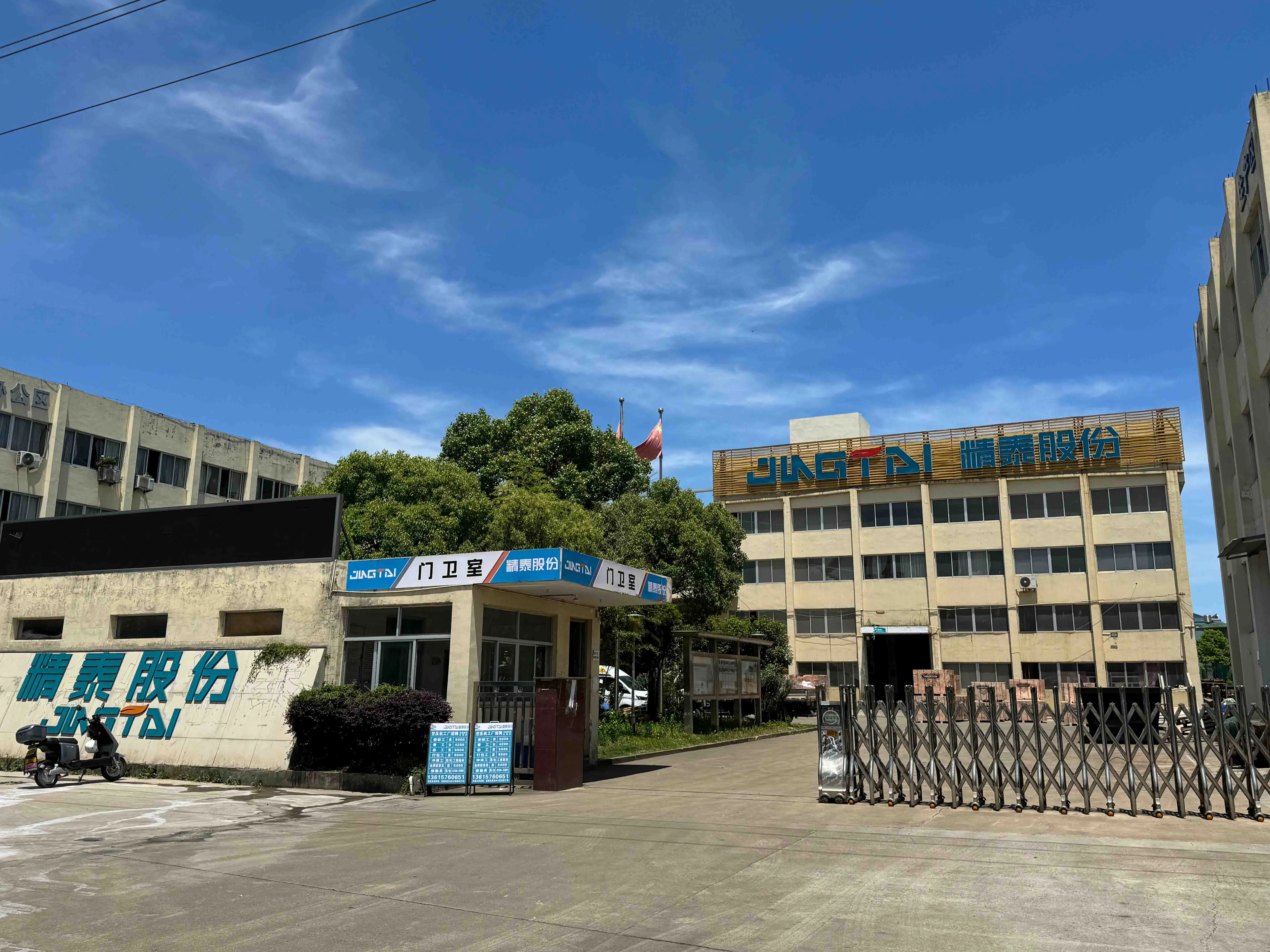
Taizhou Jingtai Electric Machinery Co., Ltd.
- Manufacturer
- Zhejiang Province, China
- Lead time35 days
- Avg. response≤ 5h
Main productsdirect-connected air compressor,oil free air compressor,belt air compressor,intelligent controlled air compressor,air compressor
Main marketsSouth Asia(22.00%), Southeast Asia(20.00%), South America(20.00%), Southern Europe(10.00%), Western Europe(10.00%), Eastern Europe(10.00%), Domestic Market(1.00%), North America(1.00%), Oceania(1.00%), Northern Europe(1.00%), Central America(1.00%), Africa(1.00%), Eastern Asia(1.00%), Mid East(1.00%)
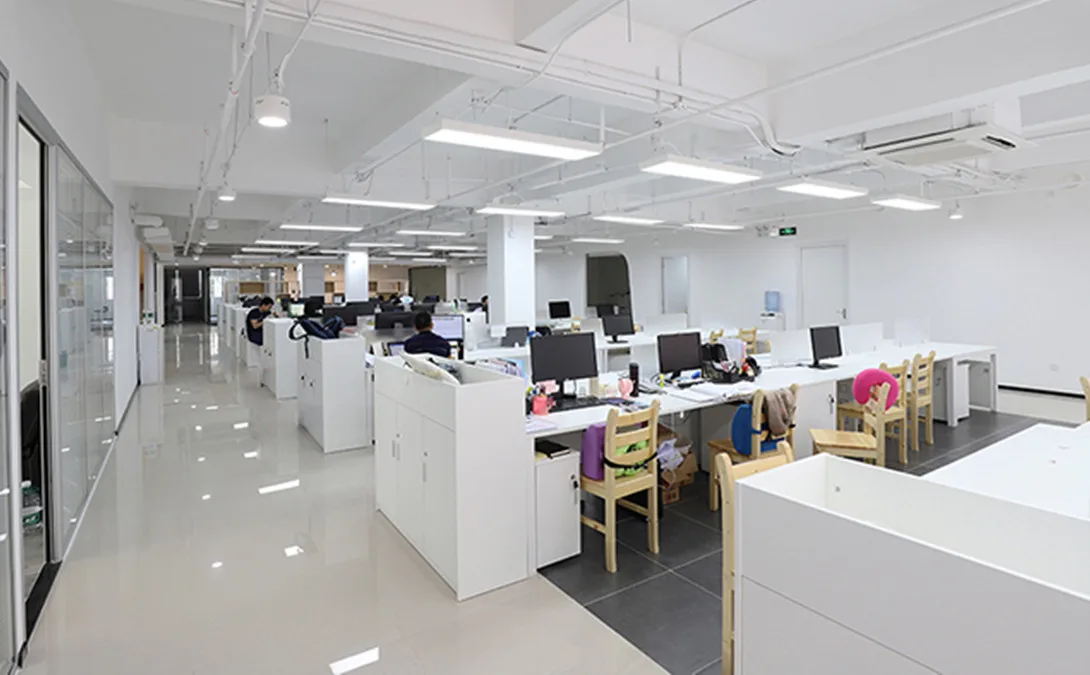
Jinan Aos International Co., Ltd.
- Trading Company
- Shandong, China
- Lead time15 days
- Avg. response≤ 1h
Main productsSpray booth,tire triple machine,Car repair equipments,oil burner,car frame machine
Main marketsEastern Europe(20.00%), Western Europe(20.00%), South Asia(18.00%), Southeast Asia(15.00%), Eastern Asia(5.00%), Mid East(5.00%), Oceania(5.00%), Africa(5.00%), South America(3.00%), North America(3.00%), Domestic Market(1.00%)
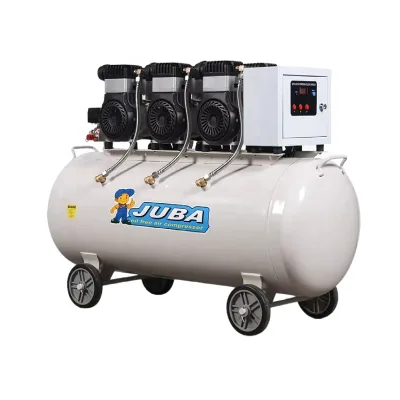
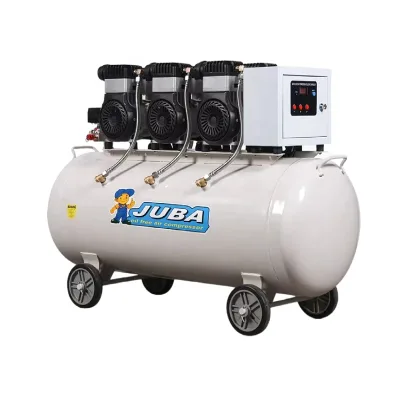
Customized 80L Mini Small Air Compressor 380V/220V
$350.00 - $650.00
Dongguan Jianlong Hydraulic Machinery Co., Ltd.
- Manufacturer, Trading Company
- Guangdong, China
- Lead time7 days
- Avg. response≤ 1h
Main productsHydraulic press,Automated production line,Metal stamping die,Metal stamping die,Forging press
Main marketsDomestic Market(50.00%), Southeast Asia(10.00%), North America(8.00%), South Asia(7.00%), South America(6.00%), Mid East(5.00%), Africa(4.00%), Southern Europe(3.00%), Western Europe(3.00%), Eastern Europe(2.00%), Eastern Asia(2.00%)

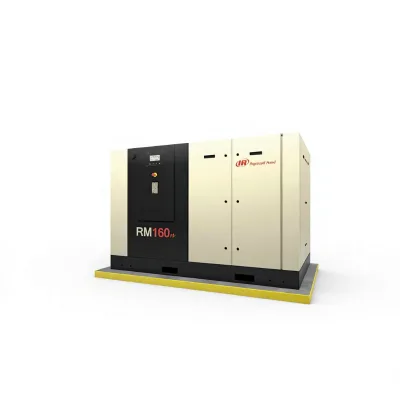
Dongguan Shengguang Industrial Equipment Co., Ltd.
- Manufacturer
- China Guangdong
- Lead time23 days
- Avg. response≤ 10h
Main productsChiller, Air Cooled Chiller, Water Chiller, Refrigerant Air Dryer, Compressed Air Precise Filter, Heat Exchanger for Control Box, Oil Chiller, Air Dryer, Refrigeration Air Dryer, Water Cooled Chiller
Main marketsSouth America,Southeast Asia/ Mideast,North America


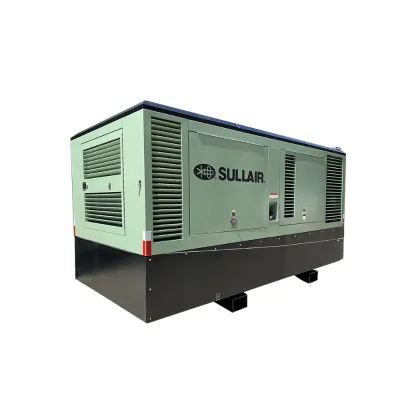
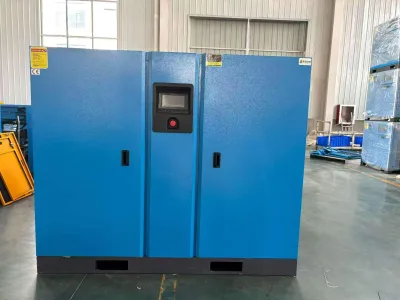
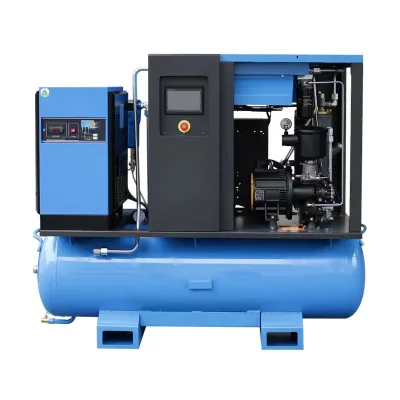
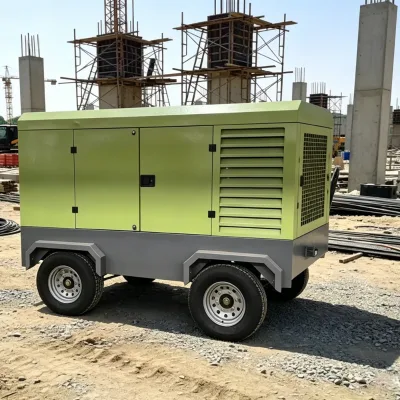


Comprehensive Sourcing Guide
Rotary Electric Air Compressor Supplier Concentration and Factory Types
The current supplier landscape for rotary electric air compressors reveals a distinct geographic concentration in China, with specific manufacturing hubs identified in Tianjin and Henan. These regions serve as primary centers for industrial machinery production, offering buyers access to established supply chains and specialized labor pools. The presence of suppliers in these locations suggests a mature ecosystem for heavy machinery components, where raw material availability and logistical infrastructure support large-scale production runs. Buyers evaluating these regions should consider the implications of local industrial policies and regional trade advantages when assessing potential partners. The concentration of manufacturers in these specific provinces indicates a cluster effect, where knowledge sharing and component sourcing are streamlined, potentially reducing overhead costs for factories and offering competitive pricing structures for international buyers.
Supplier types in this category vary significantly, ranging from dedicated manufacturers and factories to combined entities that may blend manufacturing with trading operations. The data indicates that many suppliers identify as manufacturers or factories, which implies direct control over the production process, quality assurance protocols, and inventory management. This structure often allows for greater flexibility in customization and faster adaptation to specific client requirements compared to pure trading companies. However, the presence of combined supplier types suggests that some entities may operate with a hybrid model, leveraging external manufacturing capabilities while maintaining sales and customer service functions in-house. Understanding this distinction is crucial for buyers, as it impacts communication channels, contract negotiation dynamics, and the level of transparency regarding production timelines and cost breakdowns.
How to Verify Rotary Electric Air Compressor Suppliers
Verification of Rotary Electric Air Compressor suppliers requires a multi-layered approach that goes beyond basic company registration checks. One critical step is examining third-party verification badges, such as those provided by TÜV Rheinland, which indicate that an independent body has audited the supplier’s business operations and manufacturing capabilities. This level of verification adds a layer of trust by confirming that the supplier’s claims about their factory size, production capacity, and business legitimacy have been validated by a recognized authority. Buyers should prioritize suppliers who display such verification marks, as it reduces the risk of engaging with fraudulent entities or shell companies that lack actual manufacturing infrastructure. Additionally, checking for system certifications like ISO 9001 and ISO 14001 is essential, as these standards demonstrate a commitment to quality management and environmental responsibility, which are critical for maintaining consistent product performance and regulatory compliance in international markets.
Beyond certifications, buyers must scrutinize the technical specifications and product evidence provided by suppliers to ensure alignment with their operational needs. This involves verifying details such as cooling systems, power sources, installation types, and lubrication styles, which directly impact the compressor’s suitability for specific industrial applications. For instance, confirming whether a unit uses air cooling or water cooling, and whether it is designed for stationary or portable use, helps prevent mismatches between supplier offerings and buyer requirements. Buyers should also request detailed product attributes, including air flow capacity, exhaust pressure, and noise levels, to ensure the equipment meets their performance benchmarks. Engaging in direct technical discussions with suppliers to clarify these specifications can reveal their depth of knowledge and willingness to support post-sale service, further indicating their reliability as a long-term partner.
What to Compare Across Rotary Electric Air Compressor Suppliers
When evaluating multiple suppliers, buyers should compare key operational metrics such as response time, lead time, and minimum order quantities to assess efficiency and flexibility. Response times vary among suppliers, with some offering rapid replies within a few hours, which is crucial for resolving technical queries or negotiating contract terms quickly. Lead times, which indicate the duration from order placement to shipment, also differ, with some suppliers offering shorter turnaround times that can accelerate project timelines. Buyers should weigh these factors against their production schedules and inventory needs, prioritizing suppliers who can meet their urgency requirements without compromising quality. Additionally, comparing minimum order quantities helps determine the supplier’s suitability for different order sizes, as some may require larger commitments while others accommodate smaller, trial orders, providing flexibility for new business relationships or limited-scale projects.
Product specifications and customization options are another critical dimension for comparison, as they directly influence the final utility and integration of the Rotary Electric Air Compressor. Buyers should examine variations in power ranges, air displacement capacities, and working pressures to find units that match their specific industrial demands. Some suppliers offer extensive customization, allowing for tailored solutions that address unique operational challenges, while others may provide standardized models with limited modification options. Comparing these capabilities helps buyers identify suppliers who can offer the best balance between off-the-shelf convenience and bespoke engineering support. Furthermore, evaluating the range of main products offered by each supplier can indicate their breadth of expertise, with those offering diverse compressor types potentially having more robust R&D capabilities and a wider array of solutions for complex industrial environments.
Common Rotary Electric Air Compressor Sourcing Risks
One significant risk in sourcing rotary electric air compressors is the potential mismatch between advertised specifications and actual product performance, which can lead to operational inefficiencies or equipment failure. Buyers must be cautious of suppliers who provide vague or incomplete technical data, as this may indicate a lack of transparency or quality control in the manufacturing process. Ensuring that all critical parameters, such as noise levels, oil content, and voltage compatibility, are clearly defined and verified is essential to avoid surprises upon delivery. Additionally, buyers should be wary of suppliers who do not provide detailed product attributes or who resist sharing comprehensive technical documentation, as this can hinder proper integration into existing industrial systems and complicate troubleshooting efforts. Conducting thorough due diligence on product evidence and requesting third-party test reports can mitigate this risk by providing objective validation of supplier claims.
Another common risk involves logistical and compliance challenges, particularly when sourcing from international suppliers in regions with varying regulatory standards. Buyers must ensure that the equipment meets local safety and environmental regulations, which may require specific certifications or modifications not initially disclosed by the supplier. Failure to verify compliance can result in customs delays, additional costs, or legal liabilities upon installation. Furthermore, differences in packaging standards and shipping requirements can impact the condition of the equipment upon arrival, with inadequate protection leading to damage during transit. Buyers should establish clear communication regarding packaging methods, such as export-standard wooden cases, and verify that suppliers adhere to international shipping best practices. Addressing these logistical and compliance risks proactively through detailed contract terms and pre-shipment inspections can protect buyers from costly disruptions and ensure smooth project execution.
Rotary Electric Air Compressor Regional Sourcing and Logistics
Sourcing rotary electric air compressors from specific regions like Tianjin and Henan in China offers distinct logistical advantages, including proximity to major ports and established industrial infrastructure. These locations are well-connected to global shipping routes, facilitating efficient export processes and reducing transit times for international buyers. Buyers should consider the implications of regional logistics when planning their supply chain, as proximity to manufacturing hubs can simplify coordination and reduce the complexity of managing multiple suppliers across different geographic areas. Additionally, the concentration of suppliers in these regions may lead to economies of scale in transportation, potentially lowering freight costs for bulk orders. Understanding the local logistics landscape helps buyers optimize their shipping strategies, ensuring timely delivery and minimizing the risk of delays associated with complex international freight arrangements.
However, buyers must also account for the potential challenges of international shipping, including customs clearance procedures and import regulations in their home countries. Different regions may have varying requirements for documentation, tariffs, and product standards, which can impact the overall cost and timeline of the procurement process. Buyers should work closely with their freight forwarders to navigate these complexities, ensuring that all necessary paperwork is prepared accurately and submitted in a timely manner. Additionally, considering the environmental impact of long-distance shipping may lead buyers to explore more sustainable logistics options, such as consolidated shipments or carbon-offset programs. By carefully planning the logistical aspects of sourcing from these specific regions, buyers can enhance supply chain resilience and maintain consistent access to high-quality rotary electric air compressors.
Rotary Electric Air Compressor Commercial Terms and Order Planning
Commercial terms for rotary electric air compressors often include flexible pricing structures and customizable order quantities, allowing buyers to align purchases with their budgetary constraints and operational needs. Prices can vary significantly based on specifications, power ratings, and customization options, with some models starting at lower price points for basic units and increasing for high-performance or specialized configurations. Buyers should request detailed quotations that break down costs for the equipment, shipping, and any additional services, such as installation support or warranty coverage. Understanding the total cost of ownership, including maintenance and energy consumption, is crucial for making informed purchasing decisions that deliver long-term value. Comparing quotes from multiple suppliers helps buyers identify competitive pricing while ensuring that quality and service levels remain consistent across their selections.
Order planning should also consider the supplier’s capacity for OEM, ODM, and own-brand production, as this influences the level of customization and branding opportunities available to buyers. Suppliers with robust manufacturing capabilities can accommodate large-volume orders and complex customization requests, providing greater flexibility for businesses with specific branding or technical requirements. Buyers should establish clear communication regarding production schedules, quality control checkpoints, and delivery milestones to ensure that orders are fulfilled on time and to specification. Additionally, negotiating favorable payment terms, such as escrow services or milestone-based payments, can mitigate financial risks and provide security for both parties throughout the transaction process. By carefully planning commercial terms and order logistics, buyers can build strong, reliable partnerships with suppliers that support their long-term industrial goals.
FAQs
What is a Rotary Electric Air Compressor and how does it work?
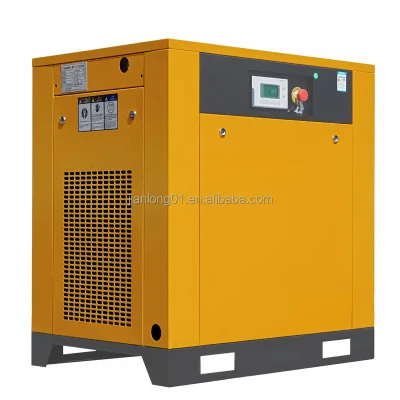
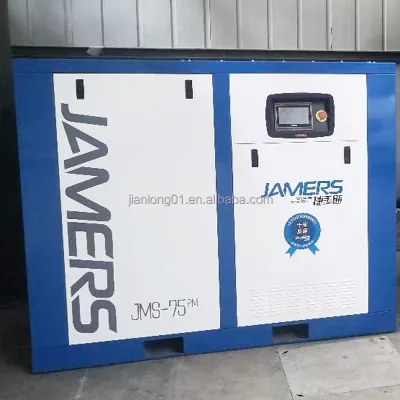
A Rotary Electric Air Compressor uses two meshing screw rotors driven by an electric motor to compress air continuously. As rotors turn, air is drawn in, compressed between the rotors, and discharged at the set pressure. This design delivers steady airflow, making it well suited to industrial applications requiring consistent operation.
What power ratings are typically available for rotary electric air compressors?
Listed models span a wide range, from around 2.2 kW small units up to 630 kW industrial machines. Airflow capacities on these models range from roughly 0.3 to 110 cubic meters per minute with discharge pressures of about 0.3 to 2.5 MPa. Match the motor power and airflow to your actual demand before ordering.
Are oil-lubricated rotary screw compressors suitable for my workshop?
Yes, most rotary screw compressors offered here are oil-lubricated and designed for stationary industrial use. Oil-lubricated units generally run cooler and last longer, but they introduce a small amount of oil into the air stream. Some listed models report oil content under 3 ppm, which suits most general workshop applications.
How noisy are these rotary screw air compressors during operation?
Noise levels vary by model and size. Listed compressors report noise ratings generally under 65 to 78 dBA depending on the unit. Smaller enclosed models tend to be quieter, while larger high-capacity machines produce more sound. Confirm the exact decibel rating for your chosen model and plan placement accordingly.
What is the minimum order quantity and typical price range?
Some listed models have a minimum order quantity of just one unit, making trial purchases practical. Prices on listed products range widely, from about 1,000 to 10,000 USD depending on model, capacity, and configuration. Smaller 3 kW machines and mid-range units fall at different points, so request quotes for your exact specification.
How long does production and delivery usually take?
Lead times among the listed suppliers range from roughly 15 to 23 days after order confirmation. Actual timing depends on model availability, customization requests, and shipping method to your destination. Air-cooled standard configurations are often faster than customized voltage or pressure variants, so confirm the schedule before placing your order.
Can I customize voltage, pressure, or cooling configuration?
Yes, customization is listed as available on these rotary screw compressor models. Options include voltage from 380V to 10,000V at 50 or 60 Hz, air or water cooling, and different working pressures. Provide your local power supply, required pressure, and airflow demand so the factory can configure the unit correctly before production.
How do I choose between a belt-driven and direct-driven rotary compressor?
Belt-driven units allow some flexibility in speed matching and are common on smaller models, while direct-driven designs transfer power more efficiently with fewer maintenance parts. Direct-driven listed models operate at pressures of 8, 10, or 13 bar. Consider your pressure requirements, maintenance capacity, and budget when selecting the drive type.