Automatic Chemical Mine Filter Press Suppliers and Manufacturers
Source 24 verified Automatic Chemical Mine Filter Press options from Henan, China. Compare ISO9001:2015 certified suppliers with 30-day lead times, 8.64 response rates, and prices from $500 to $50,000. Request quotes to evaluate OEM capabilities and CE-certified models.
Updated
Suppliers List

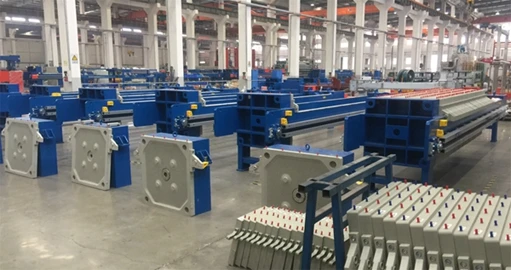
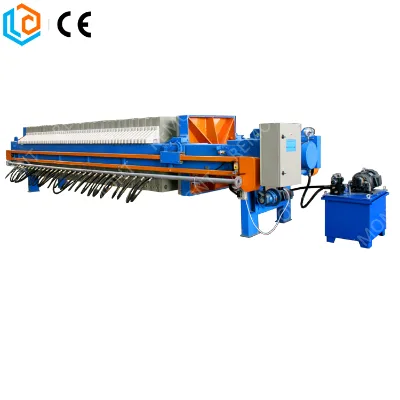
Yuzhou Sino Filtration Equipment Co., Ltd.
- Verified by TUVRHEINLAND
- Trading Company
- China Henan
- Lead time30 days
- Avg. response≤ 9h
Main productsPlate Frame Filter Press, Filter Press, Plate Filter Press, Filter Press Plate, Filter Plate, Filter Press Cloth, Filter Cloth, Plate Filter, Belt Filter Press, Vacuum Belt Filter
Main marketsSoutheast Asia/ Mideast,North America


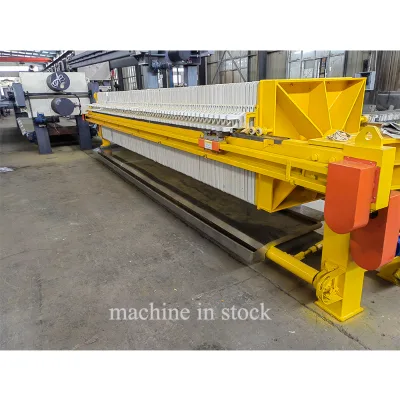
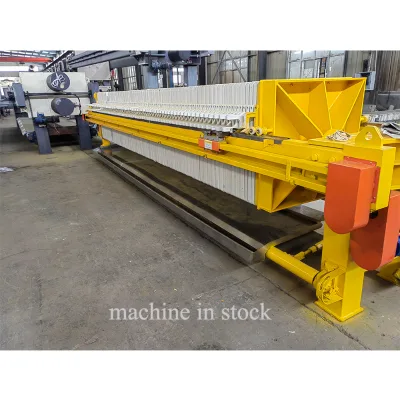
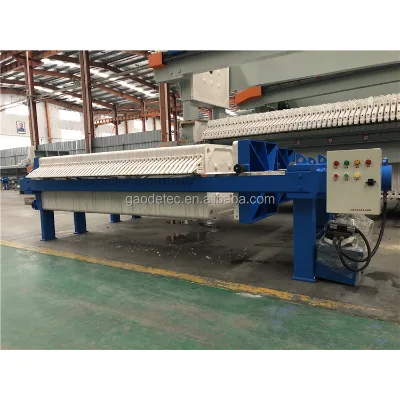
Mining, Chemical, Food, Wine Industry Use High Pressure Automatic Hydraulic Filter Press
$500.00 - $100000.00
MOQ: 1 Sets


Automatic Filter Press Machine, Widely Used in Mining Plant Filter Press
$500.00 - $10000.00
MOQ: 1 Pieces

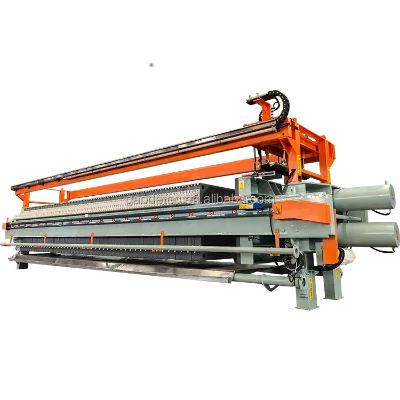
Automatic Recessed Filter Press Used in Coal Mine Coal Washing Industry
$5000.00 - $100000.00
MOQ: 1 Pieces

Automatic Chamber Filter Press for Iron Ore Concentrate Filtration
$5000.00 - $100000.00
MOQ: 1 Pieces

YuZhou YuWei Filter Equipment Co., Ltd.
- Verified by BV
- Combined
- China Henan
- Lead time15 days
- Avg. response≤ 4h
Main productsStainless Steel Filter Press
Main marketsSouth America,Africa,Southeast Asia/ Mideast,Europe,North America


Corrosion Resisting Automatic Chamber Filter Press for Chemical Industry
$5000.00 - $30000.00
MOQ: 1 Pieces

Anti-Corrosion Automatic Filter Press Apply for Chemical Industry etc.
$5000.00 - $30000.00
MOQ: 1 Pieces

Automatic Membrane Filter Press for Chemical/ Biological /Wine Industries.
$3000.00 - $30000.00
MOQ: 1 Pieces

Automatic Membrane Filter Press for Chemical Industry and Biological Industry etc.
$3000.00 - $30000.00
MOQ: 1 Pieces

Guangxi Jinbangtai Technology Co., Ltd.
- Manufacturer, Trading Company
- Guangxi, China
- Lead time30 days
- Avg. response≤ 5h
Main productsFilter Press, Dust Collector, Filter Plate, Filter Cloth, Filter Bag
Main marketsDomestic Market(95.00%), South America(4.00%), Southeast Asia(1.00%)
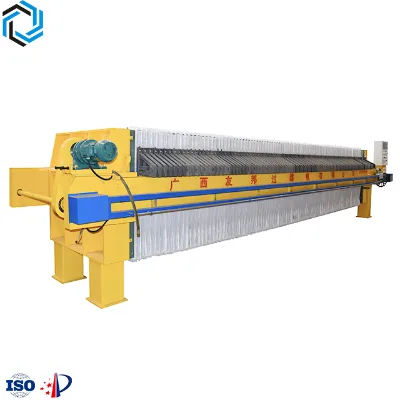
Factory Price Mine Automatic Chamber Filter Press Small Filter Press
$7700.00 - $10000.00
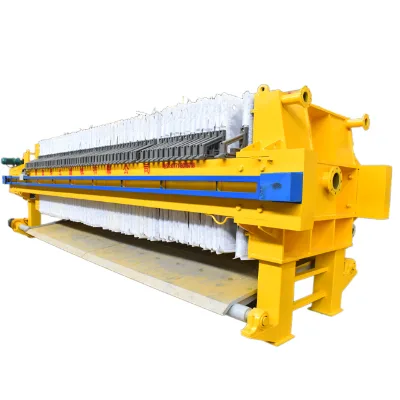
Automatic Filter Press for Mining Waste Remaining After Processing Ore
$6780.6521 - $7302.2407
MOQ: 1 sets
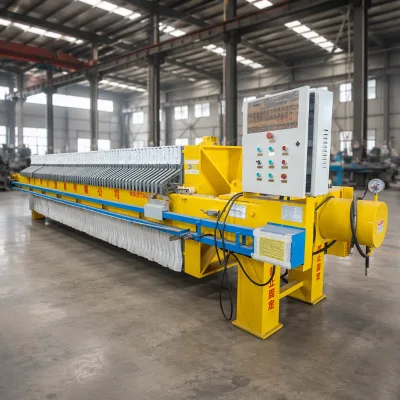
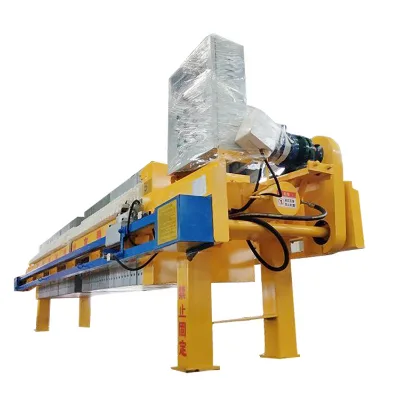
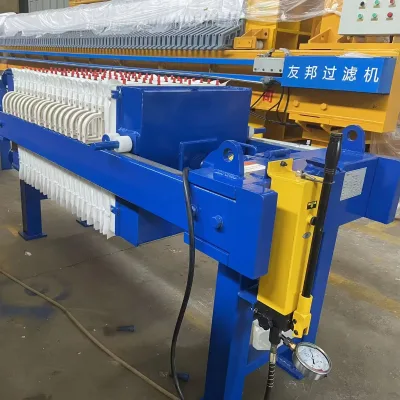
Outstanding Performance Rapid Dehydration Membrane Filter Press for Mineral Metallurgy
$2607.9431 - $3546.8026
MOQ: 1 sets

Shanghai Junyi Filter Equipment Co., Ltd.
- Verified by TUVRHEINLAND
- Trading Company
- China Shanghai
- Lead time15 days
- Avg. response≤ 6h
Main productsFilter Press, Filter Plate, Filter Cloth, Bag Filter, Filter Bag, Cartridge Filter, Filter Cartridge, Diesel Purifier, Industrial Pump, Single Screw Plastic Extruder
Main marketsSouth America,Africa


Quick Open Chamber Filter Press, Hydraulic Filter Press, Automatic Filter Press
$500.00 - $8000.00
MOQ: 1 Pieces


Multi-Industry Automatic Membrane Filter Press Compatible with Petrochemicals
$2000.00 - $10000.00
MOQ: 1 Pieces
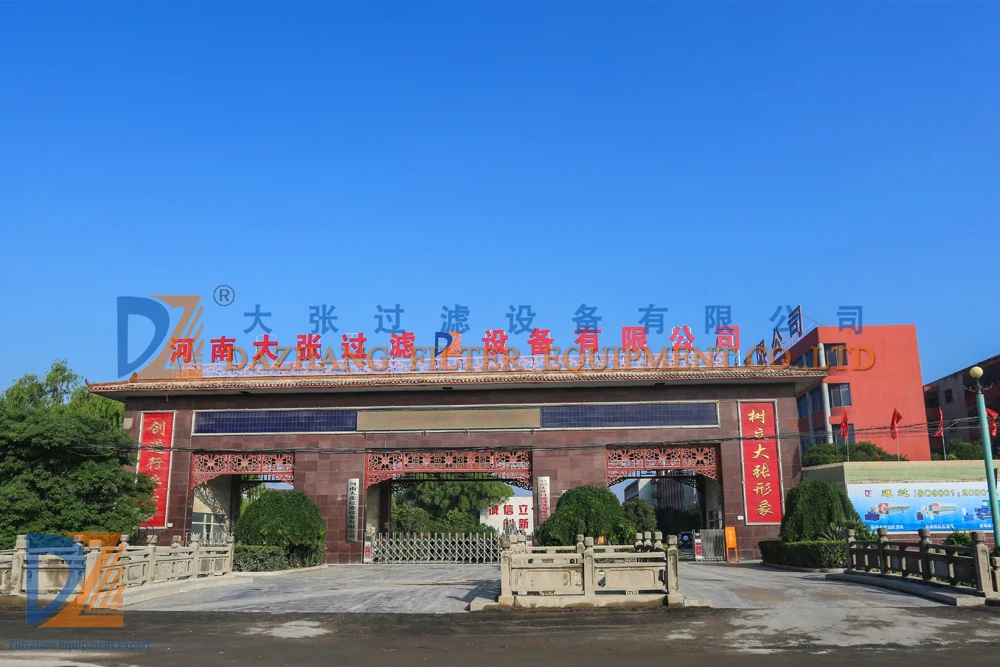
Yuzhou Dazhang Filtration Equipment Co., Ltd.
- Trading Company
- Henan, China
- Lead time10 days
- Avg. response≤ 2h
Main productsFilter Press Equipment
Main marketsDomestic Market(70.00%), Southeast Asia(10.00%), North America(9.00%), Eastern Europe(1.00%), South Asia(1.00%), Southern Europe(1.00%), Northern Europe(1.00%), Central America(1.00%), Western Europe(1.00%), Eastern Asia(1.00%), Mid East(1.00%), Oceania(1.00%), Africa(1.00%), South America(1.00%)
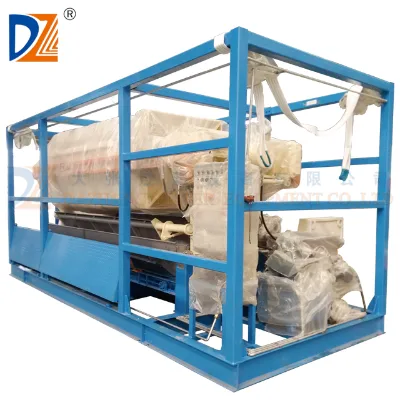
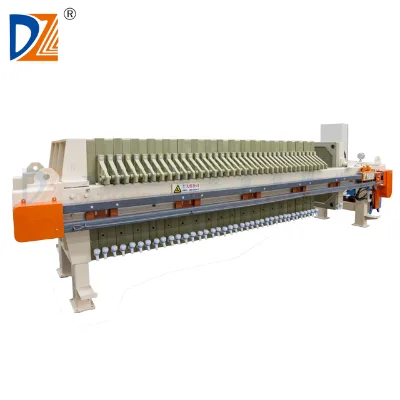
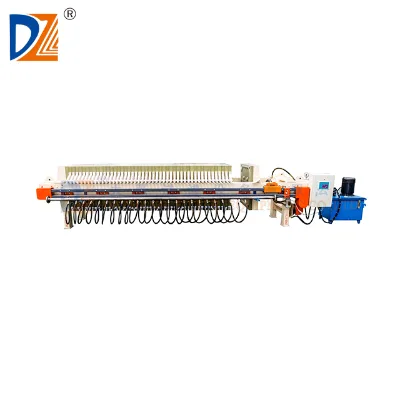
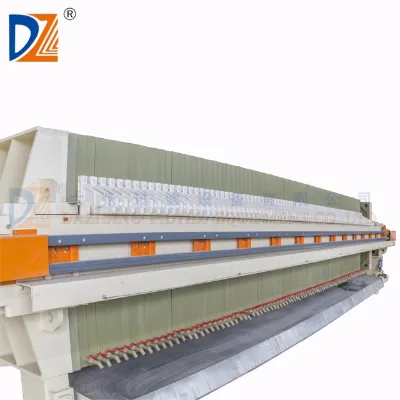
Complete Disassembly Underground Gold Mine Automatic Chamber Filter Press with Open Flow
$9999.00
MOQ: 1 Minimum
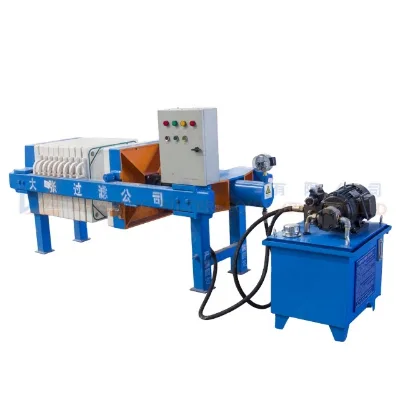
Henan Dazhang Filter Equipment Co., Ltd.
- Trading Company
- Henan, China
- Lead time21 days
- Avg. response≤ 2h
Main productsPlate and frame filter press,Chamber filter press,Membrane filter press,Stainless steel filter,Belt filter press
Main marketsDomestic Market(70.00%), Southeast Asia(10.00%), North America(9.00%), Eastern Europe(1.00%), South Asia(1.00%), Southern Europe(1.00%), Northern Europe(1.00%), Central America(1.00%), Western Europe(1.00%), Eastern Asia(1.00%), Mid East(1.00%), Oceania(1.00%), Africa(1.00%), South America(1.00%)
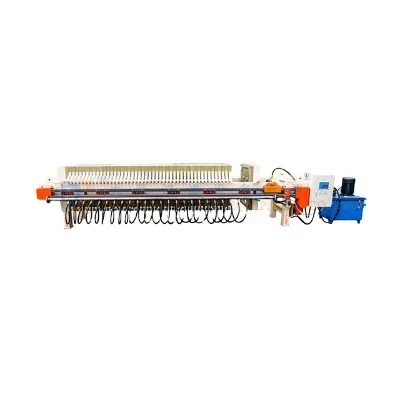
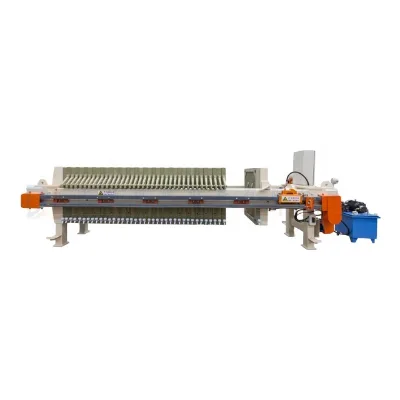
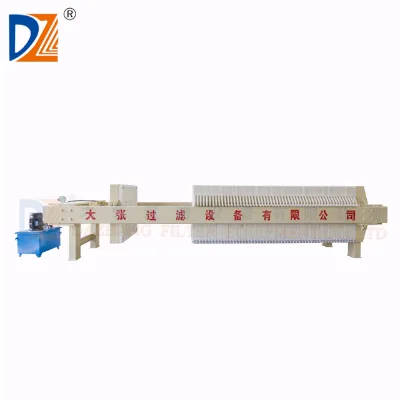
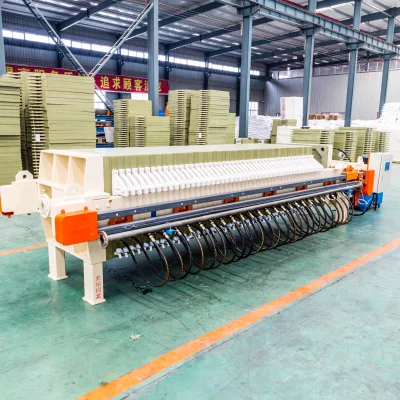
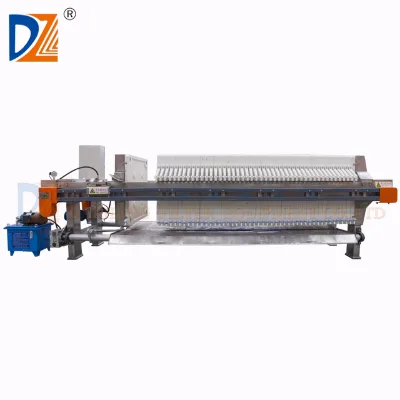
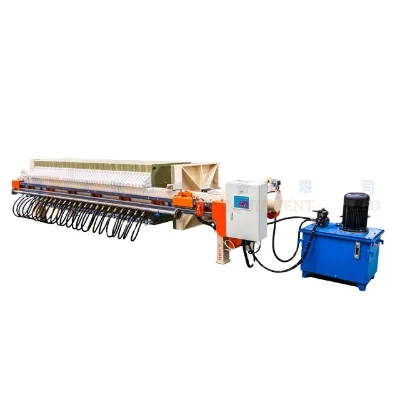
Automatic Membrane Filter Press Machine for Desulfurization Project
$8817.8572 - $9336.5546
MOQ: 1 sets
Henan Fantianliang Machinery And Equipment Co., Ltd.
- Trading Company
- Henan, China
- Lead time10 days
- Avg. response≤ 2h
Main productsCement plant,AAC Plant,Lime Plant,Stone Crusher Plant,Mining Processing Plant
Main marketsSoutheast Asia(78.00%), South America(8.00%), Africa(6.00%), Northern Europe(5.00%), Oceania(3.00%)
Yuzhou Huade Environmental Technology Co., Ltd.
- Manufacturer, Trading Company
- Henan, China
- Lead time10 days
- Avg. response≤ 1h
Main productsFilter Press,Dewatering Screw Press,Wastewater Treatment Equipment,Juice Extracter,Centrifugal Separator
Main marketsSouth America(20.00%), Southeast Asia(15.00%), North America(15.00%), Western Europe(10.00%), Mid East(10.00%), Africa(10.00%), South Asia(5.00%), Northern Europe(5.00%), Eastern Europe(5.00%), Eastern Asia(5.00%)
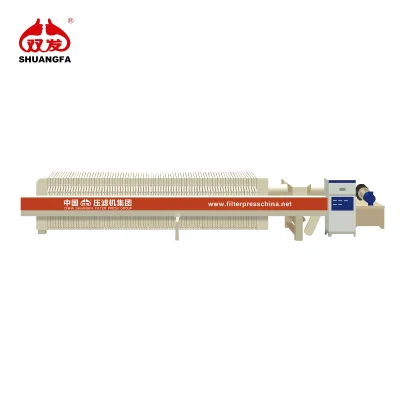
High Efficiency Chamber Filter Press for Chemical/Pharmacy/Mining Industries
$31800.00 - $32000.00
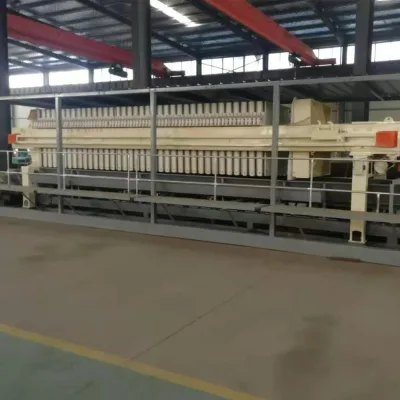
Automatic Filter Press for Mining /Tailing Water Treatment
$19700.00 - $19900.00
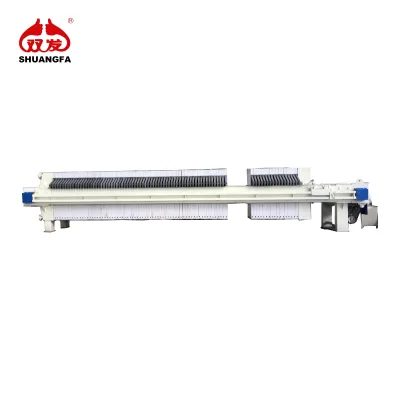
Automatic Chamber Filter Press for Mining Slurry
$27700.00 - $28000.00
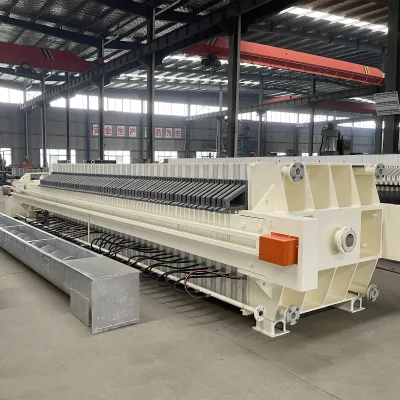
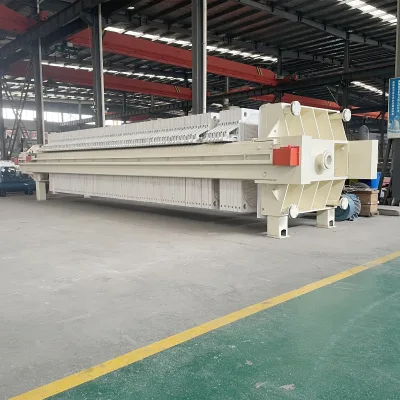
Export Quality Automatic Filter Press for Fine Chemistry Industry
$25600.00 - $26000.00
Henan Gloyel Environmental Protection Technology Co., Ltd.
- Verified by SGS Group
- Trading Company
- Lead time0 days
- Avg. response≤ 5h
Main productsFilter Press, Drying Machine, Shredder Machine, Baler Machine, Packing Machine
Guangzhou Lvye Environmental Protection Equipment Co., Ltd.
- Manufacturer, Trading Company, Distributor/Wholesaler
- Guangdong, China
- Lead time30 days
- Avg. response≤ 1h
Main productsgrating machine,filter press,aerator,Inclined tube packing,Suspension filler
Main marketsSoutheast Asia(30.00%), Eastern Asia(3.00%), South America(3.00%)
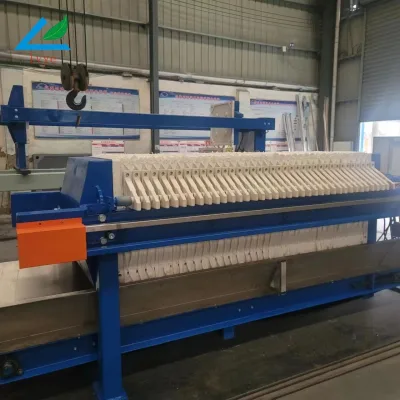
$2539.856 - $2591.6898
MOQ: 1 pieces
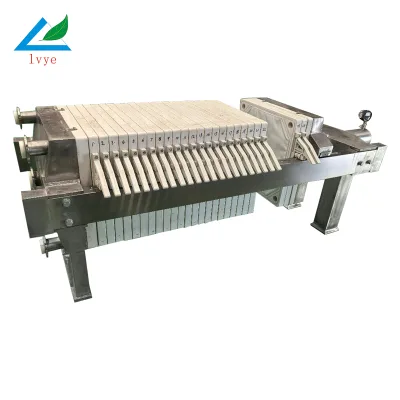
Hot Selling New High Efficiency Automatic Filter Press for Industrial Wastewater Treatment
$2000.00 - $2080.00
MOQ: 1 pieces
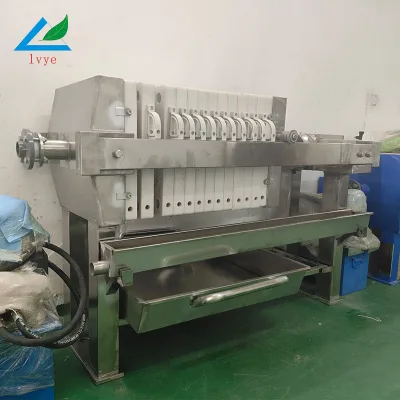
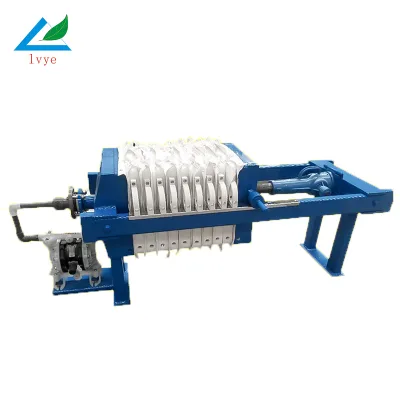
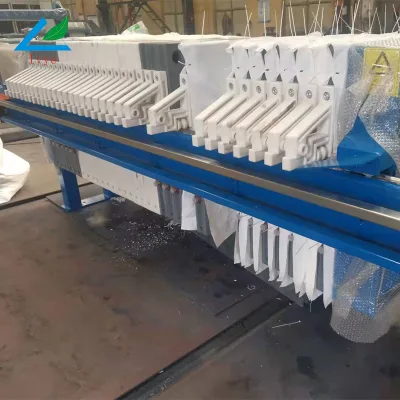
Heavy-Duty Diaphragm Filter Press for Mining and Mineral Processing with Long Service Life
$7170.2294 - $7273.3982
MOQ: 1 pieces
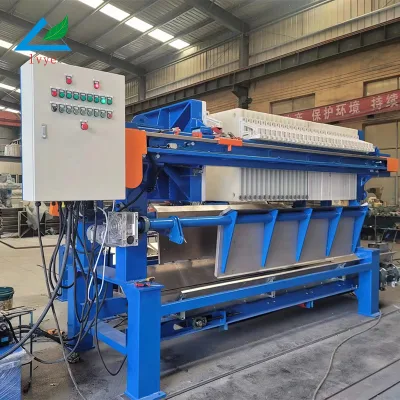
$7479.7357 - $7531.3193
MOQ: 1 pieces

Zhengzhou Lead Equipment Co., Ltd.
- Verified by SGS
- Combined
- China Henan
- Lead time15 days
- Avg. response≤ 1h
Main productsShotcrete Machine, Grout Pump, Peristaltic Hose Pump, Foam Concrete Machine, Concrete Pump, Mortar Pump, Prestressed Anchor, Gunite Machine, Dosing Pump, Filter Press
Main marketsDomestic,Europe


High Pressure Automatic Filter Press for Ceramic Wastewater Treatment
$1500.00 - $15000.00
MOQ: 1 Sets

Automatic Membrane Filter Press Manufacturer for Industrial Filtration Equipment Supply
$10000.00 - $36000.00
MOQ: 1 Sets

Automatic Filter Press for Mineral Concentrate Processing and Dewatering Equipment
$8500.00 - $36000.00
MOQ: 1 Sets
- Manufacturer, Trading Company
- Lead time旺季: "1 - 1":15,"> 1":"To be negotiated", 淡季: "1 - 1":15,"> 1":"To be negotiated"
- Avg. response≤ 2h
Main productsGrout Station and Hose Pump, Hydroseeder, Hydraulic Jack, Concrete & Refractory Shotcrete Machine, Refractory Mixer and Screed Pump
Shanghai Dazhang Environment Protection Equipment Co., Ltd.
- Verified by SGS Group
- Manufacturer, Trading Company
- Lead time30 days
- Avg. response≤ 2h
Main productsFilter Press, Filter Machine
Main marketsDomestic Market(80%), Eastern Europe(12%), Southeast Asia(4%)
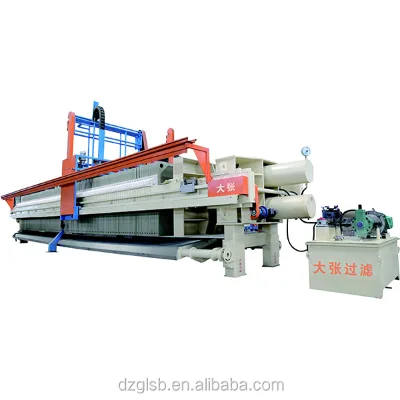
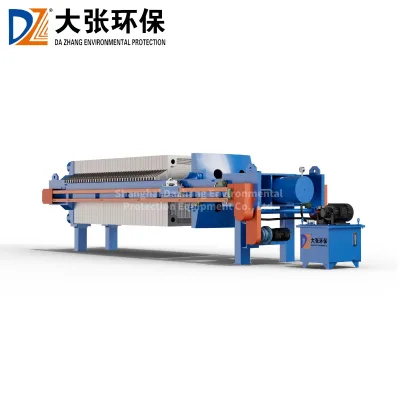
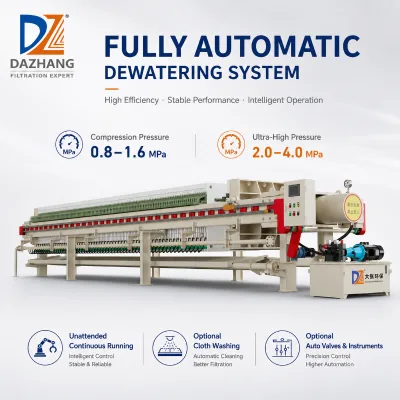
Automatic Chamber Filter Press with Cloth Washing Machine Supplier for Mineral Processing
$9957.9086 - $10184.4122
MOQ: 1 sets
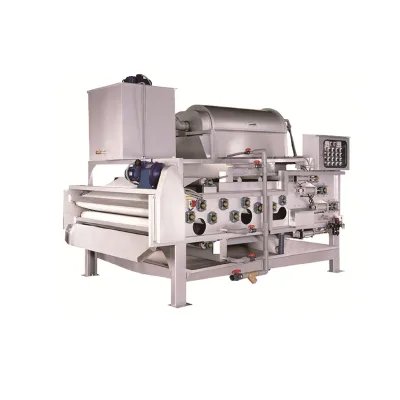
Belt Filter Press Integrated with Drum Thickening System for Wastewater Treatment
$11324.1355 - $12250.7399
MOQ: 1 sets

Zhengzhou Toper Industrial Equipment Co., Ltd.
- Verified by SGS
- Trading Company,Manufacturer/Factory
- China Henan
- Lead time23 days
- Avg. response≤ 2h
Main productsFilter Press, Centrifuge, Belt Filter Press, Filter Press Plate, Filter Membrane, Membrane Filter Press, Decanter Centrifuge, Tubular Centrifuge, Chamber Filter Press
Main marketsSouth America,Eastern Europe,Mid East,North America,Southeast Asia,Oceania,Africa
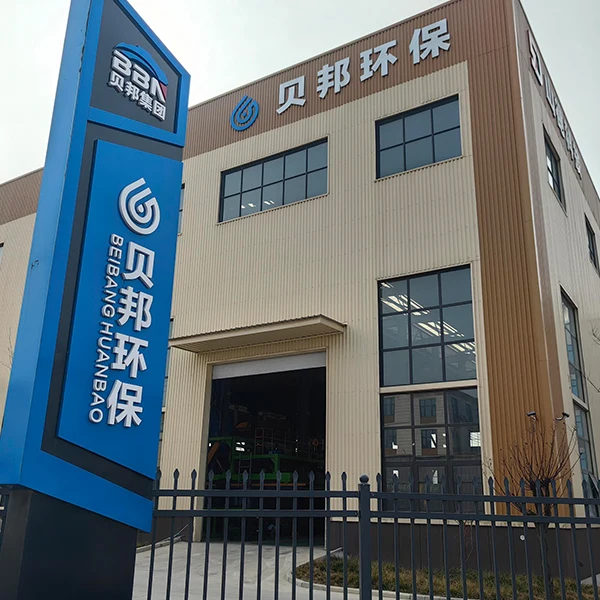
Henan Bebon Intelligent Environmental Protection Engineering Technology Co., Ltd.
- Manufacturer
- Henan, China
- Lead time0 days
- Avg. response≤ 1h
Main productsFilter Press Equipment,plate and frame filter,sludge press,Wastewater Treatment Equipment,Sludge Dewatering Machine
Main marketsDomestic Market(34.00%), North America(10.00%), Southeast Asia(10.00%), Mid East(10.00%), Northern Europe(8.00%), Africa(7.00%), Eastern Asia(6.00%), Central America(5.00%), South Asia(5.00%), South America(5.00%)
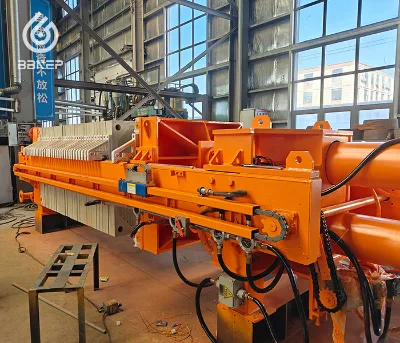
$6692.1427 - $8751.2636
MOQ: 1 sets
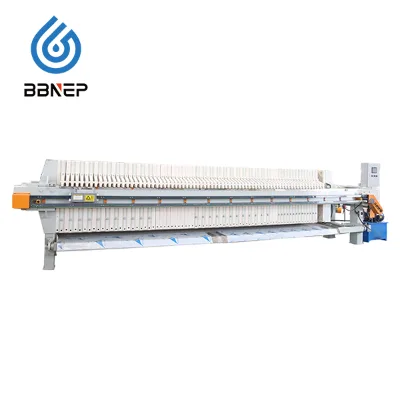
New Automatic High-Pressure Filter Press for Coal Slime Dewatering in Mining Applications
$6000.00 - $6500.00
MOQ: 1 sets
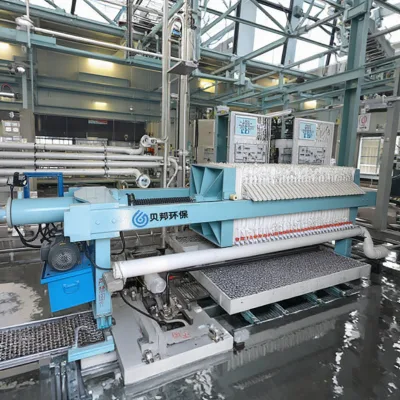
Automatic Membrane Filter Press New Liquid Chemical Purify Treatment Pump Filter Plate Filter Press
$8092.3458 - $9935.2588
MOQ: 1 sets
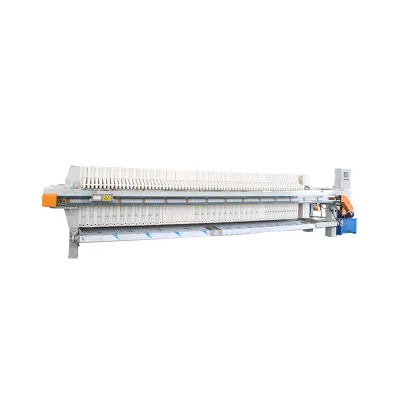
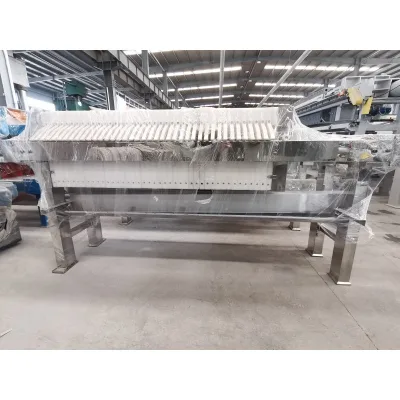
Good Quality China Filter Press Manufacturer Mineral Ore Separation Plate and Frame Filter Press
$2865.0269 - $3274.3164
MOQ: 1 sets
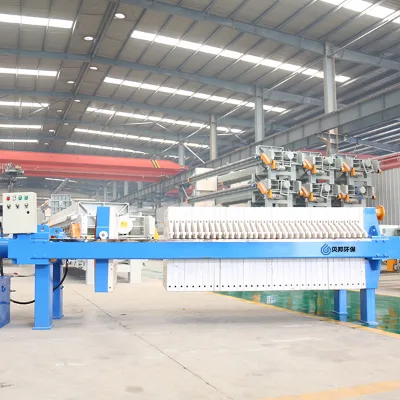
Small High Pressure Filter Press for Paper Mill Waste Sludge Granite Stone Waste Water Industry
$2800.00 - $4150.00
MOQ: 1 sets
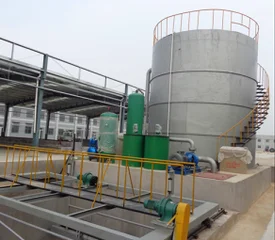
Zhucheng Jinlong Machine Manufacture Co., Ltd.
- Manufacturer, Trading Company
- Shandong, China
- Lead time0 days
- Avg. response≤ 2h
Main productsPaper Making Equipments,Wastewater Treatment Equipments
Main marketsSouth Asia(24.74%), Central America(22.28%), South America(22.28%), Domestic Market(14.85%), Africa(10.40%), Eastern Asia(5.45%)

Zhengzhou Leabon Machinery Equipment Co., Ltd.
- Trading Company,Manufacturer/Factory
- China Henan
- Lead time38 days
- Avg. response≤ 8h
Main productsFilter Press, Filter Plate, Centrifuge, Drying Equipment, Automatic Filter Press, Automatic Baler Machine, Vertical Baler Machine, Wrapping Machine, Baler Machine, Pellet Machine
Main marketsSouth America,Eastern Europe,Mid East,North America,Southeast Asia,Eastern Asia,Oceania,Western Europe,Africa

Henan Fantianliang Machinery And Equipment Co., Ltd.
- Verified by SGS
- Trading Company
- China Henan
- Lead time15 days
- Avg. response≤ 4h
Main productsGold CIP Plant, Mining Equipment, Ball Mill, Crusher Plant, Gold Cil Plant, Copper Flotation Plant, Mineral Process Plant, Flotation Machine, Gold Recovery Plant, Gold Desorption and Electrolysis Machine
Main marketsSouth America,Africa,Southeast Asia/ Mideast,Europe

Zhengzhou Uniwin Machinery And Equipment Co., Ltd.
- Trading Company
- Henan, China
- Lead time20 days
- Avg. response≤ 14h
Main productsNail Making Machine,Coil Nail Making Machine,Filter Press,Membrane Filter Press,Filter Cloth
Main marketsDomestic Market(40.00%), North America(10.00%), South Asia(10.00%), Eastern Europe(10.00%), Mid East(10.00%), Oceania(5.00%), Africa(5.00%), Western Europe(5.00%), South America(5.00%)

Hebei Qianghua Mesh Industry Co., Ltd
- Verified by SGS
- Manufacturer/Factory
- China Hebei
- Lead time0 days
- Avg. response≤ 3h
Main productsForming Fabrics, Woven Dryer Fabrics, Spiral Dryer Fabrics, Press Felt, Filter Belt, Polyester Mesh Belt, Belt for Nonwoven, Antistatic Belt, Corrugator Belt, Stainless Steel Wire Mesh

PA Sludge Dewatering Belt Coal Mine Sludge Filtration Horizontal Chemical Filter Press
$15.00 - $20.00
MOQ: 1 Square Meters

Sludge Dewatering Belt Filter Press Chemical Wastewater Treatment Coal Mine Filtration Thickening
$15.00 - $20.00
MOQ: 1 Square Meters

Low Price Sludge Dewatering Belt Horizontal Filter Press Coal Mine Filtration
$15.00 - $20.00
MOQ: 1 Square Meters

Sludge Dewatering Belt Filter Press Dehydration Filtration Chemical Waste Water Coal Mine
$15.00 - $20.00
MOQ: 1 Square Meters
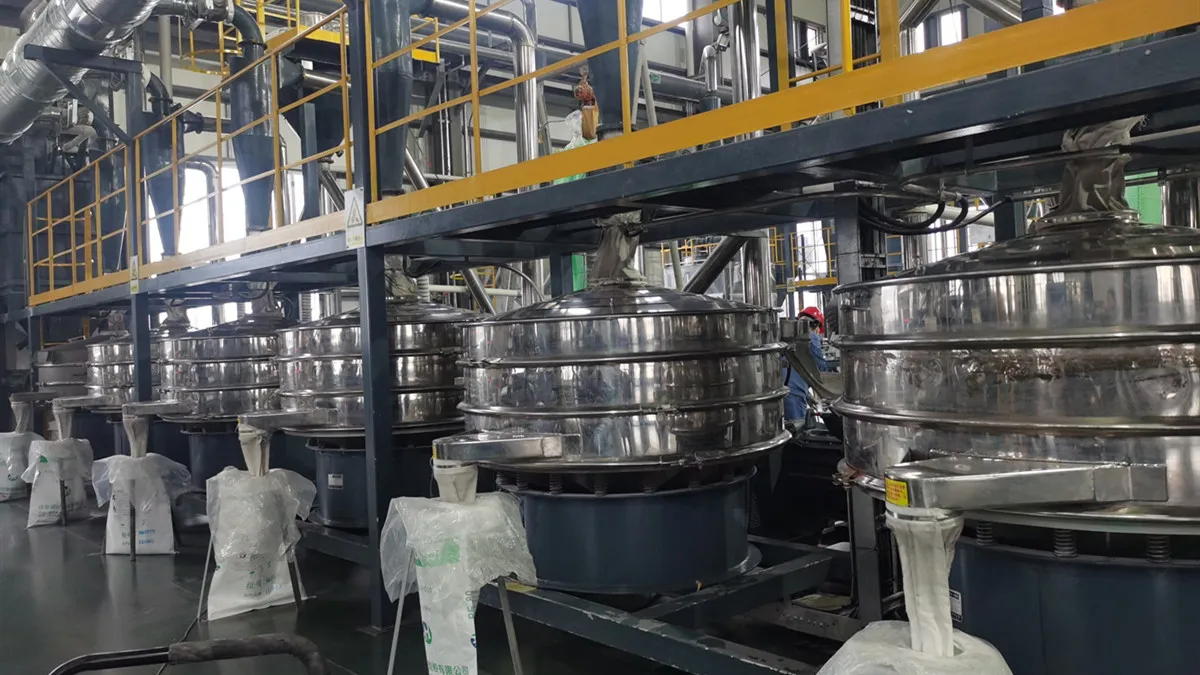
- Trading Company
- Henan, China
- Lead time10 days
- Avg. response≤ 3h
Main productsvibrating screen,filter press,leaf filter,tumbler screen,gyratory vibrating screen
Main marketsSouth America(20.00%), Mid East(20.00%), South Asia(10.00%), Central America(10.00%), Eastern Asia(10.00%), North America(10.00%), Africa(10.00%), Southeast Asia(10.00%)

LIAOYANG WANDA MACHINERY CO., LTD.
- Verified by BV
- Manufacturer/Factory
- China Liaoning
- Lead time38 days
- Avg. response≤ 5h
Main productsCentrifuge Machine, Drying Machine, Mixing Machine, Crushing Machine, Packing Machine, Waste Water Treatment Equipment, Evaporator Machine, Extractor Machine, Filter Press, Screw Press
Main marketsEastern Europe

Large Capacity Automatic Membrane Filter Press for Mineral Processing Industry
$3000.00 - $50000.00
MOQ: 1 sets

Advanced Stainless Steel Filter Press for Chemical Wastewater Treatment
$3000.00 - $50000.00
MOQ: 1 sets

Mining Filter Press for Tailings and Slurry Management with Iron Ore, Coal, and Mineral Deposits
$3000.00 - $50000.00
MOQ: 1 sets
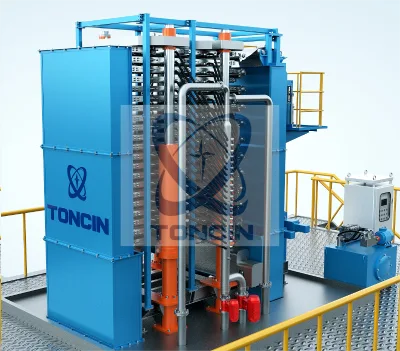
Nuclear Industry Yantai Toncin Group Co., Ltd.
- Verified by TüVRheinland
- Manufacturer, Trading Company
- Lead time90 days
Main productsTower Press Filter, TC Ceramic Vacuum Filter, DU Rubber Belt Vacuum Filter, Central Drive Thickener
Main marketsDomestic Market(50%), Eastern Asia(8%), South America(6%)
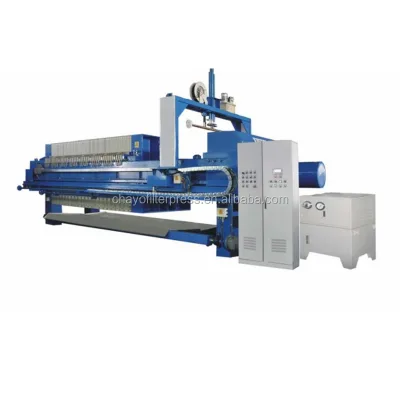
Hangzhou Chayo Environmental & Technology Co., Ltd.
- Trading Company
- Zhejiang, China
- Lead time30 days
- Avg. response≤ 4h
Main productsfilter press,filter plate,pipe fitting,pumps,valves
Main marketsDomestic Market(15.00%), North America(10.00%), Western Europe(10.00%), Mid East(10.00%), South Asia(10.00%), Southern Europe(10.00%), Eastern Europe(10.00%), South America(10.00%), Central America(5.00%), Africa(5.00%), Southeast Asia(5.00%)
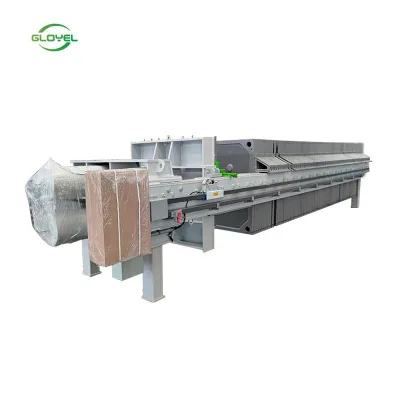
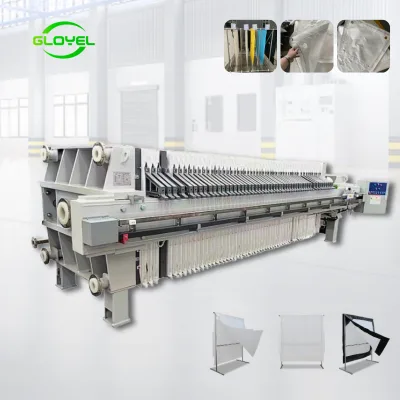
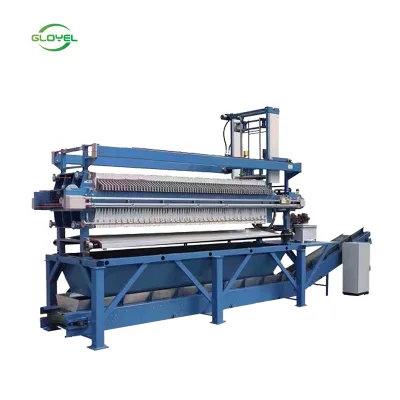
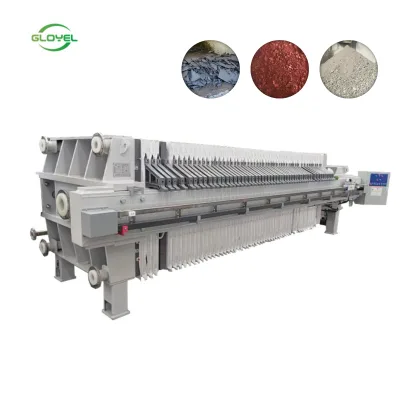




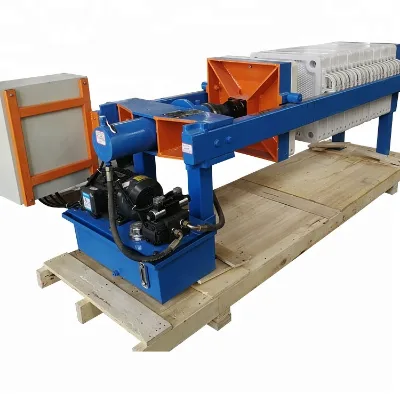
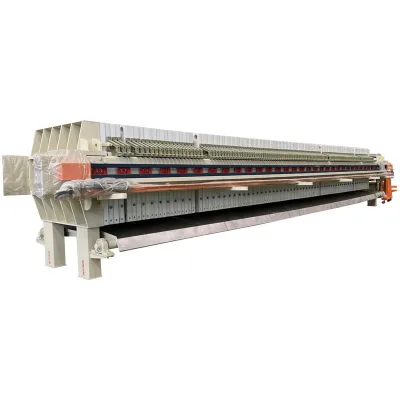
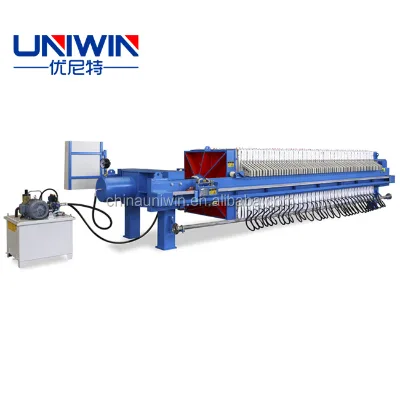
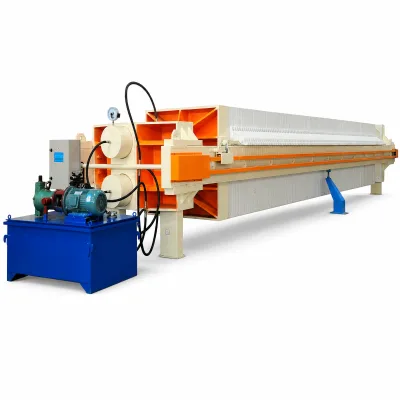
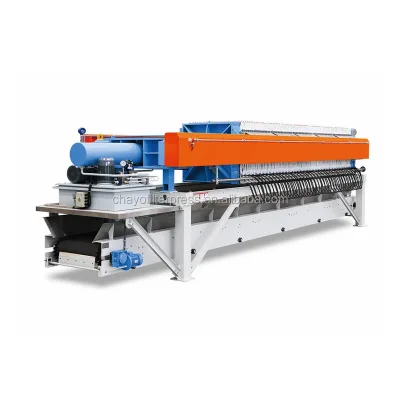
Comprehensive Sourcing Guide
Automatic Chemical Mine Filter Press Supplier Concentration and Factory Types
When sourcing an Automatic Chemical Mine Filter Press, the first structural question is whether your candidate list is dominated by manufacturers or by intermediaries. In this category, listings commonly include companies identifying themselves as trading companies, meaning they buy from factories and resell rather than operate their own production floor. A trading company is not automatically a poor choice: intermediaries can aggregate plate, cloth, hydraulic and PLC components from multiple workshops and may respond faster on small or mixed orders. However, a trading company adds a layer between you and the engineering decisions on chamber plate sizing, membrane squeezing pressure and automatic discharge sequencing, so you should insist on direct access to the producing factory's technical staff before committing.
Geographic concentration in this category is real and verifiable. The supplied supplier results place the featured supplier in Henan, China, and product attributes also declare Henan as the place of origin, which signals an established regional cluster for filter press manufacturing in that province. When a platform shows you a location field, use it to build a shortlist of suppliers rooted in a recognized cluster, because proximity to plate casting, cloth weaving and hydraulic component vendors typically shortens customization cycles. Where a listing does not display a location, ask directly for the factory address and cross-check it against business license records rather than accepting a provincial label at face value.
How to Verify Automatic Chemical Mine Filter Press Suppliers
Verification should start with the platform's own evidence and then move outside it. Among the supplied results, the featured supplier carries a TÜV Rheinland verification badge and an ISO9001:2015 system certification, which are meaningful starting signals: third-party site verification confirms the company exists at a physical address, while a quality-management certificate indicates documented processes for production and inspection. Product listings in this category also reference SGS and CE markings on specific machines, but you should treat any certification claimed at the product level as unconfirmed until the supplier sends the actual certificate number, issuing body and validity dates, which you can then check against the issuer's database.
The second verification layer is technical and operational. Ask for a machinery test report for the specific model under quotation; at least one listed product in these results states that a machinery test report is provided, and this is a reasonable standard demand for equipment handling high-pressure slurry. Request photos or video of the workshop showing plate welding, cloth sewing and hydraulic assembly, and ask which core control components they install—one listing specifies a PLC with Schneider control elements, which tells you the supplier works with name-brand electrical parts rather than unbranded generics. Finally, confirm the legal entity name on the quotation matches the name on the business license and the platform verification, since mismatches often reveal subcontracting arrangements you have not been told about.
What to Compare Across Automatic Chemical Mine Filter Press Suppliers
Build a comparison table using the attributes suppliers actually display, but do not assume every supplier publishes every field. Useful dimensions from this category's results include main products, company type, location, system certification, third-party verification, response time, lead time, research-and-development capability and product-level price ranges. On response speed, one supplier in these results shows a response time of about 8.6 hours; comparing that figure against other candidates tells you who will keep a customization project moving. On lead time, the same supplier displays roughly 30 days, which is a concrete benchmark to test against competitors quoting the same chamber size and automation level.
Product-scope comparisons matter as much as commercial ones. The listed supplier's main products span plate frame filter presses, filter plates, filter cloths and belt filter presses, and R&D capability is declared as ODM, OEM and own brand—strong signals for buyers needing non-standard plate sizes or integration with existing dewatering lines. Quoted price ranges in the results run from a few hundred dollars for plates or small units up to 100,000 for large automatic presses, with minimum order quantities as low as one unit, so compare quotes at equivalent filtering area and plate size rather than headline price. Weigh each supplier's product breadth against your need: a specialist in mining presses may outperform a generalist trading firm on membrane plate durability and after-sales spare parts.
Common Automatic Chemical Mine Filter Press Sourcing Risks
The most frequent risk in this category is specification drift between quotation and delivery. Filter presses are quoted by filtering area, plate size and number of plates, and the results show overlapping model families—chamber presses in the XMZ series and membrane presses in the XMGZ series, with plate sizes of 870, 1000, 1250, 1500 and 2000 millimetres and filtering areas from 30 to 1000 square metres. If your purchase contract says only "automatic filter press" without these parameters, a supplier can legitimately ship a smaller manual-discharge unit. Insist that the contract names the model, plate material (PP or FRPP in the listed products), cake thickness, hydraulic closing method and discharge mode.
The second risk cluster involves intermediaries and unsupported claims. A trading company may not control factory production slots, so a 30-day quoted lead time can quietly stretch during peak season; mitigate this by asking for the producing factory's name and a production schedule with milestone dates. Certification risk is also common: CE, SGS and ISO marks appear in the listings, but unverifiable copies are widespread, so validate certificate numbers directly. Finally, beware of price anchors—a quoted low end of a few hundred dollars likely refers to replacement plates or cloth, not a complete automatic press, and budgeting from that anchor will distort your whole project cost estimate.
Automatic Chemical Mine Filter Press Regional Sourcing and Logistics
Regional sourcing strategy should follow the evidence of where production actually happens. The supplied results anchor this category in Henan, China, both as the supplier's registered location and as the declared origin on the machine listings, so a practical approach is to concentrate supplier meetings, factory audits and sample inspections within that province rather than spreading effort across distant regions. If a candidate supplier displays no location or claims a different region, ask why: some trading firms register in coastal cities for export convenience while manufacturing inland, and knowing the true factory address determines where your inspector travels and where spare parts will ship from during commissioning.
Logistics planning for filter presses differs from typical machinery because of size and weight. A 1250 or 1500 millimetre plate press with a hydraulic closing cylinder does not ship in standard containers without disassembly; the results mention standard exported packing and seaworthy packing, but you should still confirm whether the main beam ships as one piece or in sections, who reassembles at site, and whether installation supervision is included. Build inland freight from the Henan cluster to the port into your landed-cost model, and confirm the machine's stated voltage configuration—one listing declares 380V 50Hz three-phase or customized—so the electrical cabinet matches your site power before the container is booked.
Automatic Chemical Mine Filter Press Commercial Terms and Order Planning
Order planning should sequence commercial commitments behind technical confirmation. Because listings in this category show minimum order quantities as low as one machine and prices spanning roughly 500 to 100,000 dollars depending on size and automation, your first order can realistically be a single pilot press; use it to validate cake dryness, cycle time and cloth life before committing to a multi-unit program. Structure payment against milestones—deposit after contract, second payment after factory acceptance testing with a machinery test report, and balance after pre-shipment inspection—so risk stays balanced even when dealing with a trading company rather than a factory.
Warranty and spare-part planning deserve explicit contract language rather than verbal promises. One product listing declares a one-year warranty; hold suppliers to that duration in writing, and negotiate a spares package of filter cloths, hydraulic seals and PLC modules shipped with the machine, since cloth consumption in mining slurry is the dominant recurring cost. Confirm who provides commissioning labor, whether remote PLC diagnostics are available, and what documentation—wiring diagrams, hydraulic schematics, maintenance manuals—arrives with shipment. Finally, lock lead-time commitments with a defined start date: the roughly 30-day display lead time should be restated in the contract as working days from deposit receipt, with a remedy clause if production slips, protecting your dewatering project schedule.
Word count: 1,403
FAQs
What is the price range for automatic chemical mine filter presses?
Prices for these units typically range from $500 to $50,000 depending on specifications. The minimum order quantity is one unit, allowing for flexible procurement. Buyers should verify specific costs for high-pressure models or custom configurations to ensure accurate budgeting for their industrial filtration needs.
How long does delivery take for these filter press machines?
The standard lead time for manufacturing and delivery is 30 days. This timeline applies to most standard chamber and membrane filter press models. Buyers requiring expedited shipping or custom engineering solutions should confirm specific delivery schedules with the supplier before finalizing the purchase order.
Are these filter presses suitable for wastewater treatment applications?
Yes, these machines are widely used for wastewater treatment and sludge dewatering. They feature automatic control systems and hydraulic closing methods for efficient operation. The equipment supports various applications including chemical industry processing and environmental protection, ensuring effective solid-liquid separation for diverse industrial waste streams.
What certifications do these filter press manufacturers hold?
Manufacturers typically hold ISO9001:2015 system certification and CE product certification. Some suppliers also provide SGS verification and TÜV Rheinland audits. These credentials ensure compliance with international quality and safety standards for industrial machinery, providing buyers with confidence in the reliability and performance of the filtration equipment.
What is the response time for supplier inquiries?
Suppliers generally respond to inquiries within 8.64 hours on average. This rapid response facilitates efficient communication regarding technical specifications and pricing. Buyers can expect timely updates on order status and support for custom filtration requirements, ensuring a smooth procurement process for their industrial equipment needs.
Can these filter presses be customized for specific industries?
Customization is available for various industrial applications including mining, chemical, and food processing. Suppliers offer OEM and ODM services to tailor filter plates, voltage, and control systems. Buyers can specify plate sizes, materials, and automation levels to meet unique operational requirements and ensure optimal filtration performance.