Industrial Liquid Bag Filter Suppliers and Manufacturers
Compare 26 verified suppliers offering Industrial Liquid Bag Filter solutions with varying lead times, response speeds, and certifications. Review product specs like filtration accuracy and warranty terms, then request quotes directly from manufacturers in Zhejiang and Shanghai; review the available evidence before requesting comparable quotations from suitable candidates.
Updated
Suppliers List
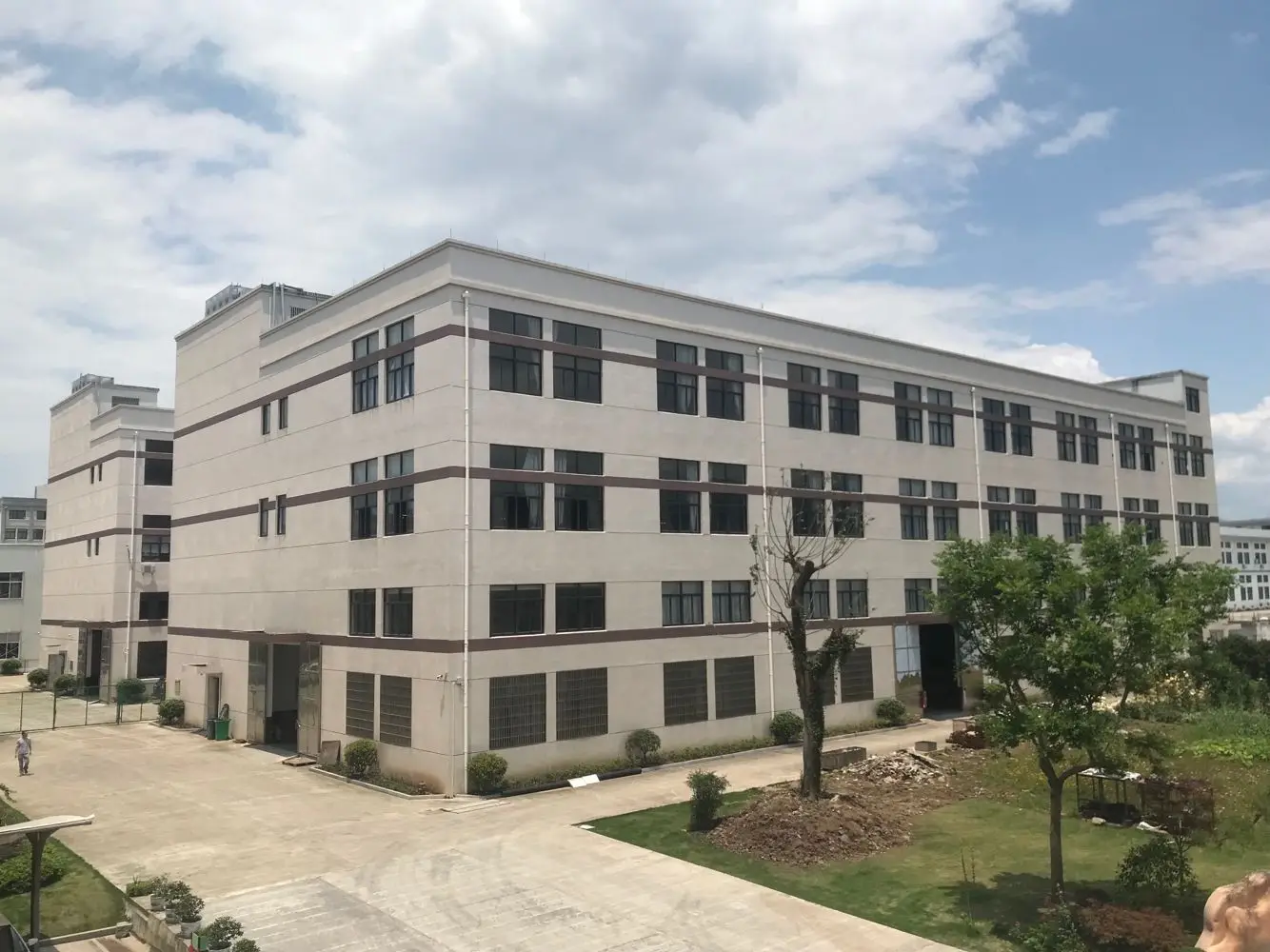
Hangzhou Kangxun Filter Technology Co., Ltd.
- Manufacturer, Trading Company
- Zhejiang, China
- Lead time0 days
- Avg. response≤ 16h
Main productsFilter Bag, Bilter Cartridge, Cpap Filter, PP Filter, PTFE Filter
Main marketsNorth America(30.00%), Domestic Market(20.00%), Western Europe(17.00%), Eastern Asia(10.00%), Eastern Europe(10.00%), Southern Europe(5.00%), Southeast Asia(5.00%), South America(2.00%), Northern Europe(1.00%), South Asia(0.00%), Oceania(0.00%), Central America(0.00%), Africa(0.00%), Mid East(0.00%)
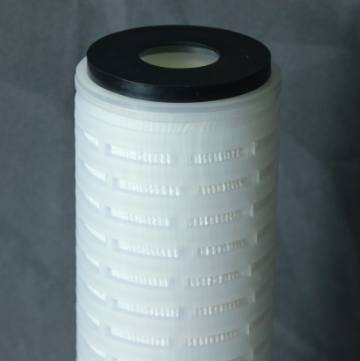
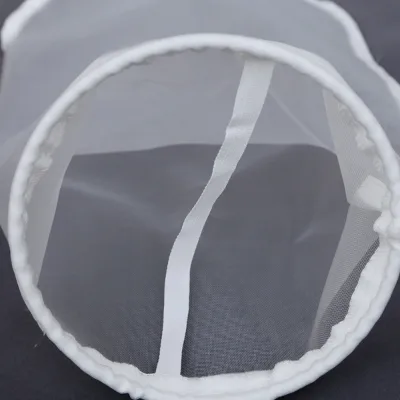
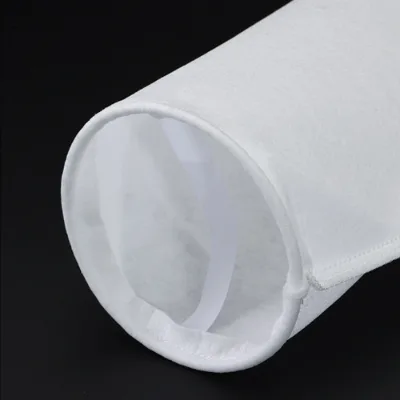
Customized PP Liquid Filter Bags Long Service for Medical Waste Water Treatment Machinery
$1.8446
MOQ: 100 Minimum
Shanghai Dazhang Environment Protection Equipment Co., Ltd.
- Verified by SGS Group
- Manufacturer, Trading Company
- Lead time30 days
- Avg. response≤ 2h
Main productsFilter Press, Filter Machine
Main marketsDomestic Market(80%), Eastern Europe(12%), Southeast Asia(4%)

Hebei Hanze International Trade Co., Ltd.
- Verified by TUVRHEINLAND
- Trading Company
- China Hebei
- Lead time15 days
- Avg. response≤ 6h
Main productsScreen Printing Products, Rotary Screen Printing Products, Tagging & Labeling Products, Spot Cleaning Products, Hat&Caps, Pet &Digital Printing Film, Acrylic &PVC Products, Diamond Tools for Drilling Cutting Grinding
Main marketsSouth America,Southeast Asia/ Mideast,East Asia(Japan/ South Korea),Europe,Australia,North America

Industrial Grade Liquid Bag Filter Housing Bag Filter for Liquid Filtration
$0.10 - $10.00
MOQ: 1 Pieces


Liquid Filter Bag Liquid Filter Bag Custom Low Price High Quality PP Liquid Filter Bag
$0.10 - $10.00
MOQ: 1 Pieces


- Verified by BV
- Combined
- China Shanghai
- Lead time23 days
- Avg. response≤ 7h
Main productsLiquid Filter Bag, Filter Cloth, Bag Filter Housing, Filter Bag Cage, Bag Filter, Dust Collector, Filter Cartridge, Dust Filter Bag, Air Filter Bag, Ndustry Filter
Main marketsSoutheast Asia/ Mideast
Henan Dazhang Filter Equipment Co., Ltd.
- Trading Company
- Henan, China
- Lead time21 days
- Avg. response≤ 2h
Main productsPlate and frame filter press,Chamber filter press,Membrane filter press,Stainless steel filter,Belt filter press
Main marketsDomestic Market(70.00%), Southeast Asia(10.00%), North America(9.00%), Eastern Europe(1.00%), South Asia(1.00%), Southern Europe(1.00%), Northern Europe(1.00%), Central America(1.00%), Western Europe(1.00%), Eastern Asia(1.00%), Mid East(1.00%), Oceania(1.00%), Africa(1.00%), South America(1.00%)

Wuxi Fengnuochang Electromechanical Technology Co., Ltd
- Verified by SGS
- Combined
- China Jiangsu
- Lead time15 days
- Avg. response≤ 2h
Main productsSelf Cleaning Filter
Main marketsDomestic
Jiangsu Doctop Filter System Co., Ltd.
- Manufacturer, Trading Company
- Jiangsu, China
- Lead time7 days
- Avg. response≤ 3h
Main productsFilter Machine,Bag Filter Machine,Automatic Self Cleaning Filter,Back Washing Filter Machine,Filter Element
Main marketsDomestic Market(10.00%), Mid East(10.00%), Western Europe(9.00%), Southern Europe(9.00%), Eastern Europe(9.00%), Northern Europe(8.00%), Central America(8.00%), South America(8.00%), South Asia(8.00%), North America(8.00%), Southeast Asia(8.00%), Eastern Asia(2.00%), Oceania(2.00%), Africa(1.00%)
Shanghai Filterbag Factory Co., Ltd
- Manufacturer, Trading Company
- Shanghai, China
- Lead time5 days
- Avg. response≤ 3h
Main productsLiquid Filter Bag,Dust Collection Bag,Liquid Filter Housing,Air Filter,Filter Fabric
Main marketsDomestic Market(22.00%), North America(20.00%), Southeast Asia(10.00%), Eastern Europe(10.00%), Northern Europe(5.00%), South America(5.00%), Western Europe(5.00%), Eastern Asia(5.00%), Mid East(5.00%), Southern Europe(5.00%), Africa(5.00%), Central America(1.00%), South Asia(1.00%), Oceania(1.00%)

Suzhou Huilong Purification Filter Co., Ltd.
- Verified by SGS
- Combined
- China Shanghai
- Lead time30 days
- Avg. response≤ 15h
Main productsFilter Bag, Water Filter Cartridge, Filter Cloth, Filter Bag Cage, Filter Housing
Main marketsDomestic

YIXING HUADING MACHINERY CO., LTD.
- Verified by TUVRHEINLAND
- Combined
- China Jiangsu
- Lead time60 days
- Avg. response≤ 7h
Main productsDisc Separator, Decanter Centrifuge, Centrifugal Separator, Mixer and Filter, Separator, Centrifuge, Refinery Line, Centrifugual Mixing Pump, Decanter, Horizontal Filter
Main marketsSouth America,Southeast Asia/ Mideast,East Asia(Japan/ South Korea),Domestic,Europe,Australia,North America
Wuxi Ewater Water Treatment Co., Ltd.
- Verified by TüVRheinland
- Manufacturer, Trading Company
- Lead time7 days
- Avg. response≤ 2h
Main productsFRP Tank, Filter Housing, Membrane Housing, Ro Plant, Ro Membrane
Main marketsMid East(24%), Southeast Asia(16%), North America(10%)
Hebei Ince Environmental Technology Co., Ltd.
- Verified by SGS Group
- Trading Company
- Lead time10 days
- Avg. response≤ 1h
Main productsFilter Cartridges, Filter Housing, Liquid Filter Bags, Swimming Pool Filter Bags, Dust Filter Bags
Main marketsSoutheast Asia(50%), Mid East(25%), North America(10%)
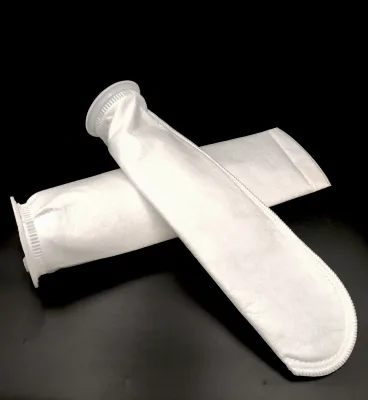
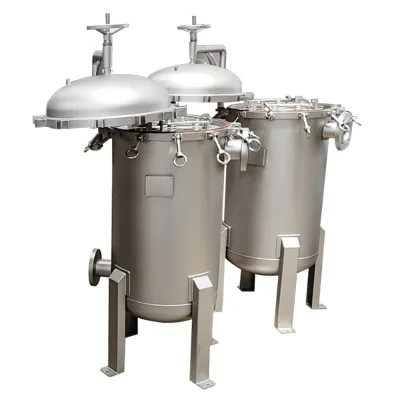
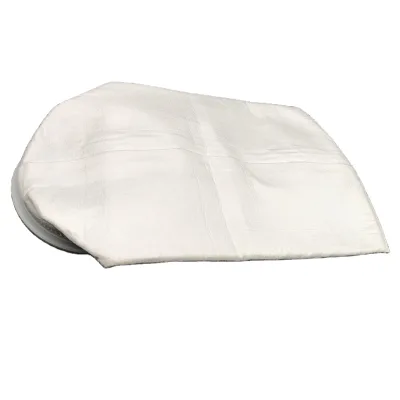
Reusable Liquid Filter Bags for High Capacity Industrial Applications
$4.105 - $5.1313
MOQ: 100 pieces

Shenzhen Hengrong Water Treatment Equipment Co., Ltd
- Verified by CTI
- Trading Company
- China Guangdong
- Lead time15 days
- Avg. response≤ 5h
Main productsWater Treatment Equipment Filter Water Puri, Water Purification Equipment, Reverse Osmosis Equipment, Integrated Sewage Equipment, Filter, Sanitary Storage Tanks, UV Sterilizer, Stirring The Can, Radiator, Mixing and Dosing Equipment
Main marketsAfrica,Domestic
- Trading Company
- Taiwan, China
- Lead time0 days
- Avg. response≤ 9h
Main productsSPONGE ROLLER,FILTER PRESS CLOTH,RUBBER ROLLER
Main marketsDomestic Market(80.00%), South Asia(10.00%), Southeast Asia(10.00%)
Guangdong Wuyang Jinglv Technology Co., Ltd.
- Verified by SGS Group
- Manufacturer, Trading Company
- Lead time30 days
- Avg. response≤ 3h
Main productsPleated Filter Element, Carbon Core, PP Filter Element, Wire-wound Filter Element, Filter Bags
Main marketsSoutheast Asia(20%), Africa(20%), North America(15%)

HEBEI OUTAI ENVIRONMENTAL PROTECTION EQUIPMENT CO., LTD.
- Verified by BV
- Combined
- China Hebei
- Lead time15 days
- Avg. response≤ 3h
Main productsBag Dust Collector, Dust Filter Bag, Bag Cage, Dust Separator, Bucket Elevator, Scraper Conveyor, Electrostatic Precipitator, Rotary Unloader, Dust Humidifier, Pulse Valve
Main marketsOthers(foreignTradeCapacity.exportBusinessCapacityMarketOther),Southeast Asia/ Mideast

Premium Industrial Bag Filters for Efficient Air and Liquid Filtration
$2980.00 - $3000.00
MOQ: 1 Pieces


Guangzhou Farrleey Filtration Co., Ltd.
- Manufacturer
- Guangdong, China
- Lead time7 days
- Avg. response≤ 2h
Main productsDust Filter Cartridge,Dust Filter Bag,Liquid Filter Bag,Filter Material,Pulse Value
Main marketsSouth Asia(12.50%), Western Europe(12.50%), Mid East(12.50%), Oceania(12.50%), Southeast Asia(12.50%), Eastern Europe(12.50%), South America(12.50%), North America(12.50%)
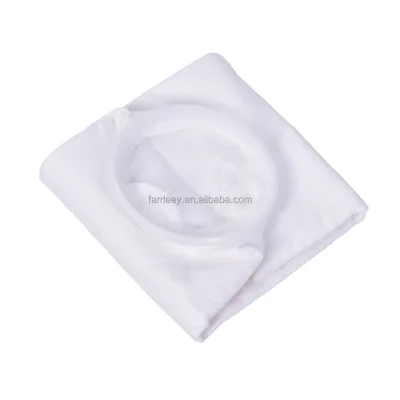
Durable Nylon Liquid Filter Bag for High-Efficiency Industrial Filtration
$4.50 - $6.00
MOQ: 20 pieces
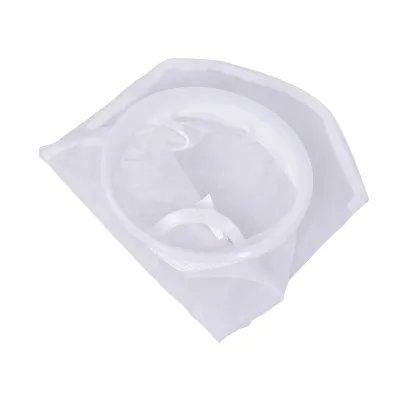
$2.45 - $2.50
Guangzhou Jielv Environment Technology Co., Ltd.
- Verified by Intertek
- Manufacturer, Trading Company
- Lead time15 days
- Avg. response≤ 3h
Main productsLiquid Filter Bags, Dust Filter Bag, Air Filter, Filter Housing, Filter cartridge
Main marketsNorth America(10%), South America(10%), Eastern Europe(10%)

Shanghai Vithy Filter System Co., Ltd.
- Verified by CTI
- Combined
- China Shanghai
- Lead time60 days
- Avg. response≤ 2h
Main productsIndustrial Fluid Filter, Air Filter, Automatic Candle Filter, Automatic Self-Cleaning Scraper Filter, Automatic Back-Flushing Mesh Filter, Automatic Tubular Back-Flushing Mesh Filter, Vertical Pressure Leaf Filter, Horizontal Pressure Leaf Filter, Precision Microporous Cartridge Filter, Cartridge Filter
Main marketsSoutheast Asia/ Mideast,Domestic,Europe
- Trading Company
- Henan, China
- Lead time7 days
- Avg. response≤ 2h
Main productshydraulic filter,fuel filter,water filter,gas filter,dust filter
Main marketsEastern Europe(60.00%), Africa(10.00%), Mid East(10.00%), Oceania(8.00%), North America(6.00%), Eastern Asia(3.00%), South America(3.00%)
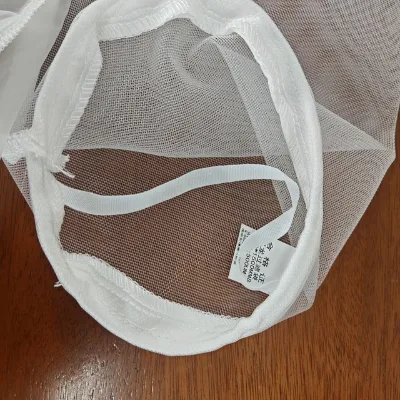
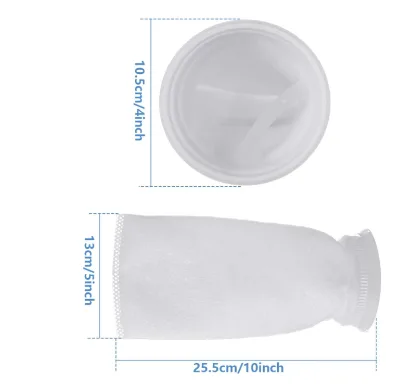
Nylon Material Industrial Grade Liquid Filter Bag for Precise Filtration of Liquids
$2.0525
MOQ: 99 Minimum
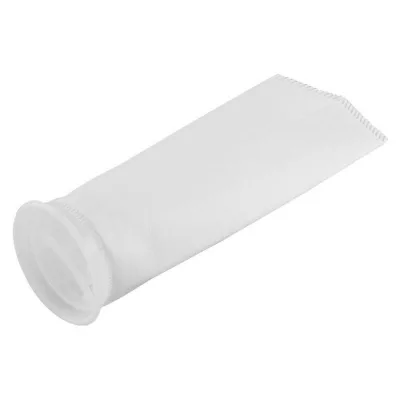
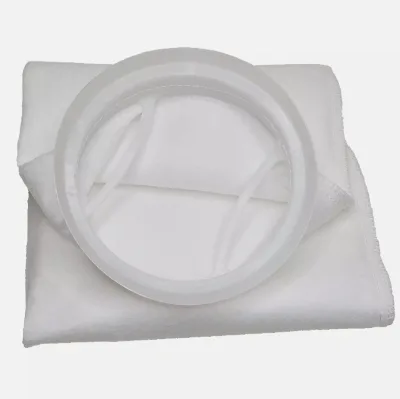
Corrosion-Resistant Liquid Wastewater Impurity Filter Bag for Industrial Processing
$2.0495
MOQ: 99 Minimum
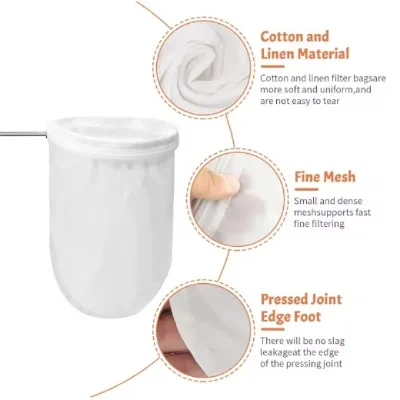
Nylon Liquid Filter Bag for Superior Efficiency in Various Industrial Applications New and Used
$0.6164 - $0.7181
MOQ: 100 pieces
Guangzhou Lvyuan Water Purification Equipment Co., Ltd.
- Manufacturer, Trading Company
- Guangdong, China
- Lead time10 days
- Avg. response≤ 6h
Main productsStainless Steel Filter Housing,Sintered PE Porous Filter,PP Melt Blown Filter Cartridge,Pleated Filter Cartridge,High Flow Filter Cartridge
Main marketsNorth America(40.00%), Western Europe(30.00%), Southeast Asia(15.00%), Mid East(15.00%)

Shanghai Aasf Technology Co., Ltd.
- Trading Company
- Shanghai, China
- Lead time10 days
- Avg. response≤ 3h
Main productsDust Filter bag,Filter cage,Solenoid valve,Pulsing timer controller,Connector
Main marketsCentral America(20.00%), Eastern Asia(20.00%), Africa(15.00%), Mid East(10.00%), Domestic Market(10.00%), Oceania(5.00%), Northern Europe(5.00%), Southeast Asia(5.00%), Western Europe(5.00%), North America(5.00%)
Shanghai Jingyun Machinery&equipment Co., Ltd.
- Trading Company
- Shanghai, China
- Lead time20 days
- Avg. response≤ 1h
Main productsdispersing machine,reactor,bead mill,mixer,emulsifier
Main marketsSoutheast Asia(15.00%), Africa(10.00%), South Asia(10.00%), Oceania(10.00%), South America(10.00%), Domestic Market(5.00%), North America(5.00%), Southern Europe(5.00%), Northern Europe(5.00%), Central America(5.00%), Western Europe(5.00%), Eastern Asia(5.00%), Mid East(5.00%), Eastern Europe(5.00%)
Xiamen R&j Filtration Co., Ltd.
- Manufacturer, Trading Company
- Fujian, China
- Lead time10 days
- Avg. response≤ 3h
Main productsFilter bag,Filter cartridge,Air Filter,Filter cloth,Liquid filter bag
Main marketsDomestic Market(63.00%), Mid East(15.00%), Eastern Europe(8.00%), Northern Europe(6.00%), Central America(5.00%), North America(3.00%)
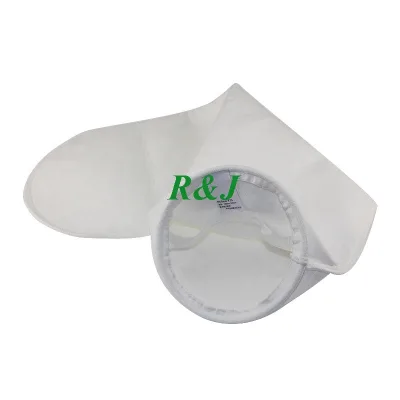
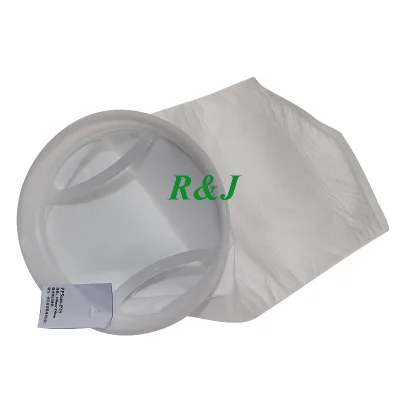
0.1um Liquid Filter Bag for PP Bag Filter Housing
MOQ: 1 Minimum
Anping County Jineng Metal Wire Mesh Products Co., Ltd.
- Manufacturer, Trading Company
- Hebei, China
- Lead time3 days
- Avg. response≤ 1h
Main productsSS Filter,Filter cartridge,Metal Basket,Filter element,Wire Mesh
Main marketsNorth America(25.00%), Southern Europe(10.00%), Central America(10.00%), Southeast Asia(10.00%), Eastern Europe(10.00%), South America(10.00%), Northern Europe(5.00%), Western Europe(5.00%), Eastern Asia(5.00%), South Asia(5.00%), Oceania(3.00%), Mid East(2.00%)

WENZHOU LENO MACHINERY CO., LTD.
- Verified by BV
- Trading Company
- China Zhejiang
- Lead time30 days
- Avg. response≤ 12h
Main productsMixing Tank, Distillation Equipment, Pump, Filter, Filling Machine, Vacuum Evaporator, Mixing Equipment
Main marketsSouth America,Africa,Southeast Asia/ Mideast,Europe,North America













Comprehensive Sourcing Guide
Industrial Liquid Bag Filter Supplier Concentration and Factory Types
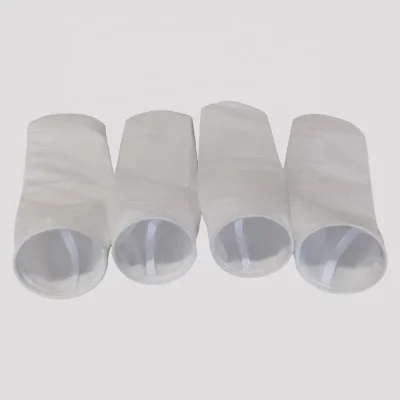
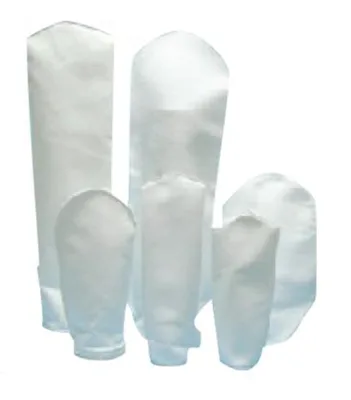
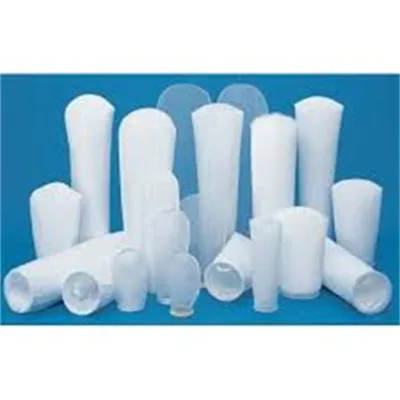
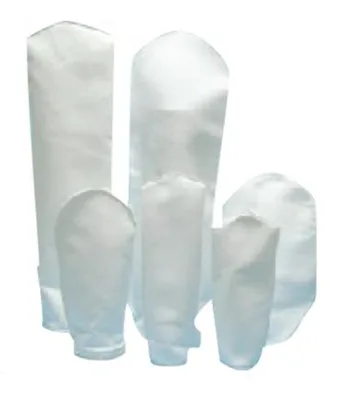
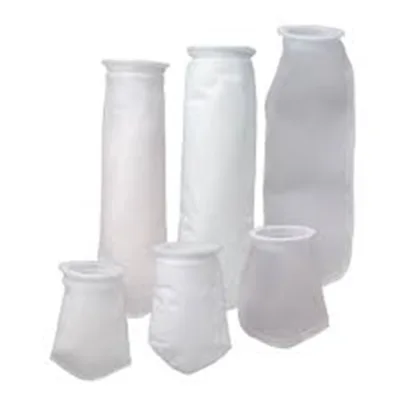
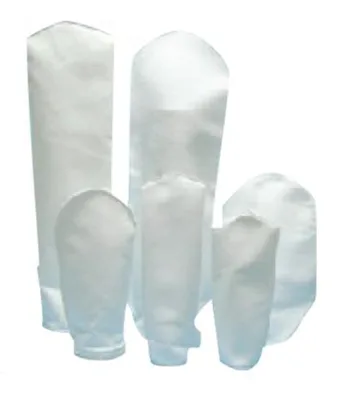
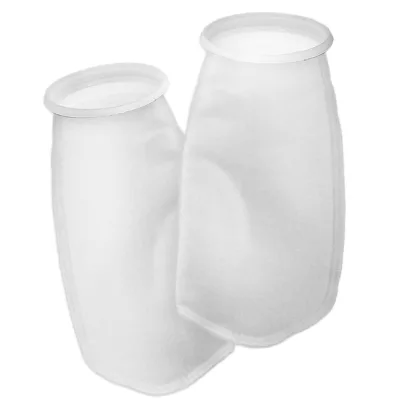
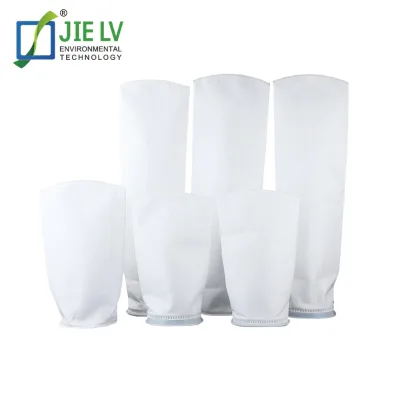
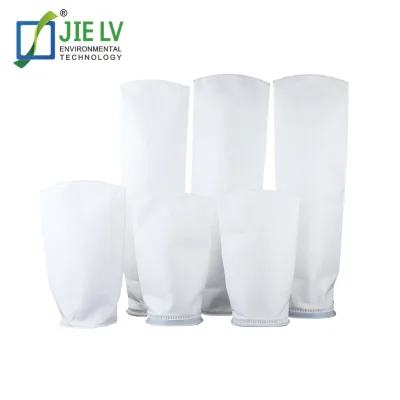
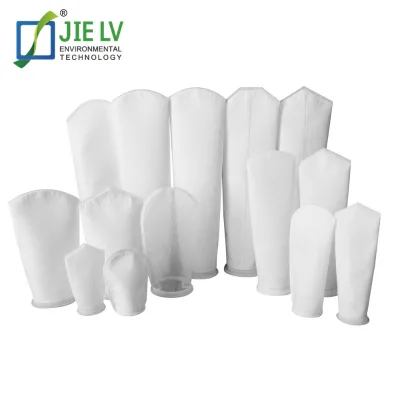
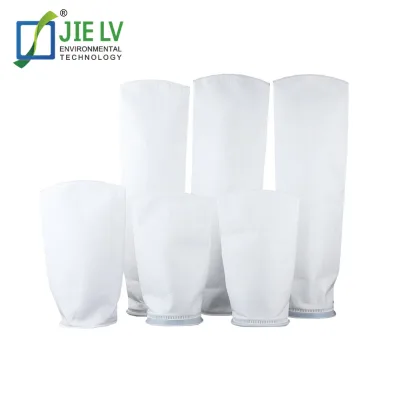
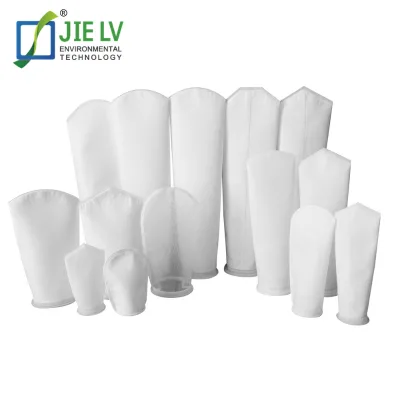
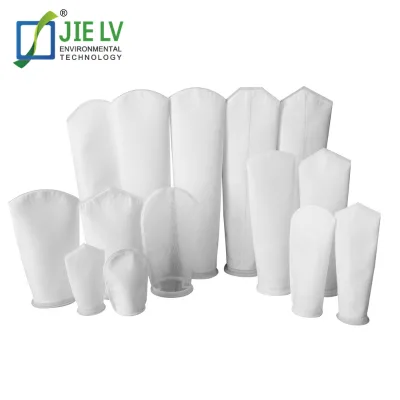
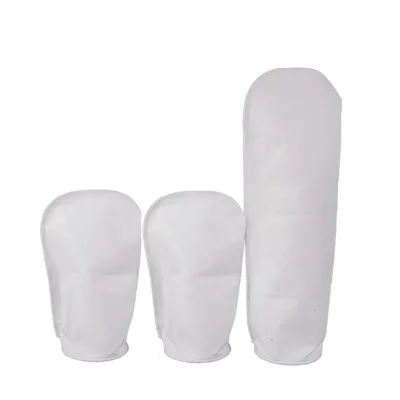
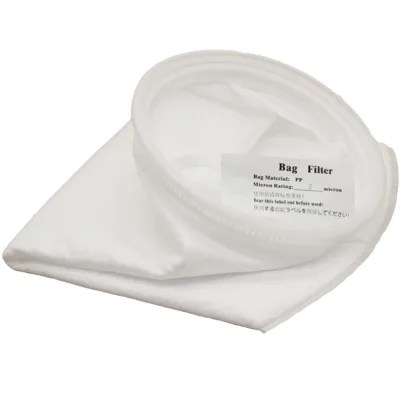
The current supplier landscape for industrial liquid bag filters reveals a distinct concentration of manufacturing and trading entities within Zhejiang, China. This regional clustering suggests a mature supply chain ecosystem where raw materials, such as polypropylene and nylon, are readily accessible to producers. Buyers evaluating this market should note that the primary output includes various filter bags, cartridges, and specialized elements like CPAP and PP filters. The presence of both manufacturers and trading companies in this zone indicates a diverse range of sourcing options, from direct factory orders to consolidated procurement through intermediaries. Understanding this geographic concentration helps buyers anticipate logistics patterns and potential lead time variations based on local infrastructure capabilities.
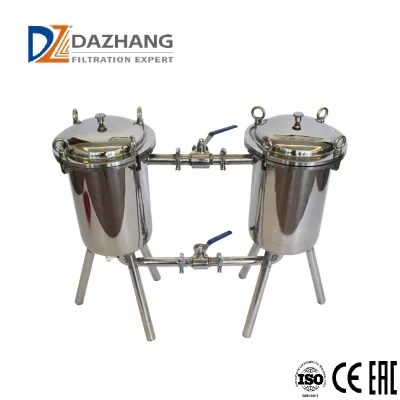
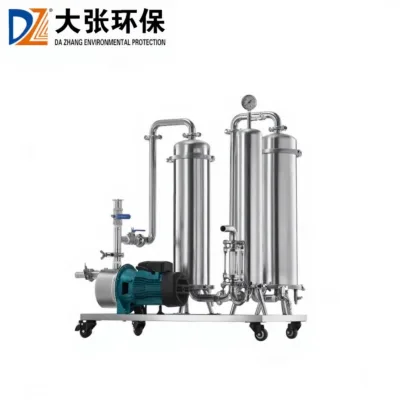
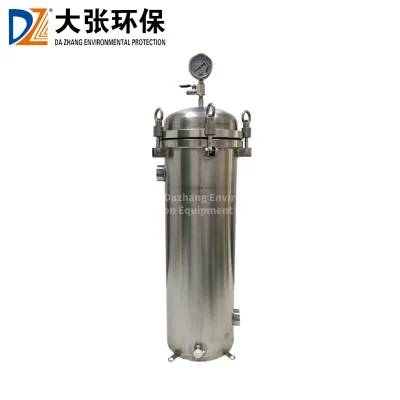
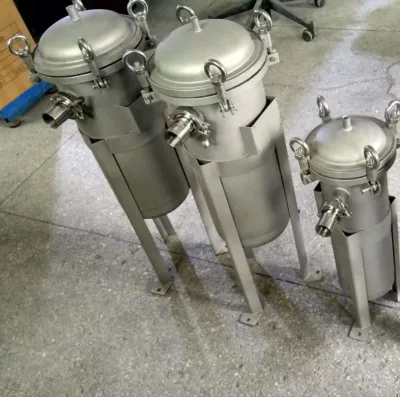
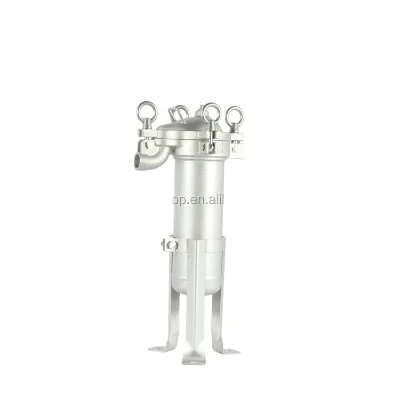
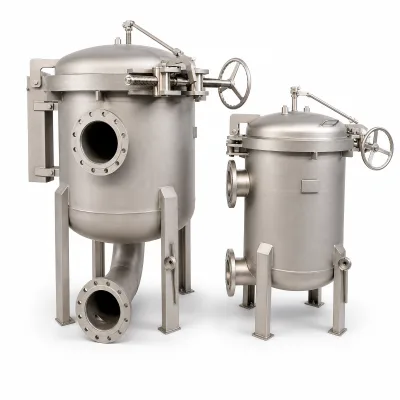
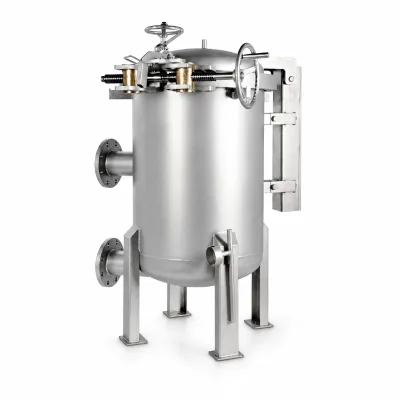
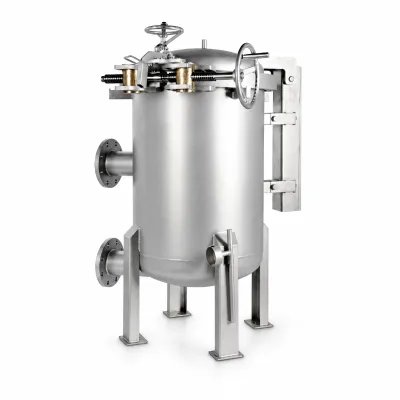
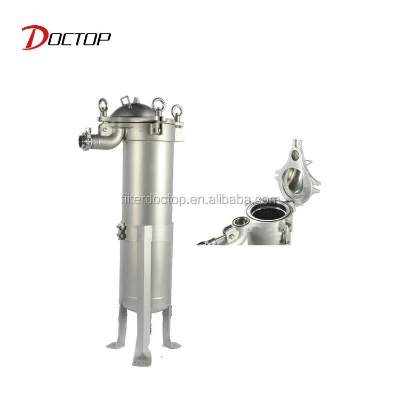
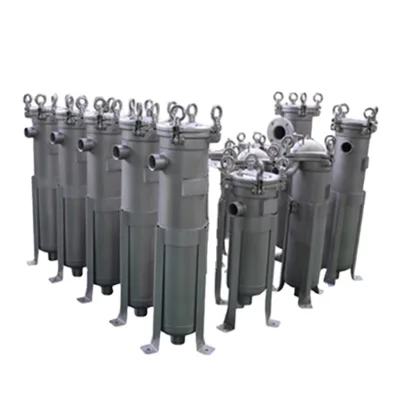
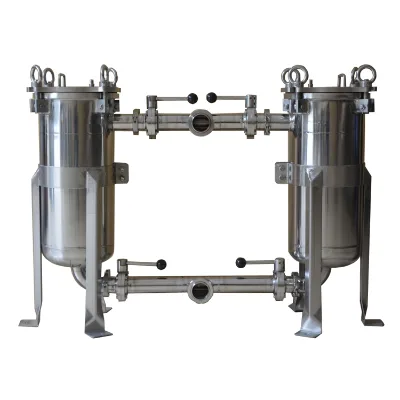
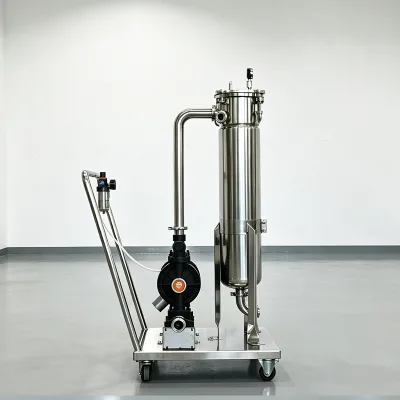
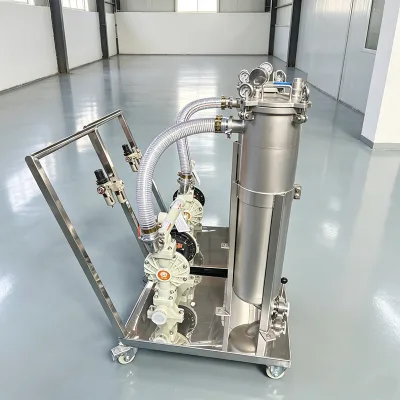
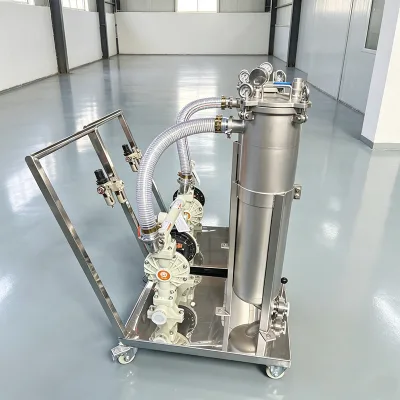
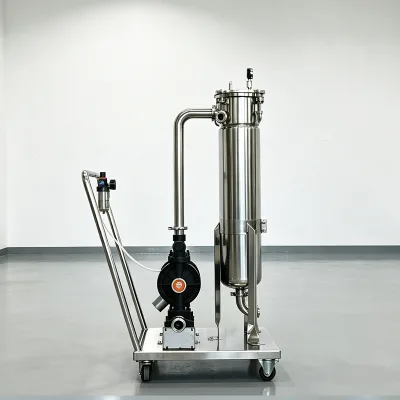
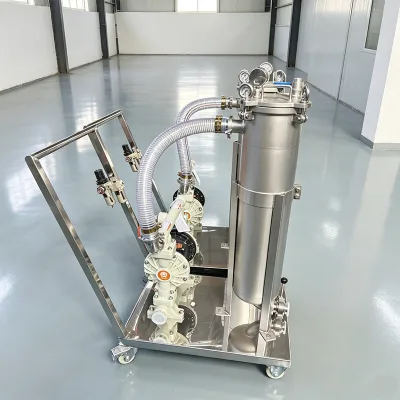
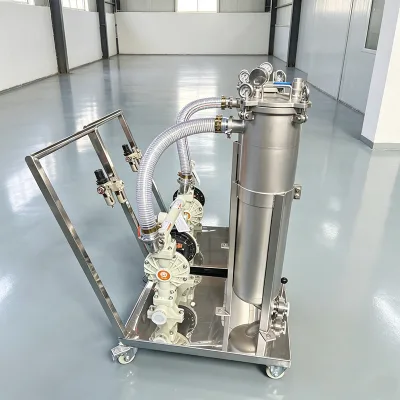
Beyond Zhejiang, the results also highlight suppliers operating in Shanghai, China, particularly those focusing on larger, multifunctional duplex filter bag systems. These entities often position themselves as providers of complete industrial filtration machinery rather than just consumable bags. The distinction between a pure component manufacturer and a machinery integrator is crucial for buyers seeking specific solutions. Some suppliers offer customized processing capabilities, including graphic processing and sample production, which signals a higher level of engineering support. This variety in factory types allows buyers to match their specific operational needs, whether they require high-volume consumables or complex, high-capacity filtration units with integrated pumps and control systems.
How to Verify Industrial Liquid Bag Filter Suppliers
Verification is a critical step when assessing potential partners for industrial liquid bag filters, as product quality directly impacts downstream processing efficiency. Buyers should prioritize suppliers who provide tangible evidence of their operational standards, such as machinery test reports and video outgoing-inspection documentation. In the current results, some suppliers explicitly state that these reports are provided, while others list them as not available. This discrepancy serves as a key differentiator; suppliers offering comprehensive verification materials demonstrate a commitment to transparency and quality control. Buyers must actively request these documents to ensure that the filtration accuracy, such as the specified 150 um or 10 um ratings, is consistently met across production batches.
Another vital aspect of verification involves checking for established system certifications and third-party group verifications. The data indicates that certain suppliers hold ISO 9001, ISO14001, and ISO45001 certifications, along with CE marking, which are essential for compliance in many international markets. Additionally, some suppliers have undergone verification by SGS Group, providing an external layer of trust regarding their business legitimacy and product claims. Buyers should not assume all suppliers possess these credentials but should use them as a benchmark for due diligence. Confirming these certifications ensures that the supplier adheres to recognized quality management and environmental standards, reducing the risk of sourcing from non-compliant or unreliable entities.
What to Compare Across Industrial Liquid Bag Filter Suppliers
When comparing suppliers, buyers must evaluate a range of operational metrics, including response time, lead time, and minimum order quantities. The observed data shows significant variation in these areas, with some suppliers responding within two hours and others taking up to sixteen hours. Lead times also differ, ranging from zero days for immediate stock items to thirty days for customized or larger machinery orders. These differences can significantly impact project timelines and inventory management strategies. Buyers should align their sourcing decisions with their urgency requirements, selecting faster-responding suppliers for urgent replenishment and longer-lead suppliers for planned, large-scale procurement projects.
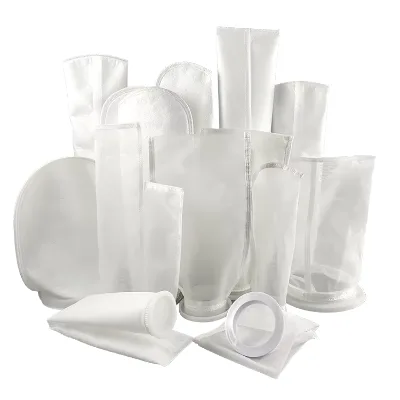
Product specifications and pricing structures are equally important comparison points. The market offers a wide spectrum of products, from simple nylon and polypropylene filter bags with low minimum order quantities to complex duplex filter systems with high price points. For instance, basic filter bags may have an MOQ of 100 units, while industrial machinery might require different purchasing terms. Prices also vary, with some items listed at specific price points while others may require negotiation. Buyers should compare not just the unit price but also the warranty periods, which range from three months to one and a half years, and the filtration accuracy ranges, which can span from 0.2 to 200 microns. This holistic comparison ensures that the selected supplier offers the best value proposition for the specific technical requirements of the buyer’s application.
Common Industrial Liquid Bag Filter Sourcing Risks
One of the primary risks in sourcing industrial liquid bag filters is the inconsistency in product specifications and performance claims. Without rigorous verification, buyers may receive products that do not meet the stated filtration accuracy or material durability standards. For example, a supplier might claim a 10 um filtration accuracy, but without provided machinery test reports, this claim remains unverified. This discrepancy can lead to process failures, increased maintenance costs, and product contamination in the buyer’s facility. To mitigate this risk, buyers must insist on detailed technical documentation and, if possible, conduct independent testing of sample orders before committing to large-scale purchases.
Another significant risk involves the reliability of supply chain commitments, particularly regarding lead times and warranty support. Suppliers with longer lead times or those operating as trading companies may face delays in sourcing raw materials or coordinating production. Additionally, warranty terms vary widely, with some suppliers offering only three months of coverage while others provide up to a year and a half. Inadequate warranty support can leave buyers vulnerable to unexpected costs if the filters or machinery fail prematurely. Buyers should carefully review the warranty conditions and ensure that the supplier has a clear process for handling claims and replacements, thereby protecting their operational continuity and financial interests.
Industrial Liquid Bag Filter Regional Sourcing and Logistics
Sourcing from regions like Zhejiang and Shanghai offers logistical advantages due to their status as major industrial hubs in China. These areas are well-connected to global shipping routes, facilitating efficient export of both small filter bags and large filtration machinery. Buyers should consider the proximity of suppliers to major ports when calculating total landed costs, as transportation fees can significantly impact the final price. Additionally, the concentration of suppliers in these regions often leads to competitive pricing and faster turnaround times for standard items. However, buyers must also account for potential customs clearance delays and ensure that all export documentation is accurately prepared to avoid disruptions in the supply chain.
Logistics planning should also consider the physical dimensions and weight of the products, as these factors influence shipping costs and handling requirements. For instance, industrial duplex filter systems can be substantial in size and weight, requiring specialized packaging and freight arrangements. The data indicates that some units have significant package sizes and weights, which necessitates careful planning for inland transportation and warehouse storage. Buyers should work closely with their suppliers to determine the most cost-effective shipping methods, whether by sea or air, based on the urgency of the order and the volume of goods. Proper logistics planning ensures that products arrive in good condition and on time, supporting smooth operational integration.
Industrial Liquid Bag Filter Commercial Terms and Order Planning
Effective order planning requires a clear understanding of commercial terms, including pricing, payment conditions, and customization options. The current market shows a range of pricing structures, from fixed prices for standard items to potentially negotiable rates for customized solutions. Buyers should establish clear communication channels with suppliers to discuss volume discounts and long-term partnership benefits. Additionally, understanding the customization capabilities of suppliers is crucial for buyers with specific technical requirements. Many suppliers offer customized dimensions, materials, and filtration accuracies, allowing for tailored solutions that meet precise operational needs.
Payment terms and escrow services play a vital role in securing transactions and protecting buyer interests. Buyers should inquire about the availability of secure payment methods and escrow services to ensure that funds are only released upon satisfactory delivery of goods. This protection is particularly important for large orders or first-time transactions with new suppliers. Furthermore, buyers should plan for potential variations in order quantities, as some suppliers have strict minimum order quantities while others offer more flexible terms. By aligning order planning with supplier capabilities and commercial terms, buyers can optimize their procurement strategy, reduce costs, and ensure a steady supply of high-quality industrial liquid bag filters.
FAQs
What is the price range for industrial liquid bag filters?
Prices for industrial liquid bag filters typically range from approximately $1.84 to $5,020 depending on the specific type and capacity. Basic nylon or polypropylene filter bags are available at lower price points, while larger duplex or dual filter systems command higher costs. Buyers should check the specific product listing for the exact unit price and minimum order quantity requirements.
What materials are commonly used for these filters?
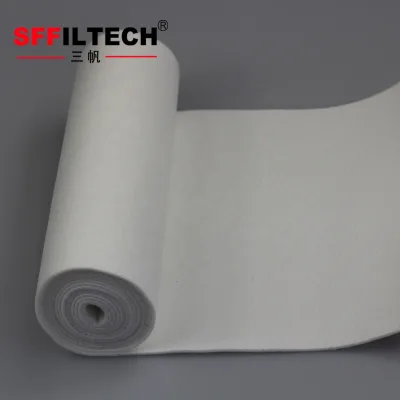
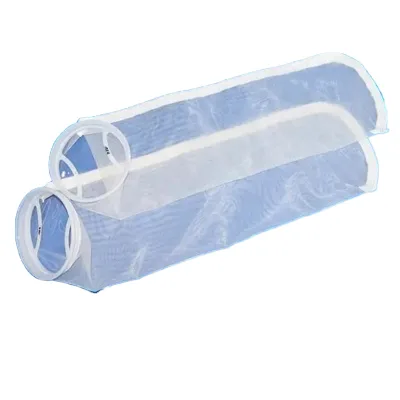
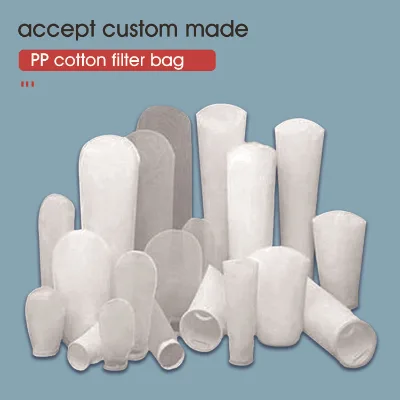
Common materials include nylon, polypropylene, and PP for filter bags and cartridges. Some industrial units also utilize PTFE or CPAP filter media. The core material choice depends on the chemical compatibility and filtration accuracy required for the specific liquid being processed. Buyers should verify the material specifications against their fluid compatibility needs before ordering.
What is the typical lead time for these products?
Lead times vary significantly by product type. Some standard filter bags may have a lead time of zero days, while larger industrial machinery like duplex filters often require around 30 days for production and preparation. Buyers should confirm the specific lead time with the supplier before placing an order to ensure it aligns with their project schedule.
What filtration accuracy levels are available?
Filtration accuracy ranges widely, from coarse options like 150 or 200 microns for nylon bags to fine precision of 10 microns for polypropylene bags. Industrial duplex systems can offer a broad range of 0.2 to 200 microns. Buyers must select the appropriate micron rating based on the particle size and purity requirements of their specific industrial application.
What certifications do these suppliers hold?
Many suppliers hold ISO 9001, ISO 14001, ISO 45001, and CE certifications. Some products also come with provided machinery test reports and video outgoing inspections. Buyers should verify the specific certification documents and test reports for the exact product to ensure compliance with their industry standards and quality requirements.
What is the minimum order quantity for these items?
Minimum order quantities vary by product. Standard filter bags may have an MOQ of 100 pieces, while other items like PP filter elements might require a minimum of 500 units. Buyers should check the specific product listing for the exact MOQ to determine the total cost and feasibility for their initial procurement needs.