Source Plated Enamel Pin for Hats from China Suppliers
Find 30 Plated Enamel Pin for Hats options from Guangdong manufacturers. Compare metal materials like zinc alloy and brass, plating finishes, and custom shapes. Ideal for business gifts, souvenirs, and organization badges with fast delivery; compare the available evidence and request quotations based on your requirements.
Updated
Key considerations
Products List




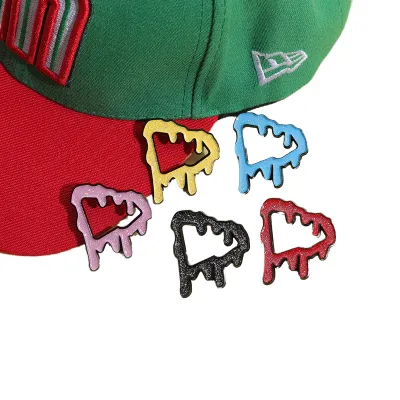
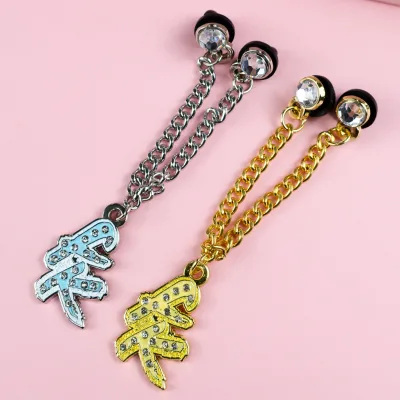
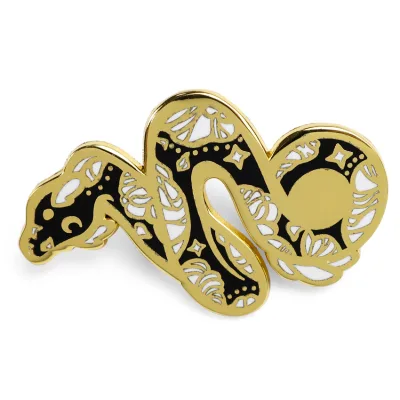
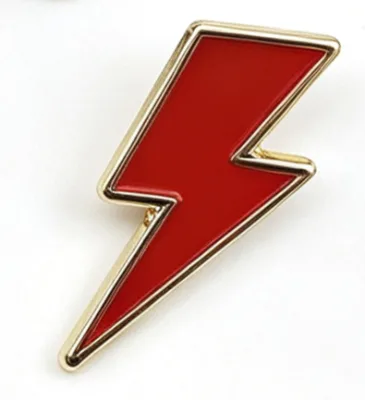
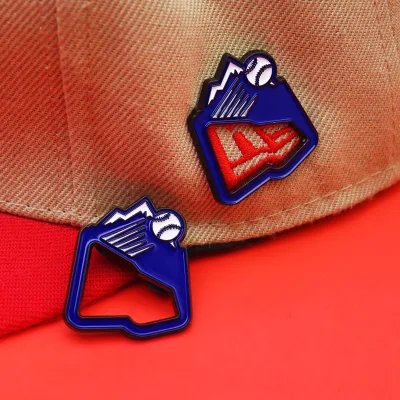

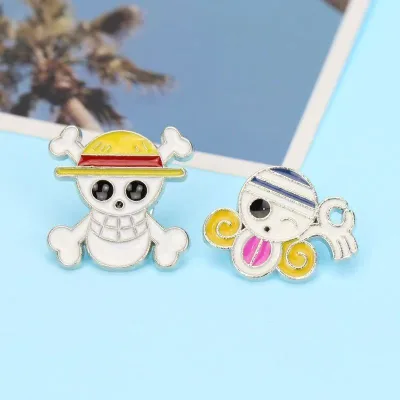
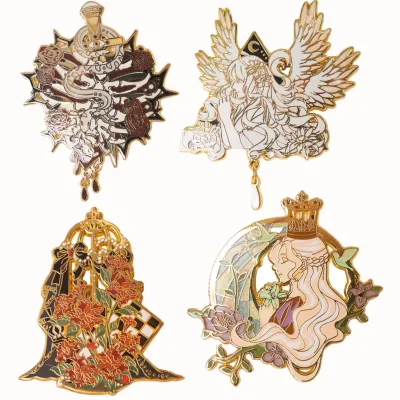
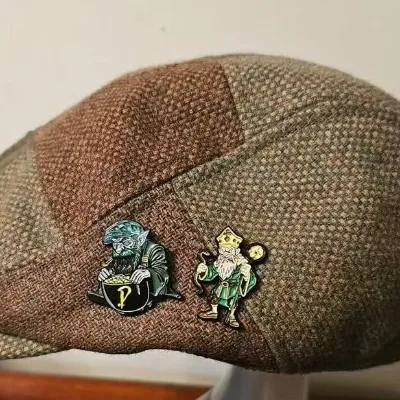


Comprehensive Sourcing Guide
Plated Enamel Pin for Hats Sourcing Guide
Procuring plated enamel pins for hats requires a strategic approach to balancing aesthetic appeal with functional durability. Buyers must recognize that these accessories serve as prominent branding tools, often subjected to friction and environmental exposure. The core value lies in the precision of the metal plating and the clarity of the enamel fill, which together define the product’s perceived quality. Sourcing decisions should prioritize suppliers who demonstrate consistent control over these visual and tactile elements, ensuring that the final product aligns with brand identity standards.
This guide focuses on evidence-based verification steps rather than speculative market trends. It emphasizes the importance of understanding material compositions, such as zinc alloy or brass, and the specific plating techniques used, including silver or gold electroplating. By adhering to strict verification protocols, procurement teams can mitigate risks associated with color mismatch, plating wear, or structural failure. The following sections provide a structured framework for evaluating suppliers, validating technical specifications, and establishing robust commercial terms for long-term success.
Product Scope and Observed Listing Signals
The market for custom pins reveals a diverse range of product types, including lapel pins, organization badges, and general pin badges. Observed listings indicate that these items are frequently categorized under keywords like "enamel pin for bag" or "custom pin," suggesting versatility in application beyond just headwear. Buyers should note that product attributes often include customized shapes and sizes, allowing for unique brand representations. The presence of various styles, from traditional and religious to modern and patriotic, highlights the broad customization capabilities available in the current supply chain.
Listing signals also point to specific manufacturing techniques, such as casting and enamel application, which are critical for determining the final product’s texture and durability. Attributes like "soft enamel" and "hard enamel" indicate different finishing processes that affect both cost and visual depth. Additionally, the availability of custom logos through methods like laser engraving or embossing suggests that buyers can achieve high levels of brand specificity. Understanding these listing signals helps in filtering suppliers who possess the necessary technical infrastructure to deliver complex designs with precision and consistency.
Technical Specifications to Verify
Verifying technical specifications is paramount to ensuring the pin meets functional requirements for hat attachment. Key attributes to confirm include the material composition, which often involves metal, zinc alloy, aluminum, or brass, as these determine the pin’s weight and structural integrity. The thickness of the pin, typically ranging from 1.5 to 3mm, influences its durability and resistance to bending. Buyers must also verify the attachment mechanism, such as safety pins or clutch backs, to ensure secure fastening to various hat fabrics without causing damage or slipping during wear.
Plating quality is another critical specification, with options like silver, gold, or general electroplating affecting both appearance and corrosion resistance. The printing technique, whether letterpress, UV printing, or enamel filling, dictates the clarity and longevity of the design. Additionally, the single package size and gross weight are important for logistics planning, with standard dimensions often around 10x10x10 cm per unit. Confirming these details with suppliers ensures that the physical properties of the pins align with the intended use case, preventing issues related to weight, bulk, or attachment failure.
Compliance and Safety Documentation
While specific certification statuses are not universally listed, buyers must proactively request documentation to ensure product safety and regulatory compliance. This includes verifying that materials used, such as metals and enamel, are free from harmful substances like lead or nickel, which is crucial for products worn on the head. Suppliers should be asked to provide test reports from accredited laboratories to confirm adherence to international safety standards, such as REACH or CPSIA, depending on the target market. This due diligence protects the brand from potential liability and ensures consumer safety.
Furthermore, compliance extends to environmental considerations, as many buyers prioritize eco-friendly manufacturing processes. Inquiring about the sustainability of the plating solutions and the recyclability of the metal components can enhance the brand’s corporate social responsibility profile. Buyers should also verify that the supplier follows proper waste management practices during production. By demanding transparent compliance documentation, procurement teams can mitigate risks associated with regulatory violations and align their sourcing strategy with evolving environmental and safety expectations in the global market.
Cost Drivers and Commercial Terms
Several factors influence the cost structure of plated enamel pins, with material choice and plating type being primary drivers. Precious metal platings, such as gold or silver, naturally incur higher costs compared to standard electroplating. The complexity of the design, including the number of colors and the intricacy of the shape, also impacts pricing due to increased labor and tooling requirements. Buyers should expect price variations based on these technical specifications, with more detailed and durable finishes commanding a premium. Understanding these cost drivers allows for more accurate budgeting and negotiation strategies.
Commercial terms, including minimum order quantities (MOQ) and payment methods, significantly affect the procurement process. Observed MOQs can range widely, requiring buyers to align order volumes with their inventory needs and cash flow constraints. Payment options typically include T/T, PayPal, Western Union, L/C, and credit cards, offering flexibility but also varying levels of security. Lead times, often cited as 7-10 days for sampling and 12-15 days for production, must be factored into supply chain planning. Clear communication regarding these terms helps in establishing realistic expectations and avoiding delays or unexpected costs.
Supplier Qualification and Quality Control
Qualifying suppliers requires a thorough assessment of their manufacturing capabilities and quality control processes. Buyers should verify the supplier’s experience in producing custom pins, particularly those with complex shapes or specific plating requirements. Requesting samples is essential to evaluate the quality of the enamel fill, the precision of the metal edges, and the durability of the plating. Suppliers with a proven track record of delivering consistent quality across multiple orders are preferable, as they demonstrate reliability and operational maturity. This step minimizes the risk of receiving substandard products that could damage the brand’s reputation.
Quality control measures should be explicitly defined in the purchase agreement, including inspection criteria for color accuracy, plating thickness, and attachment strength. Buyers may consider implementing third-party inspections during production or before shipment to ensure compliance with agreed-upon standards. Additionally, verifying the supplier’s ability to handle customization requests, such as logo placement and packaging preferences, is crucial for maintaining brand consistency. By establishing rigorous qualification and QC protocols, procurement teams can ensure that the final products meet their exact specifications and quality expectations.
Long-Term Procurement Checks
Establishing long-term procurement relationships involves continuous monitoring of supplier performance and market dynamics. Regular audits of the supplier’s production facilities and quality control systems help maintain high standards over time. Buyers should also track changes in material costs and plating technologies, which can impact pricing and product availability. Staying informed about industry trends, such as new eco-friendly materials or innovative attachment mechanisms, allows for proactive adjustments to sourcing strategies. This ongoing engagement ensures that the supply chain remains competitive and responsive to changing market demands.
Additionally, fostering open communication with suppliers facilitates collaborative problem-solving and innovation. Regular feedback on product performance and customer satisfaction can drive continuous improvement in design and manufacturing processes. Buyers should also diversify their supplier base to mitigate risks associated with single-source dependencies. By maintaining a strategic approach to supplier management, procurement teams can secure a reliable supply of high-quality plated enamel pins, supporting long-term brand growth and customer satisfaction. This proactive stance ensures resilience and adaptability in a dynamic sourcing environment.
FAQs
What materials are used for these custom pins?
These custom pins are crafted from metal, specifically zinc alloy, aluminum, or brass. The material choice allows for durable construction and detailed design work. Buyers can select the base metal that best suits their budget and aesthetic requirements for the final product.
Can I get a customized logo on the pin?
Yes, customized logos are available for these products. You can choose from soft enamel, hard enamel, embossed, or laser techniques to apply your design. This flexibility ensures your brand identity is accurately represented on the final badge or souvenir item.
What is the typical delivery time for production?
The typical delivery time is 12-15 days for production after sampling. Sampling itself takes 7-10 days. This timeline allows for quality checks and manufacturing adjustments before the final batch is shipped to the buyer for their specific business or gift needs.
How are these pins packaged for shipping?
These pins are packaged in bubble bags, plastic, velvet boxes, or poly bags. The single package size is 10x10x10 cm with a gross weight of 0.5 kg. This packaging protects the items during transit via sea, air, or courier services like DHL or FedEx.
What plating options are available for the pins?
Available plating options include silver-plated, gold, and general electroplating finishes. These finishes enhance the visual appeal and durability of the metal base. Buyers can select the plating that matches their design theme, whether for religious, sports, or fashion applications.
What is the minimum order quantity for these items?
The minimum order quantity ranges from 5 to 1000 units depending on the supplier and specific customization requirements. This flexible MOQ allows both small businesses and large organizations to order suitable quantities for gifts, souvenirs, or organizational badges without excessive inventory pressure.