Source Moldboard Plows for Agriculture, Forestry, and Fisheries
Find and compare 30 moldboard plow options from Chinese suppliers. These agricultural tools feature iron and steel construction with CE certification. Buyers can evaluate specifications like working width, weight, and power source to select the right equipment for soil preparation tasks.
Key considerations
Products List

$72.00 - $80.00
MOQ: 500 Pieces


Share Plow Plough 1L-220 Moldboard Plow Tractor Mounted Mouldboard Plough
$60.00 - $80.00
MOQ: 200 Pieces


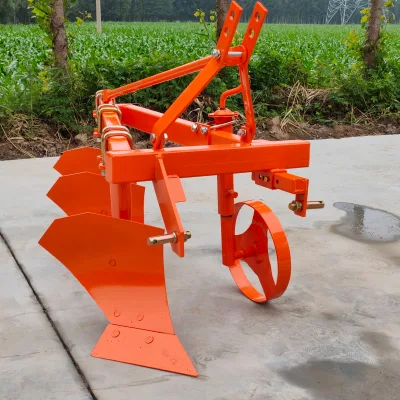


Agricultural Moldboard Plough Farmland Tillage Farming Tools Furrow Plow
$199.00 - $499.00
MOQ: 1 Pieces
Comprehensive Sourcing Guide
Plow Mouldboard Sourcing Guide
Sourcing a mouldboard plow requires careful evaluation of mechanical configurations and operational compatibility with existing farm equipment. Buyers must distinguish between animal-powered and tractor-mounted variants, as the power source dictates the structural integrity and linkage requirements of the unit. The observed market includes both horizontal and vertical axis arbor configurations, which significantly influence how the plow interacts with soil layers and handles traction forces during continuous operation. Understanding these mechanical distinctions is the first step in aligning procurement with specific field conditions and labor capabilities.
Commercial listings reveal a wide variance in specifications, from lightweight units weighing approximately 35 kg to heavy-duty models exceeding 330 kg. This disparity often correlates with the matched power requirements, where some units are designed for smaller tractors while others require substantial horsepower to maintain optimal working depth. Procurement teams should verify the working width and depth parameters against their agronomic needs, ensuring that the selected mouldboard plow can effectively prepare the soil without causing excessive strain on the towing vehicle or compromising fuel efficiency during large-scale agricultural operations.
Product Scope and Observed Listing Signals
The current market landscape for mouldboard plows presents a diverse array of options, primarily originating from manufacturing hubs in China, with specific concentrations in Shandong Province and Qingdao. Listings indicate that suppliers offer customization services, including logo branding and specific color finishes such as green or red, which may appeal to fleet uniformity or regional branding strategies. The presence of OEM capabilities suggests that buyers can request tailored modifications to standard designs, allowing for greater flexibility in meeting unique operational demands or integrating with specialized agricultural machinery setups.
Observed product attributes highlight a strong emphasis on durability, with materials predominantly consisting of iron and steel, treated through shot blasting and paint spraying processes to resist corrosion and wear. The application fields span agriculture, forestry, livestock, and aquaculture, indicating the versatility of these machines across different rural industries. However, buyers should note that while some listings mention traction types like hanging or traction-based systems, others specify three-point linkage connections, necessitating a clear understanding of the tractor’s hydraulic and mechanical interface before finalizing any purchase agreement.
Technical Specifications to Verify
Verifying the technical specifications of a mouldboard plow is critical to ensuring seamless integration with existing farm infrastructure. Buyers must confirm the linkage type, particularly whether the unit utilizes a standard three-point linkage system compatible with the tractor’s category. Additionally, the working width and depth parameters should be meticulously checked against soil conditions and crop requirements. For instance, some models offer a working width of 1200 mm with a depth range of 220-270 mm, which may be suitable for specific soil types but insufficient for deeper tillage needs, making precise measurement verification essential for operational success.
The power source and matched horsepower requirements are equally important technical factors that influence performance and longevity. Units designed for animal labour differ significantly in construction from those requiring tractor power, with the latter often needing a matched power of around 70 HP to operate effectively. Buyers should also inspect the arbor configuration, distinguishing between horizontal and vertical shaft designs, as this affects the plow’s stability and ease of maintenance. Confirming these details prevents mismatches between the plow and the towing vehicle, ensuring efficient soil preparation and reducing the risk of mechanical failure during critical planting seasons.
Compliance and Safety Documentation
Compliance with international standards is a vital consideration when importing agricultural machinery, particularly for buyers targeting regulated markets in Europe or other regions with strict safety protocols. Many suppliers provide certifications such as CE, EU, and ECE, which indicate adherence to specific safety and environmental directives. Buyers must verify the authenticity and scope of these certifications, ensuring that the documentation covers the specific model and configuration being purchased. This verification process helps mitigate legal risks and ensures that the machinery can be legally operated and insured in the destination country without regulatory hurdles.
Beyond certifications, buyers should request detailed safety manuals and operational guidelines that outline proper usage, maintenance schedules, and hazard mitigation strategies. These documents are essential for training farm staff and ensuring that the mouldboard plow is operated safely, reducing the risk of accidents and extending the equipment’s lifespan. Additionally, understanding the loading ports and origin details, such as Qingdao or Yucheng, can help buyers anticipate logistical challenges and ensure that the supplier’s compliance documentation aligns with local import regulations, facilitating smoother customs clearance and delivery processes.
Cost Drivers and Commercial Terms
The cost of a mouldboard plow is influenced by several factors, including material quality, manufacturing processes, and customization options. Units made from high-quality steel and subjected to rigorous surface treatments like shot blasting and paint spraying typically command higher prices due to their enhanced durability and resistance to environmental wear. Buyers should also consider the weight and size of the plow, as heavier and larger models often require more raw materials and complex casting processes, which can increase production costs and, consequently, the final purchase price.
Commercial terms such as minimum order quantity (MOQ) and packaging methods also play a significant role in the overall procurement cost. While some suppliers offer low MOQs, others may require bulk purchases, which can affect inventory management and cash flow. Packaging options, ranging from pallets to iron net boxes, impact shipping costs and protection during transit. Buyers should negotiate clear terms regarding these variables, ensuring that the total landed cost aligns with their budget and that the packaging is sufficient to prevent damage during international shipping, thereby avoiding additional replacement or repair expenses.
Supplier Qualification and Quality Control
Evaluating supplier qualifications is essential to ensuring the reliability and consistency of the mouldboard plows being procured. Buyers should assess the supplier’s manufacturing capabilities, including their experience with casting processes and surface treatment technologies, which are critical for producing durable agricultural machinery. Verifying the supplier’s track record in exporting to similar markets and their ability to provide OEM services can also provide insights into their flexibility and commitment to meeting specific buyer requirements. This due diligence helps establish a partnership with a supplier who can consistently deliver high-quality products that meet operational standards.
Quality control measures should be clearly defined and agreed upon before placing orders. Buyers should request information on the supplier’s inspection protocols, including pre-shipment checks and material testing procedures, to ensure that each unit meets the specified technical and safety standards. Additionally, establishing clear communication channels for addressing any quality issues or defects post-delivery is crucial. By prioritizing suppliers with robust quality control systems, buyers can minimize the risk of receiving substandard equipment and ensure that their agricultural operations proceed without interruption due to machinery failures.
Long-Term Procurement Checks
Establishing long-term procurement strategies for mouldboard plows involves regular performance reviews and supplier relationship management. Buyers should monitor the operational efficiency and durability of the purchased units over time, collecting feedback from field operators to identify any recurring issues or areas for improvement. This data can be used to negotiate better terms with suppliers, request design improvements, or adjust future procurement specifications to better align with actual field conditions. Continuous evaluation ensures that the procurement process remains responsive to changing agricultural needs and technological advancements.
Additionally, buyers should stay informed about updates in industry standards and regulations that may affect the operation or import of mouldboard plows. Regularly reviewing supplier certifications and compliance documentation helps ensure ongoing adherence to legal and safety requirements. Building a diversified supplier base can also mitigate risks associated with supply chain disruptions, ensuring that buyers have access to alternative sources if needed. By maintaining a proactive approach to supplier management and market monitoring, buyers can secure a reliable supply of high-quality mouldboard plows that support sustainable and efficient agricultural practices.
FAQs
What customization options are available for Plow Mouldboard units?
Customization is available for these Plow Mouldboard units to meet specific buyer requirements. The products support OEM services and allow for custom logo application. Buyers can request tailored configurations while maintaining the standard iron and steel construction with shot blasting and paint spraying surface treatments.
Which certifications do the Plow Mouldboard products hold?
The Plow Mouldboard products hold CE, EU, and ECE certifications for compliance. These certifications ensure the machinery meets international safety and quality standards. Buyers can verify these credentials when sourcing from manufacturers in China who export via Qingdao ports.
How is the Plow Mouldboard powered and operated?
The Plow Mouldboard units are powered by either animal labour or tractors depending on the specific model. They feature movable operation suitable for soil preparation in agriculture and forestry. The traction type varies between hanging and traction configurations to suit different field conditions.
What is the minimum order quantity for Plow Mouldboard purchases?
The minimum order quantity for these Plow Mouldboard units is 100 pieces. This MOQ applies to standard orders from the listed suppliers. Buyers should note that individual product weights range from 35kg to 330kg depending on the specific model and working width specifications.
Where are the Plow Mouldboard products manufactured and shipped from?
These Plow Mouldboard products originate from China, specifically from locations like Yucheng City and Dezhou in Shandong Province. The primary loading port for shipments is Qingdao. Buyers can expect the products to be packed on pallets or in iron net boxes for secure transport.
What materials are used to construct the Plow Mouldboard?
The Plow Mouldboard units are constructed from high-quality iron and steel materials. The manufacturing process involves casting followed by shot blasting and paint spraying for durability. This ensures the machinery withstands heavy use in arable fields, forestry, and livestock applications.