Source Plus Size Anime Modest Hoodies for cosplay, streetwear, and daily wear
Explore 30 listings for Plus Size Anime Modest Hoodies featuring custom prints, various fabric weights, and OEM services. Buyers can compare sizes up to 6XL, material blends like cotton and bamboo fiber, and technical details such as needle detection and printing methods to find suitable suppliers.
Key considerations
Products List
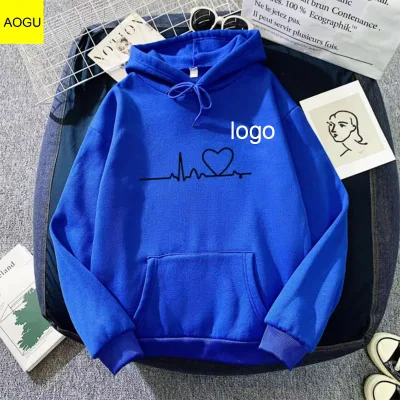
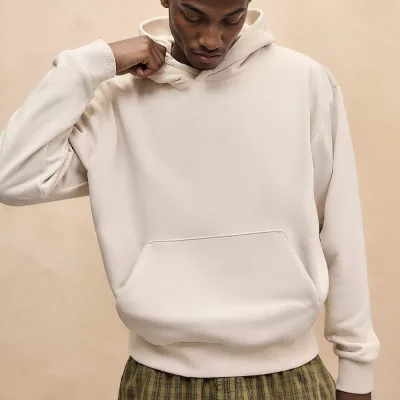


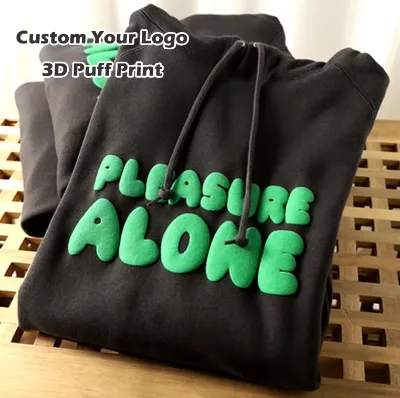


Heavy Cotton Fleece Hoodie Men′ S Custom 3D Printed Anime Hoodies
$18.00 - $26.00
MOQ: 50 Pieces



Comprehensive Sourcing Guide
Strategic Sourcing Guide for Plus Size Anime Modest Hoodies
The global market for custom apparel has expanded significantly, driven by the intersection of niche subcultures and the demand for inclusive sizing. For procurement professionals and brand owners seeking "Plus Size Anime Modest Hoodies," the sourcing landscape requires a nuanced approach that balances specific aesthetic requirements with rigorous technical specifications. The following guide analyzes the available product attributes, manufacturing capabilities, and quality assurance protocols necessary to secure a reliable supply chain for this specialized category. Buyers must navigate a complex array of material options, printing techniques, and supply models to ensure the final product meets both functional and stylistic expectations.
Technical Specifications and Material Composition
The foundation of any successful apparel procurement lies in the precise definition of technical specifications. In the current market data, the material composition for hoodies in this category varies, with observed options including Cotton, Bamboo Fiber, and 100% Cotton blends. For a "modest" aesthetic, the fabric weight is a critical determinant of opacity and drape. The observed fabric weights range widely from 180 grams to 450 grams, with specific listings highlighting 320, 340, and 360 grams as common standards. Heavier weights, such as those exceeding 400 grams, may offer the structure required for a modest, non-revealing silhouette, while lighter weights might be preferred for layering.
The fabric type also plays a pivotal role in the garment's performance. While some listings specify "Woolen" or "Jersey" knits, the weaving method is predominantly noted as "Knitted" for the majority of these items, ensuring the stretch and comfort essential for casual daily life. For buyers focusing on plus-size garments, the fit type is equally important. The market data indicates a prevalence of "Regular Fit" and "Oversized" styles, which are particularly relevant for modest fashion as they provide ample coverage without clinging. The sleeve style is consistently observed as "Regular," and the collar type is predominantly "Hooded," aligning with the core keyword requirements.
When evaluating the "Anime" aspect of the request, the printing methods become the primary technical differentiator. The observed capabilities include Digital Printing, Silk Screen Printing, Puff Printing, Heat-Transfer Printing, and specialized techniques like 3D embroidery and Dip Dye. For intricate anime designs, Digital Printing and Screen Printing are often the most viable options for high-detail reproduction. However, buyers must verify if the supplier can handle the specific color palettes required, as observed colors range from standard neutrals like White and Beige to vibrant options such as Blue, Red, Lavender, and Pink.
Supply Chain Models and Customization Capabilities
Understanding the supply type is essential for determining the level of control a buyer has over the final product. The market data presents a dual supply model: OEM (Original Equipment Manufacturer) and ODM (Original Design Manufacturer). An OEM service allows the buyer to provide their own designs, patterns, and specifications, which is ideal for brands with established anime IP or specific modest design requirements. Conversely, an ODM model implies the supplier may offer pre-existing designs or more significant input into the product development, which could be beneficial for startups looking to leverage existing trends.
Customization extends beyond the visual design to include branding elements. The observed product attributes confirm that suppliers support "Custom Lables," "Customized Logo Printing," and "Customized Designs." The logo position is typically noted as "Front," but buyers should explicitly confirm if back prints or sleeve placements are available, as these are common in streetwear and anime culture. Furthermore, the "Pattern Type" observed includes "Print" and "Striped," suggesting that while solid colors are common, patterned variations are also available.
The sizing infrastructure for plus-size garments is a critical component of the supply chain. The observed size range is extensive, spanning from XXS to 6XL, and includes "One Size" options. This wide range is a strong indicator of a supplier's capability to handle plus-size production. However, buyers must verify the specific grading rules used for the plus sizes to ensure that the proportions remain consistent with the "modest" intent of the garment. A simple scaling of a small size to a large size often results in disproportionate hems and sleeves, which can ruin the aesthetic. The "Model Number" variations, such as S20240418-5 and Anthony20250815, suggest that suppliers often use internal codes to track specific design iterations, which buyers should request for their own inventory management.
Cost Drivers and Pricing Dynamics
The pricing for custom hoodies is influenced by a complex interplay of material costs, order volume, and customization complexity. The observed listed price range in the market data is between 3 and 65 USD. This wide variance is not merely a reflection of brand premium but is heavily driven by the specific attributes selected. For instance, the fabric weight is a primary cost driver; a hoodie weighing 450 grams will inherently cost more in raw materials than one weighing 200 grams. Similarly, the choice of material—whether standard Cotton or a blend involving Bamboo Fiber—will impact the base cost.
The Minimum Order Quantity (MOQ) is another significant factor in the total cost of ownership. The observed MOQ range spans from 1 to 1000 units. For buyers testing the market or launching a small collection, an MOQ of 1 to 100 allows for low-risk entry. However, the unit price will likely be higher at the lower end of this spectrum. As the order volume increases, the cost per unit typically decreases due to economies of scale in fabric purchasing and production setup. The "Selling Units" are listed as "Single item," which may imply that the base price is calculated per piece, but bulk discounts are almost certainly available for larger orders.
Additional cost drivers include the complexity of the printing and finishing techniques. Techniques such as "Puff Print," "3D embroidery," and "Nail bead embroidery" require specialized machinery and labor, increasing the production cost compared to standard "Silk Screen Printing" or "Digital Printing." The "Sample" support is also a cost consideration; while suppliers support custom samples, there is often a separate fee for sample production and shipping, especially given the "7 days sample order lead time" observed. Buyers should factor in the cost of multiple sample iterations to ensure the final design meets the modest and anime-specific requirements before committing to a full production run.
Quality Control and Compliance Verification
Ensuring product quality and compliance is paramount, especially when dealing with garments intended for diverse body types and specific cultural aesthetics. The observed product attributes highlight several quality control measures. The "Quality" is explicitly stated as "High Qualiy" (noting the typo in the source data, which should be verified as "High Quality"), and the "Needle detection" is confirmed as "Yes." This is a critical safety feature, particularly for children's or general apparel, to prevent metal fragments from remaining in the finished garment.
Buyers must also verify the "Feature" set to ensure the product meets functional expectations. The observed features include "Anti-Wrinkle," "Quick Dry," "Eco-Friendly," "Anti-shrink," "Waterproof," "Anti-Pilling," "Breathable," and "Windproof." For a modest hoodie, "Anti-shrink" and "Breathable" are particularly important to maintain the garment's shape and comfort over time. The "Fabric Type" is listed as "Woolen" in some contexts and "Jersey" in others, which can lead to confusion. Buyers must clarify the actual fiber content and weave structure to ensure the fabric behaves as expected during washing and wear.
Compliance and certification checks are areas where buyers must exercise caution. While the data mentions "Eco-Friendly" as a feature, it does not provide specific certification names or standards (e.g., GOTS, Oeko-Tex). Buyers should not assume that a product is certified based on the "Eco-Friendly" label alone. Instead, they must request documentation from the supplier to verify the environmental claims. Similarly, the "Technics" list includes a vast array of methods, from "Batik print" to "Automated cutting." Buyers should verify that the specific techniques used for their order comply with relevant safety standards, particularly regarding chemical usage in dyeing and printing processes.
Supplier Evaluation and Long-Term Procurement
Selecting the right supplier requires a thorough evaluation of their capabilities beyond the basic product listing. The "Place of Origin" is consistently listed as "Guangdong, China," a major hub for textile manufacturing. This location offers access to a robust supply chain but requires careful vetting to ensure the supplier has the specific expertise for plus-size and anime-themed apparel. Buyers should assess the supplier's experience with "Customized Fabric" and "Custom Colors," as these are key differentiators for niche markets.
The "Style" attributes observed are incredibly diverse, ranging from "Fashion," "Vintage," and "Streetwear" to "Gothic," "Y2K," and "Bohemian." This suggests that suppliers are capable of producing a wide variety of aesthetics. However, for a specific "anime modest" focus, buyers must ensure the supplier understands the cultural nuances of the designs. A supplier that can produce "Hip Hop" or "Sporty" styles may not automatically possess the design sensibility required for modest anime aesthetics.
Long-term procurement considerations involve the reliability of the supply chain. The "Lead Time" for samples is noted as "7 days," which is relatively fast. However, the lead time for bulk production is not explicitly stated in the provided data. Buyers must negotiate and confirm these timelines to avoid delays in their product launches. Additionally, the "Single package size" of 50x30x1 cm and "Single gross weight" of 0.500 kg are useful for logistics planning, but buyers should verify if these dimensions apply to the bulk packaging as well.
To mitigate risks, buyers should establish a clear communication protocol regarding design approvals, sample iterations, and quality inspections. The ability to support "Custom Sample" orders is a positive indicator of a supplier's flexibility. However, buyers should also consider the potential for "Other" or undefined attributes in the "Technics" and "Feature" lists. These vague terms can lead to misunderstandings if not explicitly defined in the purchase order. By maintaining a disciplined approach to specification and verification, buyers can build a sustainable relationship with suppliers that delivers high-quality, plus-size anime modest hoodies consistently.
Final Procurement Considerations
The market for plus-size anime modest hoodies offers a dynamic opportunity for brands willing to navigate the complexities of customization and quality assurance. The observed data confirms a robust infrastructure of suppliers capable of providing a wide range of materials, sizes, and printing techniques. However, the success of a procurement strategy depends on the buyer's ability to translate these general capabilities into specific, verified requirements.
Buyers must prioritize the verification of fabric weight and composition to ensure the modesty and durability of the garment. The extensive size range available, up to 6XL, provides a strong foundation for inclusive sizing, but the grading rules must be scrutinized to ensure proper fit. The diverse supply models, including OEM and ODM, offer flexibility, but the choice should align with the brand's design capabilities and IP ownership.
Cost management requires a detailed analysis of the price drivers, including material weight, printing complexity, and order volume. While the price range is broad, the final cost will be determined by the specific combination of features selected. Quality control measures, such as needle detection and anti-shrink properties, are present in the market data, but buyers must demand proof of compliance for any environmental or safety claims.
Ultimately, the procurement of these garments is not just about purchasing a product but about establishing a partnership with a supplier who understands the unique demands of the niche market. By adhering to strict technical specifications, verifying all claims, and maintaining clear communication, buyers can secure a supply chain that delivers high-quality, stylish, and inclusive apparel. The observed attributes provide a solid starting point, but the final success lies in the diligence of the buyer's due diligence process.
FAQs
Can I get custom samples for Plus Size Anime Modest Hoodies?
Yes, suppliers support custom sample orders with a typical lead time of 7 days. This allows you to verify fabric weight, print quality, and fit before committing to bulk production of the hoodies.
What fabric weights are available for these custom hoodies?
Observed fabric weights range from 180 grams to 450 grams, with common options including 320, 340, and 360 grams. Heavier weights provide better opacity for modest styles while lighter options suit layering needs.
Which printing methods are supported for anime designs on these hoodies?
Supported methods include Digital Printing, Silk Screen Printing, Puff Printing, and Heat-Transfer Printing. These techniques allow for detailed reproduction of anime graphics on various fabric types like cotton or bamboo fiber blends.
What is the size range for plus size custom printed hoodies?
The available size range spans from XXS to 6XL, including One Size options. This extensive sizing ensures that the hoodies can accommodate diverse body types while maintaining the intended modest and regular fit styles.
How does the MOQ vary for these custom apparel items?
The minimum order quantity ranges from 1 to 1000 units depending on the supplier and customization level. Lower MOQs allow for small batch testing, while larger orders typically reduce the unit cost through economies of scale.
Can I request specific colors and custom labels for these hoodies?
Yes, suppliers accept custom colors and custom labels as part of their OEM and ODM services. You can choose from available shades like blue, red, or lavender, or specify unique branding requirements for your collection.
What quality control measures are in place for these garments?
Products undergo needle detection and are described as high quality with features like anti-shrink and eco-friendly properties. These measures ensure safety and durability, though specific certifications should be verified directly with the supplier.