Source Plus Size African Jalabiya for Markets, Events, and Retail
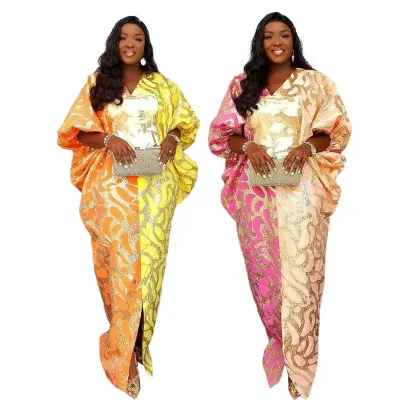
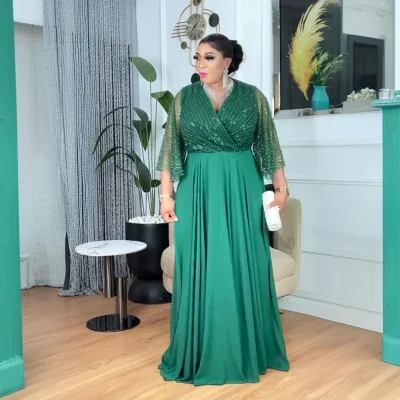
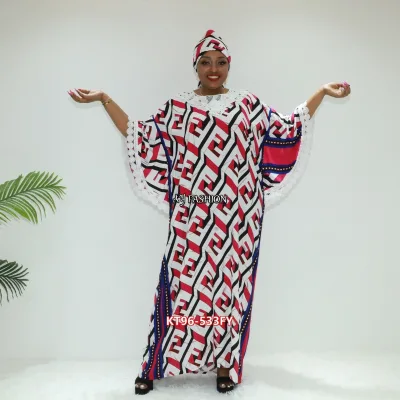
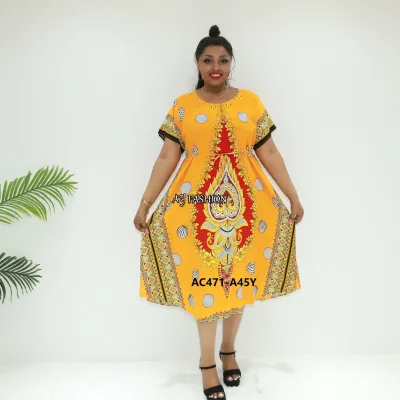
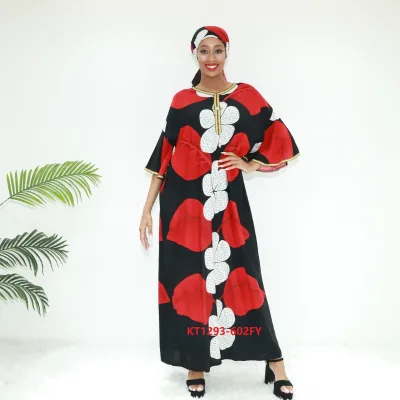
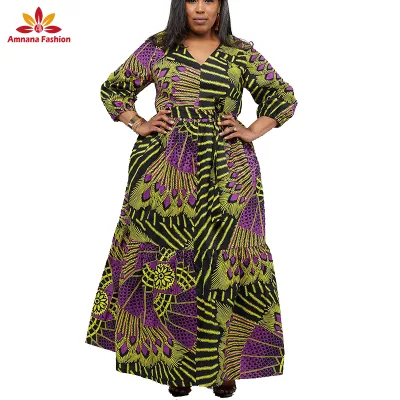
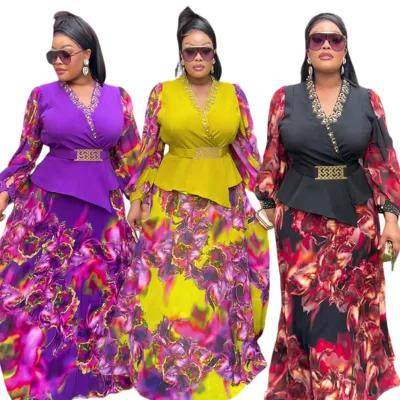
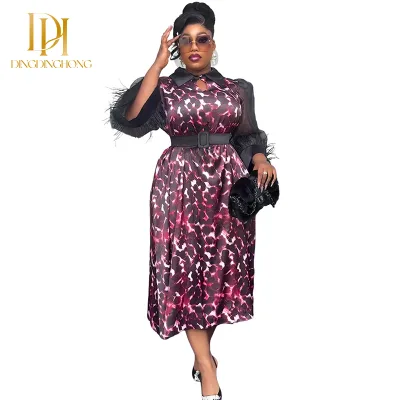
Find 30 Plus Size African Jalabiya options from China, featuring breathable polyester designs suitable for African climates. Compare models like LAY30 and turkish jalabiya styles with varying sizes and digital print patterns to meet diverse buyer needs.
Key considerations
Products List


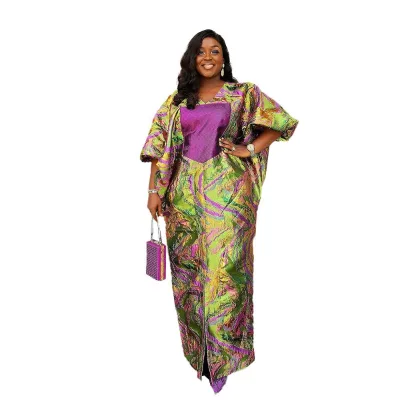
African Clothing Caftan Plus Size Se Love Sahara Kt1421-557fy Ghana Caftan Kaftan
$5.13 - $6.95
MOQ: 300 Pieces


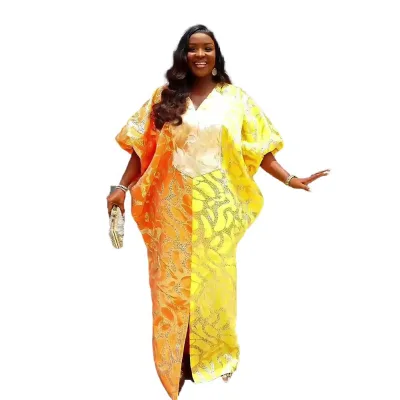
Ethnic Clothing Jalabiya Abaya Love Sahara Kt471-611y Nigeria Caftan Kaftan
$7.40 - $9.22
MOQ: 300 Pieces


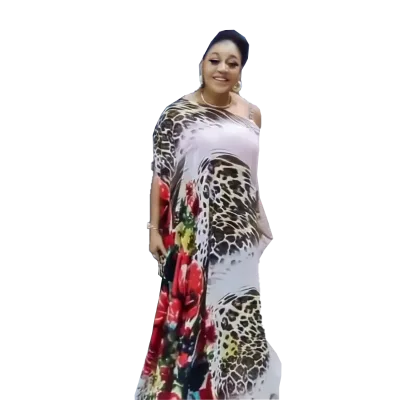
African Dresses Djellaba Supplier Love Sahara Kt8908-649fy Cameroon Abaya Kaftan
$3.62 - $4.38
MOQ: 300 Pieces
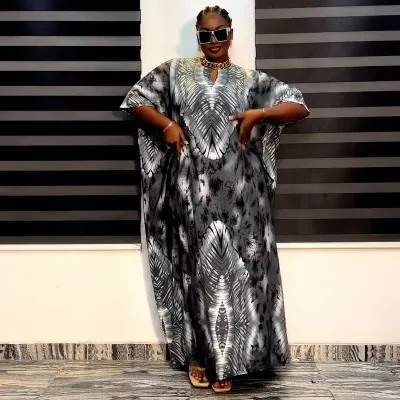
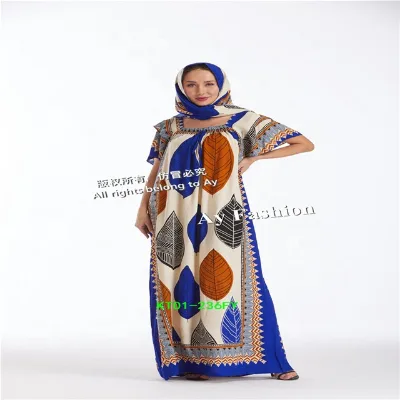
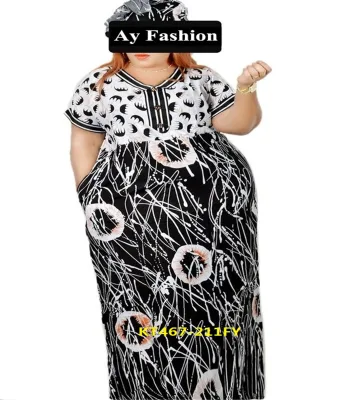
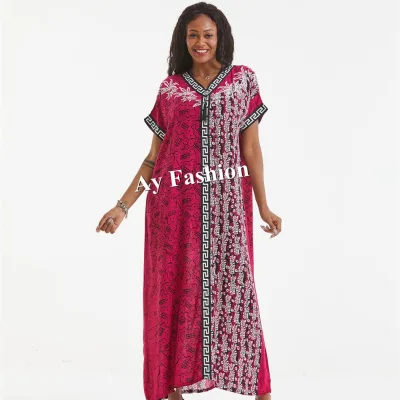


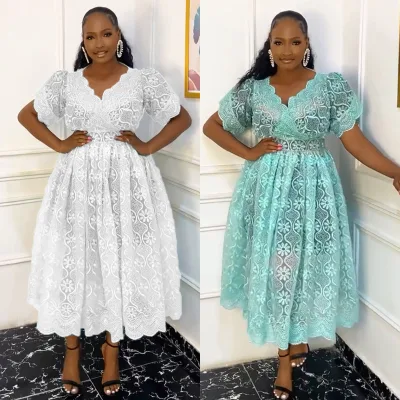
Comprehensive Sourcing Guide
Plus Size African Jalabiya Sourcing Guide
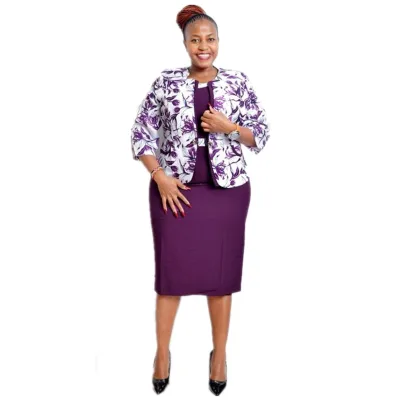
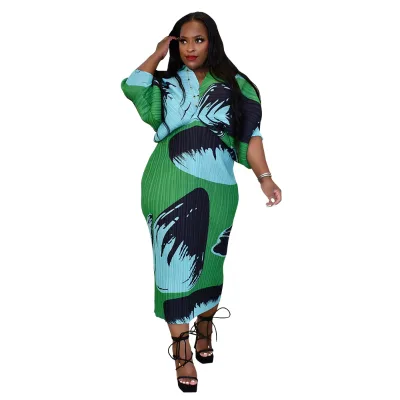
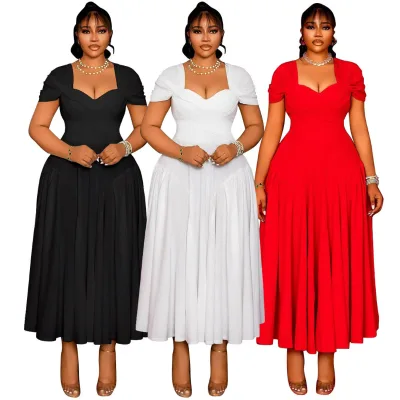
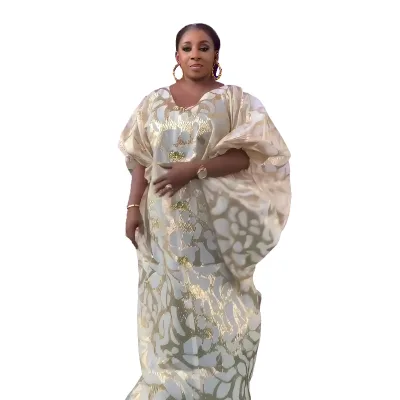
The global demand for modest fashion has elevated the plus-size African jalabiya from a regional staple to a significant B2B opportunity, particularly for retailers targeting the African diaspora and the Middle East. These garments serve as versatile evening wear and casual attire, blending traditional silhouettes with modern fabric technologies to accommodate diverse body shapes while adhering to cultural and religious requirements. Buyers must recognize that the product category encompasses a wide spectrum of styles, from formal lace evening dresses to casual polyester abayas, each requiring distinct sourcing strategies to ensure market fit and quality consistency.
Successful procurement in this sector hinges on understanding the specific design constraints and material preferences observed in current listings. The market frequently features items designed to conform to African religious norms and body shapes, utilizing breathable and washable fabrics that resist damage during frequent wear. Sourcing decisions should prioritize suppliers who demonstrate a clear understanding of these cultural nuances, ensuring that the final product aligns with the expectations of consumers in regions such as Africa and Turkey, where the demand for such modest, plus-size garments remains robust.
Product Scope and Observed Listing Signals
Current market listings reveal a diverse range of product models and specifications, indicating that buyers must carefully filter suppliers based on specific model numbers and design attributes rather than generic descriptions. Observed data includes distinct model identifiers such as LAY30, STA2824F, and various KT-series codes, suggesting that manufacturers often produce specialized lines for different market segments. Procurement teams should verify that the specific model number matches the intended design, whether it is a Turkish jalabiya, a formal evening dress, or a casual abaya, to avoid receiving mismatched inventory that fails to meet the target demographic's aesthetic preferences.
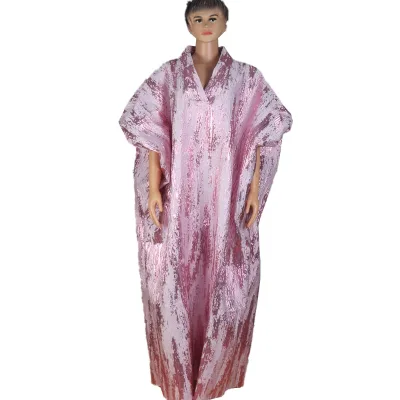
The physical attributes of the product are equally critical, with observed listings highlighting specific features like digital print methods, floral patterns, and a color palette including gray, green, brown, and blue. Buyers should note that while some products are described as suitable for the African climate and designed for plus-size bodies, others may be categorized simply as ladies' abayas or casual dresses. It is essential to confirm that the observed attributes, such as the "Anti-Pilling, Anti-shrink, Anti-Wrinkle" features and the "One Size" or specific sizing options like L, XL, and 2XL, align with the actual inventory available, as these characteristics directly impact customer satisfaction and return rates.
Technical Specifications to Verify
Material composition and construction quality are the primary technical variables that determine the longevity and comfort of the plus-size African jalabiya. The supplied data indicates that polyester is a common material used in these garments, often paired with digital printing techniques to achieve vibrant floral prints. Buyers must verify the specific fabric blend and weight, as the "0.5KG" standard mentioned in some listings likely refers to packaging weight rather than garment weight, necessitating a request for detailed fabric specifications to ensure the material is breathable and suitable for the intended climate conditions.
Packaging and dimensional specifications also play a vital role in logistics planning and cost estimation. Listings show variations in packaging, ranging from plastic boxes and trays to custom requirements, with single package sizes observed around 28x25x4 cm and single gross weights near 0.550 kg. Procurement teams should confirm the exact packing method for each order, as the "12pcs in 1 bundle" standard for some models differs significantly from single-item selling units. Verifying these dimensions and weights is crucial for calculating shipping costs and ensuring that the products can be efficiently stored and displayed in retail environments.
Compliance and Safety Documentation
While the provided data does not explicitly list specific certification numbers, the nature of the product as clothing for religious and cultural observance implies a need for adherence to safety and quality standards relevant to the textile industry. Buyers should request documentation confirming that the fabrics used, particularly those marketed as suitable for African climates and Islamic religious requirements, meet international safety standards for flammability, chemical content, and colorfastness. The "Washable" and "Not Easy to Damage" attributes observed in listings suggest a focus on durability, but these claims must be backed by test reports to ensure they hold true under repeated washing and wear conditions.
Religious and cultural compliance is a unique aspect of sourcing this specific garment category, requiring verification that the design and cut conform to the intended religious norms. The product attributes explicitly mention conformity to African religion and body shape, which serves as a qualitative standard for the design. However, buyers should seek written confirmation from suppliers regarding the specific religious guidelines followed, such as coverage requirements for abayas and jalabiyas, to ensure the products are acceptable for sale in markets with strict modesty regulations. This verification process helps mitigate the risk of product rejection by end consumers who prioritize religious adherence in their clothing choices.
Cost Drivers and Commercial Terms
The commercial landscape for plus-size African jalabiya is influenced by a wide range of minimum order quantities (MOQs) and supply types, ranging from in-stock items to OEM services. Observed data indicates MOQs can vary significantly, with some listings showing a range of 1 to 500 units, while others specify a strict MOQ of 120 pieces. Buyers must align their order volume with the supplier's capacity, noting that in-stock items may offer faster availability but less customization, whereas OEM services allow for tailored designs but require adherence to higher volume thresholds and longer lead times.
Lead times and delivery schedules are critical factors that impact inventory planning and cash flow. The observed delivery window of about 7 to 15 days, dependent on order quantity, suggests a relatively agile supply chain, yet this can fluctuate based on the complexity of the design and the availability of raw materials. Additionally, the support for 7-day sample order lead times provides an opportunity for buyers to validate quality before committing to larger orders. Procurement teams should negotiate clear terms regarding these timelines, ensuring that the "About 7-15 Days" estimate is backed by a contractual agreement to prevent delays that could disrupt seasonal sales cycles.
Supplier Qualification and Quality Control
Supplier qualification in this sector requires a deep understanding of the manufacturer's origin and their specific expertise in producing modest wear. The data points to Guangdong, China, as a primary place of origin, with some products also linked to Turkey, indicating a cross-regional supply chain. Buyers should verify the supplier's production capabilities in these regions, ensuring they have the specific machinery and skilled labor required for digital printing and the intricate lace work often associated with formal evening dresses. The "Manufactures" description in the listings suggests a direct factory relationship, which is preferable for maintaining quality control and cost efficiency.
Quality control protocols must be rigorous, given the diverse range of attributes observed, from "Anti-Pilling" to "Breathable" features. Buyers should implement a pre-shipment inspection process that specifically tests for the durability of the digital print, the integrity of the seams, and the accuracy of the sizing, particularly for plus-size garments where fit is paramount. The "Available Quantity" of 8000 units in some listings indicates high-volume capacity, but this does not guarantee consistent quality across all batches. Establishing a clear quality assurance framework that includes random sampling and defect rate thresholds is essential to maintain brand reputation and customer trust.
Long-Term Procurement Checks
Sustaining a successful supply chain for plus-size African jalabiya requires ongoing monitoring of supplier performance and market trends. Buyers should regularly review the supplier's ability to meet the "Supply Type" requirements, whether they are providing in-stock items or managing OEM services, and ensure that the production capacity remains stable as order volumes grow. The "Brand Name" and "Product Name" variations observed, such as "abaya jalabiya kaftan," suggest that branding strategies may evolve, and buyers should maintain flexibility to adapt their product offerings to changing consumer preferences and seasonal demands.
Long-term partnerships should be built on transparent communication and mutual growth, with a focus on continuous improvement in product design and manufacturing efficiency. As the market for modest fashion expands, buyers should anticipate shifts in fabric technology and design trends, such as new breathable materials or updated color palettes. By maintaining a close relationship with suppliers and staying informed about the "Ethnic Region" and "Season" factors that influence demand, procurement teams can proactively adjust their inventory strategies to capitalize on emerging opportunities and mitigate potential supply chain disruptions.
FAQs
What materials are used for Plus Size African Jalabiya dresses?
The dresses are primarily made from polyester material. This fabric choice ensures the garments are breathable, washable, and resistant to pilling, shrinking, and wrinkling for long-term wear.
Which sizes are available for these Plus Size African Jalabiya garments?
Available sizes include One Size as well as L, XL, and 2 XL options. These dimensions are designed to conform to African body shapes and accommodate plus size requirements effectively.
How long is the delivery time for Plus Size African Jalabiya orders?
Delivery takes about 7 to 15 days depending on the order quantity. Sample orders can be supported within 7 days, while bulk shipments follow the standard lead time based on volume.
Can I get custom packaging for Plus Size African Jalabiya products?
Yes, packaging options include plastic boxes, trays, or customer-specific requirements. The single package size is typically 28x25x4 cm with a gross weight of 0.550 kg per item.
What is the minimum order quantity for Plus Size African Jalabiya?
The minimum order quantity is 120 pieces for this specific product line. However, general supply types indicate that some items may be available with an MOQ as low as 1 piece.
Where are these Plus Size African Jalabiya dresses manufactured?
These dresses are manufactured in Guangdong, China. The products are sourced from suppliers located in this region and are intended for the African ethnic region market.