Source Plus Size Casual Dress Shirt for Office, Leisure, and Holiday Wear
Compare 30 listings for Plus Size Casual Dress Shirt options featuring cotton and polyester materials with custom logo and label services. Buyers can evaluate loose fits, single breasted closures, and seasonal suitability for spring, autumn, or summer.
Key considerations
Products List


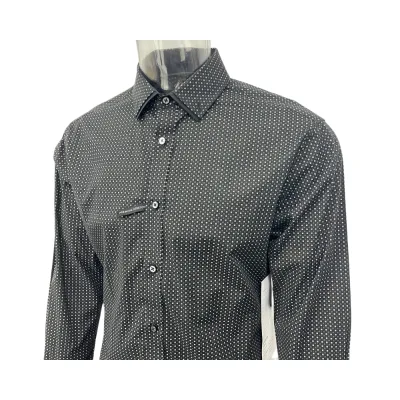
Cotton Plus Size Men's Shirts Custom Logo Dress Shirt Plain Oversized Shirts for Men
$3.70 - $7.90
MOQ: 200 Pieces




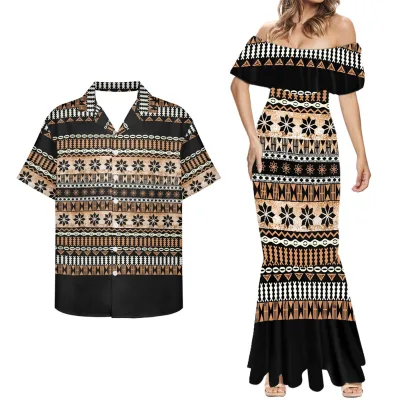
Plus Size Women's Tops Colors O-Neck Long Sleeve Chiffon Elegant Design Ladies Shirt
$0.50 - $20.00
MOQ: 200 Pieces



Comprehensive Sourcing Guide
Strategic Sourcing Guide for Plus Size Casual Dress Shirts
The global market for plus size casual dress shirts represents a significant segment of the apparel industry, driven by the increasing demand for inclusive sizing and versatile wardrobe staples. For procurement professionals, sourcing this category requires a nuanced understanding of material composition, sizing standards, and supply chain capabilities. The following guide outlines the critical factors buyers must evaluate to secure high-quality products that meet specific business requirements without relying on unverified claims or external assumptions.
Understanding Technical Specifications and Material Composition
The foundation of a successful procurement strategy lies in verifying the technical specifications of the product. In the context of plus size casual dress shirts, the material composition is a primary determinant of comfort, durability, and drape. Current market observations indicate a prevalence of cotton and polyester blends. Cotton is frequently cited for its breathability and natural feel, making it a preferred choice for casual wear. Conversely, polyester offers enhanced durability and resistance to wrinkling, which is often desirable for business-casual environments.
Buyers must scrutinize the fabric specifications provided by potential suppliers. While some listings suggest a "Loose" fit model, which is often preferred for plus size garments to ensure comfort and ease of movement, the actual cut and pattern must be validated against the buyer's specific size charts. The "Free Size" or "Loose" models observed in the market often cater to a broad range of body types, but the specific dimensions, such as the standard measurement of 26.00cm * 30.00cm * 1.00cm for packaging or specific garment dimensions, must be confirmed for each order. Furthermore, the closure type, often observed as "Single Breasted" with a "Button Up Collar," is a standard feature that influences the shirt's formality and fit.
When evaluating the technical data, buyers should look for specific attributes such as the "Pattern," which can range from "Pure Colour" to "Logo" designs. The "Technics" used, such as "Printed" methods, also play a crucial role in the final aesthetic and longevity of the design. It is essential to verify that the fabric supports custom needs, as many suppliers offer the flexibility to tailor the material composition to specific client requirements. This customization capability is a key differentiator in the B2B market, allowing buyers to align the product with their brand identity.
Compliance, Certification, and Standard Verification
In the realm of international trade, compliance and certification are non-negotiable aspects of sourcing. While specific certification statuses are not universally guaranteed across all listings, buyers must establish a rigorous verification process. The origin of the products is a critical factor, with many suppliers indicating "China" or specific regions like "Jiangsu" as their production base. This geographic information is vital for assessing supply chain transparency and potential trade compliance issues.
Buyers should request detailed documentation regarding product standards. The observed data includes specific packaging standards, such as "26165" or "30205" dimensions, which reflect the logistical requirements of the product. However, these are packaging metrics rather than garment safety or quality standards. To ensure compliance, procurement teams must verify that the suppliers adhere to relevant international textile standards, such as those governing fiber content, colorfastness, and chemical restrictions.
The "Supply Type" is another critical compliance indicator. Many suppliers operate under an "ODM" (Original Design Manufacturer) model, which implies they can produce designs based on the buyer's specifications. This model requires a clear agreement on intellectual property rights and quality control protocols. Additionally, the "Custom Logo" and "Custom Label" options available in the market necessitate a thorough review of the supplier's ability to manage branding assets without infringing on third-party rights. Buyers should also confirm the "Shipping" methods, such as DHL, FedEx, or UPS, to ensure they align with the destination country's import regulations and customs requirements.
Cost Drivers and Pricing Structures
The pricing structure for plus size casual dress shirts is influenced by a complex interplay of factors, including material costs, customization levels, and order volume. The observed price range in the market spans from 0.5 to 25 USD, a wide spectrum that reflects the diversity of product quality and supplier capabilities. This variation underscores the importance of defining clear budget parameters before engaging with suppliers.
The Minimum Order Quantity (MOQ) is a significant cost driver. The observed MOQ range varies from 1 to 600 units, with some specific listings indicating an MOQ of 100 PCS. Lower MOQs, such as 1 unit, may be suitable for sampling or small-scale testing but often come with a higher per-unit cost. Conversely, larger orders can leverage economies of scale to reduce the unit price. Buyers must balance the need for inventory flexibility with the cost benefits of bulk purchasing.
Customization is another major factor affecting cost. Attributes such as "Custom Logo," "Custom Label," and "Custom Under Your Need" for fabric selection add layers of complexity to the production process. These value-added services typically incur additional charges. The "Package Gross Weight" of 0.300kg per unit also influences shipping costs, particularly for air freight. Buyers should request a detailed breakdown of costs, including material, labor, customization, and logistics, to ensure transparency and avoid hidden fees.
Typical Applications and Market Segmentation
The versatility of plus size casual dress shirts makes them suitable for a wide range of applications. The observed "Type" attributes, such as "Leisure," "Holiday," and "Fitness," indicate that these garments are designed for multiple use cases. The "Season" attributes, including "Spring / Autumn" and "Summer," suggest that the product line is adaptable to different climatic conditions, likely through variations in fabric weight and breathability.
For the "Fitness" segment, the "Breathable" feature is a critical selling point. Shirts designed for this market must prioritize moisture-wicking properties and freedom of movement. In contrast, "Leisure" and "Holiday" applications may focus more on aesthetic appeal and comfort, with "Pure Colour" or "Logo" patterns being popular choices. The "Gender" specification, which includes "Men" and "Unisex," further expands the potential market reach.
The "Suitable for" attribute, noted as "All Place" in some listings, highlights the universal appeal of these garments. However, buyers should verify the specific use cases for their target demographic. For instance, a shirt marketed for "Fitness" may not be appropriate for a formal "Holiday" setting. Understanding these nuances allows buyers to curate a product line that meets the specific needs of their customer base, ensuring higher satisfaction and repeat business.
Supplier Evaluation and Quality Control Protocols
Selecting the right supplier is paramount to the success of any procurement initiative. The "Supply Type" of ODM suggests that suppliers have the capacity for design and production, but this does not guarantee quality. Buyers must conduct a thorough evaluation of the supplier's capabilities, including their production capacity, quality control processes, and track record.
Quality control should be a continuous process, starting from the raw material stage to the final packaging. The "Technics" used, such as "Printed" methods, require strict oversight to ensure color consistency and durability. The "Button" design, often noted as a "Design Button," must be securely attached and functional. Additionally, the "Closure Type" and "Collar Style" must be consistent across all units in an order.
The "Package" specifications, such as "1 PCS Per Poly Bag, Fit in a Box" or "OPP" packaging, are critical for protecting the product during transit. Buyers should verify that the packaging is robust enough to prevent damage and that it aligns with their branding requirements. The "Standard" dimensions for packaging, such as "473657" or "26165," must be accurate to ensure efficient storage and shipping.
Long-Term Procurement Considerations
Sourcing plus size casual dress shirts is not a one-time transaction but a long-term partnership. Buyers should consider the scalability of the supplier's operations and their ability to adapt to changing market trends. The "Customization" availability is a key indicator of a supplier's flexibility, allowing for future product iterations without the need to switch vendors.
The "Model" numbers, such as "MSSCS-06" or "anda09," serve as identifiers for specific product lines. Buyers should maintain a consistent reference to these models to ensure continuity in their product offerings. Furthermore, the "Age Group" specification, which includes "Adults," indicates a mature market segment that values quality and fit over fleeting trends.
Logistics and supply chain resilience are also critical long-term considerations. The "Shipping" methods and "Origin" locations, such as "China" or "Jiangsu," influence lead times and potential disruptions. Buyers should develop contingency plans to mitigate risks associated with geopolitical events, natural disasters, or supply chain bottlenecks. By fostering a collaborative relationship with suppliers, buyers can ensure a steady supply of high-quality plus size casual dress shirts that meet their evolving business needs.
Conclusion
Sourcing plus size casual dress shirts requires a strategic approach that balances technical specifications, compliance, cost, and supplier reliability. By carefully evaluating the material composition, verifying standards, and understanding the diverse applications of these garments, buyers can build a robust supply chain that delivers value to their customers. The flexibility offered by ODM models and customization options provides a competitive edge, allowing buyers to tailor products to their specific market demands. Ultimately, a disciplined, evidence-based procurement process is essential for navigating the complexities of the global apparel market and achieving long-term success.
FAQs
What material options are available for plus size casual dress shirts?
Cotton and polyester are the primary materials observed in this category. Cotton offers breathability for leisure wear, while polyester provides durability. Some suppliers support custom fabric needs to align with specific client requirements.
Can I customize the logo and label on these shirts?
Yes, custom logo and custom label options are available for many listings. Suppliers often operate under ODM models to accommodate these branding requests. Buyers should verify intellectual property rights and quality control protocols before ordering.
What is the typical MOQ for ordering plus size casual dress shirts?
The Minimum Order Quantity ranges from 1 to 600 units depending on the supplier. Some specific listings indicate an MOQ of 100 pieces. Lower MOQs suit sampling, while larger orders leverage economies of scale.
Which shipping methods are commonly used for these garments?
DHL, FedEx, and UPS are the standard shipping methods observed for this product. Sea transportation is also noted for bulk packaging. Buyers must confirm these methods align with destination country import regulations.
How does the packaging standard affect the shipping cost?
Packaging dimensions like 26.00cm * 30.00cm * 1.00cm influence logistics efficiency. The package gross weight is typically 0.300kg per unit. These metrics help calculate air freight costs and storage requirements accurately.
Are these shirts suitable for fitness activities?
Yes, some listings specify suitability for fitness with breathable features. The loose fit model ensures comfort and ease of movement. However, buyers should verify specific fabric properties for high-intensity applications.