Source plus size eco-friendly printed t-shirt for Gym, Yoga, and Fitness
Compare 30 listings for plus size eco-friendly printed t-shirt featuring cotton and polyester blends. Buyers can review customization options, fabric weights, and printing methods for daily usage and sports applications.
Key considerations
Products List


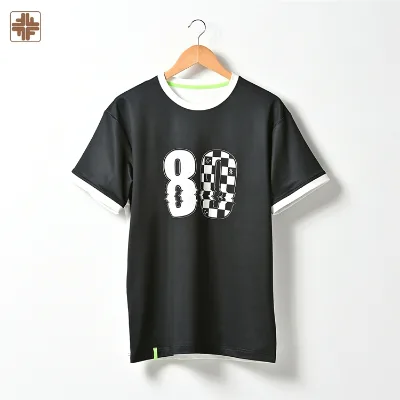
Direct-To Garment non-toxic plus size tshirts men graphic printed t shirt
$11.36 - $15.33
MOQ: 100 pieces


High Quality 100% Cotton Personalised Custom Printing Plus Size T-Shirt for Men
$3.00 - $8.00
MOQ: 100 Pieces

High Quality Wholesale 100% Cottonprinting Plus Size Men's T-Shirt for Men
$3.00 - $8.00
MOQ: 100 Pieces


Comprehensive Sourcing Guide
Strategic Sourcing Guide for Plus Size Eco-Friendly Printed T-Shirts
Navigating the global market for plus size eco-friendly printed t-shirts requires a disciplined approach that balances aesthetic customization with rigorous supply chain verification. For procurement professionals, the core challenge lies in identifying suppliers who can deliver consistent quality across extended size ranges while adhering to environmental and safety standards. The following guide synthesizes observed market data and technical specifications to provide a framework for evaluating potential partners and managing the procurement lifecycle effectively.
Technical Specifications and Material Composition
The foundation of a successful sourcing strategy begins with a precise understanding of material composition and construction. In the current market, plus size t-shirts are frequently constructed from blends designed to offer stretch and durability, which are critical for larger body types. Observed product attributes indicate a prevalent use of polyester and spandex blends, often cited as "polyester/spandex" or "Spandex / Polyester." This combination is essential for maintaining the structural integrity of the garment during movement and ensuring the fit remains consistent across sizes ranging from Small to Triple Extra Large (XXXL).
While some listings highlight cotton as a primary material, the specific requirements for "eco-friendly" and "quick dry" performance often point toward synthetic or blended fabrics. Buyers must verify the exact percentage of each fiber in the blend, as this dictates the garment's breathability, moisture-wicking capabilities, and environmental footprint. The fabric weight is another critical specification; observed data points to weights such as 230 grams and 250 grams per square meter. These heavier weights are often preferred for printed garments as they provide a stable canvas for digital printing and reduce the risk of fabric transparency or tearing in plus size applications.
The construction techniques also play a vital role. Knitted fabrics are the standard for this category, offering the necessary elasticity. The collar style is typically observed as a round neck or O-Neck, which provides a classic look suitable for both casual and promotional use. Sleeve styles vary, with short sleeves being common for summer usage, though long sleeve options exist for different seasonal needs. The pattern type is a key differentiator, ranging from plain designs to complex printed graphics, including letter patterns and custom digital prints. Buyers should ensure that the supplier's technical capabilities align with the desired pattern complexity, as high-resolution digital printing requires specific fabric preparation to prevent color bleeding or cracking.
Compliance, Certification, and Environmental Standards
When sourcing "eco-friendly" products, the verification of certifications is paramount. The market often references standards such as GOTS (Global Organic Textile Standard) and OEKO-TEX. However, it is crucial to treat these as verification targets rather than guaranteed attributes of every listed product. Procurement teams must explicitly request current certification documents from suppliers rather than relying on marketing claims. The presence of these certifications ensures that the materials are free from harmful substances and that the production process adheres to strict environmental and social criteria.
In the absence of specific certification data for a given listing, buyers should implement a rigorous due diligence process. This involves asking for third-party test reports that verify the absence of azo dyes, heavy metals, and other toxic chemicals. For plus size garments, the chemical load on the fabric can be higher due to the increased surface area, making compliance with safety standards even more critical. Additionally, the "non-toxic" nature of the printing inks used in digital printing processes should be confirmed. The supply chain transparency regarding the origin of materials, often listed as "Made in China" or "Taiwan, China," should be scrutinized to ensure that the environmental claims hold true throughout the entire manufacturing process, from fiber production to final garment assembly.
Cost Drivers and Pricing Dynamics
Understanding the cost structure of plus size printed t-shirts is essential for budgeting and negotiation. The observed price range in the market spans from approximately $0.90 to $15.33 USD. This wide variance is driven by several factors, including the complexity of the design, the quality of the fabric blend, the order volume, and the specific printing technology employed. Lower price points often correlate with simpler designs, standard cotton or basic blends, and high-volume orders where economies of scale reduce the per-unit cost. Conversely, higher price points are typically associated with premium eco-friendly certifications, complex digital printing, and smaller order quantities that require more intensive setup.
The Minimum Order Quantity (MOQ) is another significant cost driver. Market observations show MOQs ranging from as low as 2 units to as high as 2000 units. Suppliers with lower MOQs may charge a premium per unit to cover the fixed costs of setup and machine time, particularly for custom digital printing. For buyers seeking to test the market or launch a new product line, negotiating a lower MOQ is possible but requires a willingness to accept a higher unit cost. Conversely, committing to larger volumes can significantly lower the per-unit price, making it a viable strategy for established brands.
Packaging also influences the final cost. Standard packaging options include cartons and OPP bags, with specific dimensions such as 35251.5 cm or 35255 cm observed in product listings. Custom packaging solutions, which are often required for retail-ready products, will add to the overall cost. Buyers should factor in these logistical expenses when calculating the total landed cost of the product.
Typical Applications and Market Segments
The versatility of plus size printed t-shirts allows them to serve a diverse range of applications. The observed usage categories include ball sports, soccer, racing, cycling, fitness, skiing, rugby, track and field, water sports, gym activities, yoga, basketball, hockey, martial arts, rockcraft, dancing, tennis, and equestrian events. This broad spectrum indicates that these garments are not limited to casual wear but are also suitable for athletic and promotional purposes. The "quick dry" and "breathable" features observed in product attributes make them particularly suitable for high-intensity activities where moisture management is crucial.
Beyond sports, these t-shirts are widely used for daily usage, promotional advertising, and corporate branding. The "Customization" and "Support" attributes highlight the suitability of these products for businesses looking to create branded merchandise. The ability to print custom designs, including logos and slogans, makes them ideal for events, team uniforms, and marketing campaigns. The "Direct-To Garment" printing method mentioned in some listings is particularly advantageous for short-run, high-customization orders, allowing for detailed graphics without the need for expensive screen printing setups.
Supplier Evaluation and Selection Criteria
Selecting the right supplier requires a multi-faceted evaluation process that goes beyond price comparisons. Buyers should assess the supplier's technical capabilities, specifically their ability to handle plus size patterns and custom printing. The "ODM-FA18106" and "TX38" model numbers observed in the market suggest that suppliers often have specific product lines or templates, but the ability to customize these is a key differentiator. Suppliers offering "OEM ODM Private Label" services provide greater flexibility for brands looking to establish a unique identity.
The production capacity and lead time are also critical factors. While some suppliers may offer sample orders, others might not support quick turnaround times for samples, as indicated by "Not Support" for 7-day sample lead times in some listings. Buyers must clarify the lead time for bulk production, which can vary based on the complexity of the design and the current workload of the factory. A reliable supplier should provide a clear timeline from order placement to delivery, including any potential delays due to material sourcing or printing processes.
Quality control is another essential criterion. Buyers should inquire about the supplier's internal quality assurance processes, including checks for fabric weight consistency, color fastness, and print durability. The "Advantage" attributes such as "Soft" and "Comfortable" should be verified through physical samples before placing a large order. Additionally, the supplier's location, whether "China" or "Taiwan, China," can impact shipping costs and lead times, so this should be factored into the overall logistics strategy.
Quality Control and Long-Term Procurement Considerations
Implementing a robust quality control protocol is vital for maintaining brand reputation. Buyers should establish clear acceptance criteria for fabric weight, color accuracy, and print quality. Regular inspections, either through third-party agencies or internal teams, can help identify defects early in the production process. For plus size garments, special attention should be paid to the seam strength and the fit of the garment, as these are common points of failure in extended sizes.
Long-term procurement considerations involve building a sustainable relationship with suppliers. This includes negotiating favorable terms for repeat orders, securing consistent pricing, and ensuring a steady supply of materials. Buyers should also consider the environmental impact of their sourcing decisions, prioritizing suppliers who demonstrate a commitment to sustainability through verified certifications and transparent practices. By focusing on these long-term factors, buyers can mitigate risks and ensure a stable supply chain for their plus size eco-friendly printed t-shirt needs.
Comparative Analysis of Product Attributes
To assist in decision-making, the following table summarizes key product attributes observed in the market, highlighting the variations buyers may encounter.
| Attribute | Common Observation | Verification Requirement |
|---|---|---|
| Material | Polyester/Spandex, Cotton, Spandex/Polyester | Request specific blend percentages and test reports. |
| Fabric Weight | 230g, 250g | Verify weight consistency across the size range. |
| Size Range | XS to XXXL, Both Codes | Confirm grading rules for plus size patterns. |
| Printing Method | Digital Printing, Custom Printing | Check for color fastness and crack resistance. |
| Packaging | Carton, OPP Bag | Specify custom packaging requirements if needed. |
| Origin | China, Taiwan, China | Verify supply chain transparency and labor standards. |
| Certifications | GOTS, OEKO-TEX (Potential) | Demand current, valid certificates for all claims. |
By adhering to these guidelines and maintaining a rigorous approach to verification, procurement professionals can successfully source high-quality, eco-friendly plus size printed t-shirts that meet both functional and ethical standards.
FAQs
What materials are commonly used for plus size eco-friendly printed t-shirts?
Most listings use polyester and spandex blends or cotton for these garments. The fabric weight typically ranges from 230 to 250 grams to ensure durability. Buyers should verify specific blend percentages to confirm eco-friendly claims and performance features like breathability.
How can I find suppliers offering custom digital printing for these shirts?
Identify vendors that explicitly support digital printing and offer customization services. Many factories provide OEM and ODM private label options with specific model numbers like TX38. Ensure the supplier can handle the desired pattern complexity and print quality for your brand.
Which certifications should I verify for eco-friendly plus size t-shirts?
Look for verified documents for GOTS or OEKO-TEX standards rather than relying on marketing claims. These certifications ensure materials are free from harmful substances and meet environmental criteria. Request third-party test reports to confirm the absence of toxic chemicals in the fabric and ink.
What is the typical price range and MOQ for these custom t-shirts?
Prices generally range from 0.90 to 15.33 USD depending on volume and design complexity. Minimum order quantities vary significantly from 2 to 2000 units. Lower MOQs often carry higher per-unit costs, while larger orders reduce the price through economies of scale.
Can suppliers provide samples quickly for plus size printed t-shirts?
Sample lead times vary, and some suppliers do not support quick turnaround options like 7-day samples. Buyers must clarify the specific production timeline for bulk orders before committing. Always request a physical sample to verify fabric weight, fit, and print quality.
Where are the primary manufacturing locations for these products?
Most products originate from China or Taiwan, China, as indicated in product listings. The location impacts shipping costs and lead times, so factor this into your logistics strategy. Verify the specific place of origin to ensure it aligns with your supply chain requirements.