Source Portable Chew Resistant Toilet Mat for Pets, Homes, and Clinics
Compare 30 listings for a Portable Chew Resistant Toilet Mat designed for pets, homes, and clinics. Buyers can evaluate features like material, size, and customization options from verified Chinese suppliers offering OEM support.
Key considerations
Products List


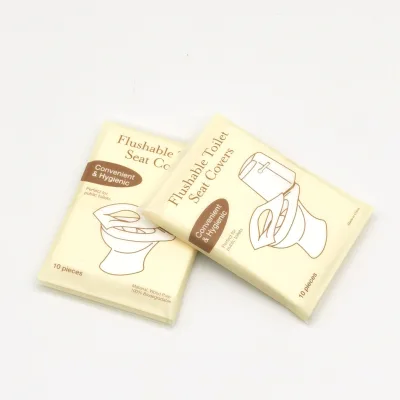
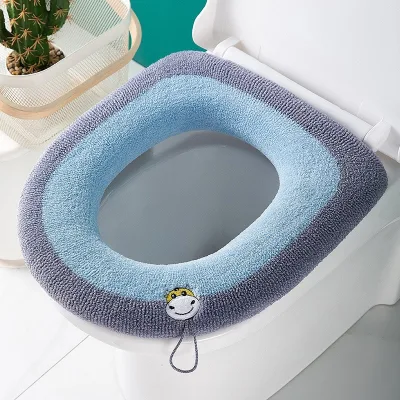
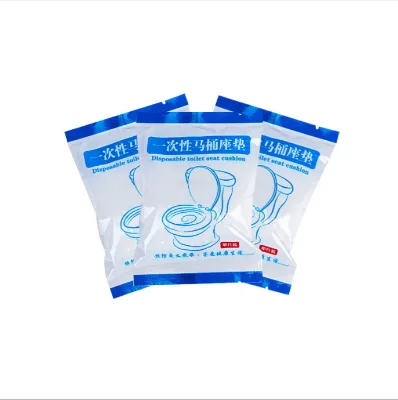


Waterproof Toilet Seat Cover Universal Portable Mat EVA Foam Thickened Bathroom Accessories
$0.31 - $0.40
MOQ: 500 Pieces
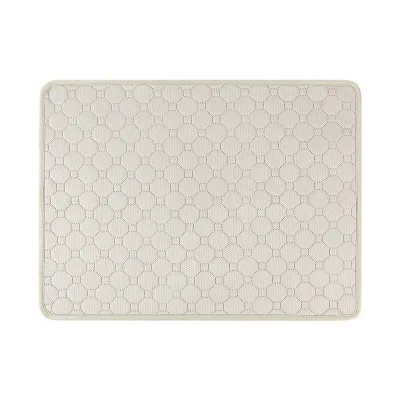


Washable Pet Urine Pad Dog Training Mat PEE Pads Cheap Pet Puppy Absorbency Dog PEE Pad
$0.01 - $0.02
MOQ: 30000 Pieces

Washable Puppy Dog PEE Pad Waterproof Training Mat for Puppy Reusable Puppy Pads
$0.01 - $0.02
MOQ: 30000 Pieces

Pets Puppy Toilet Mat Pads for Dogs Super Absorbent Disposable Breathable Leak Proof
$0.01 - $0.02
MOQ: 30000 Pieces

China Supplier Pets and Dogs Accessories Disposable Puppy Pet Trainig Dog Toilet Mat
$0.01 - $0.02
MOQ: 30000 Pieces

Top Seller Waterproof Tapete Higinico Pet Toilet Mat Puppy PEE Pads for Dog Cage Peepad
$0.01 - $0.02
MOQ: 30000 Pieces


Comprehensive Sourcing Guide
Portable Chew Resistant Toilet Mat Sourcing Guide
Sourcing durable, chew-resistant toilet mats requires a careful distinction between standard pet accessories and specialized hygiene products designed for high-moisture environments. The term "toilet mat" in B2B catalogs often overlaps with pet training pads, absorbent floor mats, and bathroom rugs, creating ambiguity in product specifications. Buyers must navigate this landscape by focusing on material composition and structural integrity rather than relying solely on product titles. The core requirement for a "chew resistant" item implies a need for materials that can withstand mechanical stress from pets or heavy foot traffic without degrading, while "portable" suggests a lightweight, easy-to-clean design suitable for various settings, including mobile units or temporary facilities.
This guide focuses on verifying the physical properties and commercial terms associated with these products, drawing from observed market data and standard procurement practices. The analysis below helps buyers identify reliable suppliers, understand cost structures, and mitigate quality risks. By prioritizing evidence-based verification steps, procurement teams can ensure that the final product meets the functional demands of durability and hygiene without falling prey to misleading marketing claims or inconsistent manufacturing standards.
Product Scope and Observed Listing Signals
The observed market data reveals a significant divergence in product definitions, ranging from virgin wood pulp toilet paper to ABS plastic components and pet cleaning supplies. Listings for "toilet mats" frequently include items made from ABS plastic, such as the ZV-08 model, which is categorized under mobile small appliances or mover tools, indicating a potential misclassification in some catalogs. Conversely, other listings describe products made from virgin wood pulp with specific dimensions like 425*360MM, which align more closely with large-format absorbent pads or specialized hygiene mats. Buyers must scrutinize the material field to distinguish between plastic-based structural mats and paper-based absorbent products, as their performance characteristics and applications differ fundamentally.
Color and packaging variations further complicate the identification process, with options ranging from single-color ABS units in color boxes to multi-colored pet cleaning products in bags. The presence of customization options and OEM/ODM support suggests that many suppliers offer white-label solutions, allowing buyers to tailor the product’s appearance and branding. However, the inconsistency in specifications, such as varying single package sizes from 15x11x3 cm to 30x10x10 cm, highlights the need for precise communication with suppliers. Procurement teams should request detailed technical drawings or physical samples to confirm that the product’s dimensions and material composition match the intended use case, whether it is for residential bathrooms, veterinary clinics, or pet training areas.
Technical Specifications to Verify
Material composition is the primary determinant of chew resistance and durability, with ABS plastic and virgin wood pulp being the most commonly cited materials in the observed data. ABS plastic offers high impact resistance and water impermeability, making it suitable for structural mats that require longevity and ease of cleaning. In contrast, virgin wood pulp products are typically absorbent and biodegradable but may lack the mechanical strength required for chew-resistant applications. Buyers should verify the specific grade of ABS or the ply count and basis weight of paper-based products to ensure they meet the required performance standards. Additionally, the layer count, such as 1-ply configurations, should be evaluated for its impact on absorbency and structural integrity.
Dimensional accuracy and weight are critical for logistics planning and functional suitability, with observed single gross weights ranging from 0.050 kg to 0.35 kg. The single piece opening size of 425*360MM for certain models suggests a large surface area designed for maximum coverage, which is essential for toilet mats intended to catch spills or provide traction. Buyers must confirm the exact dimensions and weight tolerance with the supplier, as variations can affect shipping costs and product performance. Furthermore, the operation type, whether manual or automated, and the application, such as for cats or general hygiene, should be clearly defined to ensure the product aligns with the end-user’s needs.
Compliance and Safety Documentation
Safety and hygiene compliance are paramount for products used in bathroom and pet care environments, requiring verification of material safety certifications and manufacturing standards. While OEKO-TEX is mentioned in the background data, its applicability to ABS plastic or wood pulp products must be confirmed with the supplier, as it primarily pertains to textile and paper safety. Buyers should request documentation proving that the materials are free from harmful chemicals, such as phthalates in plastics or bleaching agents in paper products. Additionally, compliance with local building codes or pet safety regulations may be necessary, depending on the product’s intended market and usage.
Waterproofing and flushability are key functional attributes that must be validated through testing or supplier declarations. Products labeled as waterproof, such as certain pet cleaning mats, should be tested for water retention and resistance to mold or mildew growth. For paper-based products, flushability is a critical consideration, requiring verification that the material breaks down appropriately in sewage systems without causing blockages. Buyers should ask for test reports or compliance certificates that demonstrate these properties, ensuring that the product meets environmental and operational standards. Clear labeling and instructions for use should also be provided to guide end-users in proper maintenance and disposal.
Cost Drivers and Commercial Terms
Pricing in the observed market ranges from $0.01 to $9.86, reflecting a wide spectrum of product qualities, materials, and packaging options. The low end of the range likely corresponds to basic paper-based products or small accessories, while the higher end may include durable ABS plastic mats or customized OEM orders. Buyers should analyze the cost structure by considering material costs, manufacturing complexity, and packaging requirements. Customization options, such as branding or specific dimensions, can significantly impact the unit price, so it is essential to clarify all customization fees upfront. Additionally, the supply ability and after-sales service offerings, such as online guidance, should be factored into the total cost of ownership.
Minimum Order Quantities (MOQs) vary widely, from 5 pieces to 200,000 pieces, influencing the feasibility of small-scale trials and large-volume contracts. Low MOQs allow buyers to test product quality and market response with minimal financial risk, while high MOQs may offer better unit pricing but require greater capital commitment. Buyers should negotiate MOQs based on their sales forecast and storage capacity, considering the product’s shelf life and demand volatility. Payment terms, lead times, and shipping costs should also be discussed to ensure a smooth procurement process. Clear communication regarding these commercial terms helps avoid misunderstandings and ensures that the supplier can meet the buyer’s operational requirements.
Supplier Qualification and Quality Control
Supplier qualification is essential for ensuring consistent product quality and reliable delivery, requiring a thorough assessment of manufacturing capabilities and quality management systems. Buyers should verify the supplier’s production capacity, equipment, and workforce expertise, particularly for products involving custom processing or specialized materials like ABS plastic. Requesting factory audits or third-party inspections can provide insights into the supplier’s adherence to quality standards and ethical labor practices. Additionally, the supplier’s ability to provide samples and technical support, such as online guidance, indicates their commitment to customer satisfaction and product performance.
Quality control measures should be established to monitor product consistency and identify defects early in the production process. Buyers should define clear acceptance criteria for dimensions, material composition, and functional attributes, such as chew resistance and waterproofing. Implementing pre-shipment inspections and random sampling can help ensure that the delivered products meet the specified requirements. Furthermore, establishing a feedback loop with the supplier for continuous improvement can enhance product quality over time. Clear documentation of quality standards and inspection procedures helps maintain accountability and ensures that both parties are aligned on expectations.
Long-Term Procurement Checks
Long-term procurement success depends on regular performance reviews and relationship management with suppliers, ensuring that product quality and service levels remain consistent. Buyers should track key performance indicators, such as defect rates, delivery times, and customer feedback, to identify areas for improvement. Regular communication with the supplier can help address any issues promptly and foster a collaborative partnership. Additionally, staying informed about market trends and technological advancements can help buyers identify new opportunities for product enhancement or cost savings.
Sustainability and environmental impact are increasingly important considerations in procurement, requiring buyers to evaluate the supplier’s commitment to eco-friendly practices. Products made from virgin wood pulp or recyclable materials like ABS plastic can contribute to sustainability goals, but buyers should verify the supplier’s sourcing and disposal practices. Encouraging suppliers to adopt green manufacturing processes and provide transparent environmental data can enhance the brand’s reputation and meet consumer expectations. By prioritizing long-term relationships and sustainable practices, buyers can build a resilient supply chain that supports their business objectives and contributes to a healthier environment.
FAQs
Can I customize the Portable Chew Resistant Toilet Mat specifications?
Yes, customization is available for this product. The manufacturer supports OEM and ODM services, allowing buyers to request specific dimensions or features. The standard model number is HR026, but custom processing is confirmed to be offered for tailored requirements.
What is the minimum order quantity for the Portable Chew Resistant Toilet Mat?
The minimum order quantity is 5 pieces for this item. While some listings show an MOQ of 20 pieces, the lowest confirmed threshold is 5. Buyers should verify the specific unit requirements with the supplier before placing an order to ensure compliance.
How is the Portable Chew Resistant Toilet Mat packaged for shipping?
The product is typically packed in cartons or bags depending on the specific variant. One common specification lists a single package size of 15x11x3 cm with a net weight of 10 pieces per pack. Another variant uses color boxes with dimensions of 30x10x10 cm.
What materials are used to make the Portable Chew Resistant Toilet Mat?
Materials vary by product type, with some versions made from virgin wood pulp and others from ABS plastic. The wood pulp variant is described as disposable and eco-friendly, while the ABS version is designed for mobile small appliances. Buyers must check the specific material grade for their needs.
Where is the Portable Chew Resistant Toilet Mat manufactured?
The products originate from Hubei, China. This location is the confirmed place of origin for the listed items. Buyers seeking specific regional sourcing should note that the supply ability is described as stable from this manufacturing base.
What features does the Portable Chew Resistant Toilet Mat offer?
Features include being disposable, eco-friendly, soft, absorbent, flushable, and compressible for the paper-based version. The ABS variant is waterproof and designed for pet cleaning applications. Specific features depend on whether the item is the toilet tissue or the pet cleaning tool.