Source Portable Electric Wood Planer for DIY and Industrial Use
Find 30 Portable Electric Wood Planer options for woodworking projects. Compare specifications like 82mm to 400mm width, 800W power, and CE/ISO certifications to select the right tool for your needs; compare the available evidence and request quotations based on your requirements.
Updated
Key considerations
Products List

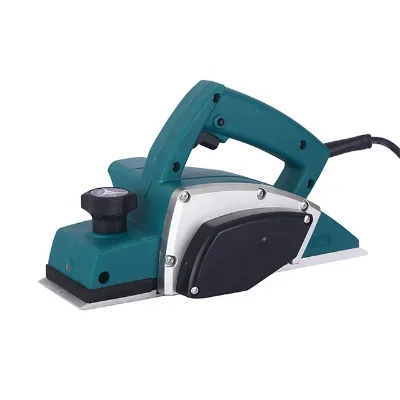


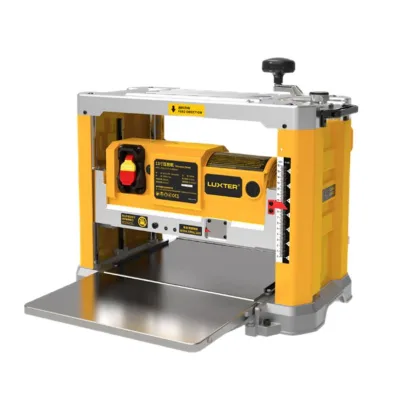
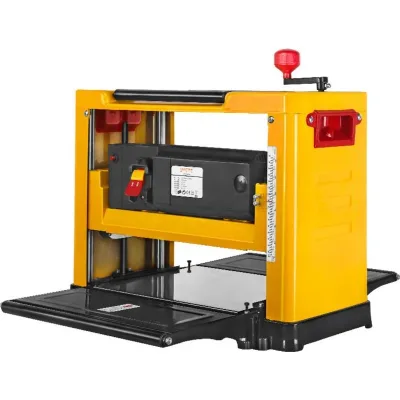
Electric 2000W Portable Woodworking Table Planer Benchtop Planer Wood Thickness Planer
$150.00 - $152.00
MOQ: 5 Pieces


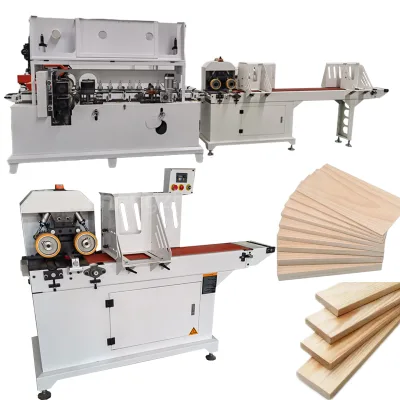
Portable Hand 4 Side Wood Planer Wood Machine Electric Planers Machine
$1579.00 - $6299.00
MOQ: 1 sets


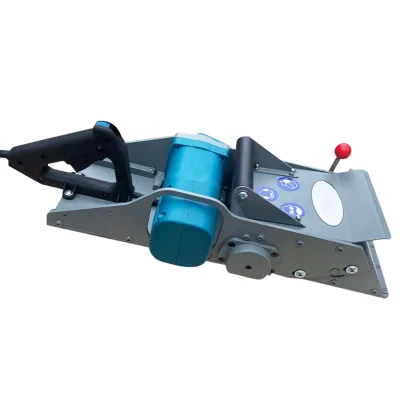
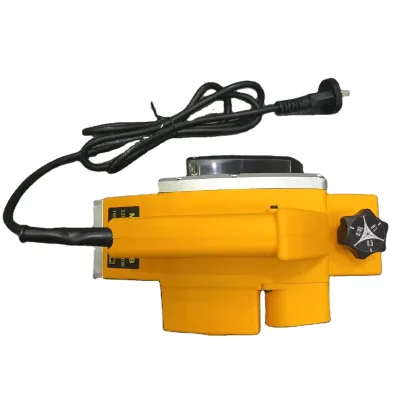
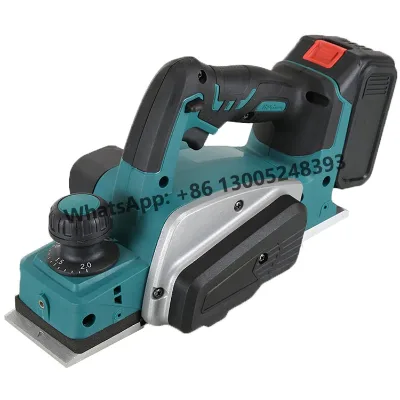
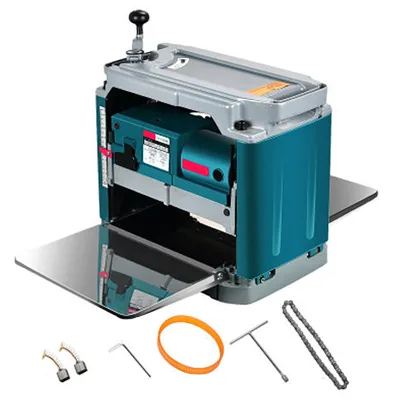
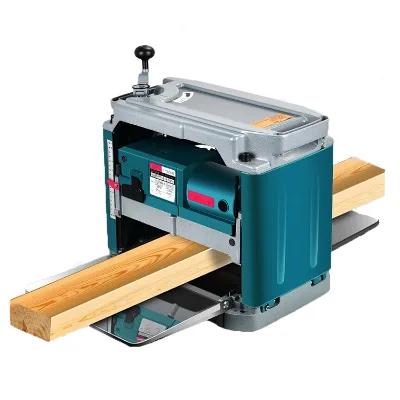
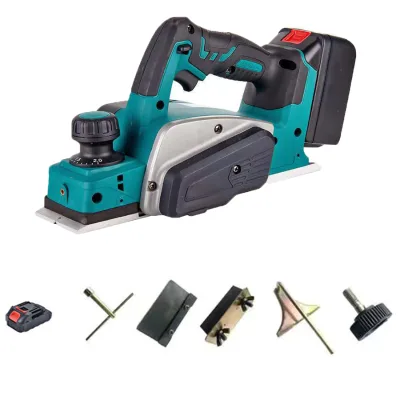
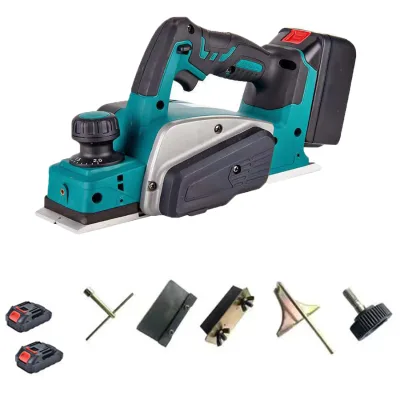
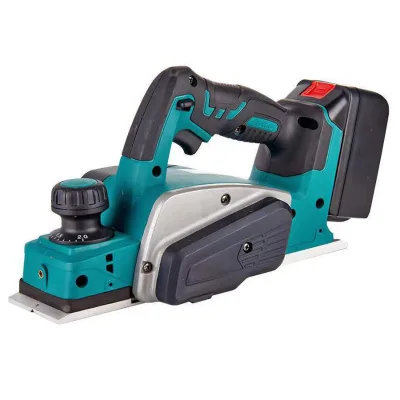
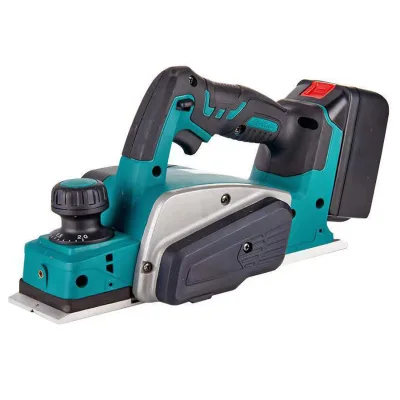
DIY Lithium Battery Portable Wood Working Machine Polisher Industrial Electric Planer
$20.4758 - $33.9547
MOQ: 1 sets


Comprehensive Sourcing Guide
Portable Electric Wood Planer Sourcing Guide
Sourcing portable electric wood planers requires a clear understanding of the diverse product landscape available from manufacturers, particularly those originating from regions like Jilin, China. Buyers must navigate a wide array of listings that vary significantly in specifications, intended use cases, and commercial terms. The market offers everything from lightweight DIY tools to heavy-duty industrial machines, each with distinct operational characteristics. Understanding these differences is crucial for aligning procurement with specific project needs, whether for small-scale carpentry or large-scale manufacturing operations.
The observed market data indicates a broad price range and varying minimum order quantities, reflecting the heterogeneity of the supply base. Some listings highlight features such as CE, ISO, and FDA certifications, while others focus on specific technical attributes like motor power or planing width. Buyers should approach these listings with a critical eye, verifying that the stated capabilities match their actual operational requirements. This guide provides a structured approach to evaluating these products, ensuring that procurement decisions are based on verified facts rather than marketing claims.
Product Scope and Observed Listing Signals
The product scope for portable electric wood planers encompasses a variety of types, including flat planers and general power tools designed for wood working. Listings often specify the product name as an electric hand planer, with applications ranging from DIY projects to industrial wood working tasks. The observed data shows that these tools are typically electric, with power sources such as 800W motors, and are available in colors like green. The customization options are available, allowing for OEM and ODM support, which is essential for buyers seeking branded or specialized equipment.
Observed listing signals reveal significant variation in technical specifications and packaging details. For instance, some products are packed in wooden crates, while others use carton or iron frame packaging. The working width can range from 200-400mm, and the working depth is often less than 100mm. Buyers should pay close attention to these details, as they directly impact the tool's suitability for specific tasks. The presence of multiple certification marks, such as CE and ISO, suggests a focus on quality and safety, but buyers must verify these claims independently.
Technical Specifications to Verify
When evaluating technical specifications, buyers must focus on key performance indicators such as spindle speed, motor power, and planing dimensions. The observed data indicates that spindle speeds are typically less than 5000rpm, and motor power is often under 5KW, with some specific models listing 800W. The maximum planing width can vary, with some tools supporting up to 82mm or 400mm, while the maximum planing depth is usually between 2mm and 3mm. These parameters are critical for determining the tool's efficiency and capability in different wood working scenarios.
Other important specifications include the voltage requirements, which are commonly 220v, and the weight of the unit, which can be around 300kg for heavier industrial models. Buyers should also consider the type of drivetrain, whether it is a main drivetrain or a feed drivetrain, as this affects the tool's operation and maintenance needs. The thickness of press planing and max sawing thickness are additional factors that may influence the choice of tool. Verifying these details ensures that the selected planer meets the specific technical demands of the intended application.
Compliance and Safety Documentation
Compliance and safety are paramount when sourcing electric wood planers, especially given the diverse certification landscape observed in the market. Listings frequently mention certifications such as CE, ISO, and FDA, which indicate adherence to specific regional and international standards. However, buyers must verify the validity and scope of these certifications, as they may not apply to all models or variants within a product line. Ensuring that the tool meets the safety regulations of the destination country is essential to avoid legal and operational issues.
In addition to certifications, buyers should request detailed safety documentation, including user manuals, maintenance guides, and risk assessments. These documents provide critical information on safe operation, potential hazards, and emergency procedures. The observed data also highlights the importance of understanding the tool's electrical specifications, such as voltage and power source, to ensure compatibility with local power grids. Proper documentation not only enhances safety but also facilitates smoother integration into existing workflows and maintenance routines.
Cost Drivers and Commercial Terms
Cost drivers for portable electric wood planers include factors such as material quality, manufacturing complexity, and certification requirements. The observed price range of 12.67-9000 USD reflects the wide variation in product quality and features. Buyers should consider the total cost of ownership, including maintenance, spare parts, and energy consumption, rather than just the initial purchase price. The supply ability, often listed as 1000 cartons per month, can also impact pricing and availability, especially for large orders.
Commercial terms such as minimum order quantity (MOQ) and packaging details are also significant. The observed MOQ range of 1-500 units offers flexibility for different buyer sizes, while packaging options like wooden packing or iron frame packaging affect shipping costs and product protection. Buyers should negotiate clear terms regarding delivery times, payment methods, and after-sales support. Understanding these commercial aspects helps in making informed decisions that balance cost efficiency with quality and reliability.
Supplier Qualification and Quality Control
Supplier qualification is a critical step in ensuring the reliability and consistency of portable electric wood planers. Buyers should assess suppliers based on their production capabilities, quality control processes, and track record. The observed data indicates that many suppliers are located in China, with specific origins like Jilin province. Verifying the supplier's manufacturing facilities and quality management systems is essential to ensure that products meet the specified standards and performance criteria.
Quality control measures should include regular inspections, testing, and certification audits. Buyers should request samples for evaluation and conduct thorough checks on key specifications such as motor power, planing width, and safety features. The observed customization options, including OEM and ODM support, suggest that suppliers are capable of meeting specific buyer requirements. Establishing a strong relationship with a qualified supplier ensures consistent product quality and reliable supply chain performance.
Long-Term Procurement Checks
Long-term procurement checks involve monitoring supplier performance, product quality, and market trends to ensure ongoing value. Buyers should establish key performance indicators (KPIs) to track delivery times, product defect rates, and customer satisfaction. Regular audits and feedback loops help identify areas for improvement and maintain high standards. The observed data on supply ability and customization support indicates that suppliers are capable of scaling and adapting to changing market demands.
Additionally, buyers should stay informed about technological advancements and regulatory changes in the wood working industry. This includes updates on safety standards, energy efficiency requirements, and new product innovations. By maintaining a proactive approach to procurement, buyers can mitigate risks, optimize costs, and ensure that their portable electric wood planers remain competitive and effective in the long run. Continuous evaluation and adaptation are key to sustaining successful procurement outcomes.
FAQs
What is the maximum planing width for this Portable Electric Wood Planer?
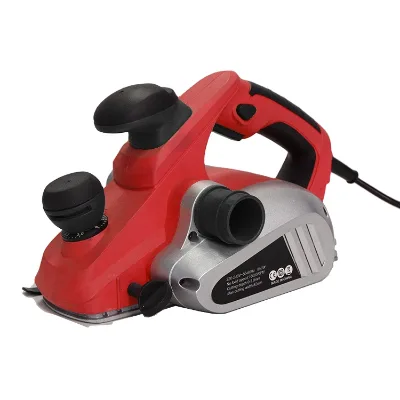
The maximum planing width is 82mm for the handheld model and up to 400mm for the stationary flat planer. This allows users to choose the right tool based on whether they need a compact DIY device or a heavy processing machine for industrial wood working applications.
Can I customize the Portable Electric Wood Planer for my brand?
Yes, customization is available with OEM and ODM support for these machines. Buyers can request specific modifications to meet their brand requirements. The products are designed for both DIY and industrial grades, ensuring that custom solutions can be tailored to various professional wood working needs and specifications.
What certifications do these wood planers hold?
These portable electric wood planers hold CE, ISO, and FDA certifications. These credentials ensure that the machinery meets international safety and quality standards. Buyers can rely on these documented certifications when sourcing equipment for regulated markets, ensuring compliance with global manufacturing and operational requirements for wood working tools.
What is the typical MOQ for ordering these electric hand planers?
The minimum order quantity is 1 unit for these portable electric wood planers. This low MOQ allows buyers to test the product quality before committing to larger orders. It supports flexible procurement strategies for small businesses or individual contractors who need specific wood working machines without large initial inventory investments.
How much does the Portable Electric Wood Planer weigh?
The weight is listed as 300kg for the larger flat planer models. This indicates that while some units are handheld, the heavy processing variants are substantial industrial machines. Buyers should consider this weight when planning logistics and installation, as it affects handling requirements and the stability needed for heavy processing tasks.
What is the power source and voltage for these planers?
These portable electric wood planers use an electric power source with a voltage of 220v. The motor power is typically under 5Kw, with specific models rated at 800W. This ensures compatibility with standard industrial power supplies while providing sufficient energy for efficient wood working operations and consistent planing performance.