Source Woodworking Hydraulic Cold Press Machine for Laminating
Find and compare 30 Woodworking Hydraulic Cold Press Machine options from China. Evaluate models like MYJ50T and OR-60T based on pressure, automation, and dimensions to select the right equipment for your manufacturing needs; compare the available evidence and request quotations based on your requirements.
Updated
Key considerations
Products List


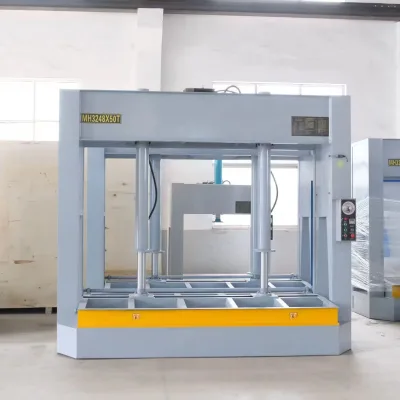
Cold Press Machine with Hydraulic System Woodworking Machine for Wood Doors
$2000.00 - $5000.00
MOQ: 1 Pieces


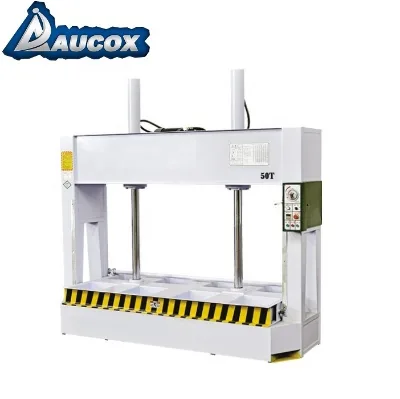
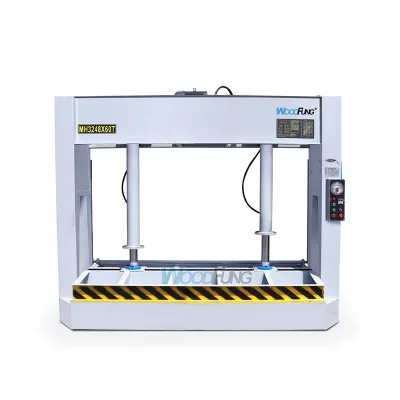
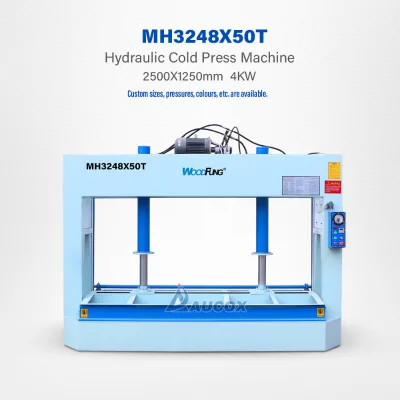
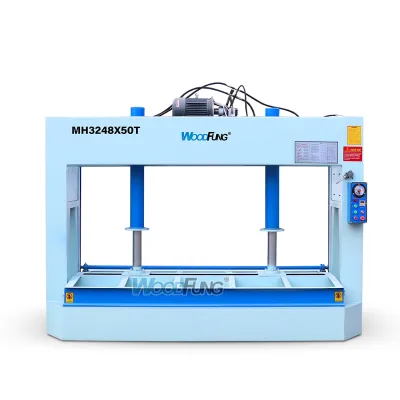


50t Woodworking Plywood Hydraulic Cold Press Machine for Woodworking
$5100.00 - $13500.00
MOQ: 1 Pieces


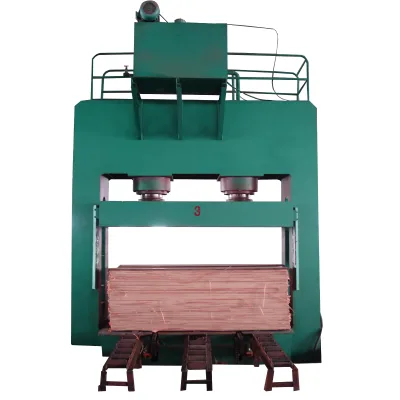
Hydraulic Cold Press Machine Woodworking Machinery Pre Press Machine
$23000.00 - $28000.00
MOQ: 1 pieces

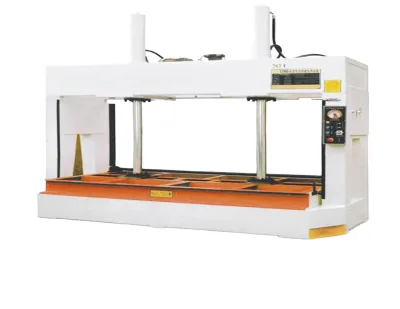
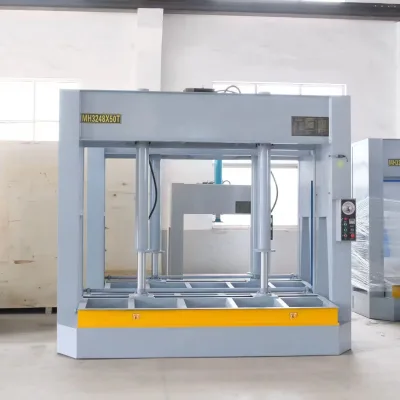
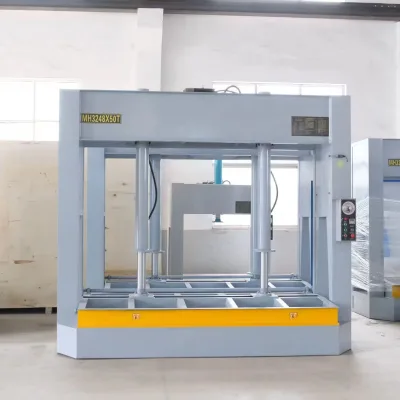

Comprehensive Sourcing Guide
Woodworking Hydraulic Cold Press Machine Sourcing Guide
The market for woodworking hydraulic cold press machines presents a diverse range of configurations, primarily distinguished by their pressure capacity and automation levels. Buyers observe models ranging from 50-ton to 80-ton capacities, with specific units like the MYJ50T and MYJ80T offering distinct worktable dimensions and platen sizes. These machines are generally designed for flat pressing applications, utilizing a frame structure that supports single-layer processing. The observed listings indicate a strong presence of semiautomatic and fully automatic grades, allowing procurement teams to select equipment that matches their specific production throughput requirements without over-investing in unnecessary automation.
Operational modes vary significantly across the available inventory, with some units operating in a period mode while others support continuous workflows. The controlling mechanisms range from manual artificial control to advanced CNC systems, directly influencing the precision and labor intensity of the pressing process. Hydraulic power is a critical component, with pump powers typically listed between 4kw and 5.5kw depending on the model. Buyers must carefully align these technical attributes with their facility's power infrastructure and the specific material thicknesses they intend to process to ensure optimal machine performance and energy efficiency.
Product Scope and Observed Listing Signals
When evaluating product listings, the physical dimensions of the worktable and platen are primary indicators of the machine's capacity to handle large-scale woodworking projects. Observed specifications include worktable sizes of 12502500 mm and 25001250 mm, alongside platen dimensions reaching up to 1300*2500 mm. These measurements define the maximum surface area available for bonding or pressing operations, making them essential for determining if the machine can accommodate standard sheet goods or custom-sized components. Procurement teams should verify these dimensions against their actual production floor space and material handling capabilities before finalizing a purchase.
Packaging and structural design also serve as key signals for the machine's intended logistics and durability. Most units are shipped in simplified packages or standard wooden cases, with overall dimensions varying from approximately 2960 mm in length to 3400 mm in height. The structural frame type is consistently noted across listings, providing the necessary rigidity for high-pressure operations. Additionally, the presence of customization options suggests that suppliers may offer tailored configurations for specific industrial needs. Buyers should scrutinize these packaging details to estimate shipping costs and ensure the equipment can be safely transported and installed within their facility constraints.
Technical Specifications to Verify
Pressure capacity and hydraulic system performance are the most critical technical parameters to validate during the sourcing process. Listings indicate maximum pressures ranging from 50 tons to 80 tons, with some models specifying a total pressure of 60 tons. The hydraulic pump power, typically listed as 4kw or 5.5kw, directly correlates with the machine's ability to maintain consistent pressure during the cold pressing cycle. It is imperative to confirm that the specified pressure ratings align with the material density and bonding requirements of the intended application to prevent under-performance or structural failure during operation.
The working speed and cylinder configuration further define the operational efficiency of the cold press machine. Observed working speeds are recorded at 180mm/Min, while the number of cylinders is often specified as two, influencing the stability and uniformity of the pressing force. Buyers must verify the lifting height, which is noted as 1.2m in some models, to ensure compatibility with their material loading systems. Additionally, the distinction between low and high platen surface pressure capabilities should be confirmed, as this affects the quality of the bond and the suitability of the machine for different wood types and adhesive applications.
Compliance and Safety Documentation
Certification status is a fundamental requirement for ensuring that the Woodworking Hydraulic Cold Press Machine meets international safety and quality standards. The observed listings frequently cite CE and ISO certifications, which indicate compliance with European safety directives and general quality management systems. Buyers must request valid certification documents for the specific model being purchased, as these documents serve as proof that the machine has undergone rigorous testing for electrical safety, mechanical integrity, and operator protection. Relying on general claims without verifying the specific certificate numbers can expose the buyer to significant regulatory and liability risks.
Safety documentation should also include detailed operational manuals and risk assessment guides that address the specific hazards associated with hydraulic systems. While some listings mention ISO standards, the exact standard numbers provided in background context should not be assumed to apply without explicit confirmation from the supplier. Procurement teams should verify that the machine includes all necessary safety guards, emergency stop mechanisms, and pressure relief valves as mandated by local regulations. Ensuring that the supplier provides comprehensive safety documentation is essential for maintaining a safe working environment and avoiding potential accidents during the installation and operation phases.
Cost Drivers and Commercial Terms
The pricing of woodworking hydraulic cold press machines is influenced by a combination of pressure capacity, automation level, and structural complexity. Observed price ranges in the market span from 1000 to 28000 USD, reflecting the significant variation between basic semiautomatic units and advanced CNC-controlled systems. The total power consumption, weight, and overall dimensions of the machine also contribute to the final cost, as heavier and more powerful units require more robust materials and larger shipping containers. Buyers should analyze these cost drivers to understand the value proposition of each model and avoid overpaying for features that do not align with their production needs.
Commercial terms such as minimum order quantity (MOQ) and packaging specifications play a crucial role in the total cost of ownership. The observed MOQ for these machines is consistently listed as 1, allowing for flexible procurement strategies for small to medium-sized enterprises. Packaging options, ranging from simplified packages to standard wooden cases, impact both the initial purchase price and the logistics costs associated with international shipping. Buyers must negotiate clear terms regarding delivery, installation support, and after-sales service to ensure that the total investment remains within budget while meeting all operational requirements.
Supplier Qualification and Quality Control
Supplier qualification should be based on a thorough review of their manufacturing capabilities and adherence to quality control protocols. The origin of these machines is consistently listed as China, indicating a specific supply chain ecosystem that buyers must navigate. It is essential to verify the supplier's track record in producing hydraulic cold press machines and their ability to maintain consistent quality across different production batches. Buyers should request evidence of their quality management systems and inquire about their process for inspecting critical components like hydraulic pumps and cylinders before shipment.
Quality control measures must extend beyond the final inspection to include pre-shipment testing and documentation. The observed listings mention various models with specific dimensions and weights, suggesting a standardized production process. However, buyers should insist on witnessing or receiving detailed test reports that confirm the machine's performance against the stated specifications, such as maximum pressure and working speed. Establishing a clear communication channel with the supplier for addressing any discrepancies or defects is vital for ensuring that the delivered equipment meets the required standards and functions reliably in the buyer's facility.
Long-Term Procurement Checks
Long-term procurement success depends on establishing a robust framework for ongoing maintenance and performance monitoring. Buyers should verify the availability of spare parts and the supplier's commitment to providing technical support over the lifespan of the machine. The observed specifications, including net weights and overall dimensions, should be used to plan for future maintenance access and potential upgrades. Ensuring that the supplier offers a comprehensive warranty and clear guidelines for routine maintenance will help minimize downtime and extend the operational life of the cold press machine.
Regular audits of the machine's performance against the original specifications are necessary to detect any degradation in quality or efficiency. Buyers should track key metrics such as pressure consistency, working speed, and energy consumption to identify any deviations that may indicate underlying issues. Maintaining a detailed record of all maintenance activities and repairs will facilitate troubleshooting and support future procurement decisions. By proactively managing the machine's lifecycle, buyers can ensure that their investment continues to deliver value and meets the evolving demands of their woodworking production processes.
FAQs
What certifications do these cold press machines have?
The machines are certified with CE and ISO standards to ensure safety and quality compliance. These certifications verify that the equipment meets international regulatory requirements for industrial machinery. Buyers can rely on these marks for import clearance and operational safety in various global markets without additional validation.
What is the maximum pressure capacity available?
The available models offer maximum pressures of 50 tons, 80 tons, and 60 tons. Specific models like the MYJ50T and MH3284*50 provide 50-ton capacity, while the MYJ80T reaches 80 tons. The OR-60T model delivers a total pressure of 60 tons, allowing selection based on specific pressing force requirements.
Can the machines be customized for specific needs?
Yes, customization is available for these hydraulic cold press machines. Buyers can request modifications to suit particular production workflows or material types. This flexibility ensures the equipment integrates smoothly into existing factory layouts and meets unique operational demands without compromising the core hydraulic performance or structural integrity.
What is the typical packaging method for shipment?
Packaging options include simplified packages and standard wooden cases. The MYJ50T uses a simplified package, while models like MH3284*50 and MH3284 are packed in standard wooden cases. This robust packaging protects the heavy machinery during transit from China, ensuring the equipment arrives in optimal condition for immediate installation.
What are the key specifications for the MYJ80T model?
The MYJ80T features a worktable size of 2500 by 1250 mm and a maximum pressure of 80 tons. It is designed for high-capacity cold pressing tasks. The model number clearly identifies this specific configuration, helping buyers distinguish it from other variants like the MYJ50T or MH series based on table dimensions and force output.
How is the machine controlled during operation?
Control modes vary by model, including artificial and CNC options. Some units operate with artificial control modes for manual oversight, while advanced models feature CNC controlling modes for automated precision. This range allows buyers to choose between hands-on operation and fully automated processes depending on their production volume and labor strategy.