Source Portable Hair Scalp Detection Machine for Salon, Home, Clinic
Explore 30 Portable Hair Scalp Detection Machine options for salon, home, and clinic use. Compare features like HD imaging, adjustable clarity, and multifunctional capabilities from verified suppliers offering customization and warranty support; compare the available evidence and request quotations based on your requirements.
Key considerations
Products List


Scalp Analyzer Hair Follicles Scalp Detector Digital Analyzer Hair-Loss Treatment
$160.00 - $225.00
MOQ: 1 Pieces

Hair Scalp Care Machine with Hair Follicle Detection Analysis Skin Tester Scalp Detector
$244.00 - $280.00
MOQ: 1 Pieces

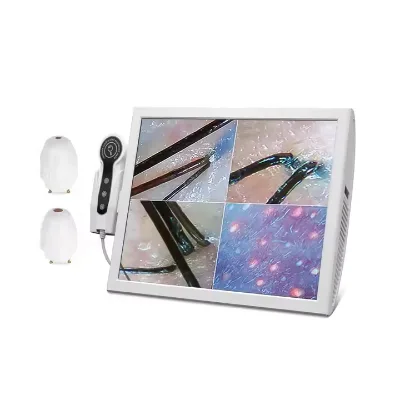
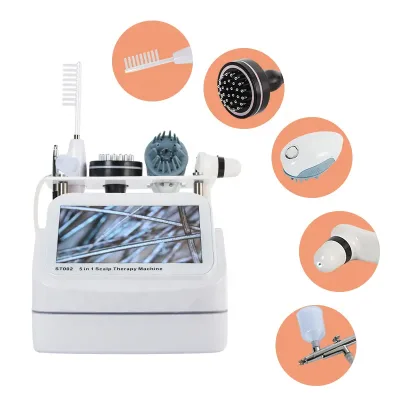


Hair Scalp Treatment Hair Follicle Detection Analysis Hair Regrowth Scalp Machine
$399.00 - $649.00
MOQ: 1 Pieces


Hair Follicles Scalp Scanner Detector Scalp Analyzer Skin Hair Analysis Machine
$339.00 - $379.00
MOQ: 2 piece


7in1 Hair Head Massage High Frequency Hair Scalp Analyzer Machine Scalp Massagers
$220.00 - $280.00
MOQ: 1 piece

7in1 Hair Scalp Detector Microscope Scalp Care Treatment Hair Analysis Device
$350.00 - $410.00
MOQ: 2 piece

5-in-1 Hair Scalp Analyzer Hair Loss Scalp Massager Detection Follicle Analysis
$339.00 - $379.00
MOQ: 2 piece

Comprehensive Sourcing Guide
Portable Hair Scalp Detection Machine Sourcing Guide
Procuring a Portable Hair Scalp Detection Machine requires a clear understanding of the device’s intended operational environment, whether for a high-traffic salon or a mobile home-care service. The market offers distinct configurations, ranging from compact, non-coated lens units designed for portability to larger, stationary systems featuring high-definition displays and advanced 3D topography analysis. Buyers must first determine if their primary need is for a lightweight, gift-box packaged unit suitable for retail or a robust, flight-case equipped system for professional clinical use. This initial distinction dictates the subsequent technical and commercial requirements, ensuring that the selected hardware aligns with the specific workflow and spatial constraints of the end-user.
The diversity in product models, such as the WD-2142, SA14, and SA13, highlights the importance of matching specific features to business goals. Some units prioritize multi-spectrum detection with optical amplification, while others integrate AI-driven analysis and massage functionalities. Understanding these variations is critical for procurement teams, as the choice between a simple 7-in-1 scanner and a multifunctional integrated system directly impacts the service offerings and pricing strategy of the salon or clinic. A thorough evaluation of these model-specific attributes ensures that the investment delivers the desired diagnostic clarity and operational efficiency without unnecessary complexity or cost.
Product Scope and Observed Listing Signals
The observed market signals indicate a wide price range, typically spanning from $36 to $980 USD, which reflects significant variation in build quality, screen size, and technological sophistication. Minimum order quantities (MOQ) are generally low, ranging from 1 to 2 units, making these devices accessible for small businesses and individual practitioners. Listings frequently highlight features such as HD displays, adjustable image clarity, and multi-language support, which are essential for international salon chains. Buyers should interpret these signals as indicators of the broad spectrum of available options, rather than assuming all units possess every listed feature, and carefully cross-reference specifications against their specific diagnostic needs.
Product origins are predominantly listed as China, with specific mentions of Guangzhou as a manufacturing hub, suggesting a concentrated supply chain for these beauty tech devices. The packaging varies significantly, from standard cartons and gift boxes for retail-ready units to heavy-duty flight cases for professional-grade equipment. This variation in packaging often correlates with the device’s durability and the level of protection required during transit. Procurement teams should consider the end-user’s handling environment when evaluating packaging options, as robust packaging can reduce damage rates and enhance the perceived value of the product, particularly for high-end models intended for frequent transport or high-volume use.
Technical Specifications to Verify
When evaluating technical specifications, the screen size and interface type are primary differentiators, with options ranging from standard displays to 15.6-inch multimedia touch screens. Buyers must verify the probe working mode, as some systems operate probes individually while others offer integrated analysis. The detection multiple, often cited as 200X optical amplification combined with 50X triple spectrum or 4-color spectrum analysis, is crucial for diagnostic accuracy. It is essential to confirm whether the device supports 3D topography analysis technology, which provides deeper insights into scalp health, and to ensure that the voltage compatibility, such as AC 110-220V or AC 100-260V, matches the local electrical infrastructure to prevent operational failures.
Internal memory and processing capabilities also play a vital role in the user experience, with some advanced models featuring dual-channel LP DDR4 RAM and 4GB storage for efficient data handling. The light spectrum options, including white light, positive polarization, and negative polarization, determine the depth of analysis possible for epidermis, dermis, and UV layers. Buyers should verify the material composition, such as industrial-grade ABS, to ensure durability, and confirm the presence of multi-point capacitive touch modes for intuitive operation. Additionally, checking for OEM/ODL acceptance is important for brands seeking to customize the device with their own logo or specific software interfaces, ensuring brand consistency across their service offerings.
Compliance and Safety Documentation
Compliance with international safety and environmental standards is non-negotiable for medical-adjacent beauty devices. Buyers must request and verify certificates such as CE, RoHS, and ISO, which indicate adherence to European health, safety, and environmental protection standards. These certifications are critical for importing devices into regulated markets and for building trust with professional clients who prioritize safety. It is important to note that while some listings mention these certifications, buyers should independently verify the validity of these documents with the issuing bodies to avoid counterfeit or expired compliance claims, ensuring that the devices meet the legal requirements for sale and operation in their target regions.
Warranty terms and after-sales support are equally important components of the compliance and safety framework. A standard two-year warranty is commonly observed, providing a baseline for manufacturer responsibility regarding defects and performance issues. Buyers should clarify the scope of this warranty, including whether it covers parts, labor, and shipping costs for repairs, and understand the process for claiming warranty service. Additionally, verifying the availability of spare parts, such as replacement probes or screens, is essential for long-term operational continuity. Clear documentation of these support terms helps mitigate the risk of downtime and ensures that the procurement investment is protected over the device’s lifecycle.
Cost Drivers and Commercial Terms
The cost of a Portable Hair Scalp Detection Machine is driven by several key factors, including the complexity of the optical system, the size and quality of the display, and the integration of advanced technologies like AI analysis. Higher-priced units typically offer superior image clarity, larger touch screens, and more comprehensive diagnostic features, such as multi-spectrum analysis and 3D topography mapping. Buyers should align their budget with the specific features required for their service model, avoiding over-investment in unnecessary capabilities while ensuring that the chosen device meets the necessary diagnostic standards for their clientele. Understanding these cost drivers allows for more accurate budgeting and ROI calculations.
Commercial terms, including payment methods, shipping arrangements, and customization options, significantly impact the total cost of ownership. Many suppliers offer OEM/ODM services, allowing for branding and customization, which may incur additional costs but enhance brand value. Buyers should negotiate clear terms regarding shipping, especially for heavy or fragile items packaged in flight cases, to avoid unexpected logistics expenses. Additionally, understanding the lead times for production and delivery is crucial for inventory planning. Clear communication regarding these commercial terms ensures that the procurement process is transparent and that the final delivered product meets both financial and operational expectations.
Supplier Qualification and Quality Control
Supplier qualification is a critical step in ensuring the reliability and quality of the sourced devices. Buyers should assess the supplier’s manufacturing capabilities, including their experience in producing beauty tech equipment and their adherence to quality management systems. Requesting detailed product specifications, technical datasheets, and compliance certificates helps verify the supplier’s credibility. It is also important to inquire about the supplier’s quality control processes, including pre-shipment inspections and testing procedures, to ensure that each unit meets the specified standards. Engaging with suppliers who demonstrate transparency and a commitment to quality reduces the risk of receiving defective or non-compliant products.
Establishing a robust quality control protocol is essential for maintaining consistency across multiple units, especially for larger orders. Buyers should define clear acceptance criteria for image clarity, screen responsiveness, and probe functionality before shipment. Conducting sample testing or requesting video demonstrations of the device in operation can provide valuable insights into its performance. Additionally, establishing a clear communication channel for addressing any post-delivery issues ensures that problems are resolved promptly. By prioritizing supplier qualification and implementing rigorous quality control measures, buyers can secure a reliable supply of high-quality portable hair scalp detection machines that meet their professional standards.
Long-Term Procurement Checks
Long-term procurement success depends on regular performance monitoring and supplier relationship management. Buyers should establish key performance indicators (KPIs) for device reliability, customer satisfaction, and service response times to track the ongoing value of the procurement. Regularly reviewing these metrics helps identify potential issues early, such as increased defect rates or declining customer feedback, allowing for proactive corrective actions. Maintaining open communication with the supplier regarding performance data fosters a collaborative relationship and encourages continuous improvement in product quality and service delivery.
Staying informed about technological advancements and market trends is also crucial for long-term procurement strategy. The beauty tech industry is rapidly evolving, with new features and technologies emerging regularly. Buyers should periodically reassess their needs and explore new product offerings to ensure they remain competitive. This may involve upgrading to newer models with enhanced AI capabilities or improved diagnostic accuracy. By continuously evaluating their procurement strategy and staying adaptable to market changes, buyers can ensure that their portable hair scalp detection machines continue to deliver value and support their business growth over time.
FAQs
What is the warranty period for portable hair scalp detection machines?
The warranty period is typically 2 years for these devices. This coverage ensures long-term reliability for salon and home use. Buyers should verify specific terms with the supplier to confirm if parts or labor are included in the standard warranty package.
Can these machines be customized for specific branding needs?
Yes, customization is available for many portable hair scalp detection machines. Suppliers often accept OEM and ODM requests to tailor the device. This allows businesses to add their logo or modify features to meet specific market requirements effectively.
What certifications are commonly required for these scalp analyzers?
Common certifications include CE, RoHS, and ISO standards. These documents verify that the device meets international safety and quality regulations. Buyers should request valid certificates to ensure compliance with local import laws and professional usage standards in their region.
How does the screen size affect the user experience?
Larger screens, such as 15-inch multimedia touch displays, enhance image clarity and ease of use. This feature allows for better visualization of scalp conditions. Touch interfaces also simplify navigation, making the device more efficient for both professional stylists and home users.
What is the typical voltage range for these devices?
Most models operate on AC 110-220V with 50-60Hz frequency. This wide range ensures compatibility with power systems in various countries. Buyers should check the specific voltage requirements to avoid the need for additional converters during international shipping and installation.
What is the minimum order quantity for bulk purchases?
The minimum order quantity is typically 1 to 2 units. This low MOQ allows small businesses to test the product before committing to larger orders. It provides flexibility for startups and individual salons looking to invest in professional scalp analysis technology.