Find Portable Hand Held Facial Machine for Salon, Home, and Spa
Source a Portable Hand Held Facial Machine from 30 verified options featuring ultrasonic therapy, deep penetration, and anti-wrinkle functions. Compare models like B-803 and B-8121 with CE approval, varying power ratings, and customizable colors for professional and home use.
Key considerations
Products List


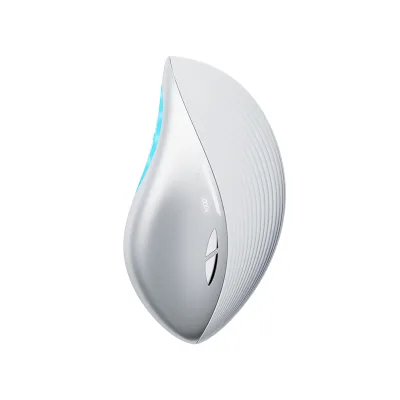


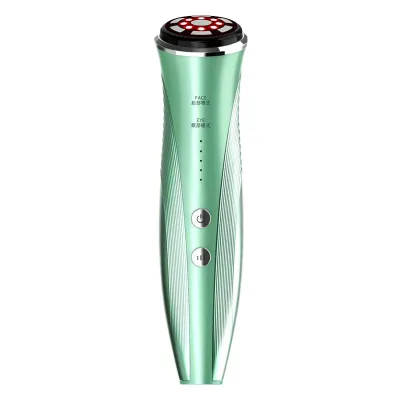
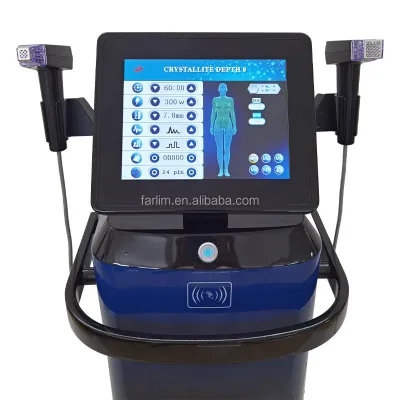
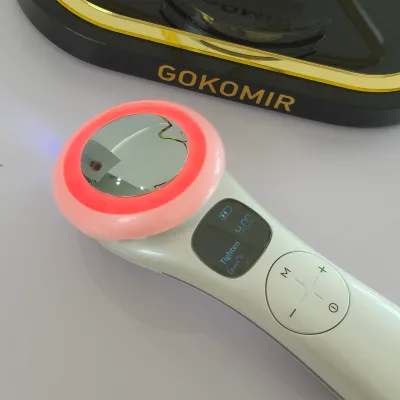

Portable Style Ultrasonic Beauty Equipment for Skin Tightening/Face Lift
$600.00 - $630.00
MOQ: 1 Pieces


Comprehensive Sourcing Guide
Sourcing Guide for Portable Handheld Facial Machines
Understanding the Product Category and Core Applications
The market for portable handheld facial machines encompasses a diverse range of devices designed for both professional salon environments and home-based personal care. These units are engineered to deliver targeted aesthetic treatments through various technological mechanisms, including ultrasonic therapy, high-frequency currents, and galvanic stimulation. The primary application scope identified in current product listings includes salon usage and home use, indicating that these devices are built to withstand the rigors of commercial frequency while remaining accessible for individual consumers.
When sourcing these devices, buyers must recognize that "portable" is a critical attribute, though not universal across all models. Some units are explicitly marketed as portable and handheld, often featuring carrying cases for ease of transport. Conversely, other models in the same category may be classified as non-portable, suggesting a fixed installation or a different form factor intended for stationary use. This distinction is vital for procurement teams to verify against their specific operational needs. The core functions observed in the current supply base include deep penetration of treatment agents, reduction of cellulites, elimination of fine lines, and acceleration of metabolism. Additional specialized functions range from germicidal properties and decongesting capabilities to wound healing assistance and anti-wrinkle treatments. High-frequency models also offer capabilities for galvanic skin lifting, vacuum extraction of impurities, and the spraying of nutritional serums.
Technical Specifications and Functional Capabilities
Technical evaluation of portable handheld facial machines requires a granular understanding of the power specifications and functional modes available. Power consumption varies significantly across different models, with observed ratings ranging from 10W to 100W. Lower wattage units, such as those rated at 10W, are often associated with specific therapeutic functions like wound healing or anti-wrinkle treatments. Higher wattage units, reaching up to 100W, are typically associated with more intensive procedures like high-frequency therapy, galvanic lifting, and vacuum impurity removal.
The electrical standards for these devices generally support a broad voltage range to accommodate international markets. Standard specifications often indicate compatibility with AC110V and 220V inputs, operating at frequencies of 50-60Hz. This dual-voltage capability is essential for buyers sourcing for global distribution or multi-region retail chains. The therapy types identified include ultrasonic technology, which is commonly linked to deep penetration and cellulite reduction, as well as high-frequency and galvanic methods.
A comparison of key technical attributes across different model lines helps clarify the functional diversity available in the market:
| Feature Category | Model A (Ultrasonic Focus) | Model B (High Frequency Focus) | Model C (Multi-Function) |
|---|---|---|---|
| Primary Function | Deep Penetration, Cellulite Reduction | High Frequency, Galvanic Lifting | Vacuum Extraction, Nutrition Spray |
| Power Rating | 20W | 100W | 10W |
| Portability | Portable | Non Portable | Portable / Handheld |
| Therapy Type | Ultrasonic | High Frequency / Galvanic | Multi-Mode |
| Additional Features | Reduces Cellulites, Eliminates Fine Lines | Speckle Remover, Decongesting | Wound Healing, Anti-Wrinkle |
Buyers should verify the specific model numbers, such as B-803, B-8121, B-801, LW-018, B-6251, and b-8125, to ensure the technical specifications align with the intended treatment protocols. The presence of a carrying case is a notable feature for portable models, enhancing their utility for mobile practitioners.
Compliance, Certification, and Safety Standards
Compliance with international safety standards is a non-negotiable aspect of sourcing beauty and wellness equipment. The most frequently observed certification in the current product landscape is the CE mark, which indicates conformity with health, safety, and environmental protection standards for products sold within the European Economic Area. Several product listings explicitly state CE approval or compliance, and some models also reference RoHS (Restriction of Hazardous Substances) standards, which limit the use of specific hazardous materials in electrical and electronic equipment.
When evaluating suppliers, buyers must treat the presence of a CE mark as a verification point rather than a guaranteed outcome for every unit. The certification status should be confirmed through valid documentation provided by the manufacturer. It is important to note that while CE is a common standard, it does not automatically imply compliance with other regional standards such as FDA regulations in the United States or specific national safety codes in other jurisdictions. Buyers should request copies of the test reports and certification certificates to validate that the specific model being purchased has undergone the necessary testing procedures.
Furthermore, the electrical safety standards must align with the voltage requirements of the destination market. The observed standard of 100-240V, 50-60Hz suggests a design for global adaptability, but the physical plug types and internal wiring must be verified to ensure they meet local electrical codes. The warranty period observed in the market is typically one year, which serves as a baseline for supplier confidence in product durability and safety.
Cost Drivers and Pricing Dynamics
The pricing structure for portable handheld facial machines is influenced by several factors, including the complexity of the technology, the number of functional modes, and the build quality. The observed price range in the market spans from $1 to $16,898 USD. This wide disparity indicates that the category includes both entry-level personal care devices and high-end professional systems with advanced features.
Lower-priced units are often associated with single-function devices, such as basic ultrasonic cleaners or simple high-frequency wands. These models may have lower power ratings and fewer accessories. In contrast, higher-priced units typically offer multi-functional capabilities, combining vacuum extraction, galvanic lifting, and high-frequency therapy into a single handheld unit. These premium models often include more robust packaging, such as foam inserts and standard export cartons, and may come with a wider array of attachments and consumables.
The Minimum Order Quantity (MOQ) is another significant cost driver, with observed ranges from 1 to 300 units. Buyers purchasing for immediate retail stock may find MOQs as low as one unit, facilitating small-batch testing. However, buyers seeking to optimize unit costs through volume discounts may need to commit to orders closer to the 300-unit threshold. The packaging type also impacts cost; units packed in color boxes and standard export cartons may command a different price point compared to those in simple carton boxes.
Supplier Evaluation and Geographic Considerations
Geographic origin plays a crucial role in the supply chain dynamics of these devices. The majority of the observed products originate from Guangzhou, Guangdong, China. This region is a well-established hub for beauty equipment manufacturing, offering a dense ecosystem of suppliers, component manufacturers, and logistics providers. The concentration of suppliers in this area can facilitate efficient communication and faster lead times, which are observed to be within one week for many standard orders.
When evaluating suppliers, buyers should prioritize those who provide clear product specifications and transparent communication regarding customization options. Customization is listed as available for many models, allowing buyers to tailor the device to specific brand requirements or functional needs. The ability to customize color, as indicated by "Choosable" or "as Picture" attributes, is a common feature that adds value for branding purposes.
Buyers should also assess the supplier's capacity to handle export logistics, given that the products are packed in standard export cartons or foam-lined boxes. The weight of the units, such as the 6kg gross weight observed for certain models, affects shipping costs and requires appropriate logistics planning. A reliable supplier will provide accurate shipping documentation and ensure that the packaging is robust enough to prevent damage during transit.
Quality Control and Long-Term Procurement Strategies
Ensuring consistent quality in portable handheld facial machines requires a robust quality control (QC) strategy. Given the electronic nature of these devices, testing for electrical safety, functional performance, and durability is essential. Buyers should establish clear acceptance criteria based on the observed specifications, such as power output consistency, voltage compatibility, and the integrity of the therapy functions.
The warranty period of one year serves as a critical indicator of the manufacturer's confidence in their product. However, buyers should not rely solely on the warranty; they must implement pre-shipment inspections to verify that the units meet the agreed-upon standards. This includes checking the packaging for damage, verifying the presence of required certifications, and testing a sample batch for functional performance.
Long-term procurement considerations involve building a sustainable relationship with suppliers who can maintain consistent quality over time. Buyers should look for suppliers who offer ongoing support, including technical assistance and spare parts availability. The availability of customization options suggests that suppliers are willing to adapt to changing market demands, which is a positive indicator for long-term partnership.
In summary, sourcing portable handheld facial machines requires a balanced approach that considers technical specifications, compliance requirements, cost factors, and supplier reliability. By carefully evaluating the diverse range of models available and adhering to strict quality control measures, buyers can secure high-quality products that meet the needs of both professional salons and home users. The wide price range and functional diversity offer opportunities for strategic sourcing, provided that buyers remain vigilant about verifying certifications and specifications against their specific requirements.
FAQs
What are the main functions of portable handheld facial machines?
These devices offer diverse functions including deep penetration, cellulite reduction, and fine line elimination. Some models also provide germicidal properties, decongesting capabilities, and wound healing assistance depending on the specific technology used.
Can these machines be used in both salons and at home?
Yes, the primary application scope includes both salon and home environments. This dual design ensures the units can withstand commercial frequency while remaining accessible for individual consumer use in personal care routines.
What is the typical delivery time for these facial machines?
The standard delivery time is within one week for many standard orders. This rapid turnaround is common for suppliers located in Guangzhou, China, who maintain efficient logistics for export-ready inventory.
Which certifications are commonly found on these devices?
Most models carry CE approval, and some also include RoHS compliance. Buyers should verify specific documentation for these standards as they indicate conformity with health and safety regulations for the European market.
How does the power rating vary across different models?
Power consumption ranges from 10W to 100W depending on the specific model and functions. Lower wattage units often handle wound healing, while higher wattage models support intensive procedures like high-frequency therapy and vacuum extraction.
Is customization available for these portable facial devices?
Customization is available for many models, allowing buyers to tailor features to specific needs. Options often include choosing colors and adjusting specifications to meet brand requirements or functional demands.
What is the warranty period for these products?
The typical warranty period observed in the market is one year. This baseline indicates the manufacturer's confidence in product durability and provides a standard level of protection for the buyer.