hot-dip galvanized steel mega tent Suppliers and Manufacturers
Explore 24 verified options for hot-dip galvanized steel mega tent solutions with customizable dimensions and response times. Compare lead times, certifications, and pricing to select the right partner for your event needs today; review the available evidence before requesting comparable quotations from suitable candidates.
Updated
Suppliers List

Liping Outdoors Manufactory Ltd.
- Combined
- China Guangdong
- Lead time30 days
- Avg. response≤ 5h
Main productsWedding Tent, Party Tent, Marquee Tent, Pole Tent, Gazebo Tent, Canopy Tent, Frame Tent
Main marketsEast Asia(Japan/ South Korea),North America
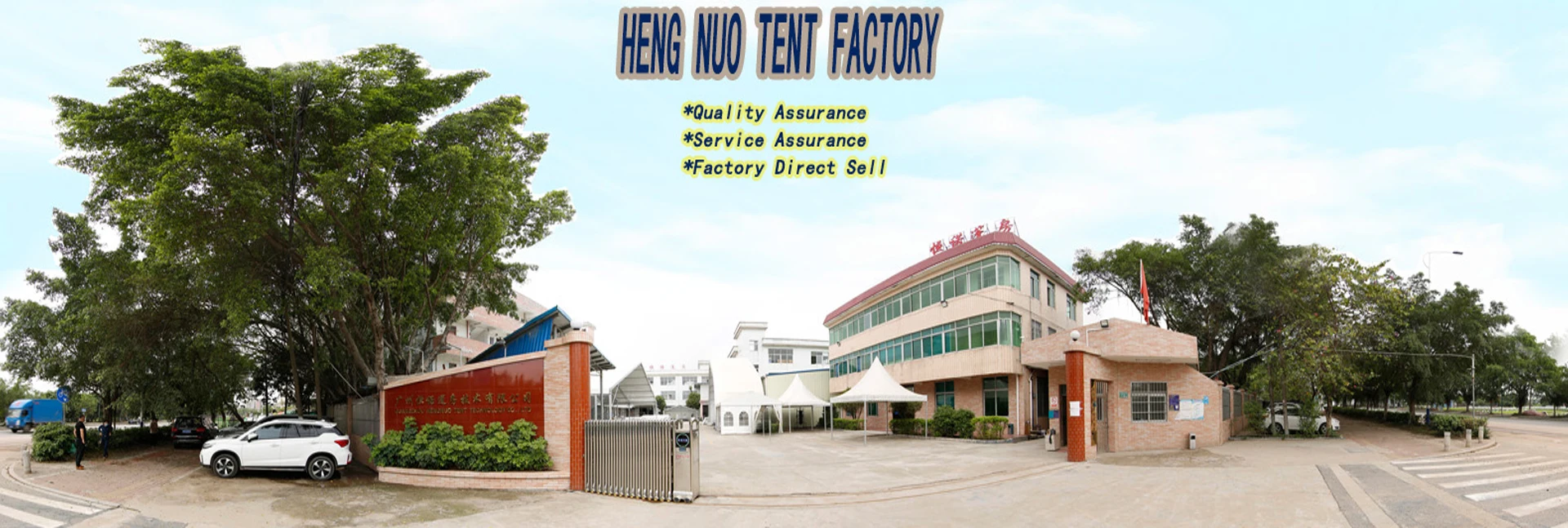
Guangzhou Yunya Yeshe Tent Hotel Construction Co., Ltd.
- Manufacturer
- Guangdong, China
- Lead time15 days
- Avg. response≤ 2h
Main productsAluminum A Frame Tent,Pagoda Tent,Geodesic Dome Tent,Arcum Tent,Curve Tent
Main marketsNorth America(15.00%), Domestic Market(10.00%), Eastern Europe(10.00%), South Asia(10.00%), Northern Europe(9.00%), Mid East(8.00%), Southeast Asia(8.00%), Oceania(5.00%), South America(5.00%), Western Europe(5.00%), Eastern Asia(5.00%), Southern Europe(4.00%), Africa(3.00%), Central America(3.00%)
Langrun Architectural Technology (Guangdong) Co., Ltd.
- Manufacturer, Trading Company
- Guangdong, China
- Lead time30 days
- Avg. response≤ 3h
Main productsA Shape Tent/Pagoda Tent/Dome Tent/Double Layer Tent/Hotel Tent
Main marketsNorth America(0.10%)
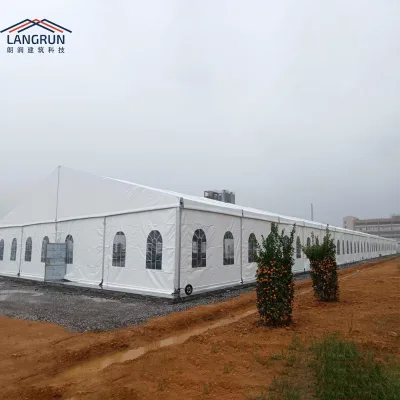
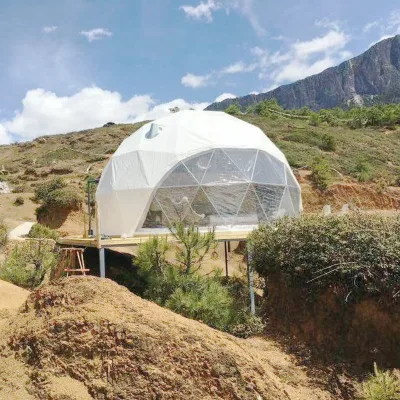
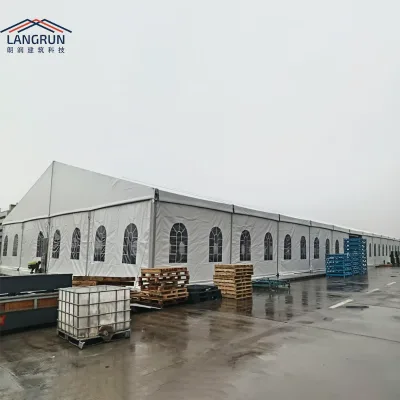
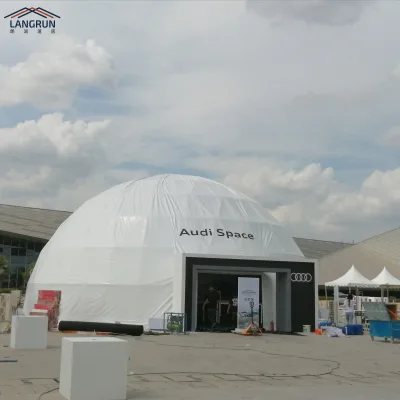
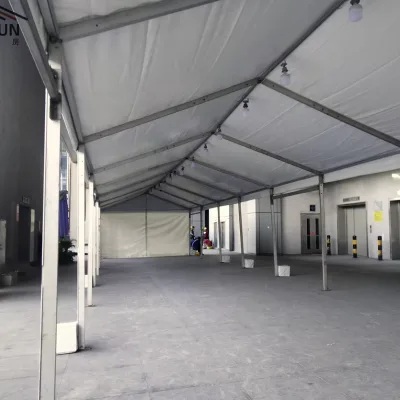
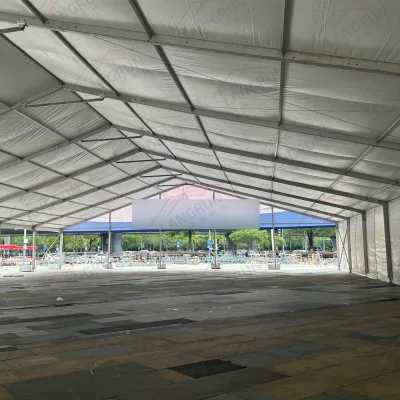
Big Outdoor Waterproof Event Tent with PVC Fabric Durable Shelter Tent for Sale
$30.9732 - $37.1681
MOQ: 1 square

Qingdao Bestower Machine Co., Ltd.
- Verified by TUVRHEINLAND
- Trading Company,Manufacturer/Factory
- China Shandong
- Lead time30 days
- Avg. response≤ 3h
Main productsSteel Structure Building, Steel Tower, Steel Structure, Transmission Tower, Communication Tower, Wind Turbine Tower, Monopole Tower, Steel Frame, Steel Pole, GSM Tower
Main marketsSouth America,Eastern Europe,Mid East,North America,Southeast Asia,Eastern Asia,Oceania,Western Europe,Africa
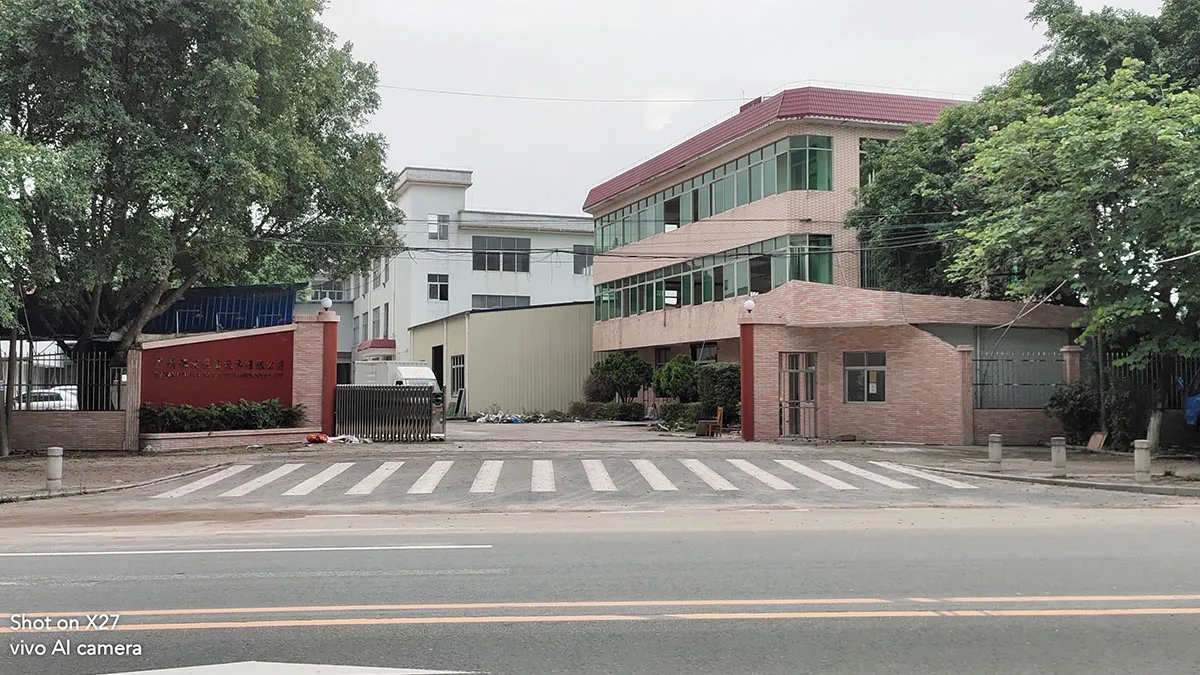
Guangzhou Hengnuo Tent Technology Co., Ltd.
- Manufacturer, Trading Company
- Guangdong, China
- Lead time15 days
- Avg. response≤ 3h
Main productsDome Tent, Event Tent; Pagoda Tent; Wedding Tent; Warehouse Tent
Main marketsNorth America(28.00%), Southeast Asia(20.00%), Oceania(10.00%), Africa(10.00%), Mid East(10.00%), South America(5.00%), Eastern Europe(5.00%), Western Europe(3.00%), Central America(3.00%), Southern Europe(2.00%), Eastern Asia(2.00%), Northern Europe(2.00%)
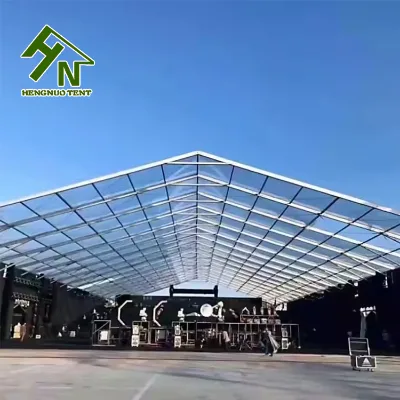
$47.4606 - $51.5866
MOQ: 100 square
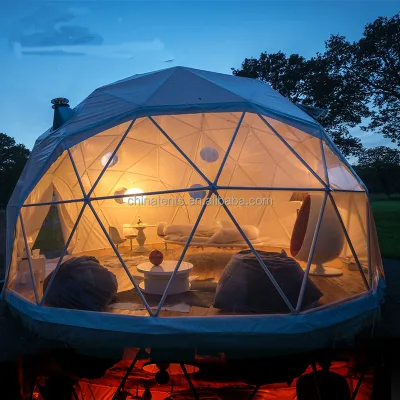
Luxury Transparent Large Party Event Tent , Big Camping Igloo Dome Tent for Sale
$35.717 - $42.8604
MOQ: 1 Minimum
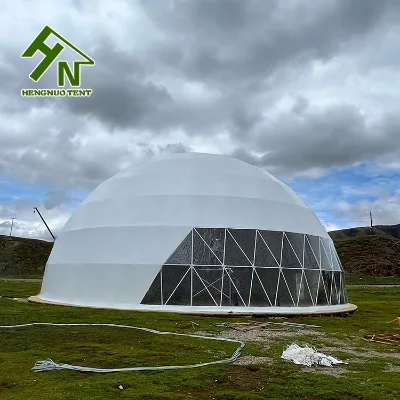
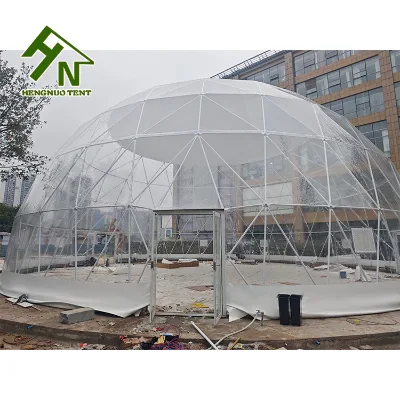
Custom 6-8 Person PVC Dome Tent for Outdoor Camping and Events Modern Simple Style Resort Tent
$32.6562 - $40.8199
MOQ: 100 square

Shandong Machinery and Equipment I & E Tristrong Union Company
- Manufacturer
- China Shandong
- Lead time15 days
- Avg. response≤ 14h
Main productsShelter, Carports, Garages, Greenhouses, Sunshade Canopies, Multipurpose Shelter, Tent, Large Warehouse, Large Tent, Car Garage
Main marketsSoutheast Asia/ Mideast,Europe,North America

Guangzhou Hengnuo Tent Technology Co., Ltd.
- Combined
- China Guangdong
- Lead time30 days
- Avg. response≤ 13h
Main productsParty Tent
Main marketsSouth America,Africa,Southeast Asia/ Mideast,East Asia(Japan/ South Korea),Domestic,Europe,Australia,North America
Guangzhou Ruidong Tent Co., Ltd.
- Manufacturer
- Guangdong, China
- Lead time10 days
- Avg. response≤ 4h
Main productsA Structure Tents,Sports Tents,Dome Tents,Arcum Tent,TFS Tent
Main marketsNorth America(20.00%), Southern Europe(10.00%), Northern Europe(10.00%), Western Europe(10.00%), Mid East(10.00%), Africa(10.00%), Southeast Asia(10.00%), Eastern Europe(10.00%), South America(10.00%)

Chengde Junqiang Equipment Clothing Co., Ltd.
- Manufacturer, Trading Company
- Hebei, China
- Lead time20 days
- Avg. response≤ 3h
Main productstent,sleep bag,camping bed,refugee tent,relief tent
Main marketsDomestic Market(25.00%), North America(10.00%), Central America(10.00%), Eastern Europe(10.00%), South America(10.00%), Southern Europe(5.00%), Southeast Asia(5.00%), Western Europe(5.00%), South Asia(5.00%), Mid East(5.00%), Oceania(5.00%), Northern Europe(2.50%), Eastern Asia(2.00%), Africa(0.50%)

Hebei New Sight Outdoor Products Co., Ltd.
- Verified by SGS
- Combined
- China Hebei
- Lead time23 days
- Avg. response≤ 5h
Main productspop up tent
Main marketsEurope

Tents Camping Outdoor Pop-up Tent Tents with Steel Frames Waterproof Heavy Duty Tents for Camping
$31.85 - $38.96
MOQ: 100 Pieces


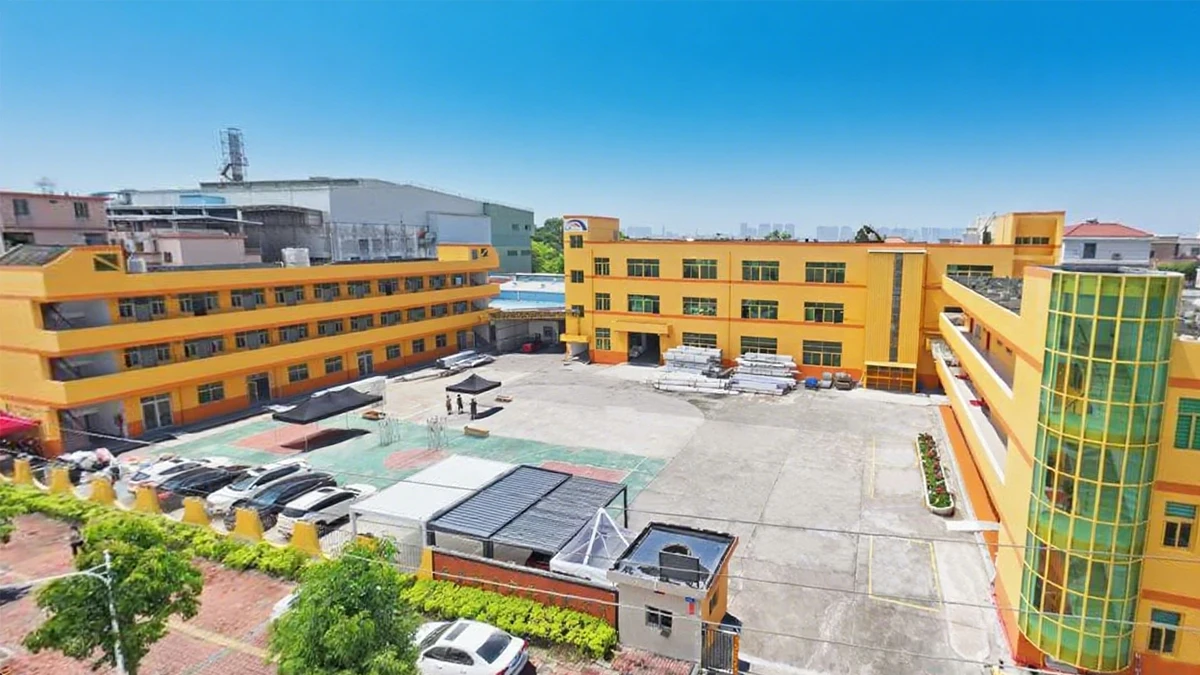
Dongguan Liping Industrial Co., Ltd.
- Manufacturer, Trading Company
- Guangdong, China
- Lead time20 days
- Avg. response≤ 3h
Main productsTent,wedding tent,party tent,marquee tent,high peak tent
Main marketsOceania(15.00%), South America(15.00%), North America(15.00%), Africa(10.00%), Mid East(10.00%), Western Europe(8.00%), Eastern Europe(7.00%), Northern Europe(5.00%), Central America(5.00%), Southeast Asia(5.00%), Eastern Asia(5.00%)
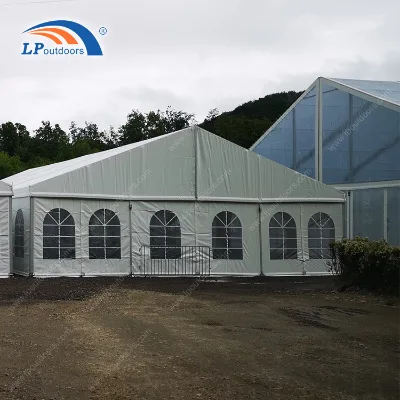
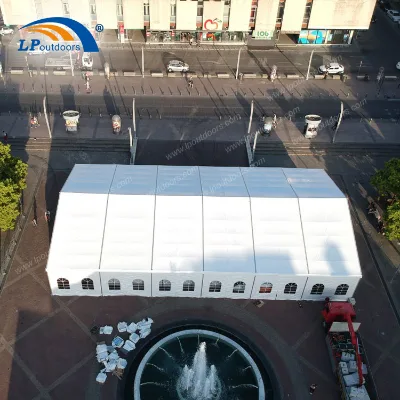
$35.00 - $37.00
MOQ: 200 square
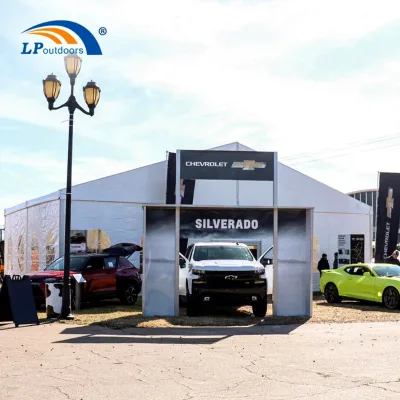

Jinan Xingya Metal Material Co., Ltd.
- Verified by SGS
- Trading Company
- China Shandong
- Lead time30 days
- Avg. response≤ 6h
Main marketsSoutheast Asia/ Mideast,Europe,Australia,North America

Earthquake Resistance Easy to Install Prefab Structure Steel Structue Tent
$35.00 - $38.00
MOQ: 100 Square Meters

High Intensity Easy to Install Building Material Steel Structue Tent
$35.00 - $38.00
MOQ: 100 Square Meters

Cost Saving Easy to Install Construction Building Steel Structure Tent
$25.00 - $38.00
MOQ: 100 Square Meters
Bazhou Youdu Outdoor Products Co., Ltd.
- Verified by TüVRheinland
- Manufacturer, Trading Company
- Lead time45 days
- Avg. response≤ 4h
Main productsTent, Party Tent, Carport, Pavilion, Green House
Main marketsSouthern Europe(28%), Eastern Europe(23%), North America(18%)

NINGBO XUSHENG LEISURE PRODUCTS CO., LTD.
- Trading Company
- China Zhejiang
- Lead time30 days
- Avg. response≤ 12h
Main productsBeach Chair, Patio Swing Chair, Garden Tools, Outdoor Furniture, Patio Umbrella, BBQ, Sun Lounger, Tent & Awning, Cast Aluminium Garden Furniture, Rattan Furniture
Main marketsSouth America,Africa,Southeast Asia/ Mideast,East Asia(Japan/ South Korea),Domestic,Europe,Australia,North America

Youran Mushe (Shandong) Cultural and Creative Technology Co., Ltd
- Verified by TUVRHEINLAND
- Combined
- China Shandong
- Lead time30 days
- Avg. response≤ 1h
Main productsMobile Homes, Space Capsules, Homestays, Modular Homes, Container Houses, Wooden Houses, Differentiated Buildings, Apple Capsules, Triangle Houses, Starry Sky Capsules
Main marketsDomestic
Qinhuangdao Chenya Tent Manufacturing Co., Ltd.
- Manufacturer, Trading Company
- Hebei, China
- Lead time15 days
- Avg. response≤ 2h
Main productsField tents,Relief tents,Camping tents,Expedition tents,Tactical tents
Main marketsDomestic Market(40.00%), Africa(30.00%), Mid East(10.00%), South America(6.00%), Eastern Asia(5.00%), North America(1.00%), South Asia(1.00%), Southern Europe(1.00%), Northern Europe(1.00%), Central America(1.00%), Western Europe(1.00%), Southeast Asia(1.00%), Eastern Europe(1.00%), Oceania(1.00%)
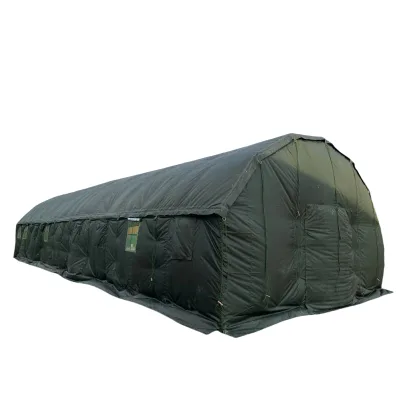
Customized Factory Steel High Tent with Dome Roof Large Size Hot Sale
$579.7643 - $993.8811
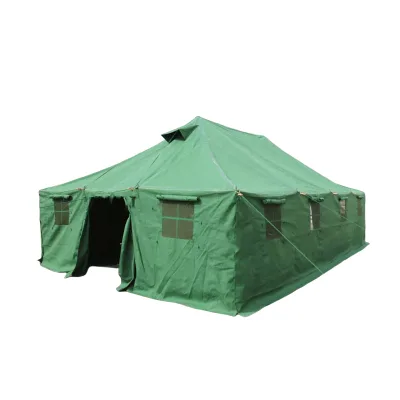
Qingdao Jianqiang Metal Manufacturing Co., Ltd.
- Verified by Intertek
- Manufacturer, Trading Company
- Lead time15 days
Main productsShelter
Main marketsNorth America(45%), Northern Europe(23%), Domestic Market(12%)
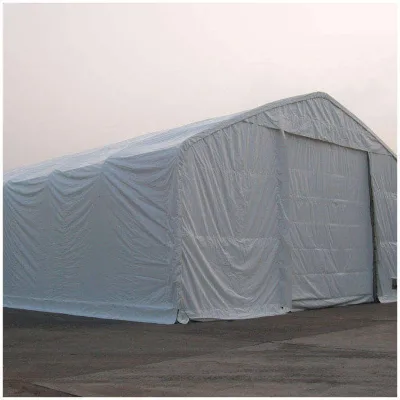
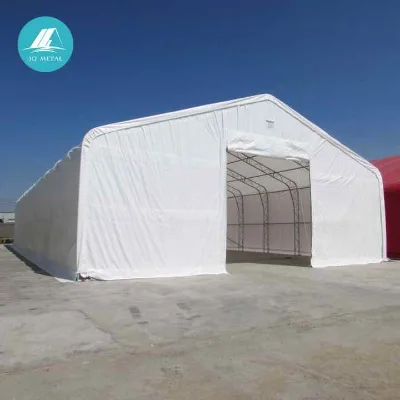
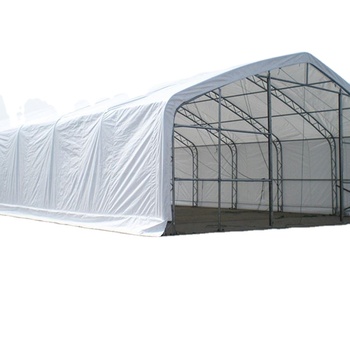
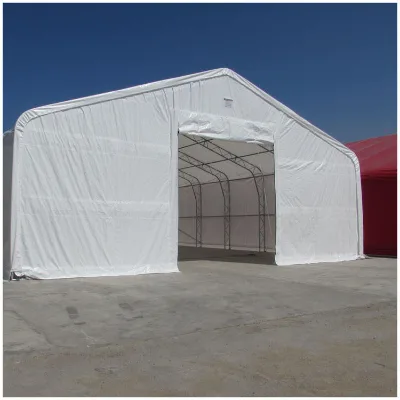
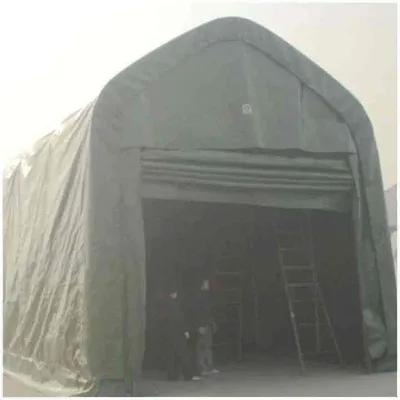
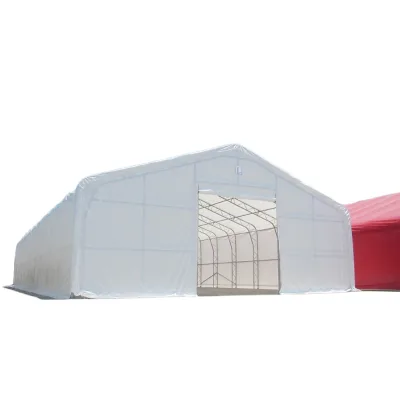
Waterproof Outdoor Best Wedding Tent With Heavy Duty Materials Shelter Tent for Sale
$1034.5738 - $9311.1638
MOQ: 1 Minimum

Qingdao Haylite Machinery Co., Ltd.
- Verified by BV
- Combined
- China Shandong
- Lead time30 days
- Avg. response≤ 21h
Main productsTool Cabinet, Exhibition Tent, Tire Changer, Camper Trailer, Auto Lift, Livestock Product, Trailer, Container Loading Ramp, Iron Gate, Tire
Main marketsAustralia,North America


Large Storage Tent with Anti-Fire; Large Storage Tent; PVC Warehouse Tent
$3000.00 - $5000.00
MOQ: 5 Pieces


Qingdao Jinhexin Industrial Products Co., Ltd.
- Trading Company,Manufacturer/Factory
- China Shandong
- Lead time30 days
- Avg. response≤ 7h
Main productsStorage Shelter, Storage Building, Container Shelter, Carport Garage, Container Dome Canopy, RV Shed, Portable Garage, Foldable Wagon, Container Vending Booth, Portable Toilet
Main marketsSouth America,Eastern Europe,Mid East,North America,Southeast Asia,Eastern Asia,Oceania,Western Europe,Africa
Fengming Prefabricated Construction Technology (Guangzhou) Co., Ltd.
- Verified by SGS Group
- Manufacturer, Trading Company
- Guangdong, China
- Lead time10 days
- Avg. response≤ 2h
Main productsTent, Truss/Stage, Homestay, Dome Tent, Trade Show Tent
Main marketsNorth America(26%), Eastern Europe(22%), Africa(18%)

Shaanxi Saifusite Mechanical Electrical Equipment Co., Ltd.
- Verified by SGS
- Trading Company
- China Shaanxi
- Lead time15 days
- Avg. response≤ 2h
Main productsStrand Jack, Rock Splitter, Mud Pump, Rebar Bending Machine, Anchor Wedge, Rock Breaker, Yb Pump, Lifting Jack, DTH Drilling Rig
Main marketsOthers(foreignTradeCapacity.exportBusinessCapacityMarketOther)


Outdoor Large-Sized Tents. Direct Supply From The Manufacturer. Customization Available.
$16.00 - $20.00
MOQ: 1 Square Meters
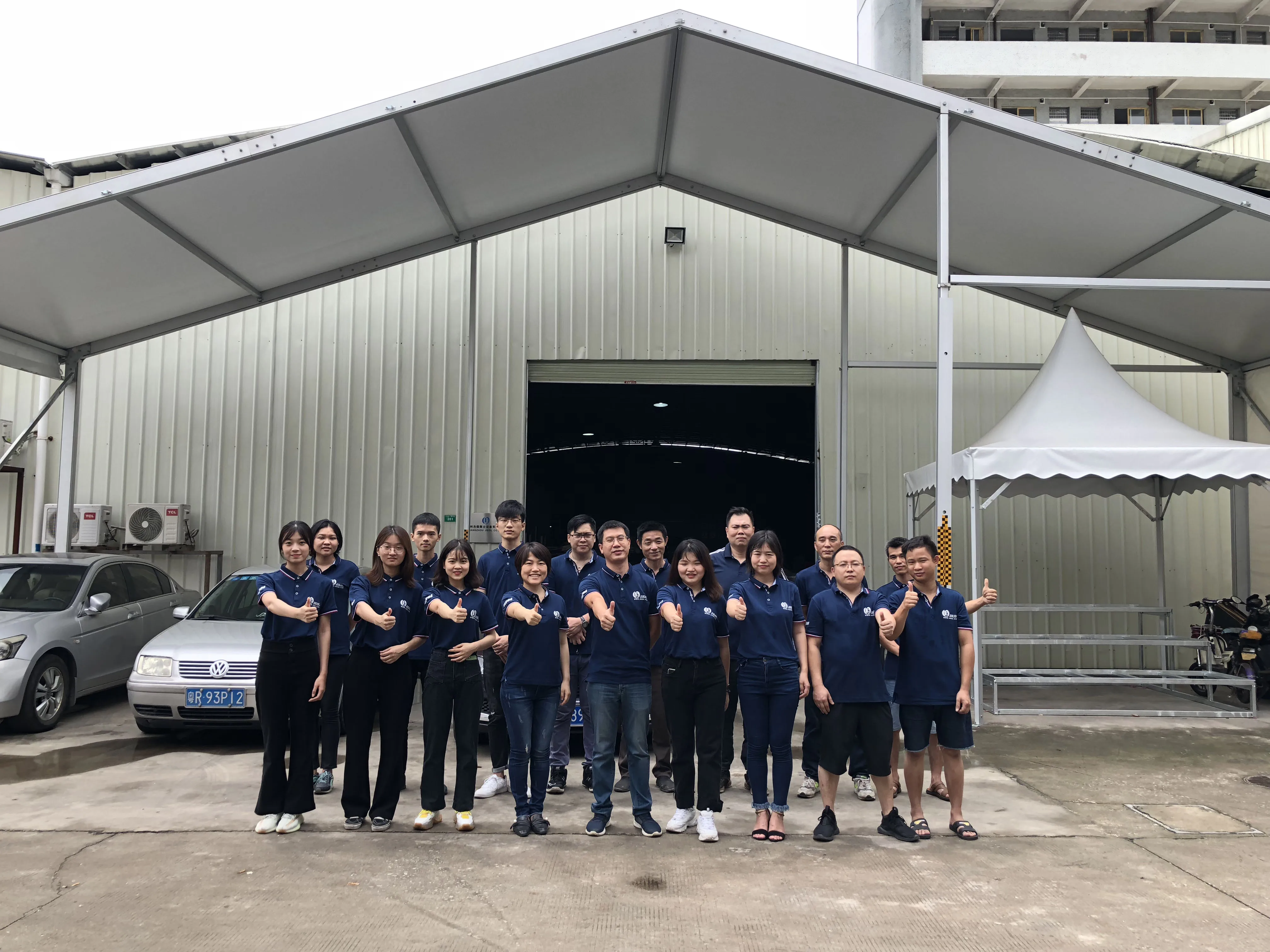
- Manufacturer
- Hong Kong S.A.R.
- Lead time15 days
- Avg. response≤ 4h
Main productsTent,Party Tent,Aluminum tent,Dome tent,Camping tent
Main marketsMid East(20.00%), North America(20.00%), Africa(10.00%), Southeast Asia(10.00%), South America(10.00%), South Asia(5.00%), Eastern Europe(5.00%), Northern Europe(5.00%), Western Europe(5.00%), Eastern Asia(5.00%)

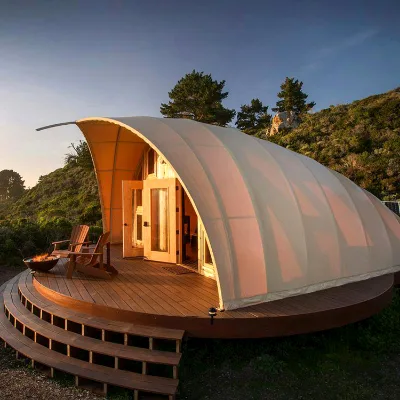
China Manufacturer Sailing Tent Outdoor Hotel Tent Waterproof Safari Tents
$1000.00 - $1400.00
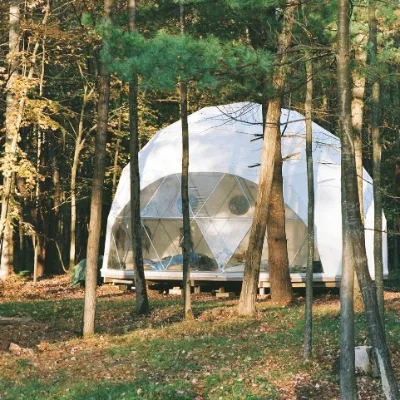
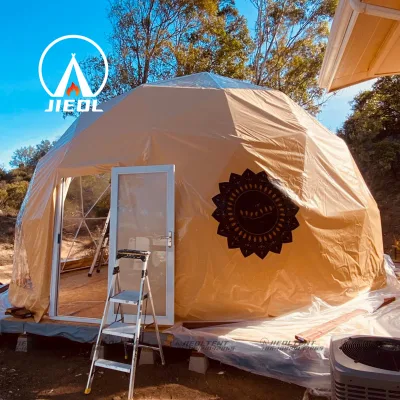
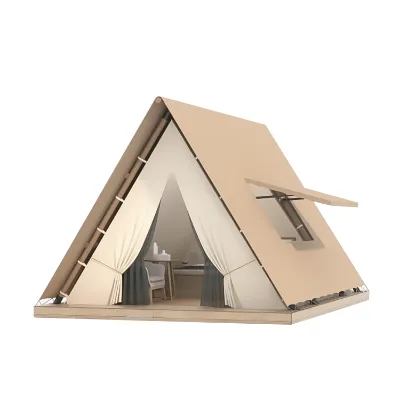
Best Tents for Glamping Business 5*8m Big White Shell Shape Hotel Tent
$89.00 - $129.00
MOQ: 1 Minimum
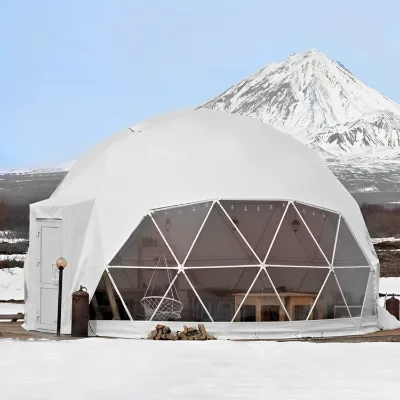
Luxury Camping Dome Outdoor House Camping Tent Room for 2-4 People with Bathroom
$30.99 - $89.99
MOQ: 5 square

Qingdao Jitcover Trading Co., Ltd.
- Verified by BV
- Trading Company
- China Shandong
- Lead time23 days
- Avg. response≤ 17h
Main productsCarport Shelter, Fabric Building Tent, Portable Storage Shed, Party Tent, Large Tent, Garage Tent, Aircraft Hangar, Industrial Engineer Structure Tent, Clear Span Tent, Greenhouse
Main marketsEurope,Australia,North America
Shelter Architecture Technology (guangdong) Co., Ltd.
- Manufacturer, Trading Company
- Guangdong, China
- Lead time20 days
- Avg. response≤ 4h
Main productsWedding Tent,Clear Top Tent,Arch Tent,Atrium Tent,Dome Tent
Main marketsNorth America(37.00%), Africa(14.00%), Southeast Asia(10.00%), Domestic Market(6.00%), Mid East(5.00%), Oceania(5.00%), South America(5.00%), Central America(5.00%), Western Europe(4.00%), South Asia(2.00%), Southern Europe(2.00%), Eastern Asia(2.00%), Eastern Europe(2.00%), Northern Europe(1.00%)
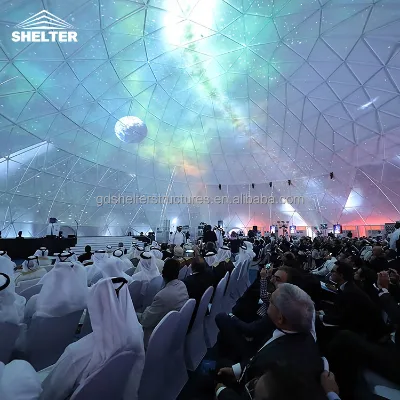
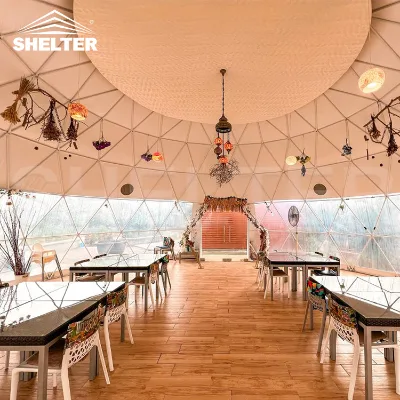
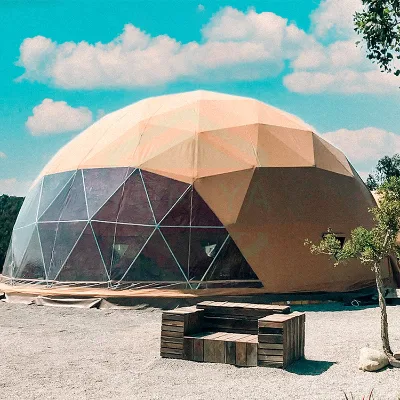
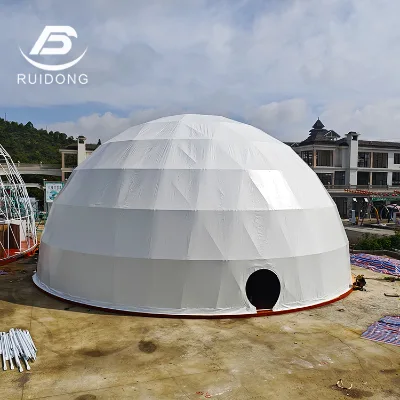
Custom Outdoor Big Geo Dome Tent Large Party Tents for Exhibition Events
$21.99 - $55.00
MOQ: 5 square




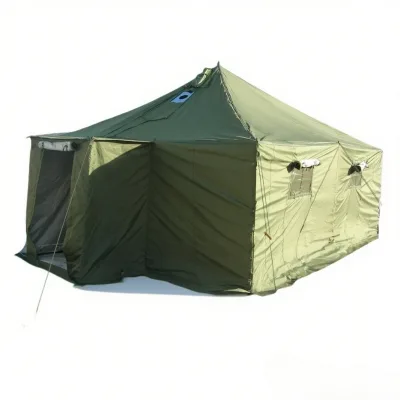
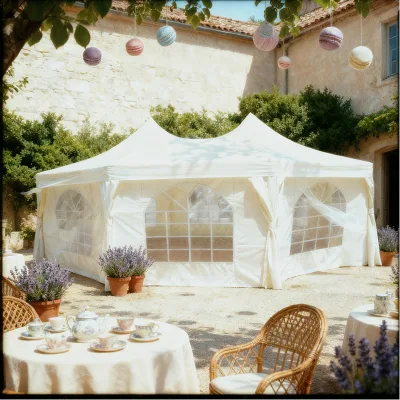
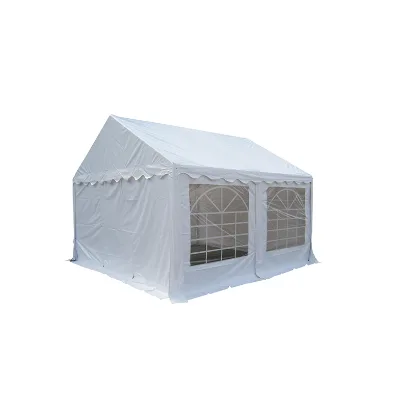


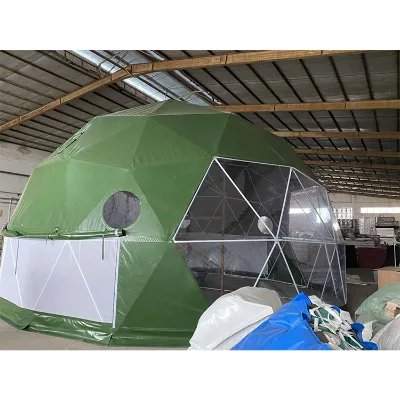


Comprehensive Sourcing Guide
Hot-Dip Galvanized Steel Mega Tent Supplier Concentration and Factory Types
The sourcing landscape for hot-dip galvanized steel mega tents reveals a distinct concentration of manufacturing capabilities within specific industrial regions, with Guangdong, China, emerging as a primary hub for these large-scale structures. Suppliers operating in this region often leverage established supply chains for raw materials, including aluminum alloys and PVC-coated textiles, which are critical for producing durable event and exhibition tents. The presence of both manufacturers and trading companies in this cluster allows buyers to access a diverse range of production models, from pure fabrication facilities to combined entities that handle both production and distribution. This geographic clustering facilitates efficient logistics for heavy steel components, reducing transportation costs and lead times for international orders. Buyers evaluating suppliers should recognize that this concentration is not merely a result of historical precedent but also of specialized labor and technical expertise developed over years in the outdoor structure industry.
Factory types in this sector vary significantly, ranging from pure manufacturers to combined entities that offer both OEM and ODM services. Some suppliers specialize exclusively in the fabrication of steel frames and the assembly of large event tents, while others integrate design and branding services to provide turnkey solutions for global clients. The distinction between a manufacturer and a trading company is crucial for buyers seeking direct control over production quality and cost structures. Manufacturers typically offer greater flexibility in customizing frame dimensions and fabric specifications, whereas trading companies may provide a broader portfolio of finished products from multiple factories. Understanding the company type helps buyers assess the level of direct involvement they will have in the manufacturing process. Combined companies often bridge this gap, offering the convenience of a single point of contact while maintaining direct oversight of production lines. This diversity in factory types ensures that buyers can find partners aligned with their specific operational needs, whether they require high-volume standard production or bespoke engineering for unique event requirements.
How to Verify Hot-Dip Galvanized Steel Mega Tent Suppliers
Verifying the legitimacy and capability of hot-dip galvanized steel mega tent suppliers requires a rigorous examination of their operational metrics and product evidence. Buyers should prioritize suppliers who display clear response times, as a rapid response often indicates a well-organized sales and engineering team capable of handling complex technical queries. For instance, suppliers with response times under three days demonstrate a higher level of customer service readiness, which is essential for coordinating large-scale orders. Additionally, examining the main products listed by a supplier provides insight into their core competencies. Suppliers focusing on specific tent types, such as ridge tents or geodesic domes, are likely to have more specialized expertise than those offering a generic array of structures. Buyers must cross-reference these product listings with detailed specifications, such as frame material and waterproof indices, to ensure the supplier’s capabilities align with project requirements.
Product evidence serves as a critical verification tool, allowing buyers to assess the technical depth of a supplier’s offerings. Detailed product attributes, including model numbers, fabric types, and structural designs, provide tangible proof of a supplier’s manufacturing knowledge. For example, specifications indicating double-skin structures or specific waterproof indices like greater than three thousand millimeters demonstrate a supplier’s ability to produce high-performance tents. Buyers should also look for evidence of customization options, such as available colors and modular building capabilities, which indicate flexibility in production. Furthermore, verifying the origin of products, such as Dongguan, China, helps confirm the supplier’s geographic location and supply chain transparency. By analyzing these detailed product attributes, buyers can distinguish between superficial listings and genuine manufacturing capabilities. This thorough verification process reduces the risk of engaging with suppliers who lack the technical expertise to deliver on complex mega tent projects.
What to Compare Across Hot-Dip Galvanized Steel Mega Tent Suppliers
When comparing suppliers, buyers must evaluate key operational dimensions such as lead times, minimum order quantities, and pricing structures to determine the best fit for their procurement strategy. Lead times vary significantly among suppliers, with some offering production cycles as short as fifteen days, while others may require thirty days or more. This difference is crucial for buyers with tight event schedules or urgent project deadlines. Minimum order quantities also differ, ranging from single-unit orders for smaller camping structures to bulk requirements for large event tents. Buyers should align these MOQs with their inventory needs and project scale to avoid excessive capital tie-up or insufficient stock. Pricing is another critical factor, with costs varying based on material specifications, frame complexity, and customization levels. Comparing price ranges across suppliers helps buyers identify competitive rates without compromising on quality.
Response speed and established capabilities further differentiate suppliers in the mega tent market. Suppliers with faster response times, such as those responding within two to three days, often provide better communication and support throughout the order process. This responsiveness can be indicative of a more efficient internal workflow and a customer-centric approach. Additionally, buyers should consider the supplier’s main product focus, as those specializing in specific tent types may offer better value and expertise. For instance, suppliers focusing on aluminum frame tents may provide different advantages compared to those specializing in steel structures. Evaluating these dimensions holistically allows buyers to make informed decisions that balance cost, speed, and quality. By systematically comparing these factors, buyers can identify suppliers that not only meet their technical requirements but also align with their operational and financial goals. This comparative analysis ensures that the selected partner can deliver reliable and timely solutions for large-scale tent projects.
Common Hot-Dip Galvanized Steel Mega Tent Sourcing Risks
Sourcing hot-dip galvanized steel mega tents involves several inherent risks that buyers must actively manage to ensure project success. One significant risk is the variability in product quality, particularly regarding the durability of the galvanized steel frames and the waterproof integrity of the PVC fabrics. Without proper verification, buyers may receive structures that do not meet the specified wind resistance or temperature tolerance standards, leading to potential failures during events. Another risk is the discrepancy between advertised specifications and actual product performance. Suppliers may list impressive features, such as high waterproof indices or extensive customization options, but fail to deliver on these promises due to production constraints or material substitutions. Buyers must rely on detailed product evidence and clear communication to mitigate these risks, ensuring that all technical requirements are explicitly documented in the purchase agreement.
Logistical and compliance risks also pose challenges in the mega tent sourcing process. The heavy nature of steel structures can lead to increased shipping costs and potential damage during transit if not packed correctly. Buyers must verify that suppliers use export-standard packing methods to protect the frames and fabrics during long-distance transportation. Additionally, compliance with international standards and certifications is crucial, especially for large-scale events in regulated markets. Suppliers may claim adherence to standards like CE or SGS, but buyers must verify these claims through independent testing or documentation. Failure to ensure compliance can result in customs delays or rejection of the product at the destination. By proactively addressing these risks through thorough due diligence and clear contractual terms, buyers can safeguard their investments and ensure the successful delivery of high-quality mega tents.
Hot-Dip Galvanized Steel Mega Tent Regional Sourcing and Logistics
Regional sourcing from hubs like Guangdong, China, offers distinct advantages for buyers seeking hot-dip galvanized steel mega tents, primarily due to the concentration of manufacturing infrastructure and supply chain efficiency. This region benefits from established logistics networks that facilitate the export of heavy and bulky items, reducing transit times and costs for international buyers. The proximity to raw material suppliers, such as aluminum and steel producers, further enhances the cost-effectiveness of production. Buyers leveraging this regional advantage can often secure faster lead times and more competitive pricing compared to sourcing from less developed industrial areas. However, buyers must also consider the logistical complexities associated with importing large structures, including customs clearance and local delivery arrangements. Understanding these regional dynamics helps buyers optimize their sourcing strategy and minimize potential delays.
Logistics planning is critical when importing mega tents, as the size and weight of the structures require specialized handling and transportation methods. Buyers should work closely with suppliers to determine the most efficient shipping routes and packaging solutions. Export-standard packing is essential to protect the galvanized steel frames and PVC fabrics from damage during transit. Additionally, buyers must account for the space requirements at the destination, ensuring that there is adequate storage and assembly area for the tents. Coordinating with local freight forwarders can help streamline the import process and reduce the risk of logistical bottlenecks. By carefully planning the logistics from the regional sourcing hub to the final destination, buyers can ensure a smooth and cost-effective supply chain. This proactive approach to logistics management is vital for the successful execution of large-scale tent projects.
Hot-Dip Galvanized Steel Mega Tent Commercial Terms and Order Planning
Commercial terms and order planning are pivotal in securing favorable outcomes when sourcing hot-dip galvanized steel mega tents. Buyers must negotiate clear payment terms, delivery schedules, and warranty conditions to protect their interests and ensure project reliability. Lead times, which can range from fifteen to thirty days, should be explicitly agreed upon to align with event timelines and avoid penalties for late delivery. Minimum order quantities also play a significant role in order planning, as buyers must balance inventory needs with financial constraints. Suppliers offering flexible MOQs can accommodate smaller orders, while those requiring bulk purchases may offer better pricing. Understanding these commercial terms helps buyers structure their orders efficiently and manage cash flow effectively.
Warranty and after-sales support are critical components of the commercial agreement, particularly for large-scale structures that require long-term durability. Buyers should verify the warranty periods for different components, such as the frame and fabric, to ensure adequate protection against defects. Suppliers offering extended warranties, such as eight years for frames and five years for fabrics, demonstrate confidence in their product quality. Additionally, buyers should clarify the scope of after-sales support, including availability of spare parts and technical assistance. Clear communication of these terms during the negotiation phase helps prevent misunderstandings and ensures that buyers receive the necessary support throughout the product lifecycle. By carefully planning commercial terms and order logistics, buyers can mitigate risks and secure a reliable supply of high-quality mega tents for their events.
FAQs
What is the typical lead time for mega tents?
Manufacturers in Guangdong, China, generally require 15 to 30 days for production. This timeframe depends on the specific tent structure and customization level. Buyers should confirm exact schedules with suppliers before placing orders to ensure timely delivery for events.
What is the minimum order quantity for these tents?
Minimum order quantities vary significantly by supplier type. Some manufacturers accept orders as low as one unit for customized structures. Others may require a minimum of 500 units for standard event tents. Buyers must verify the specific MOQ with each supplier.
What materials are used for the tent frame?
Frames are typically constructed from hot-dip galvanized steel or hard-pressed extruded aluminum alloy. These materials provide high wind resistance and durability. The steel offers robust support for large spans, while aluminum provides lightweight flexibility for various event configurations and setups.
What is the price range for large event tents?
Prices generally range from approximately 27 to 36 dollars per square meter. This cost depends on the material thickness, frame type, and customization options. Buyers should request detailed quotes based on their specific size requirements and desired structural features for accurate pricing.
How quickly do suppliers respond to inquiries?
Response times typically range from two to five hours. Faster responses often indicate higher supplier engagement and readiness to assist. Buyers should prioritize suppliers with quicker response times to ensure efficient communication throughout the sourcing and negotiation process for their specific tent requirements.
What certifications are available for these structures?
Products often comply with CE, ROHS, and SGS standards. These certifications ensure safety and quality for international markets. Buyers should request specific test reports and documentation from suppliers to verify compliance with local regulations and event safety requirements before finalizing any purchase agreements.