Source Hot-dip Galvanized Steel Mega Tent for Events, Warehouses, and Parties
Compare 30 hot-dip galvanized steel mega tent options featuring PVC covers, double skin structures, and customizable sizes. Buyers can evaluate wind resistance, waterproof ratings, and frame materials for parties, exhibitions, and relief operations; compare the available evidence and request quotations based on your requirements.
Updated
Key considerations
Products List

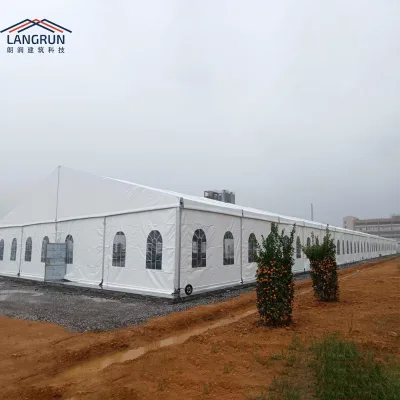
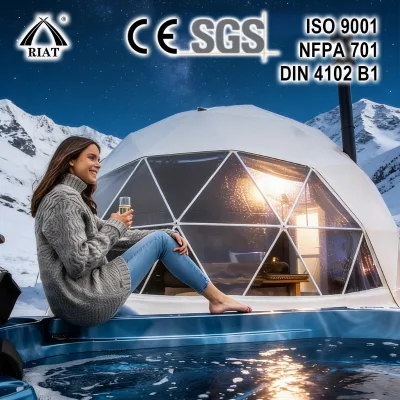

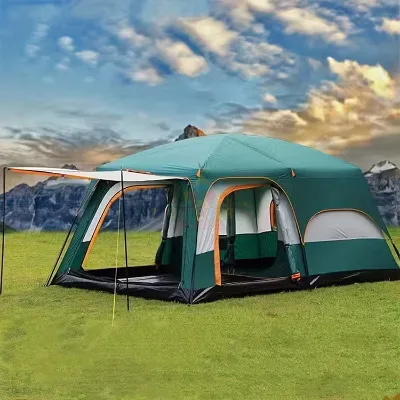


Super Large Trussed Frame Industrial Tent (TSU-49115)
$5000.00 - $20000.00
MOQ: 1 Sets
Shandong Machinery and Equipment I & E Tristrong Union Company
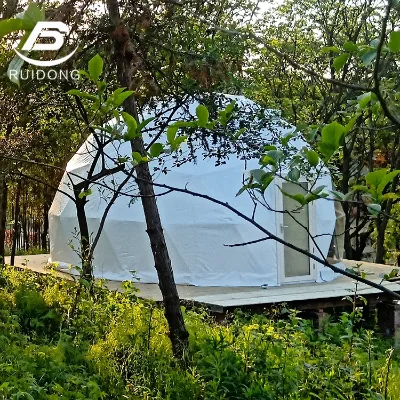
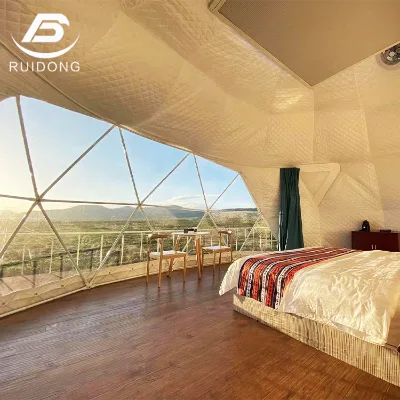
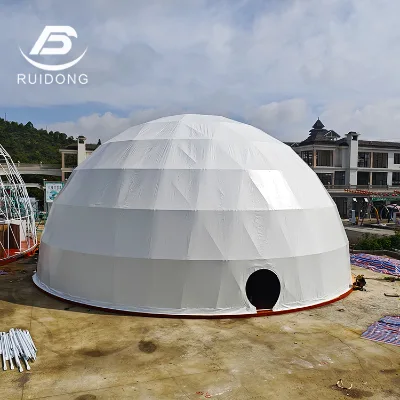
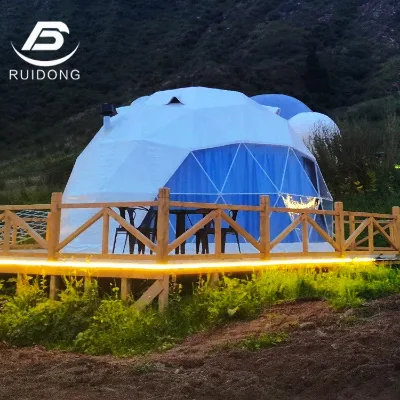

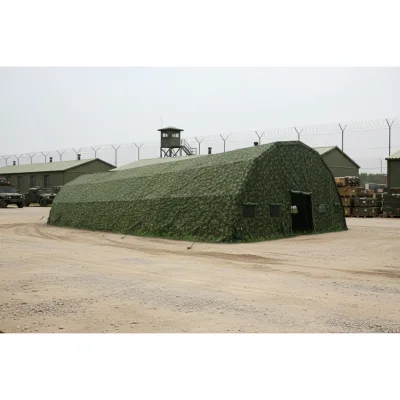
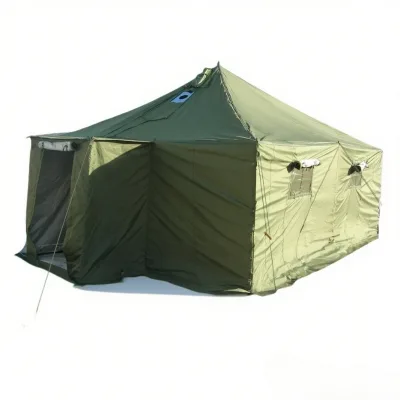


Earthquake Resistance Easy to Install Prefab Structure Steel Structue Tent
$35.00 - $38.00
MOQ: 100 Square Meters

High Intensity Easy to Install Building Material Steel Structue Tent
$35.00 - $38.00
MOQ: 100 Square Meters

Cost Saving Easy to Install Construction Building Steel Structure Tent
$25.00 - $38.00
MOQ: 100 Square Meters

Comprehensive Sourcing Guide
Hot-Dip Galvanized Steel Mega Tent Sourcing Guide
Procuring large-scale temporary structures requires a rigorous evaluation of material integrity and structural design, particularly when the primary load-bearing framework utilizes hot-dip galvanized steel connectors. Buyers must recognize that while some listings highlight aluminum alloy frames, the specific use of galvanized steel for connectors offers distinct advantages in tensile strength and corrosion resistance for mega tents deployed in harsh environments. This guide focuses on verifying these critical structural components to ensure long-term durability and safety for high-capacity events.
The sourcing process begins with a clear definition of the tent’s intended application, ranging from industrial warehouses and relief operations to luxury glamping resorts and large exhibitions. Understanding the specific usage context dictates the necessary structural reinforcements, such as double-skin configurations or diagonal bracing types, which directly influence the choice of frame materials and connector specifications. Buyers should align their technical requirements with the observed market offerings to avoid over-specifying or under-engineering the final installation.
Product Scope and Observed Listing Signals
Market listings for mega tents reveal a diverse range of structural configurations, including ridge tents, geodesic domes, and extended hexagonal designs, each serving different spatial and aesthetic needs. The observed product scope includes single-layer and double-skin structures, with frame materials varying from hard-pressed extruded aluminum alloy to robust steel components. Buyers should carefully distinguish between the primary frame material and the connector types, as the latter often determines the overall structural stability and wind resistance capabilities of the mega tent system.
Color and customization options are highly flexible, with white being a common standard but blue and other custom colors readily available to match brand identities or site requirements. The tent accessories, such as windows, linings, curtains, and floors, can be tailored to specific event needs, while the roof cover often consists of double PVC-coated polyester textile for enhanced durability. Procurement teams must verify that the customized elements do not compromise the structural integrity or the waterproofing index, which is observed to exceed 3000 mm in many high-quality listings.
Technical Specifications to Verify
The structural integrity of a mega tent relies heavily on the quality of its connectors and fixing solutions, with strong hot-dip galvanized steel being a preferred choice for critical joints. Buyers must verify the wind resistance ratings, which are observed to reach up to 100 km/h, and ensure that the fixing solutions, such as ground anchors, expandable bolts, or weight plates, are appropriate for the specific ground situation, whether it be grassland, asphalt, or cement. These technical details are crucial for ensuring the tent remains stable under varying environmental conditions.
Temperature resistance is another critical specification, with some structures designed to withstand extremes from -30°C to +70°C, making them suitable for four-season use. The span size can be customized from 3 to 50 meters, allowing for significant flexibility in layout design, while the tent life service is typically estimated at eight years for the frame and five years for the fabric. Procurement specialists should request detailed engineering drawings to confirm that these specifications are met by the specific model being sourced, rather than relying on general product descriptions.
Compliance and Safety Documentation
Safety compliance is paramount when sourcing mega tents, and buyers should insist on documentation that verifies adherence to international standards such as CE, ROHS, and SGS. These certifications indicate that the materials and manufacturing processes meet specific safety and environmental requirements, reducing liability risks for the end user. It is essential to obtain valid certificates for both the structural components and the fabric materials, ensuring that the entire system has been tested and approved for its intended use in public or industrial settings.
In addition to product certifications, buyers should verify the supplier’s ability to provide structural calculation reports and wind load tests for the specific tent configuration. These documents provide empirical evidence of the tent’s stability and safety margins, which is particularly important for large-span structures used in high-traffic areas. Procurement teams should also check for any local regulatory requirements in the destination market, such as America, Europe, or Africa, to ensure that the imported tents comply with regional building and safety codes.
Cost Drivers and Commercial Terms
The cost of a mega tent is influenced by several factors, including the size of the span, the complexity of the structure, and the quality of the materials used. Customization options, such as specific colors, logos, and additional accessories like glass walls or ABS hard walls, can significantly impact the final price. Buyers should request detailed quotations that break down the costs of the frame, fabric, connectors, and accessories to understand the value proposition and identify any potential hidden fees in the commercial terms.
Minimum order quantities (MOQ) and lead times are also critical commercial considerations, with observed MOQs ranging from 1 to 500 units depending on the supplier and customization level. Export standard packing is commonly used to protect the components during transit, but buyers should confirm the packaging details to ensure that the parts arrive in good condition. Negotiating favorable payment terms and delivery schedules is essential, especially for large orders where production and shipping times can vary significantly based on the supplier’s capacity and current workload.
Supplier Qualification and Quality Control
Supplier qualification involves assessing the manufacturer’s production capabilities, quality control processes, and track record in the temporary structure industry. Buyers should verify the supplier’s location, with many reputable manufacturers based in Guangdong, China, and inquire about their experience in exporting to target markets such as Australia, Europe, and America. A qualified supplier should have a robust quality control system in place, including inspections of raw materials, in-process checks, and final product testing before shipment.
Quality control measures should also include checks on the hot-dip galvanization process for steel connectors, ensuring that the coating thickness and adhesion meet industry standards to prevent corrosion. Buyers should request samples or visit the factory if possible to inspect the workmanship and material quality firsthand. Establishing a clear communication channel with the supplier for ongoing quality assurance is crucial, especially for custom orders where specific technical requirements must be strictly adhered to throughout the production process.
Long-Term Procurement Checks
Long-term procurement success depends on the supplier’s ability to provide reliable after-sales support, including warranty coverage for the frame and fabric. Buyers should clarify the warranty terms, which are often observed to be eight years for the frame and five years for the fabric, and understand the process for claiming repairs or replacements. A responsive after-sales service is essential for maintaining the tent’s performance and extending its lifespan, particularly for structures used in demanding environments or frequent deployments.
Additionally, buyers should consider the availability of spare parts and the supplier’s willingness to provide technical support for future modifications or expansions. Building a long-term relationship with a qualified supplier can lead to better pricing, priority production, and improved service levels over time. Regularly reviewing the supplier’s performance and updating procurement strategies based on market trends and technological advancements will help ensure that the mega tent investment continues to deliver value and safety for years to come.
FAQs
What is the frame material for these tents?
The frame is constructed from hard pressed extruded aluminum alloy. This material provides high strength and durability for large span structures. It is designed to withstand various weather conditions while maintaining structural integrity over time.
Can the tent color be customized?
Yes, the tent color can be customized to your specific needs. While white is a standard option, you can request any color as you need. This flexibility allows the tent to match your event theme or branding requirements perfectly.
What is the waterproof rating of the fabric?
The outside tent waterproof index is greater than 3000 mm. This high rating ensures effective protection against heavy rain and moisture. The double PVC-coated polyester textile roof cover further enhances the waterproof performance for reliable outdoor use.
What certifications do the tents hold?
The tents hold CE, ROHS, and SGS certifications. These standards ensure compliance with international safety and quality requirements. Buyers can rely on these documented certifications for regulatory approval and peace of mind when sourcing large-scale event structures.
What is the minimum order quantity?
The minimum order quantity is one unit. This low MOQ allows buyers to test the product quality before placing larger orders. It provides flexibility for small events or initial procurement trials without requiring a significant upfront investment.
Where are these tents manufactured?
These tents are manufactured in Dongguan, Guangdong, China. The location ensures access to established supply chains and manufacturing expertise. Buyers can expect consistent production quality and efficient logistics from this established industrial region in China.