Thickened Moisture-Proof Sleeping Mattress Suppliers and Manufacturers
Compare 21 suppliers offering thickened moisture-proof sleeping mattress options with varying thickness, packing methods, and customization capabilities. Review product attributes like material and hardness to select the right factory for your needs; review the available evidence before requesting comparable quotations from suitable candidates.
Updated
Suppliers List

- Manufacturer
- China Hebei
- Lead time0 days
- Avg. response≤ 11h
Main productsBedding, Memory Foam Mattress, Mattress, Pocket Spring Mattress, Hotel Mattress, Foam Mattress, Spring Mattress, Compressed Mattress, Rolling Foam Mattress, Foam

Ningbo Comfort Industry Co., Ltd.
- Verified by TUVRHEINLAND
- Manufacturer/Factory
- China Zhejiang
- Lead time45 days
- Avg. response≤ 7h
Main productsElectric Adjustable Beds, Adjustable Beds, Lift Recline Chairs, Memory Foam Mattress, Massage Adjustable Beds, Massage Lift Chairs, Memory Foam Pillows, Wallhugger Adjustable Bed, Electric Bed, Massage Chair
Main marketsSouth America,North America,Southeast Asia,Eastern Asia,Oceania,Western Europe
Foshan Lelaikang Latex Co., Ltd.
- Verified by Intertek
- Trading Company
- Lead time9 days
- Avg. response≤ 2h
Main productsLatex Mattress, Spring Mattress, Memory Foam Mattress, Latex Pillow, Memory Foam Pillow
Main marketsDomestic Market(30%), Southeast Asia(25%), Eastern Europe(15%)
Jiangxi Cool-on Smart Home Co, Ltd.
- Verified by SGS Group
- Manufacturer, Trading Company
- Lead time15 days
- Avg. response≤ 6h
Main productsMattresses, Mattress Cover
Main marketsEastern Europe(30%), Oceania(30%), Mid East(20%)
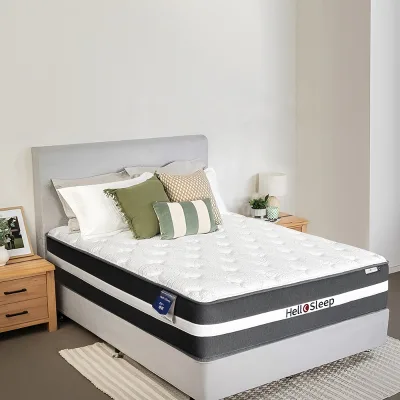
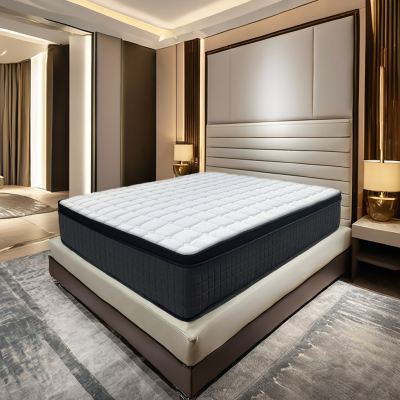
$59.5095 - $71.8231
MOQ: 10 pieces
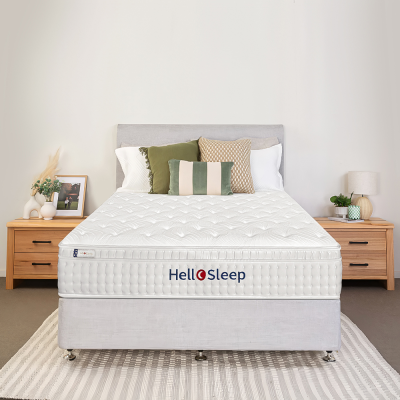
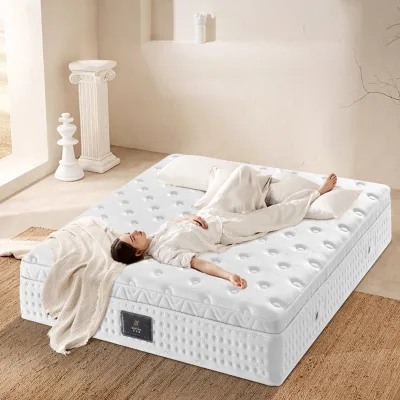
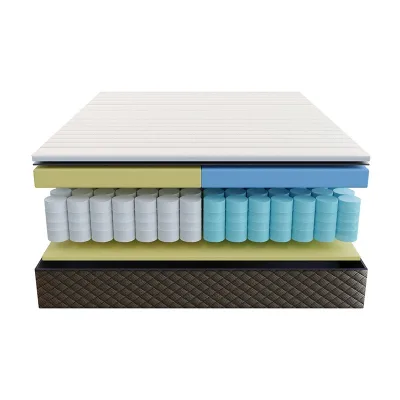
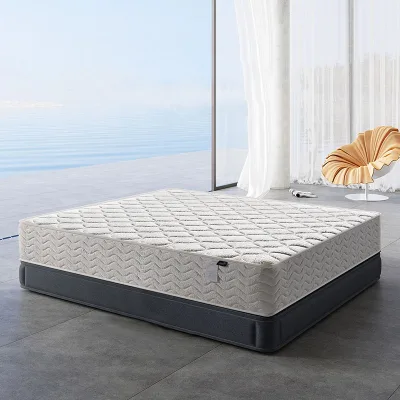
4 by 6 extra Firm Double Five Tailored Zones Pocket Springs Restful Sleep Mattress
$72.00 - $79.00
MOQ: 10
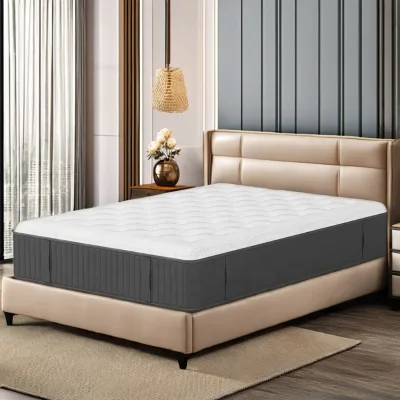
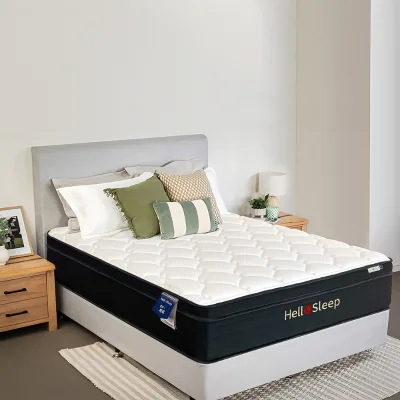
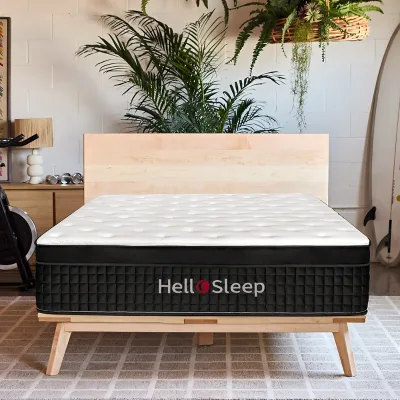
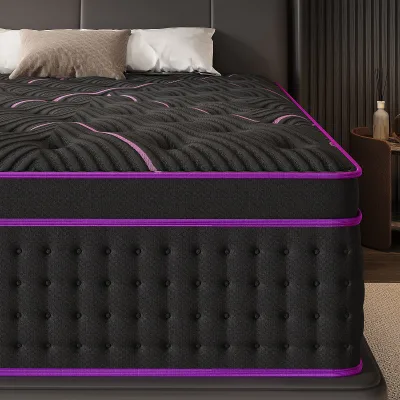
Anti-Microbial Treatment Pressure Point Relief Gel-Infused Foam Comfortable Mattress for Good Sleep
$50.4496 - $66.9217
MOQ: 10 pieces

Guangdong Yimengxin Home Furnishing Technology Co., Ltd.
- Verified by TUVRHEINLAND
- Combined
- China Guangdong
- Lead time30 days
- Avg. response≤ 9h
Main productsmattress
Main marketsOthers(foreignTradeCapacity.exportBusinessCapacityMarketOther)

Qingfeng Mianxin Bedding Co., Ltd.
- Verified by BV
- Combined
- China Henan
- Lead time23 days
- Avg. response≤ 3h
Main productsMatteress
Main marketsDomestic


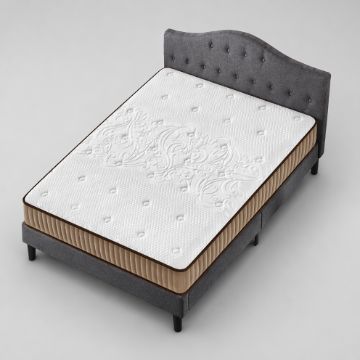
Health Sleeping Single Size Hard Foam Comfort Spring Bed Waterproof Mattress
$59.00 - $69.00
MOQ: 100 Pieces

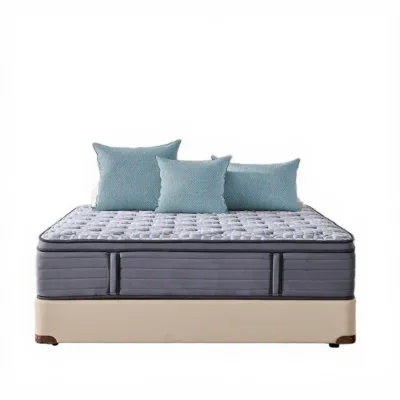
Cloud Sleep Mattress Independent Pocket Spring Quiet Sleep Bed Mattress
$470.00 - $513.60
MOQ: 50 Pieces


Comfort Memory Foam Mattress for Body Health Hot Style Whole Sleep Night
$49.00 - $79.00
MOQ: 50 Pieces

28cm Independent Pocket Spring Mattress Quiet and Supportive Sleep System Bed Mattress
$257.20 - $280.60
MOQ: 50 Pieces
Foshan Kukai Furniture Co., Ltd.
- Manufacturer, Trading Company, Distributor/Wholesaler
- Guangdong, China
- Lead time25 days
- Avg. response≤ 2h
Main productsmatterss,sofas,bed,springs,fabrics
Main marketsEastern Europe(6.00%), South America(6.00%), North America(6.00%), Eastern Asia(4.00%), Mid East(4.00%), Africa(3.00%), Southeast Asia(3.00%), Oceania(3.00%), Central America(3.00%), South Asia(2.00%), Northern Europe(2.00%), Western Europe(1.00%), Southern Europe(1.00%)
Ganzhou Jueqi Furniture Co., Ltd.
- Trading Company
- Jiangxi, China
- Lead time30 days
- Avg. response≤ 4h
Main productsBeds and Night Table , Dining Table and Chairs, Sofa, Mattress, Makeup Vanity Desk
Main marketsNorth America(60.00%), South America(15.00%), Domestic Market(5.00%), Southern Europe(5.00%), Western Europe(5.00%), Southeast Asia(5.00%), Eastern Europe(5.00%)
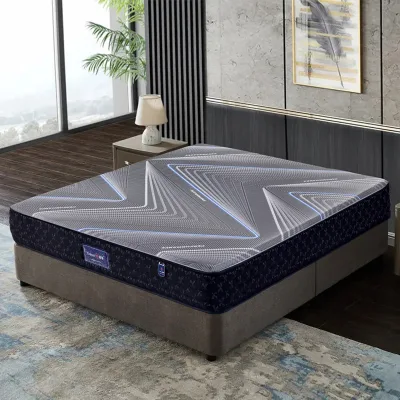
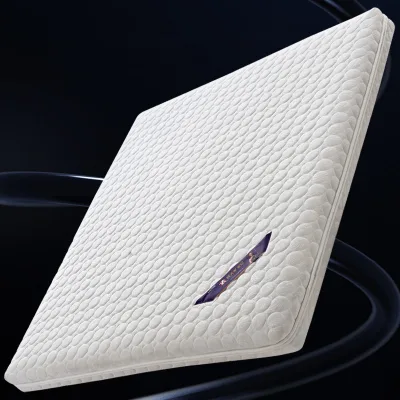
$174.162 - $210.4465
MOQ: 2 Minimum
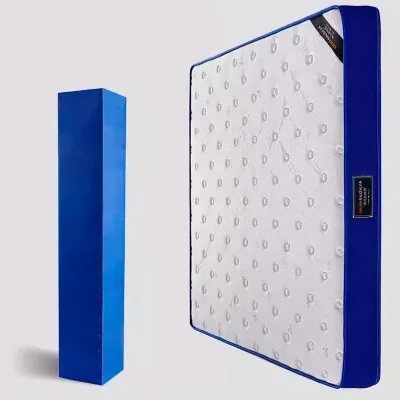

Foshan Qisheng Sponge Co., Ltd.
- Manufacturer
- China Guangdong
- Lead time30 days
- Avg. response≤ 9h
Main productsFoam Mattress
Main marketsSoutheast Asia/ Mideast,Europe,Australia,North America

Pocket Spring Mattress According to Your Different Mattress Sizes for Your Good Sleep
$81.40 - $156.20
MOQ: 60 Pieces


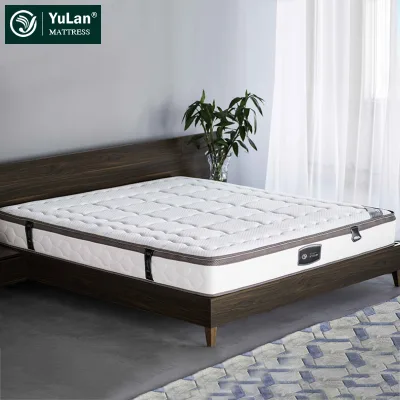
Resilient Pocket Spring Mattress with 5 Zone Pocket Spring and Relaxing Memory Foam
$69.00 - $129.00
MOQ: 60 Pieces

Shandong Jincheng Bedding Co., Ltd.
- Verified by SGS Group
- Manufacturer, Trading Company
- Lead time30 days
- Avg. response≤ 4h
Main productsPocket Spring Mattress, Bonnier Spring Mattress, Memory Foam Mattress, Compressed Sofa, Panel Furniture
Main marketsAfrica(40%), South America(20%), Western Europe(20%)

Dongying Jiusheng Trading Co., Ltd
- Combined
- China Shandong
- Lead time15 days
- Avg. response≤ 15h
Main productsFoam Mattress, Mattress, PU Foam, Tri-Fold Mattress, Foam Sofa Bed, Foam Cushion, Custom Sponge Foam, Household Sponge Foam, PU Foam Sheet, PU Foam Block
Main marketsEast Asia(Japan/ South Korea)

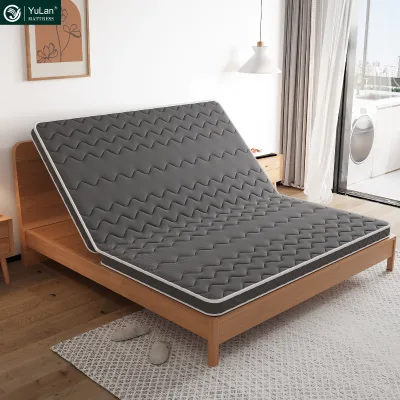
Memory Foam Mattress with Washable Cover High Density Sponge Queen Size Sleeping
$69.00 - $79.00
MOQ: 10 Pieces


Foshan Biyoufu Household Articles Co., Ltd.
- Manufacturer
- Guangdong, China
- Lead time45 days
- Avg. response≤ 2h
Main productshandle,furniture handle,door handle,cabinet handle,kitchen furniture handles
Main marketsNorth America(30.00%), Domestic Market(10.00%), Eastern Europe(9.00%), Oceania(9.00%), Southeast Asia(6.00%), Southern Europe(6.00%), Northern Europe(6.00%), Central America(6.00%), Western Europe(5.00%), South Asia(3.00%), South America(3.00%), Africa(3.00%), Eastern Asia(2.00%), Mid East(2.00%)

Shijiazhuang Yide Medical Device Manufacturing Co., Ltd.
- Combined
- China Hebei
- Lead time15 days
- Avg. response≤ 13h
Main productsPortable Suction Machine, Anti-Bedsore Air Mattress, Nebulizer, Isolation Gown, Isolation Shoe Cover, Protective Clothing, Infrared Thermometer, Digital Thermometer, Medical Mask, Pulse Oximeter
Main marketsSouth America,Africa,Southeast Asia/ Mideast,East Asia(Japan/ South Korea),Domestic,Europe,Australia
Foshan Yulan Furniture Company Limited
- Verified by SGS Group
- Manufacturer, Trading Company
- Lead time15 days
- Avg. response≤ 8h
Main productsBedroom Furniture, Living Room Furniture, OEM Furniture, Mattress, Bedroom Sets
Main marketsNorth America(20%), Domestic Market(20%), South America(17%)

ZhengZhou RAXIDA Technology Co.,Ltd.
- Verified by BV
- Trading Company
- China Henan
- Lead time15 days
- Avg. response≤ 18h
Main productsBunk Bed, Shoes Cabient Wardrobe, Locker, Wardrobe, Safe Box, Filing Cabinet, Tool Cabinet, Office Drawer Cabinet, Storage Rack, Office Cubicle
Main marketsSouth America,North America


$89.00 - $130.00
MOQ: 50 Pieces

$100.00 - $130.00
MOQ: 50 Pieces

Foshan Suilong Furniture Co., Ltd.
- Verified by BV
- Manufacturer/Factory
- China Guangdong
- Lead time45 days
- Avg. response≤ 13h
Main productsMattress, Mattress Springs, Leather Beds, Fabric Beds, Kd Beds, Pillows
Main marketsSouth America,Mid East,Southeast Asia,Eastern Asia,Oceania,Western Europe,Africa
Foshan Nanhai Weilanmei Furniture Factory
- Manufacturer
- Guangdong, China
- Lead time25 days
- Avg. response≤ 3h
Main productsmattress,spring mattress,foam mattress,latex mattress,hotel mattress
Main marketsOceania(25.00%), South America(20.00%), Southeast Asia(10.00%), Africa(10.00%), Mid East(10.00%), Western Europe(10.00%), Eastern Europe(5.00%), South Asia(5.00%), Domestic Market(5.00%)
Langfang AnpoRui International Trade Co., Ltd.
- Verified by TüVRheinland
- Trading Company
- Hebei, China
- Lead time28 days
- Avg. response≤ 1h
Main productsMattress, Compression Sofa, Leather Goods, Furniture Foam
Main marketsDomestic Market(100%)
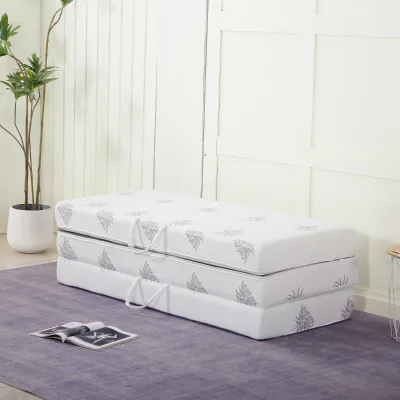
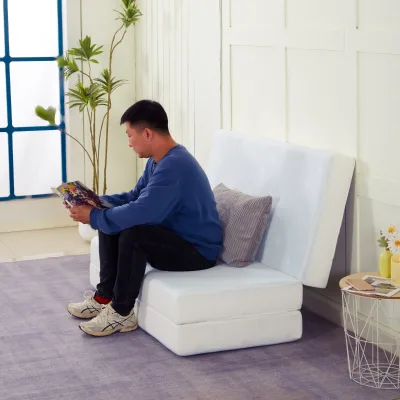
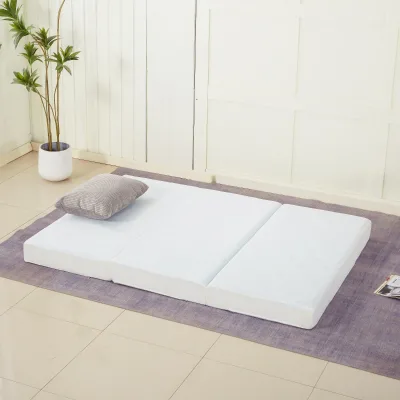
$40.00 - $55.00
MOQ: 50 pieces

Qinhuangdao Yangguang Electric Co., Ltd
- Verified by TUVRHEINLAND
- Trading Company
- China Hebei
- Lead time23 days
- Avg. response≤ 1h
Main productsElectric Blanket, Infrared Heater, Electric Boiler, Heater Mural, Electric Heater, Electrically Heated Carpet
Main marketsDomestic
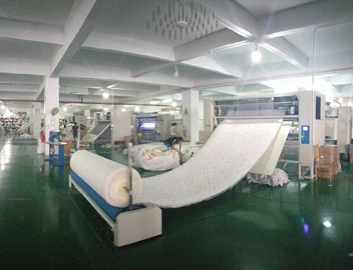
JIANGMEN CITY QUEENDOM FURNITURE CO.,LTD.
- Manufacturer
- Guangdong, China
- Lead time25 days
- Avg. response≤ 4h
Main productsMattress,Beds,Bed Base
Main marketsEastern Asia(100.00%), Central America(100.00%), Africa(100.00%), Southeast Asia(100.00%), Eastern Europe(100.00%), South Asia(100.00%), Northern Europe(100.00%), Southern Europe(100.00%), Domestic Market(50.00%), Oceania(20.00%), North America(15.00%), Western Europe(5.00%), Mid East(5.00%), South America(5.00%)

Hefei Wang Qin Spring Co., Ltd.
- Verified by SGS
- Combined
- China Anhui
- Lead time15 days
- Avg. response≤ 3h
Main productsGarage Door Torsion Spring, Commercial /Industrial Door Torsion Spring, Garage Door Extension Spring, Roller Shutter Door Spring, Garage Spring Cone Die Casting Spring Fitting, Lift Door Cable Drum, Hardware Parts Accessories, Hinge Stes, Industrial Bracket, Garage Door Cables
Main marketsDomestic,Europe,North America


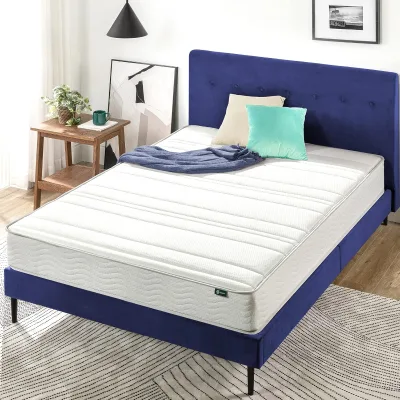
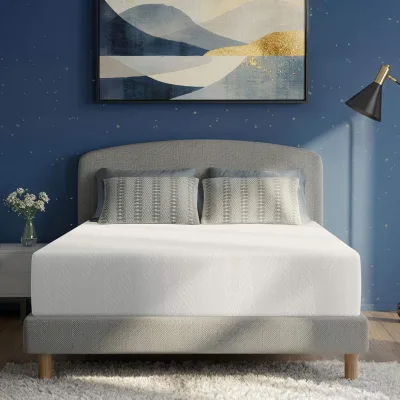










Comprehensive Sourcing Guide
Thickened Moisture-Proof Sleeping Mattress Supplier Concentration and Factory Types
The current supplier landscape for thickened moisture-proof sleeping mattresses reveals a distinct concentration of manufacturing capabilities within specific industrial regions. Data indicates that a significant portion of available suppliers are located in China, with Hebei Province emerging as a notable hub for this specific product category. This geographic clustering suggests a mature supply chain ecosystem where raw material sourcing, particularly for foam and spring components, is optimized for efficiency. Buyers evaluating these suppliers will find that the majority of entities operating in this space are classified as manufacturers rather than trading companies. This distinction is critical because it implies direct control over the production process, from the selection of high-density foam to the assembly of pocket spring systems. The presence of manufacturer-type entities in the results provides a foundation for assessing production capacity and quality control measures directly at the source.
Furthermore, the product evidence highlights a diverse range of mattress types available from these concentrated suppliers, including memory foam, pocket spring, and compressed rolling foam options. This variety indicates that factories in these regions have adapted their production lines to meet global demand for different sleeping solutions. The main products listed often include bedding, hotel mattresses, and home use mattresses, suggesting that these factories are equipped to handle both residential and commercial orders. The ability to produce thickened variants alongside moisture-proof features demonstrates a level of technical sophistication in material handling and fabric selection. Buyers should recognize that while the location is a strong indicator of supply density, the specific factory type determines the level of customization and direct communication available. Understanding this dynamic helps in narrowing down the search to entities that can reliably deliver the specific thickness and moisture-resistant properties required for the intended application.
How to Verify Thickened Moisture-Proof Sleeping Mattress Suppliers
Verifying the legitimacy and capability of suppliers requires a systematic approach that goes beyond surface-level product listings. Buyers should prioritize suppliers that explicitly state their company type as a manufacturer, as this often correlates with better control over quality and pricing. It is essential to check for specific product attributes that align with the thickened and moisture-proof requirements, such as fabric composition and inner material specifications. For instance, looking for details like double knitted fabric or waterproof fabric can provide initial clues about the supplier's ability to produce moisture-resistant products. Additionally, examining the customization options available, such as logo embroidery or printing, can indicate the supplier's flexibility and willingness to engage in OEM projects. These details serve as proxies for the supplier's operational maturity and their capacity to meet specific buyer requirements.
Another critical verification step involves assessing the supplier's responsiveness and production readiness. The response time metric provides insight into how quickly a supplier can engage with potential buyers, which is crucial for timely negotiations and order processing. A faster response time often suggests a more organized sales and customer service team. Buyers should also look for evidence of sample availability, as requesting samples is the most direct way to verify the physical qualities of the mattress, including its thickness and moisture-proofing effectiveness. Furthermore, checking for specific product models or standard sizes can help determine if the supplier has established production lines for these items. By combining these verification methods, buyers can build a more accurate profile of each supplier's reliability and suitability for their specific sourcing needs.
What to Compare Across Thickened Moisture-Proof Sleeping Mattress Suppliers
When evaluating multiple suppliers, it is crucial to compare key operational metrics to identify the best fit for your business needs. One of the primary factors to consider is the minimum order quantity, or MOQ, as this directly impacts your inventory management and cash flow. Some suppliers may offer low MOQs, such as one unit, which is beneficial for testing the market or fulfilling small orders, while others may require higher volumes, such as fifty units, which is more suitable for bulk procurement. Comparing these thresholds helps in aligning supplier capabilities with your order volume expectations. Additionally, the price range for the products should be analyzed to ensure it fits within your budget constraints. Prices can vary significantly based on the materials used, such as high-density foam versus pocket springs, and the level of customization required.
Lead time and response speed are also vital comparison points that affect your supply chain efficiency. Suppliers with shorter lead times can help you respond more quickly to market demands and reduce the risk of stockouts. Similarly, a faster response time indicates a supplier's ability to communicate effectively and resolve issues promptly. Buyers should also compare the specific product attributes, such as hardness, thickness, and shape, to ensure they match the desired specifications for the thickened moisture-proof sleeping mattress. The availability of OEM services and customization options, including logo printing and fabric choices, should be evaluated to determine the supplier's flexibility. By systematically comparing these dimensions, buyers can make informed decisions that balance cost, quality, and operational efficiency.
Common Thickened Moisture-Proof Sleeping Mattress Sourcing Risks
Sourcing thickened moisture-proof sleeping mattresses involves several potential risks that buyers must actively manage to ensure a successful procurement process. One significant risk is the discrepancy between the advertised product specifications and the actual quality received. Without physical verification, buyers may encounter issues with the thickness, moisture-proofing effectiveness, or material durability. This risk is particularly relevant when dealing with suppliers who offer a wide range of products, as it can be challenging to assess the specific quality of each variant. To mitigate this, buyers should insist on receiving samples before placing large orders. Samples allow for a thorough inspection of the product's construction, including the fabric quality and inner material, ensuring that the mattress meets the required standards.
Another common risk is the variability in supplier reliability and communication. Inconsistent response times or unclear communication can lead to delays in order processing and potential misunderstandings regarding product specifications. This is especially problematic when dealing with international suppliers where language and cultural barriers may exist. Buyers should be cautious of suppliers who do not provide clear information about their production capabilities or customization options. Additionally, the risk of non-compliance with safety or quality standards cannot be overlooked. While some suppliers may claim to meet certain standards, buyers should verify these claims through independent testing or certification requests. By identifying and addressing these risks early in the sourcing process, buyers can protect their interests and ensure a smoother procurement experience.
Thickened Moisture-Proof Sleeping Mattress Regional Sourcing and Logistics
The geographic location of suppliers plays a crucial role in determining logistics costs and delivery times. As noted in the supplier data, many manufacturers are concentrated in China, particularly in Hebei Province. This regional clustering can offer advantages in terms of supply chain efficiency and cost competitiveness, but it also introduces specific logistical considerations for international buyers. Understanding the shipping routes and transit times from these regions is essential for accurate planning. Buyers should work closely with their suppliers to determine the most cost-effective shipping methods, whether by sea or air, depending on the urgency of the order. The packing method, such as roll in box or vacuum compressed packing, also impacts the volume and weight of the shipment, which in turn affects freight costs.
Furthermore, the origin of the products can influence import duties and regulatory requirements in the buyer's country. Buyers must be aware of the specific trade regulations and tariffs applicable to mattresses imported from China. This includes compliance with safety standards and labeling requirements. Working with suppliers who have experience in international shipping can help navigate these complexities. Additionally, buyers should consider the lead time associated with production and shipping when planning their inventory. A clear understanding of the logistical timeline helps in avoiding stockouts and ensuring that products are available when needed. By carefully managing the regional sourcing and logistics aspects, buyers can optimize their supply chain and reduce overall procurement costs.
Thickened Moisture-Proof Sleeping Mattress Commercial Terms and Order Planning
Commercial terms and order planning are fundamental to establishing a sustainable relationship with suppliers. Buyers should carefully review the price terms, such as EXW or FOB, to understand their responsibilities regarding shipping and insurance. These terms dictate who bears the risk and cost during transit, which can significantly impact the total landed cost of the product. It is also important to negotiate clear payment terms that protect both parties, such as using escrow services for secure transactions. Understanding the sample policy is equally crucial, as samples often serve as the benchmark for quality and can incur additional costs. Buyers should clarify whether sample fees are refundable upon placing a bulk order.
Order planning should also account for the customization options available, such as logo printing and fabric selection, which may require additional lead time. Buyers need to communicate their specific requirements clearly to avoid misunderstandings and ensure that the final product meets their expectations. Additionally, considering the MOQ and price tiers can help in optimizing order quantities to achieve better pricing. By aligning commercial terms with strategic order planning, buyers can enhance their negotiating position and secure favorable conditions. This proactive approach to commercial management helps in building a reliable supply chain and ensures that the procurement process runs smoothly from initial inquiry to final delivery.
FAQs
What is the minimum order quantity for thickened mattresses?
The minimum order quantity is typically 50 units for standard spring models. Some suppliers accept orders as low as one piece for sample testing. Buyers should verify specific MOQ requirements with the manufacturer before placing bulk orders to ensure production readiness.
How long does production take for custom orders?
Production lead times are listed as zero days in some supplier profiles, indicating immediate availability or rapid processing. Sample preparation usually requires five to ten days. Actual manufacturing duration depends on order volume and customization complexity, so confirm timelines directly with the factory.
What are the price ranges for thickened spring mattresses?
Prices for thickened spring mattresses range from seventy-one point five to one hundred thirty point five dollars per unit. Thinner foam options start at thirty-five dollars. Costs vary based on inner material, fabric type, and thickness specifications requested by the buyer.
Can I get custom branding on these mattresses?
Customization is available for most mattress models. Buyers can choose embroidery or printing for their logo on the fabric. Color and fabric patterns can also be customized to match brand guidelines. OEM services are acceptable for bulk orders meeting the minimum quantity.
Where are these mattresses manufactured?
These mattresses are manufactured in Hebei Province, China. Suppliers in this region specialize in bedding and furniture production. Buyers can verify the specific factory location and request facility audits to ensure quality standards are met before finalizing the procurement agreement.
How quickly do suppliers respond to inquiries?
The average response time for suppliers is approximately ten point two seven hours. This metric indicates how quickly potential partners acknowledge and address buyer inquiries. Faster response times often correlate with better customer service and more efficient order processing throughout the procurement cycle.
What packing methods are used for shipping?
Mattresses are packed using roll-in-box or vacuum-compressed methods. This approach reduces shipping volume and costs significantly. Some models use flat compressed packing. The packaging ensures the product remains protected during transit while allowing for easy handling and storage at the destination.