Source Ultra Light Portable Camping Mat for Picnic, Shopping, Campus
Compare 30 listings for the Ultra Light Portable Camping Mat featuring waterproof options, soft materials, and customizable designs. Buyers can evaluate specifications like size, packing, and origin from verified Chinese suppliers; compare the available evidence and request quotations based on your requirements.
Updated
Key considerations
Products List


Picnic Mat Portable Waterproof Mat Mini Folding Outdoor Camping Damp Proof Mat Red
$2.00 - $8.00
MOQ: 100 Pieces

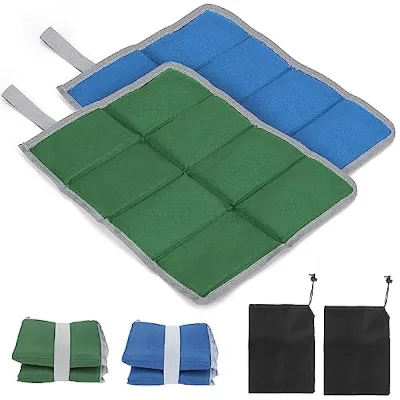


Customized Design Portable Durable Waterproof Outdoor Hiking Camping Mat
$3.00 - $4.50
MOQ: 200 Pieces

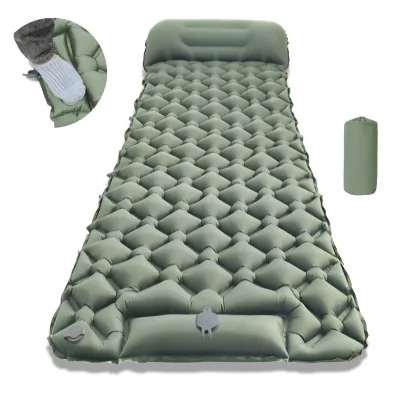
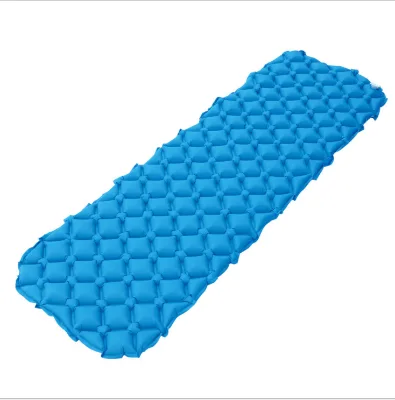

Ultralight Inflatable Camping Sleeping Pads Durable Waterproof Camping Mat
$14.89 - $15.59
MOQ: 50 Pieces


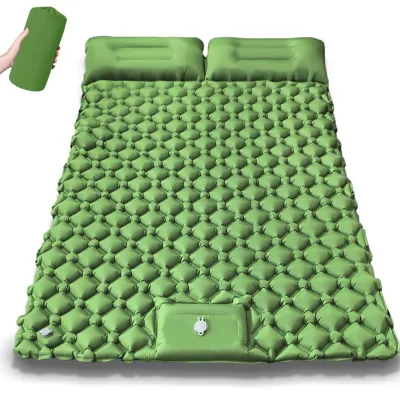
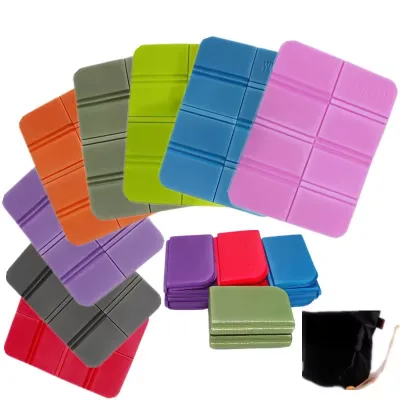
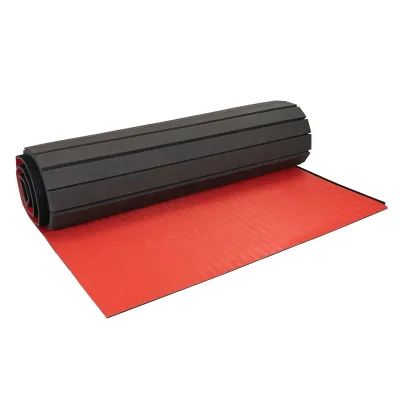
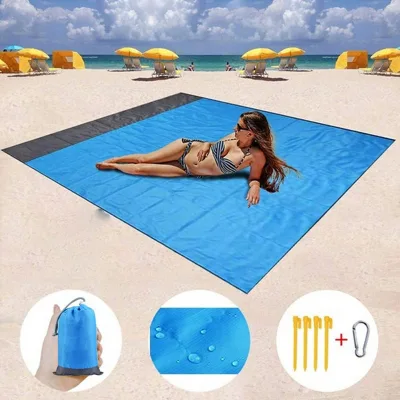
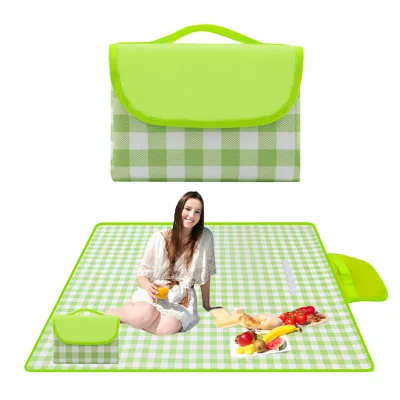
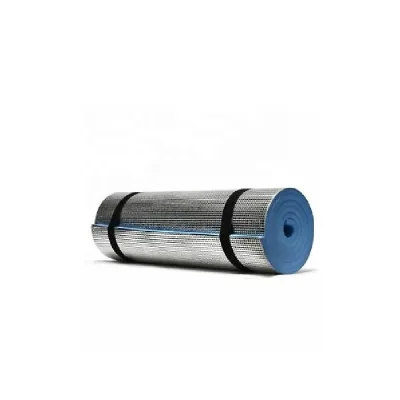
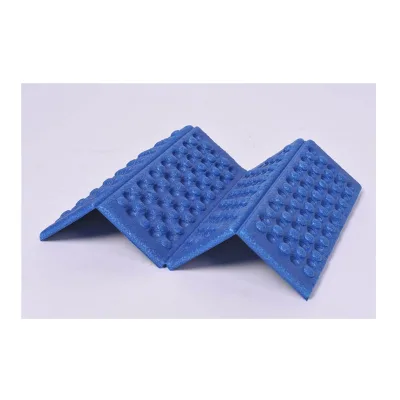
Hot Sale Portable Colorful travel Hiking Backpacking Camping Mat Sitting Mat
$1.20 - $1.50
MOQ: 100 pieces

Comprehensive Sourcing Guide
Ultra Light Portable Camping Mat Sourcing Guide
Procuring ultra-light portable camping mats requires a disciplined approach to balancing weight, durability, and thermal performance. Buyers must first define the primary use case, whether it is high-altitude trekking, casual car camping, or promotional gifting, as these scenarios dictate vastly different material and structural requirements. The market offers a wide spectrum of options, from simple woven polyester sheets to complex multi-layered foam pads, each with distinct trade-offs in packability and comfort. Understanding these distinctions is critical before engaging with suppliers, as misalignment between intended use and product specification often leads to costly returns or customer dissatisfaction.
This guide focuses on evidence-based sourcing strategies derived from current market listings and supplier capabilities. It emphasizes the verification of technical attributes such as waterproofing, hardness, and customization options, which are frequently cited in product data. By adhering to strict verification protocols and understanding the commercial terms associated with OEM/ODM services, procurement teams can mitigate risk and secure reliable supply chains. The following sections provide a structured framework for evaluating suppliers, interpreting technical specifications, and ensuring long-term product quality without relying on unverified marketing claims.
Product Scope and Observed Listing Signals
Current market listings reveal a diverse range of products categorized under camping mats, including picnic blankets, waterproof camping pads, and anti-theft storage solutions. Observed attributes indicate that materials vary significantly, with 210t Polyester and Leather being common choices, while filling materials like foam are used for added comfort. Shapes range from square and rectangular to triangle, with standard dimensions such as 1*1.4m and 50X50X5.5 cm appearing frequently. These variations suggest that buyers must carefully filter listings based on specific dimensional and material needs rather than assuming uniformity across all "ultra-light" products.
Key signals in the data highlight the importance of customization and branding capabilities. Many suppliers offer OEM/ODM services, accepting customized logos and various printing methods such as silk screen, roller, and heat transfer prints. Packaging options are equally flexible, ranging from PVC bags and PP materials to custom cartons, which is crucial for retail-ready products. Additionally, features like waterproofing and portability are prominent selling points, though buyers must verify these claims individually, as some listed items are explicitly noted as not waterproof. This diversity underscores the need for precise specification matching during the sourcing phase.
Technical Specifications to Verify
When evaluating technical specifications, buyers should prioritize the verification of material composition and construction techniques. For instance, while some products are described as woven or quilted, others may utilize OXford fabric with pearl cotton and silver-coated layers for enhanced insulation and durability. It is essential to confirm the exact fabric weight and coating quality, as these factors directly impact the mat’s weight, pack size, and resistance to wear. Suppliers often list multiple material options, so procurement teams must request detailed material breakdowns to ensure the selected product meets the required performance standards for the intended environment.
Dimensional accuracy and hardness are also critical technical parameters that require strict verification. Standard sizes like 1.42m or compact 3929.5*1cm formats serve different user needs, and deviations from these standards can affect product compatibility with backpacks or sleeping bags. Furthermore, the hardness attribute, described as "soft" in some listings, should be validated through physical samples or detailed density specifications. Buyers should also inspect the unpick and washability features, ensuring that removable covers or washable materials are genuinely functional and not just marketing terms, to maintain product hygiene and longevity over time.
Compliance and Safety Documentation
Compliance and safety documentation are foundational to successful B2B procurement, particularly for products used in outdoor and recreational settings. Buyers must request relevant test reports that verify the safety of materials, especially when foam fillings or synthetic fabrics are involved. These documents should confirm the absence of harmful substances and ensure that the products meet international safety standards for consumer goods. Although specific certification names are not provided in the current data, suppliers should be able to produce third-party lab results that attest to the material’s non-toxicity and durability, which is crucial for maintaining brand reputation and avoiding regulatory issues.
Additionally, buyers should verify that suppliers adhere to recognized quality management systems and environmental standards. This includes checking for certifications related to sustainable manufacturing practices, which are increasingly important to modern consumers. Documentation should also cover the safety of printing inks and dyes used for custom logos, ensuring they are lead-free and compliant with relevant regulations. By insisting on comprehensive safety documentation, procurement teams can mitigate risks associated with product liability and ensure that the camping mats are safe for end-users, including children and sensitive individuals.
Cost Drivers and Commercial Terms
Cost drivers for ultra-light portable camping mats include material selection, customization complexity, and order volume. Products featuring advanced materials like OXford with silver coatings or multi-layered foam constructions typically command higher prices due to increased manufacturing costs. Customization options, such as specific printing methods or unique packaging, also add to the overall expense. Buyers should analyze the cost structure in relation to the Minimum Order Quantity (MOQ), which ranges from 2 to 500 pieces in observed listings, to determine the most economical order size for their needs. Understanding these variables helps in negotiating better terms and optimizing budget allocation.
Commercial terms, including payment structures and lead times, significantly impact the procurement process. Many suppliers require a 30% deposit with the balance paid before shipment, a standard practice that buyers must accommodate in their cash flow planning. Lead times can vary based on the complexity of customization and current production capacity, so it is essential to confirm these timelines early in the negotiation process. Additionally, buyers should clarify the terms for sample orders and return policies, as these factors can influence the overall cost and risk profile of the procurement project. Clear communication of these terms ensures a smooth transaction and avoids unexpected financial burdens.
Supplier Qualification and Quality Control
Supplier qualification is a critical step in ensuring the reliability and consistency of the supply chain. Buyers should conduct thorough due diligence to verify the supplier’s manufacturing capabilities, including their production facilities and quality control processes. This involves assessing their ability to handle OEM/ODM requests and their track record in delivering products that meet specified standards. Suppliers located in regions like Jiangsu, China, often have established infrastructure for textile and outdoor gear manufacturing, but buyers must still verify their specific expertise in ultra-light camping mats. Requesting references and reviewing past performance data can provide valuable insights into the supplier’s reliability.
Quality control measures should be integrated into the procurement process to minimize defects and ensure product consistency. Buyers should implement pre-production sample approvals and in-line inspections to catch issues early. It is also advisable to conduct final random inspections before shipment to verify that the products match the approved samples in terms of material, dimensions, and finish. Establishing clear quality acceptance criteria and communicating them effectively to the supplier helps in maintaining high standards. By prioritizing supplier qualification and rigorous quality control, buyers can reduce the risk of receiving substandard products and enhance customer satisfaction.
Long-Term Procurement Checks
Long-term procurement checks involve continuous monitoring of supplier performance and product quality to ensure sustained value. Buyers should establish key performance indicators (KPIs) such as on-time delivery rates, defect rates, and responsiveness to issues. Regular audits and periodic reviews of supplier capabilities help in identifying potential risks and areas for improvement. Additionally, staying updated on market trends and technological advancements in camping mat materials can inform future sourcing decisions. By maintaining a proactive approach to supplier management, buyers can build resilient supply chains that adapt to changing market conditions and customer demands.
Furthermore, buyers should foster collaborative relationships with suppliers to encourage innovation and continuous improvement. Open communication channels and shared goals can lead to better product development and more favorable commercial terms over time. It is also important to diversify the supplier base to mitigate risks associated with single-source dependencies. By regularly evaluating and updating supplier partnerships, buyers can ensure that they remain competitive and responsive to market changes. This strategic approach to long-term procurement not only secures a steady supply of high-quality products but also enhances the overall efficiency and effectiveness of the sourcing process.
FAQs
What materials are used for ultra light portable camping mats?
These mats typically utilize 210t Polyester or Oxford fabrics, often combined with pearl cotton and silver-coated layers for enhanced insulation. Some variants feature foam filling for added comfort and durability. The choice of material directly impacts the mat's weight, waterproofing capabilities, and overall suitability for various outdoor camping conditions and seasons.
Can I customize the logo on these camping mats?
Yes, customization is available for most ultra light portable camping mats. Suppliers generally accept customized logos and offer various printing methods, including silk screen, roller, and heat transfer printing. This allows businesses to brand their products effectively for promotional campaigns or specific corporate events while maintaining the mat's functional performance.
What are the standard sizes for these portable mats?
Standard dimensions vary by model, with common sizes including 1x1.4m, 1.4x1.5m, and 1.4x2m for larger blankets. Smaller, compact versions might measure around 39x29.5x1cm or 50x50x5.5cm. Buyers should verify specific model specifications to ensure the selected mat fits their intended use, whether for picnics, camping, or indoor activities.
How are these mats packaged for shipping?
Packaging options typically include PVC bags, PP bags, or cardboard boxes, depending on the supplier and order requirements. Some manufacturers offer custom packing solutions according to customer requests. Standard packaging often involves placing one piece in a poly bag before consolidating them into cartons to protect the product during transit and storage.
What is the typical MOQ for these camping mats?
The minimum order quantity usually ranges from 2 to 500 pieces, depending on the supplier and product customization level. Standard items may have lower MOQs, while fully customized orders with specific logos or materials often require higher volumes. Buyers should confirm the exact MOQ with the supplier to align with their procurement budget and inventory needs.
Are these mats waterproof for outdoor use?
Many ultra light portable camping mats feature waterproof materials like silver-coated fabrics or treated polyester to repel moisture. However, not all variants are waterproof; some leather or fabric options may lack this feature. Buyers should check specific product attributes to ensure the mat meets their weather resistance requirements for camping or picnic activities.